

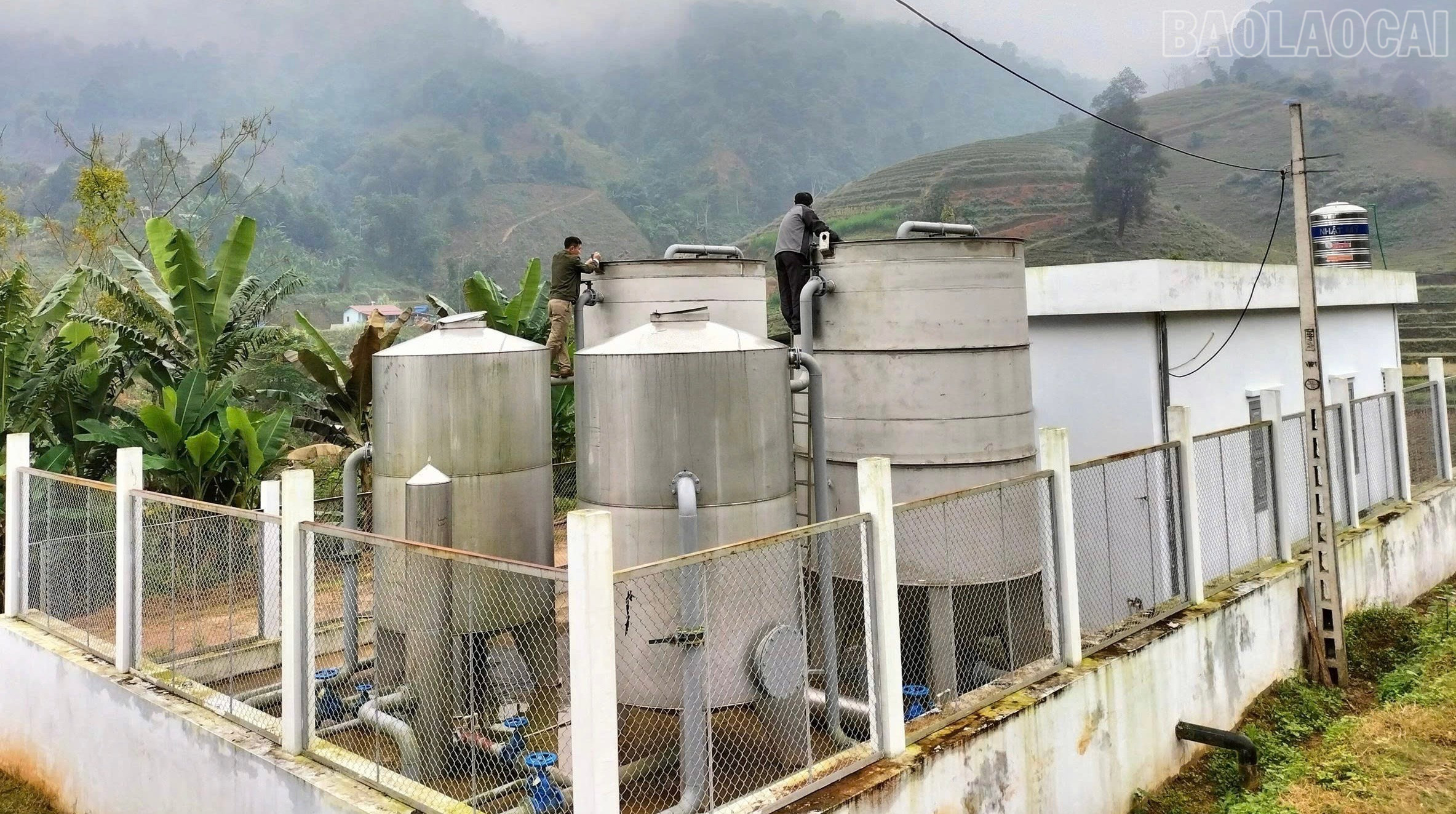
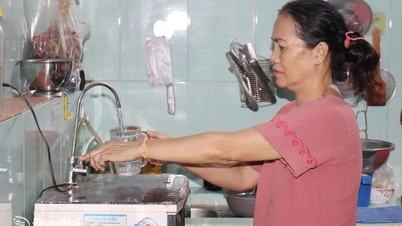
According to a survey by the provincial Department of Agriculture and Environment, approximately 46% of rural households in Lao Cai still use small-scale water supply methods such as drilled wells, dug wells, springs, and reservoirs. Water quality in many areas only meets hygiene standards and does not comply with clean water standards. The percentage of people with water treatment equipment is only over 16%, mainly in more favorable areas. Meanwhile, the province's centralized water supply system currently has over 1,100 facilities, but most are small-scale, serving only 20-200 households; only about 108 facilities are larger. The percentage of people using clean water according to standards is estimated to reach approximately 17% by 2025.
In Trung Tam and Cau Thia wards, clean water from the water supply system operated and managed by Tan Phu Co., Ltd. currently serves more than 2,000 households. The system, utilizing surface water from the Nam Tang stream, has a designed capacity of nearly 1,700 m³/day and night. Approved by the People's Committee of Yen Bai province (formerly) in June 2024, it has proven effective, contributing to improving the quality of life for the people. After its commissioning, the residents are very pleased to have access to clean water.
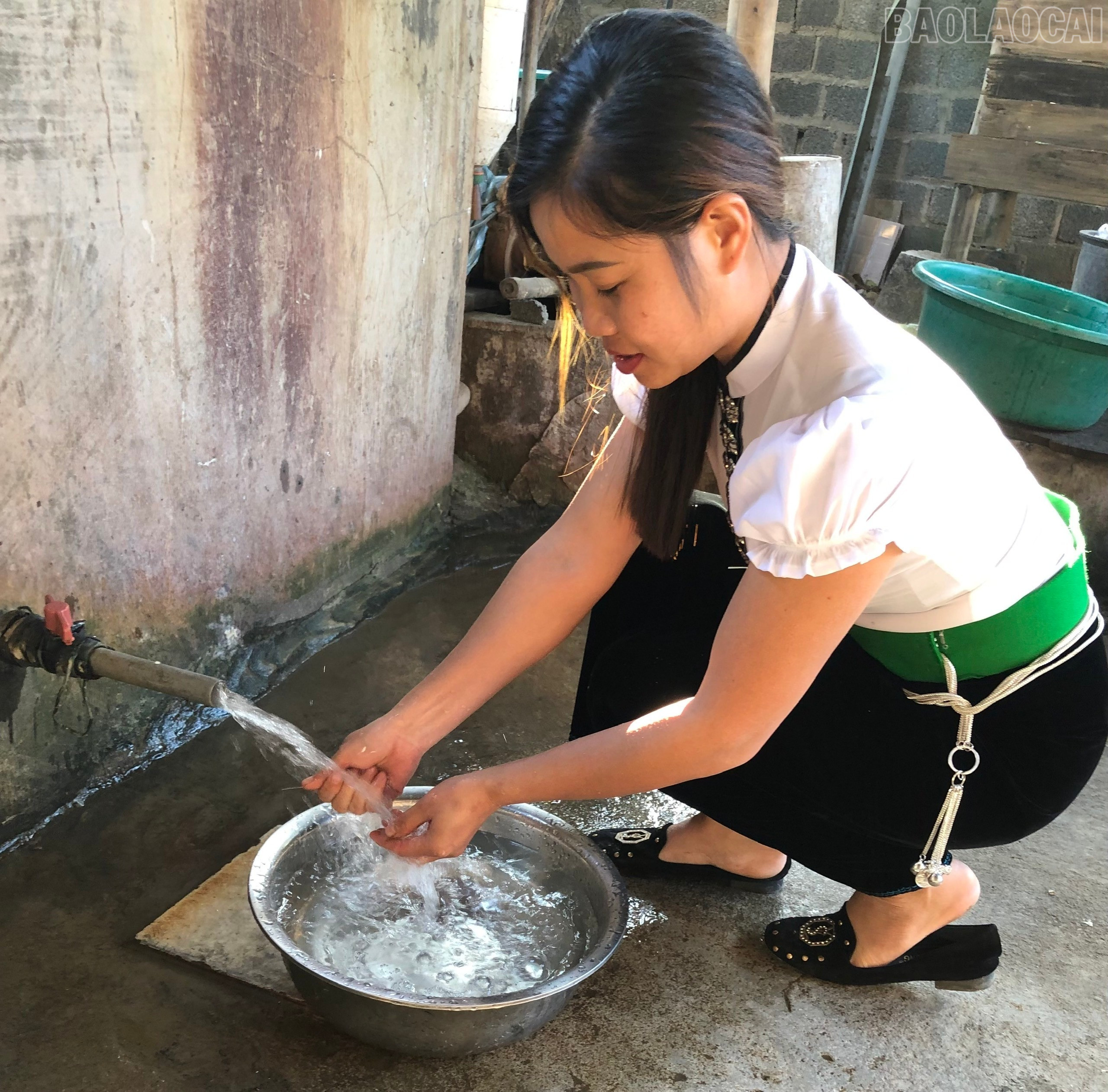
Since the project became operational, the lives of the people have improved significantly, especially since they no longer have to carry water from far away every day.
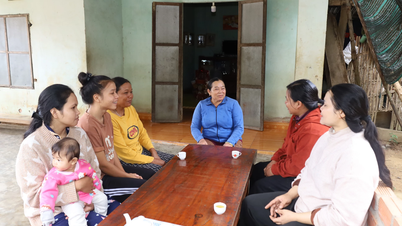
Ms. Dinh Thi Thao, residing in Sang Dom residential area, Trung Tam ward, shared: “Previously, my grandmother, my mother, and even the younger children had to travel several kilometers to fetch water. Since last year, with the supply of clean water from the factory, the residents of the residential area are very happy. Now they no longer have to travel far to fetch water and can use clean water for their daily lives.”
The convenience and safety of having access to clean water have led people to place more trust in the centralized clean water supply system. In areas with clean water systems, people have proactively registered to connect to the system to protect their health and improve their daily living standards.
However, the current system for supplying clean water to villages and hamlets still faces many limitations. The complex terrain makes large-scale investment projects difficult; natural disasters cause landslides and bury pipelines; many facilities are deteriorating due to a lack of maintenance funds; and the management model at the commune level is not professional, leading to unstable operational efficiency. Many households still maintain the habit of using free stream water, so they are not enthusiastic about connecting to the piped water system...
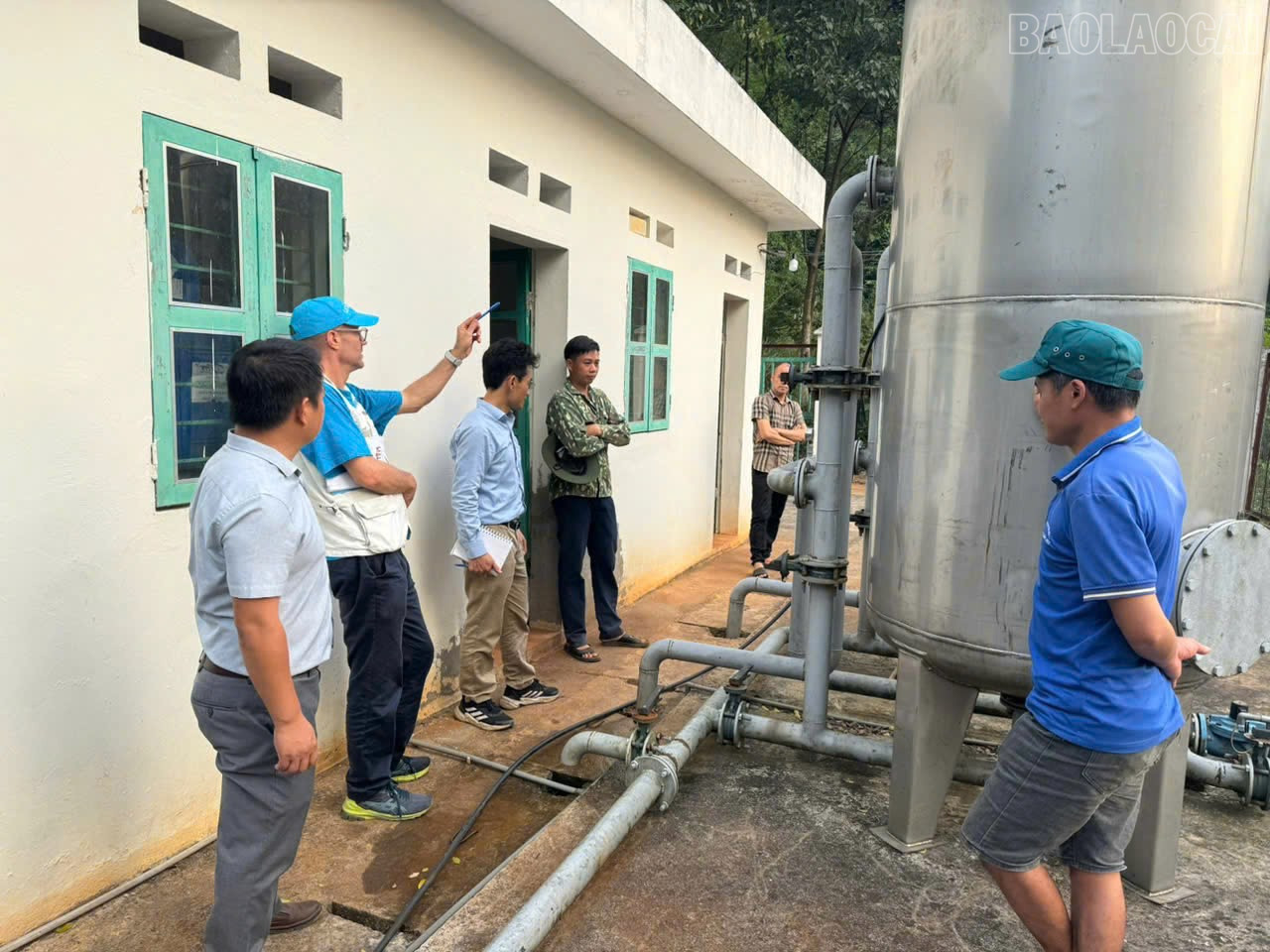
According to Ms. Phan Thi Thu Hien, an official from the Rural Water Supply Department of the Lao Cai Provincial Department of Agriculture and Environment, "The biggest difficulty currently is the inconsistent water quality at small-scale facilities, with many lacking the necessary equipment to meet new standards. Furthermore, the management and operation at the local level are not professional, leading to rapid deterioration of the facilities."
After the two-tiered local government system came into operation, based on the results achieved and the goals set in programs, projects, and action plans, the specialized agency proposed the target of increasing the percentage of rural population using hygienic water sources to 100% by 2026 and maintaining this rate until 2030, with over 50% of rural residents using clean water that meets local technical standards.
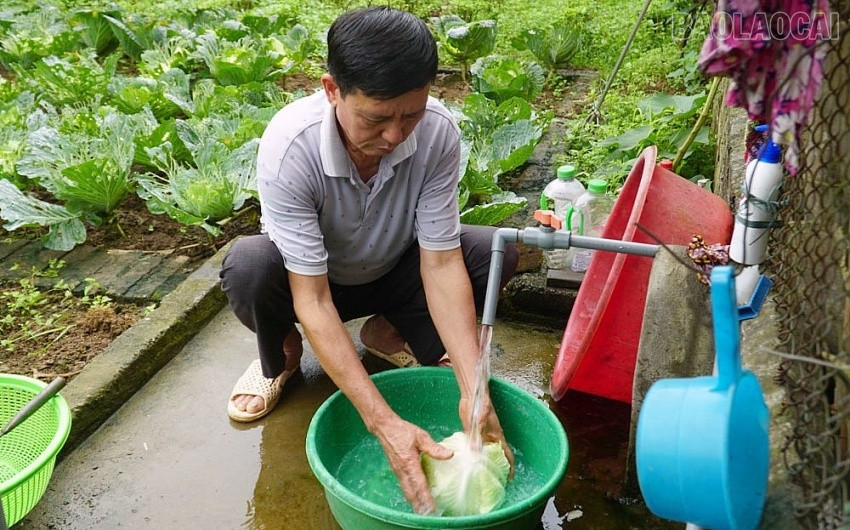
To achieve the above objectives, the province plans to invest in new and upgraded 177 centralized water supply projects with a total estimated investment of over 1,385 billion VND. The province also prioritizes investment in dilapidated facilities and the expansion of water supply models using national target program funds and related projects. Communes that have not yet met the clean water standards according to the New Rural Development criteria will receive special attention to ensure their completion. Simultaneously, the province will implement a water supply network plan tailored to the specific characteristics of mountainous areas, apply advanced water filtration technology, and conduct regular water quality monitoring to ensure safety for the people.
In addition, appropriate models for managing, operating, and maintaining centralized rural domestic water supply systems will be selected; professional management models will be strengthened by public service units and enterprises with the necessary capacity and experience in producing and trading clean water to ensure sustainable water supply efficiency. Regular training courses will be organized for on-site operators to improve skills and the quality of human resources. Digitalization and the application of science and technology will be promoted in the management and monitoring of human resources, customers, and the water supply system, such as using professional software, installing flow sensors, water source cameras, and incident reporting software.
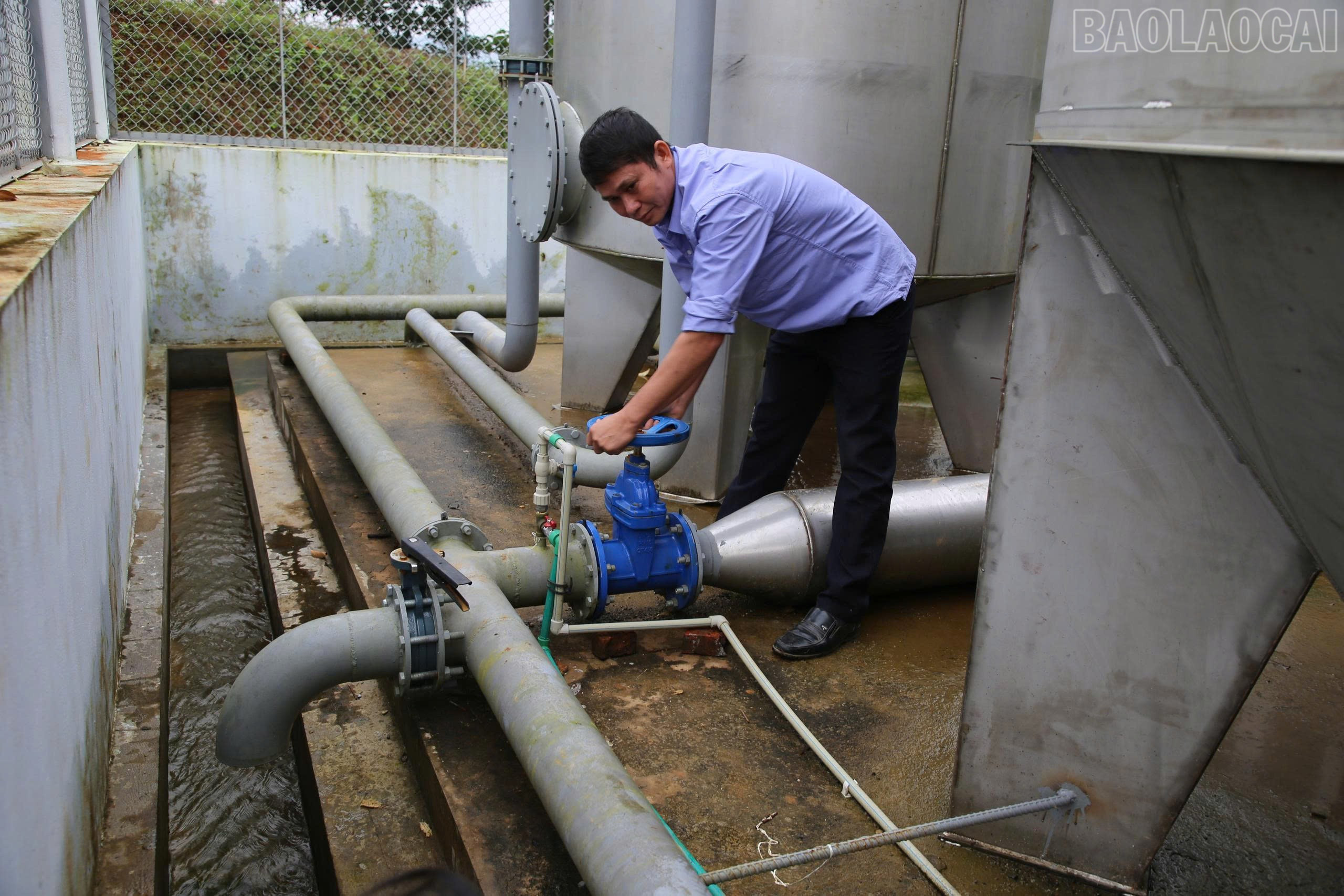
Given limited resources, ensuring access to clean water in remote villages requires perseverance and coordinated efforts among various sectors, localities, and communities. The journey to bring clean water to every village is still long, but with the involvement of all levels of government, project management units, and the people, the goal of improving the quality of drinking water and enhancing the quality of life for people in remote areas is entirely achievable in the near future.
Source: https://baolaocai.vn/no-luc-dua-nuoc-sach-den-thon-ban-post888682.html

![[Photo] Trial run of the election process at polling stations in Dong Da ward (Hanoi)](https://vphoto.vietnam.vn/thumb/1200x675/vietnam/resource/IMAGE/2026/03/12/1773306146728_ndo_br_van-hanh-thu-to-bau-cu-4070-755-jpg.webp)

![[Photo] Hanoi is ready for the "National Festival"](https://vphoto.vietnam.vn/thumb/1200x675/vietnam/resource/IMAGE/2026/03/12/1773305846167_ndo_br_z7612336508628-14627dc7d18cc27532ffea5d4089713b-4105-jpg.webp)































































Comment (0)