Consumption has not yet been expanded.
According to statistics from the Central Office for New Rural Development Coordination (Ministry of Agriculture and Rural Development ), to date, the whole country has over 14,000 OCOP products that have achieved 3 stars or higher, of which more than 72% are 3-star products, 26% are 4-star products, and 2.1% are 5-star and potential 5-star products.
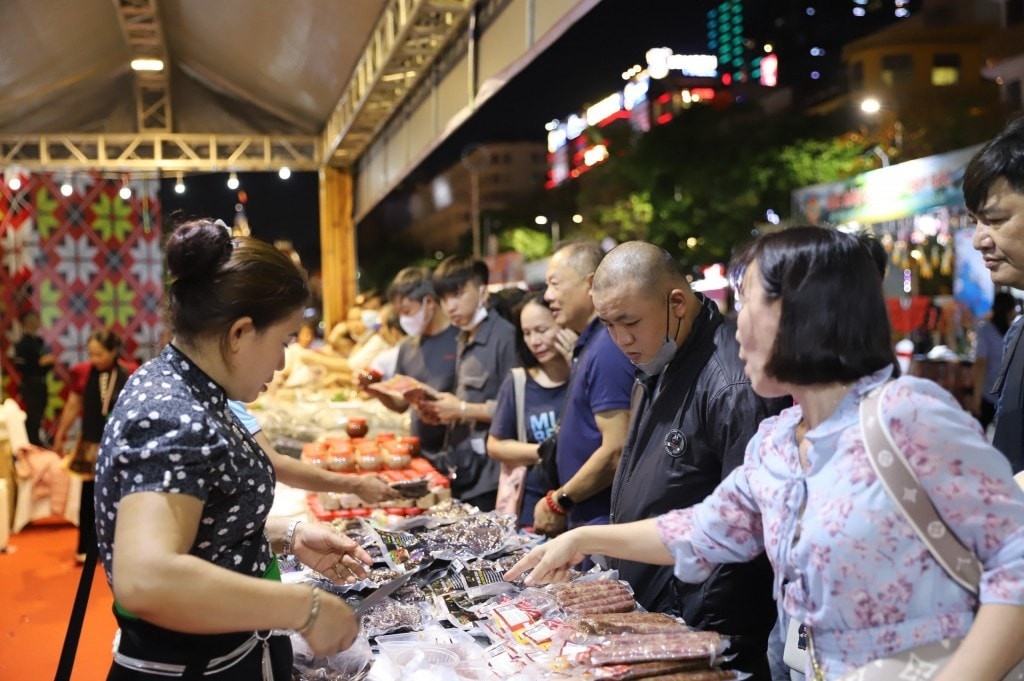 Hanoi City regularly organizes fairs to connect OCOP products with consumers. Photo: Ngoc Ha.
Currently, localities in the Red River Delta region lead in the number of OCOP products, accounting for over 30% of the total OCOP products nationwide. Notably, to date, 7,846 entities have participated in the OCOP program, including 32.8% cooperatives, 22.7% small enterprises, 38.6% production facilities, and the remainder being cooperative groups. Through the program, cooperatives have demonstrated greater dynamism by gradually transforming their operations, focusing on product consumption linked to the development of standardized products, instead of merely providing input services to members as before.
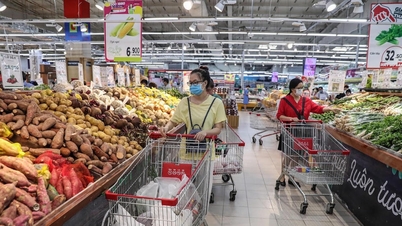
However, many OCOP products, despite being awarded star ratings, fail to maintain their market position, leading consumers to be reluctant to re-apply for star ratings after their validity expires. Notably, introducing OCOP products into supermarket systems is considered a strategic step to expand distribution channels and reach a wider consumer base. Nevertheless, this process faces numerous challenges, especially for products from mountainous and remote areas.
You may also like
Maintain the quality of OCOP products.Renewal and re-evaluation after expiration are mandatory regulations aimed at standardizing and enhancing the value of OCOP brands. However, in many localities, businesses are still hesitant, and some have not even truly focused on investing in improving quality to continue maintaining this title. 
Chau Phu develops OCOP products.Implementing the One Commune One Product (OCOP) program, Chau Phu district selects distinctive local products to exploit, develop, and enhance their value, contributing to production development and improving the economy of the people.
Regarding product output, Mr. Bui Nguyen Anh Tuan, Deputy Director of the Domestic Market Department ( Ministry of Industry and Trade ), stated that the proportion of products from mountainous, remote, and island regions appearing on supermarket shelves and retail systems is currently low. One of the main barriers to product consumption from these areas is the issue of quality. Many agricultural products do not meet the stringent requirements for food safety, traceability, or international standards, making it difficult to compete in modern distribution channels.
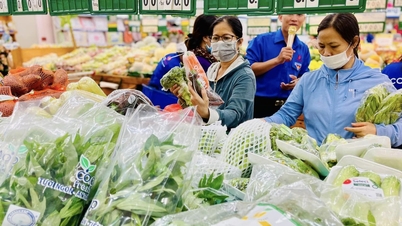
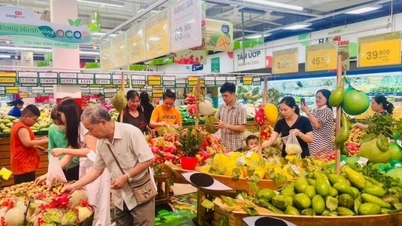
The Central Office for New Rural Development Coordination also stated that OCOP products are mainly consumed through traditional sales channels, with some products beginning to be sold on e-commerce platforms. However, the number of products displayed in shopping malls or supermarkets is still very limited (currently accounting for only about 10% of the total number of OCOP products).
Local authorities need to take the initiative.
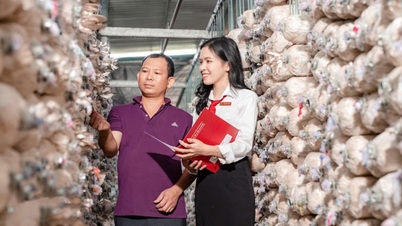
Some OCOP (One Commune One Product) producers argue that selling their products in shopping malls or supermarkets incurs high discounts, leading to increased prices and making it difficult to compete with foreign goods. Furthermore, the connection between producers and retailers is not yet effective… Notably, some supermarkets are not enthusiastic about stocking OCOP products. Therefore, to develop OCOP products, producers must first continuously innovate their production and processing processes to improve product quality. In addition, relevant authorities need to strengthen support for promotional activities, trade promotion, and connecting supply and demand for OCOP products; and promptly establish a business-producer linkage chain and develop diverse product distribution channels…

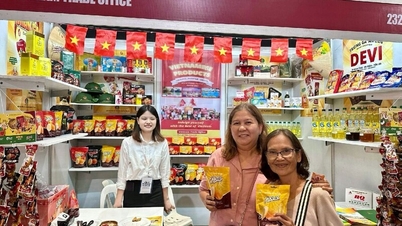
Strengthening the friendship between Vietnam and the United States.On July 3rd, as part of the Pacific Partnership - Friends of the Pacific 2026 program, the U.S. Army Pacific delegation, led by Lieutenant General Joel Vowell, Deputy Commander of the U.S. Army Pacific, paid a courtesy visit to the Quang Tri Provincial Military Command. Recently, Hanoi has not only become a shining example and leader in the development of the OCOP program, but also a locality with many breakthroughs in trade promotion, bringing OCOP products closer to the people. Accordingly, in the context of difficulties in marketing local agricultural products and specialties, trade promotion has been actively undertaken by relevant agencies. Accordingly, Hanoi's departments and agencies have continuously organized festivals, fairs, and exhibitions linking culture with tourism and traditional crafts, introducing and promoting OCOP products from the capital and the whole country. Notable examples include: the Hanoi Tourism Festival, the Hanoi Gift Festival, the Hanoi Culinary and Traditional Craft Village Tourism Festival, the Hanoi Fruit Festival, the first Hanoi Lotus Festival in 2024, the first Hanoi Ornamental Plants Festival in 2024… Most recently, there was the Specialty Market for Gifts, Handicrafts, and OCOP products in the capital. As a result, thousands of local OCOP products and traditional craft villages have been introduced and promoted, becoming favorite destinations for a large number of customers.
Recognizing the benefits that the fair brings to OCOP (One Commune One Product) businesses, Vice President of the Vietnam Retailers Association Tran Thi Phuong Lan stated that organizing the fair aims to strengthen support for promoting products manufactured in Vietnam to stimulate domestic consumption, increase total retail sales of goods and services, and stabilize the market, especially during the year-end period. In addition, the fair contributes to connecting distributors, shopping centers, supermarkets, wholesale markets, e-commerce platforms, etc., to directly transact with participating businesses, learn about products, production capacity, and supply capabilities. Through this, they can find sources of goods for distribution systems; negotiate and sign cooperation agreements and contracts for product supply and consumption.