Despite appearing to be a highly toxic substance, Amazonian scorpion venom contains peptides capable of 'hunting down' and destroying breast cancer cells.
Báo Khoa học và Đời sống•24/06/2025
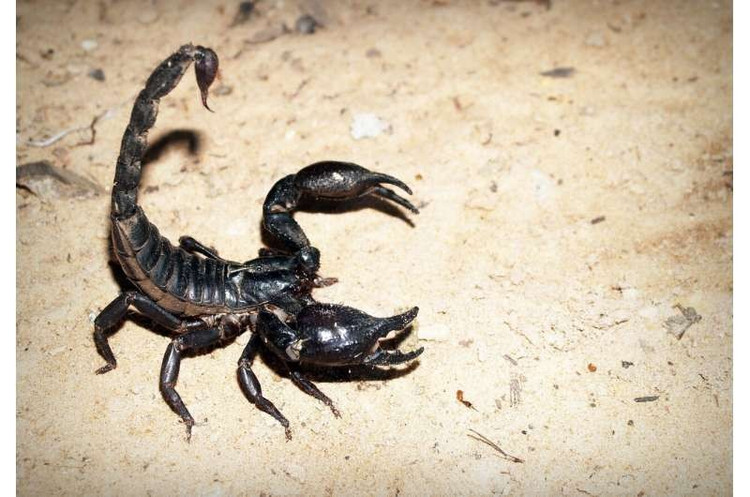
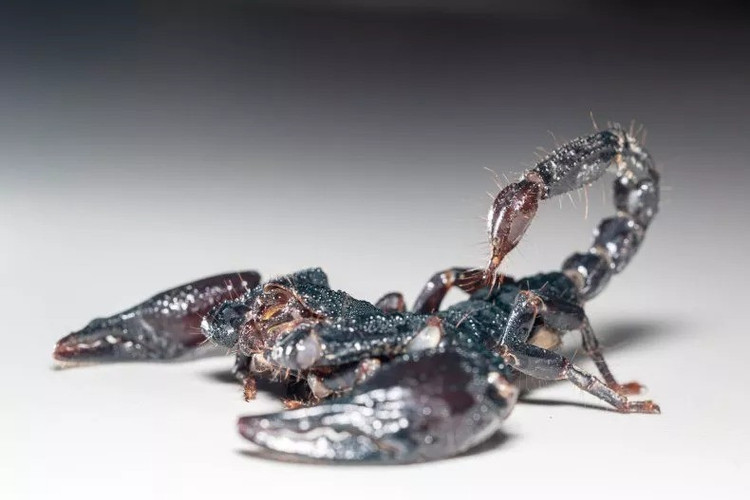
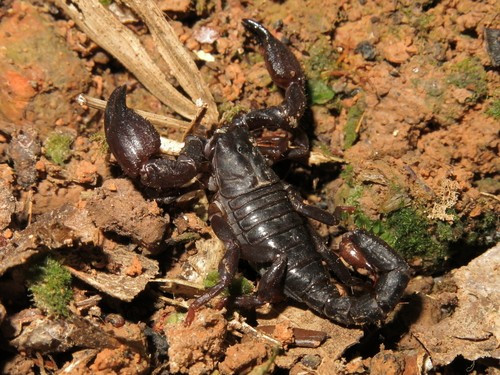
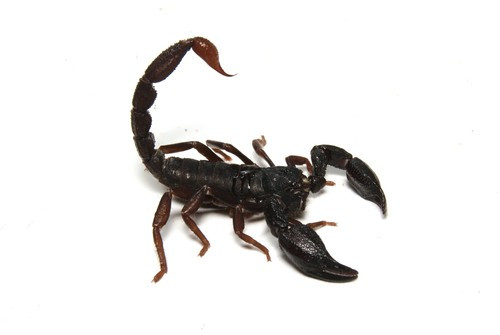
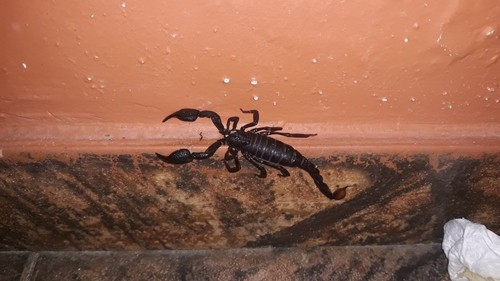
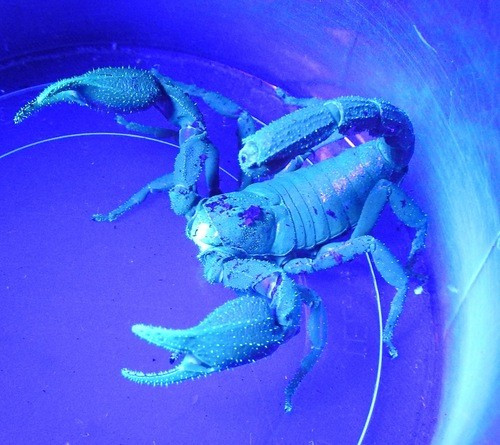
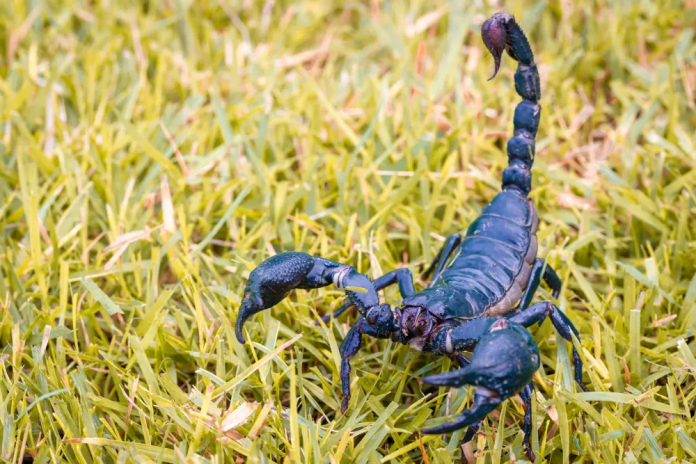
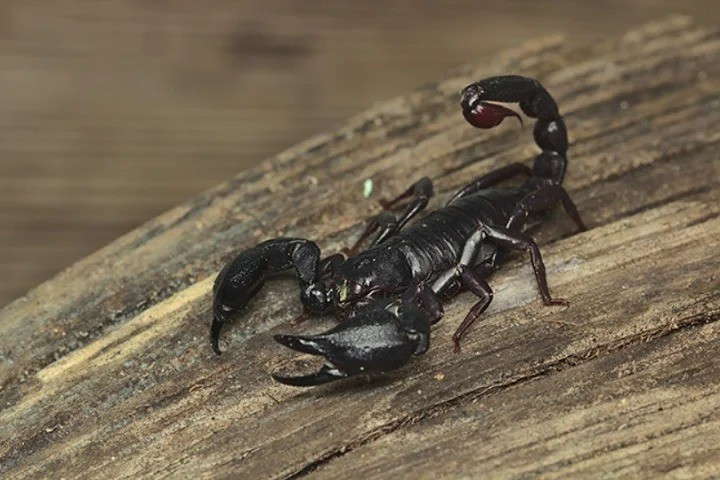
Scientists at the Ribeirão Preto School of Pharmaceutical Sciences (FCFRP-USP) of the University of São Paulo, Brazil, have identified that the venom of the scorpion Brodtheas amazonicus, which lives in the Amazon rainforest, contains a peptide capable of killing breast cancer cells. (Image: CC0 Public Domain) The preliminary results of the study were conducted in collaboration with experts at the National Institute for Amazonian Research (INPA) and Amazonas State University (UEA). Photo: Sinhyu/iStock/Getty Images Plus.
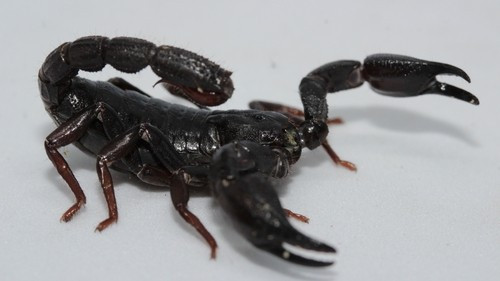
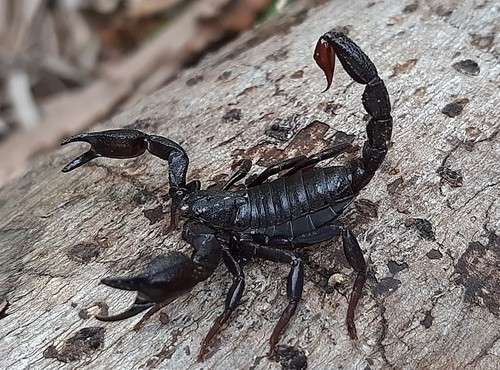
Professor Eliane Candiani Arantes at the University of São Paulo said the research team applied bioprobe methods to examine more than a hundred molecules in the venom of the scorpion Brotheas amazonicus. Photo: Pedro Ferreira Bisneto. Research results reveal that a peptide called BamazScplp1 from the scorpion species Bromheas amazonicus has the ability to cause necrosis of breast cancer cells, a mechanism similar to many chemotherapy drugs but more selective and potentially with fewer side effects. Photo: Rogério Gribel. Instead of activating the self-destruction program, BamazScplp1 of the scorpion species Brodtheas amazonicus causes cancer cells to "break apart," releasing debris that the immune system can easily recognize and process. Photo: Fábio Olmos.
Thanks to this necrotic property, cancer cells don't have time to activate their endogenous resistance mechanisms, which is the main reason for treatment failure with some current chemotherapy drugs. Photo: Rodrigo Tinoco. The research team identified the gene segment encoding the serinoprotease enzyme responsible for producing BamazScplp1 in the scorpion Brodtheas amazonicus. Instead of directly collecting venom from scorpions, which is difficult to do on an industrial scale, the scientists used a cross-expression method. They introduced the protein-producing gene into Pichia pastoris yeast cells to produce the peptide in large quantities in the laboratory. Photo: Sandro Rod e Mor. Pichia pastoris is a yeast species widely used in genetic engineering due to its high expression of foreign proteins, low cultivation costs, and ease of collecting post-fermentation products. After transferring the BamazScplp1 gene into the yeast, the research team obtained a peptide with high purity, meeting the testing standards. Initial results showed that BamazScplp1 maintained its cancer cell necrosis activity, equivalent to the peptide sample extracted directly. Photo: Rogério Gribel.
Alongside peptides from scorpion venom, Brazilian scientists at the Center for Venom and Venomous Animal Research (CEVAP) at USP are developing a bio-adhesive from snake venom combined with fibrinogen-rich cryoprecipitate. This product is currently in Phase III clinical trials for applications in nerve rehabilitation, bone injury treatment, and spinal cord injury treatment. (Image: bhaovivo) Professor Arantes believes that simultaneously extracting multiple enzymes and peptides from different venom sources could allow for the synthesis of a new generation of "bio-super glue," which would both promote wound healing and inhibit cancer cells in the affected area. (Image: Divulgacao/Thiago G. Carvalho)
Readers are invited to watch the video : More new species discovered in the Mekong River region. Source: THĐT1.

 Báo Khoa học và Đời sống•24/06/2025






![[Photo] Ho Chi Minh City decorated with flags and flowers ahead of election day.](https://vphoto.vietnam.vn/thumb/1200x675/vietnam/resource/IMAGE/2026/03/13/1773392076518_anh-man-hinh-2026-03-13-luc-15-53-29.png)

![[Photo] Prime Minister Pham Minh Chinh attends the inauguration ceremony of the Vietnam Space Center.](https://vphoto.vietnam.vn/thumb/1200x675/vietnam/resource/IMAGE/2026/03/13/1773397068038_ndo_br_dsc-3366-jpg.webp)























































































Comment (0)