The neck of a pig is the site used for blood collection during slaughter, making it prone to blood clots. It also contains many lymph nodes that function to filter and retain bacteria, parasites, and other residual substances in the animal's body.
A study published in the Journal of Pharmacology and Medicine showed that thyroid tissue in the neck of pigs contains hormones such as thyroxine and triiodothyronine. American endocrinology literature assesses that excessive absorption of pig thyroid hormones can lead to toxicity. Symptoms include rapid heartbeat, hand tremors, excessive sweating, insomnia, restlessness, and arrhythmias in severe cases. Individuals with cardiovascular disease or unstable blood pressure are more susceptible to this reaction.
Even when simmered or cooked for a long time, these toxic substances can still persist.
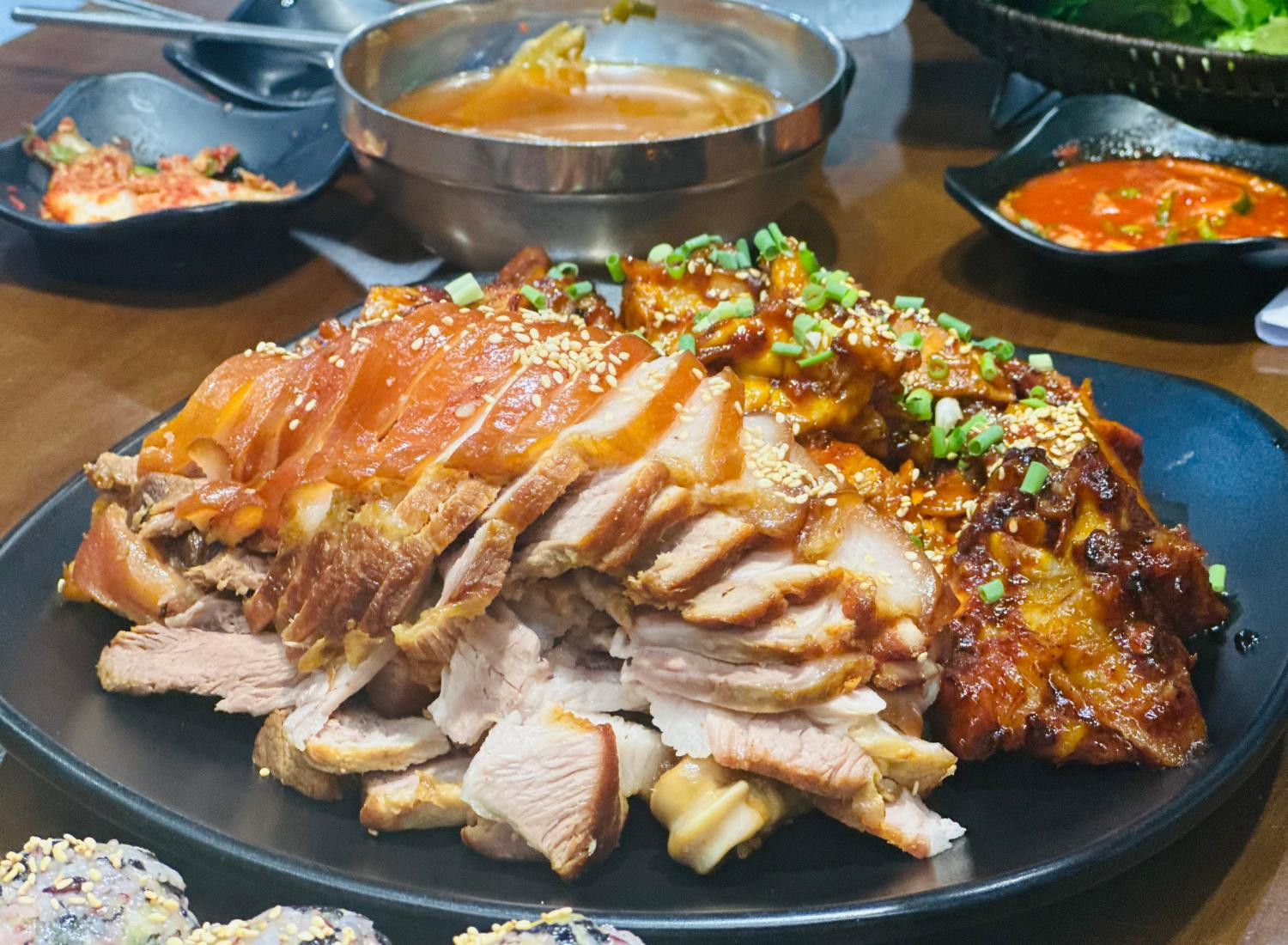
To ensure food safety, slaughterhouses are recommended to completely remove lymph nodes and thyroid glands before pork is released to the market. The US inspection system requires the inspection and removal of unsuitable tissues and organs before products are allowed to circulate. Therefore, meat with a quarantine stamp and sold at legitimate establishments generally does not pose these risks.
However, risks can still exist with meat from unknown sources. In some cases, unprocessed neck meat may be mixed with other types of meat or ground into minced meat, making it difficult for consumers to identify with the naked eye.



Therefore, experts advise people not to buy pre-ground meat or meat of unknown origin just because it's cheap. Instead, you should choose meat from markets, supermarkets, or reputable businesses to significantly reduce the risk of putting unsafe products on your family's dinner table.
How to identify lymph nodes in pork neck meat:
- Usually small oval or round blocks
- Off-white, light gray, or slightly yellow
- Firmer than fat but softer than cartilage
- When cut, the cross-section is quite uniform, without the muscle fibers found in meat.



If you buy pork neck, cheek, or head meat, you might encounter leftover lymph nodes. If you find them, simply cut away the node and some surrounding tissue with a knife before cooking; do not intentionally use the nodes as food.
Source: https://vietnamnet.vn/phan-thit-lon-can-duoc-che-bien-can-trong-2528556.html
![[Image] A look back at the capital's preparations for the century-long master plan.](https://vphoto.vietnam.vn/thumb/1200x675/vietnam/resource/IMAGE/2026/06/29/1782750453122_quy-hoach-100-nam-minh-duy-1-2118-jpg.webp)

![[Photo] National Assembly Chairman Tran Thanh Man attends the Conference to announce the Master Plan for Hanoi Capital City with a 100-year vision.](https://vphoto.vietnam.vn/thumb/1200x675/vietnam/resource/IMAGE/2026/06/29/1782709639728_ndo_br_1-jpg.webp)

![[Photo] General Secretary and President To Lam works with the Party Committee of the Government on the work of preventing and combating storms, floods, extreme natural disasters and climate change.](https://vphoto.vietnam.vn/thumb/1200x675/vietnam/resource/IMAGE/2026/06/29/1782729441945_a1-bnd-0385-9454-jpg.webp)


































































![[Image] Building an elevated road through the Ma Da forest.](https://vphoto.vietnam.vn/thumb/402x226/vietnam/resource/IMAGE/2026/06/29/1782724737750_anh-man-hinh-2026-06-29-luc-16-18-43.png)