 |
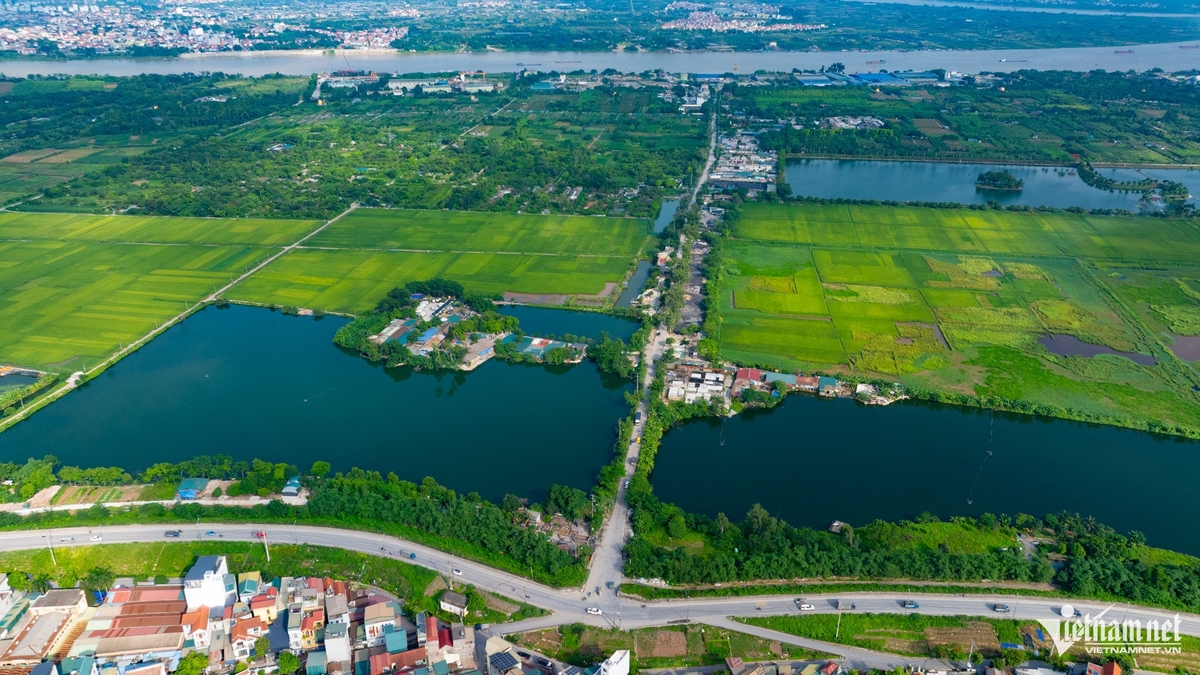
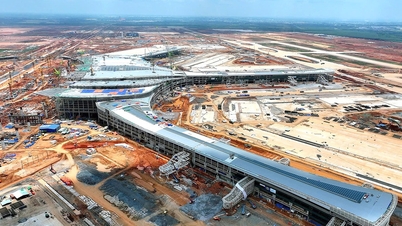
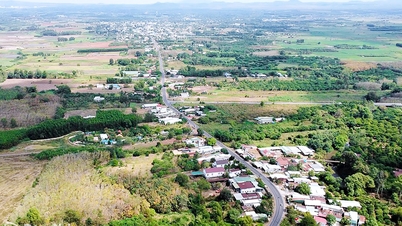
| Dong Nai province is implementing a series of strategic transportation infrastructure projects to develop its socio -economic sector and effectively utilize land resources. (In the photo: A view of Nhon Trach ward. Photo: Hoang Loc) |
This is a particularly important resource, playing a strategic foundational role in socio-economic development, creating momentum for the youngest city in the country to expand its comprehensive and long-term development space.
Large land bank in a strategic location.
Compared to other cities in Vietnam, Dong Nai stands out for its advantageous natural area. Not only does it have a large land reserve, but Dong Nai is also strategically located, serving as a gateway to the Southern key economic region, connecting the South with the Central Highlands and the South Central coastal region, opening up vast inter-regional development opportunities.
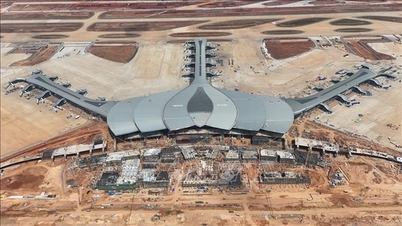
The synergy between abundant land resources and a strategic location allows Dong Nai to favorably establish key development corridors, especially the trade and logistics axis connected to Long Thanh International Airport. From here, industrial zones, urban areas, and agricultural and forestry production areas can effectively connect with the airport, seaports, and international border gates, contributing to enhanced competitiveness and promoting regional linkages.
In terms of land use, agricultural land currently accounts for nearly 84% of Dong Nai's natural area. Of this, land for perennial crops accounts for a large proportion, concentrated in the north and east of the city. This is the core area for developing large-scale commercial agriculture, forming a stable raw material source for the processing industry and opening up opportunities for the development of high-tech agriculture and low-carbon agriculture linked to agricultural product logistics chains.
Furthermore, Dong Nai boasts the largest area of forest land in the Southern region, with a system of world biosphere reserves, national parks, and nature and cultural conservation areas playing a crucial role in protecting ecosystems, regulating climate, and managing water resources. Thanks to its extensive and continuous forests and effective biodiversity conservation efforts, Dong Nai is considered the "green lung" of the region, creating opportunities for the development of forest-based economic activities, forest environmental services, and increased carbon sequestration capacity.
In the non-agricultural sector, the large land area and strategic location provide a foundation for the city's development of new urban areas, industries, and logistics services. This also serves as a basis for the transition to high-tech industries, clean industries, and the development of trade, services, and ecotourism.
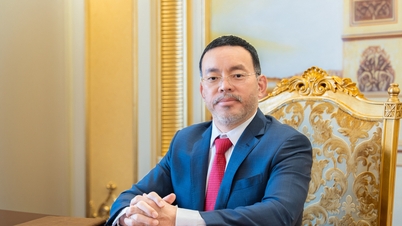
Dr. Ngo Viet Nam Son, a scientist and architect (Chairman of Ngo Viet Architects & Planners), commented: With its vast land resources distributed relatively continuously and its favorable geographical location, Dong Nai has many conditions to restructure its urban development space towards a modern, civilized, and sustainable direction. According to Dr. Son, land is a special resource and a strategic foundation for the locality's breakthrough.
Maximizing the effective use of land resources.
Land is intrinsically linked to all socio-economic activities. Possessing a large land reserve in advantageous locations is a potential asset for Dong Nai to further expand industrial zones, develop modern urban areas, plan high-tech agricultural zones, and protect and develop forest areas. These are crucial drivers for the city to become a leading growth hub in the country.
Dong Nai City currently has a total natural area of over 12,700 km² (equivalent to more than 1.27 million hectares), of which agricultural land accounts for over 1 million hectares, non-agricultural land nearly 205,000 hectares, and the remainder is unused land; it has the largest land fund among the 7 cities and ranks 9th among the 34 provinces and cities nationwide.
According to Vo Tan Duc, Deputy Secretary of the Dong Nai City Party Committee: Land is a special, irreplaceable means of production and a core foundation in agriculture and forestry; it is also a strategic foundation for organizing residential space and protecting ecosystems. Given the demands of transforming the growth model, the effective management, allocation, and exploitation of this resource plays a decisive role, directly creating room for development and contributing to preventing waste and loss. It is necessary to regularly review and address slow-progressing projects, stalled constructions, and vacant land, linking them with solutions to transform them into development resources. Land management should be modernized based on digital data and technology; ensuring transparency and openness to control speculation and profiteering, and limit the artificial inflation of land prices.
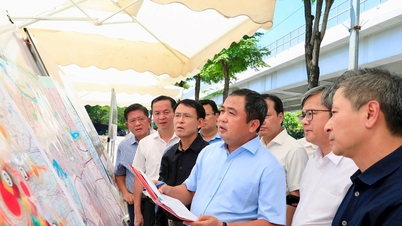
During numerous working sessions with various departments and agencies, Deputy Secretary of the City Party Committee and Chairman of the People's Committee of Dong Nai City, Nguyen Van Ut, also noted: To ensure land truly becomes a key resource, it is necessary to strictly and effectively implement approved plans, ensuring consistency, stability, and a long-term vision. Improve the effectiveness and efficiency of state management of land; enhance transparency and accountability, and strictly control all stages including land allocation, land leasing, and land use conversion. Promote administrative reform and remove bottlenecks in mechanisms and policies. This will unlock and effectively allocate land resources, creating momentum for sustainable development and improving the quality of growth.
Currently, land allocation and utilization in Dong Nai are linked to two main growth drivers. Firstly, sustainable industrial development, focusing on attracting strategic, new-generation investors; filling existing industrial parks and developing potential ones, prioritizing high technology, green industries, and supporting industries. Secondly, service development, with a core being a comprehensive service city connected to Long Thanh International Airport, forming an aviation-logistics-commerce-tourism ecosystem to maximize land use efficiency and create a ripple effect for the locality and the entire region.
For agricultural land, the city prioritizes development in a modern direction, promoting circular production models, applying high technology and organic farming. Non-agricultural land will be prioritized for infrastructure such as transportation, energy, logistics, digital infrastructure and sustainable urban development.
Land allocation and utilization are also linked to national defense and security tasks, and the protection of unique cultural spaces, in order to achieve harmonious and sustainable development goals.
Hoang Loc
Source: https://baodongnai.com.vn/kinh-te/202605/phat-huy-nguon-luc-dac-bietcua-thanh-pho-b68027c/







































































Comment (0)