


 |
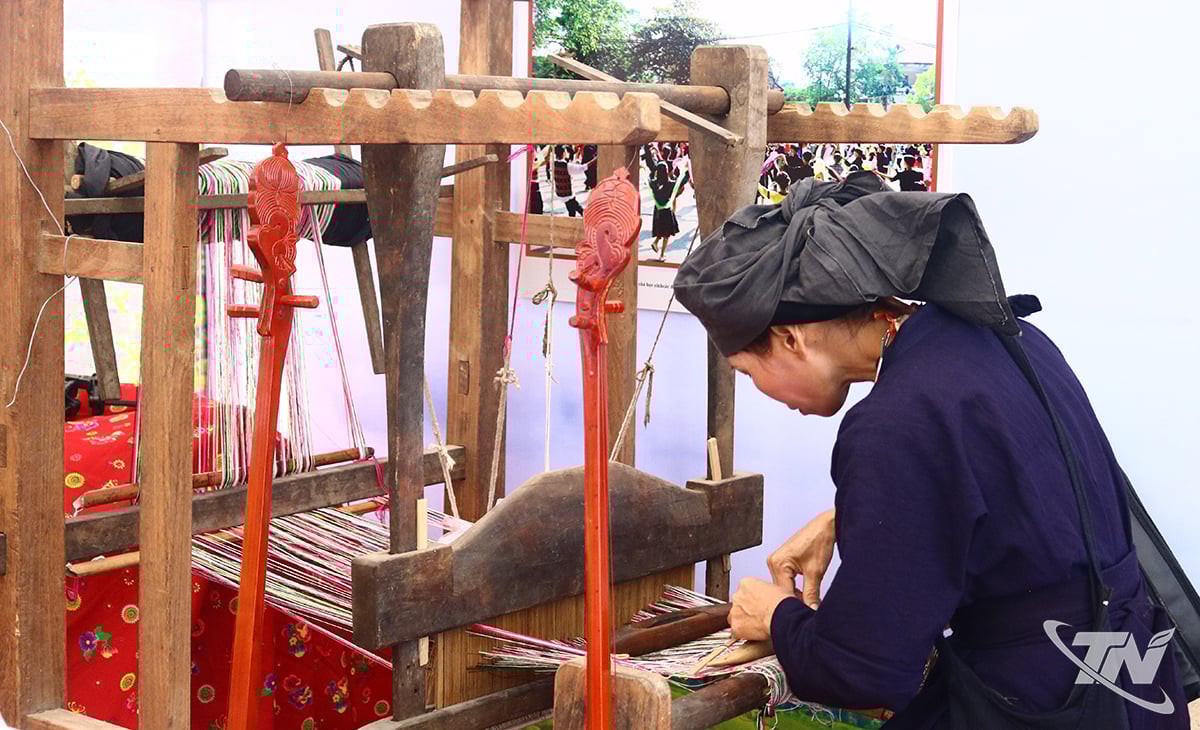
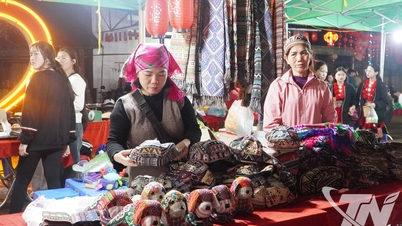
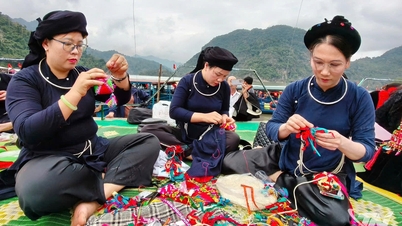
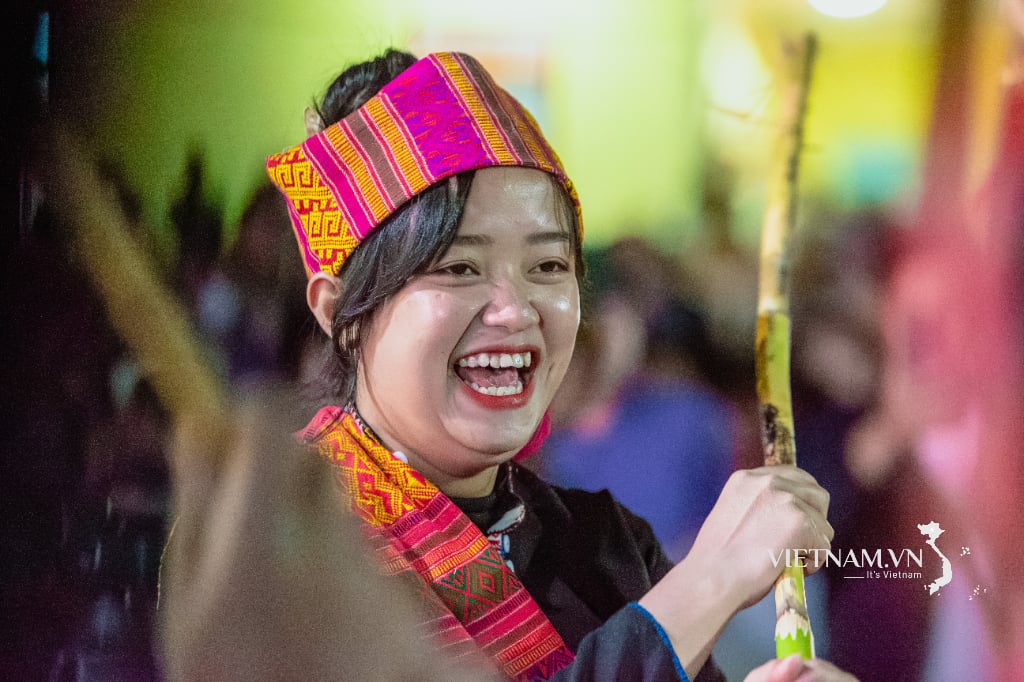
Through tourism , the traditional weaving craft of the local people has been revived. |
For many years now, tourism has been gradually asserting its position and role as an important economic sector of the province. Many tourism models in ethnic minority areas have clearly demonstrated their potential and strengths.
Sharing with us, Mr. Nguyen Tung Lam, Head of the Tourism Management Department (Department of Culture, Sports and Tourism), affirmed: The cultural beauty of ethnic minorities is an invaluable resource, playing a particularly important role in the development of the tourism industry. In recent times, localities have focused on effectively exploiting these values, transforming local culture into a highlight that attracts tourists and creates a driving force for socio-economic development.
Currently, Thai Nguyen province has 39 ethnic groups living together in harmony across 92 communes and wards, with nearly 1.8 million people. The eight largest ethnic groups are: Kinh, Tay, Nung, San Diu, San Chay, Dao, Mong, and Hoa.
Ethnic communities still preserve a rich and diverse treasure trove of cultural values, from customs and traditions to festivals, costumes, and indigenous knowledge, creating unique resources for tourism development.
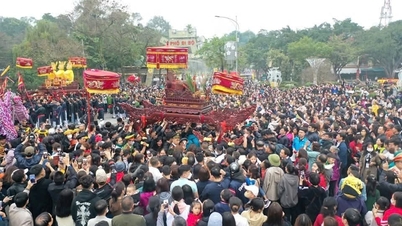
The province has 336 festivals and 709 intangible cultural heritage sites, many of which are effectively preserved, restored, and promoted, reflecting the values of various ethnic groups.
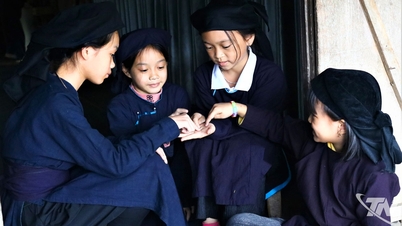
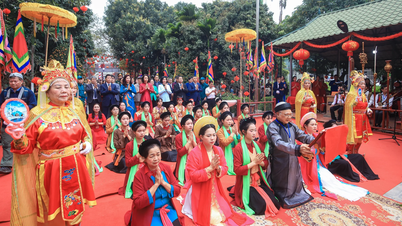
For example, the Hmong people have the art of playing the khene (a type of bamboo flute) and the Gau Tao festival; the Dao people have the coming-of-age ceremony, the New Year's dance, Pao Dung singing, and embroidery; the Tay and Nung people are notable for their then singing, luon singing, coi singing, and stilt house architecture; the San Diu people have soong co singing and the Dai Phan ceremony; the San Chay people have Tac Xinh dance and sang sang co…
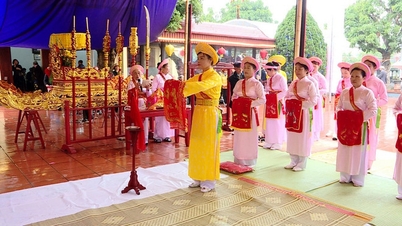
Many ethnic groups maintain the coming-of-age ceremony, a sacred ritual marking a man's maturity. This ceremony not only holds religious value but also provides moral education, strengthens unity, and fosters national pride.
Therefore, this ritual is gradually becoming a unique tourism product, attracting the attention of many tourists.
In practice, many community-based tourism models have been supported to form and develop. Some households with ancient stilt houses in Na Tuong village (Na Ri district) and Khau Dang village (Bang Thanh district) have received support for repairs, collection, and restoration of traditional labor activities such as weaving and rượu (rice wine) making; establishing cultural clubs; installing wifi; and training local people in tourism skills.
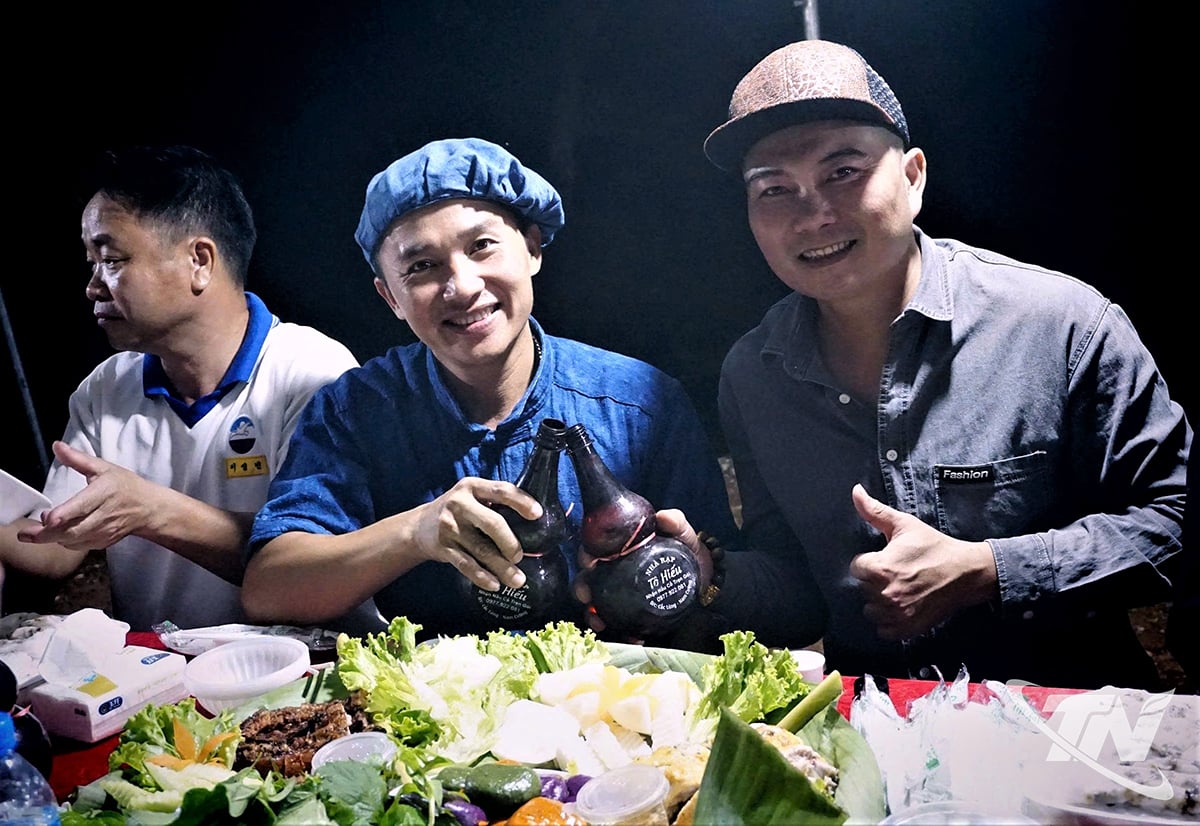 |
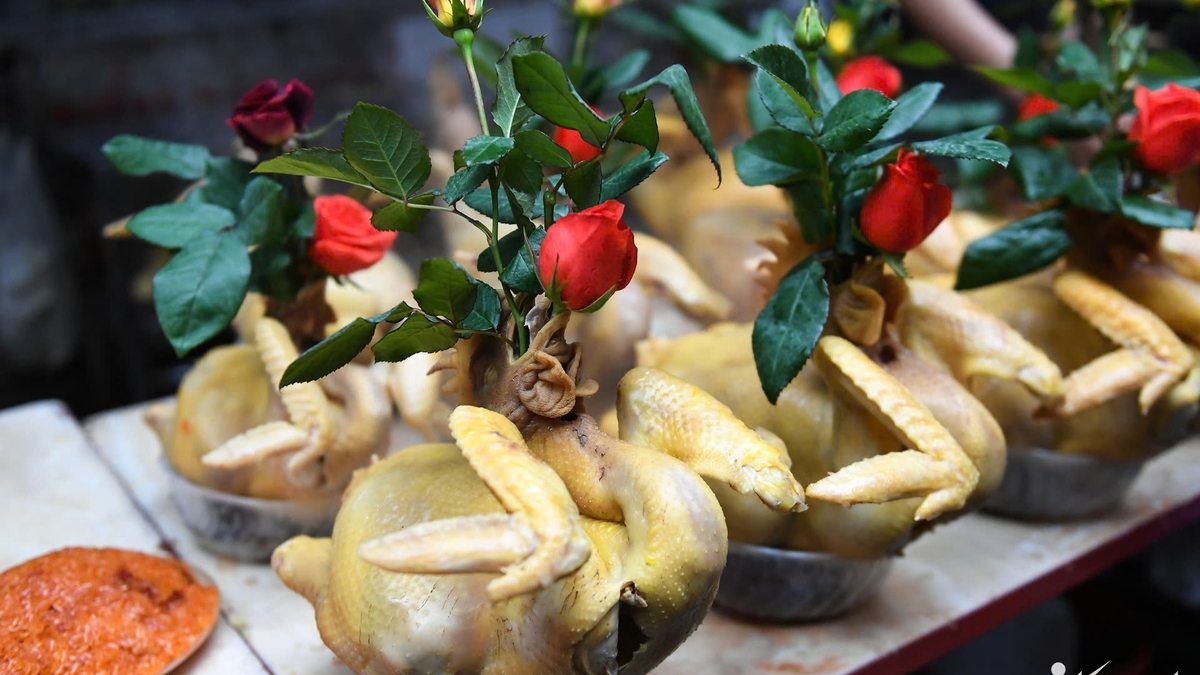
| Tourists are excited about the traditional cuisine of the ethnic minority groups. |
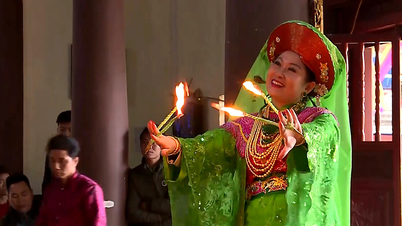
Mr. Nong Van Phuc, a household involved in tourism, shared: "Through tourism, we have more opportunities to preserve and promote the cultural values of our ethnic group through performances for tourists. Connecting the cultural identity of ethnic minorities with tourism development has created a significant change in people's lives."
Many exemplary models, such as the Thai Hai Ethnic Ecological Stilt House Village Conservation Area (Tan Cuong); Pac Ngoi village (Ba Be); and Ban Quyen village (Phu Dinh), have become shining examples.
To develop tourism in ethnic minority areas to its full potential, provincial authorities and departments have actively promoted it through various media channels, widely introducing the unique cultural values of each community to domestic and international tourists.
Alongside this, emphasis is placed on cultivating skills and habits for civilized and professional tourism among local people at tourist destinations. This is an important direction to make culture a driving force for sustainable tourism development, helping local communities preserve their identity and improve their quality of life.
Source: https://baothainguyen.vn/van-hoa/du-lich-thai-nguyen/202512/phat-trien-du-lich-vung-dong-bao-dan-toc-thieu-so-999617f/























































Comment (0)