Sustainable forest management
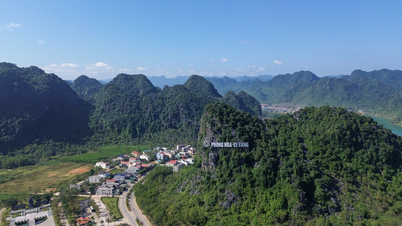
Quang Tri province currently has nearly 953,000 hectares of forest and forestry land, accounting for over 75% of the province's total natural area. Of this, over 773,000 hectares are forested, with a forest cover rate of 61.01%. Forest management and protection in the province are always given priority by all levels of government and local authorities, implemented comprehensively through various solutions to protect the existing forest area. Furthermore, forest patrols, inspections, and controls are carried out regularly, focusing on key areas, border regions, and areas with a high risk of violations.
The Quang Trach Protective Forest Management Board is responsible for managing over 12,684 hectares of forest and forestry land, distributed across four communes: Phu Trach, Hoa Trach, Trung Thuan, and Nam Ba Don. Forest protection is always considered a key and urgent task by the unit. Therefore, from the beginning of the year, the unit has promptly implemented specific tasks for its departments and all its staff and employees.
In the first six months of 2026, the unit conducted a review and updated the status of forests and forest land across the entire area under its management; strictly managed forest boundaries and areas according to records, maps, and field observations; and promptly detected changes in forests and forest land to limit encroachment and misuse of forest land. Patrols, inspections, and forest protection activities were strengthened, especially in key areas, border regions, and areas with a high risk of violations of forestry laws.
 |
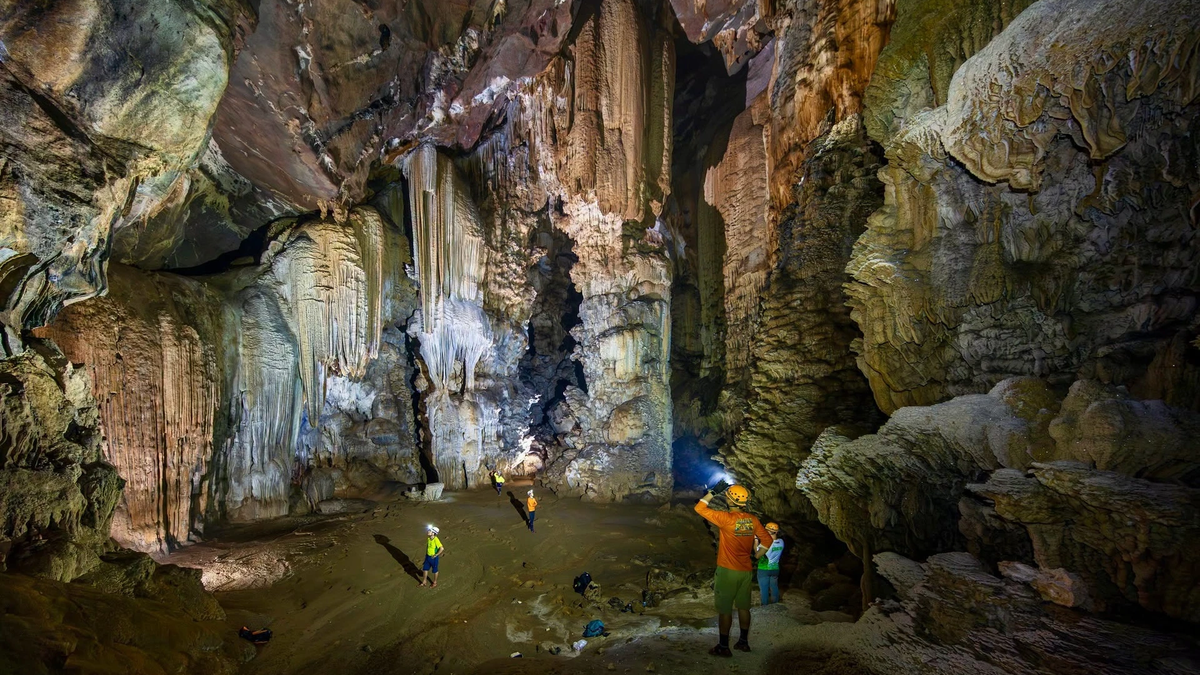
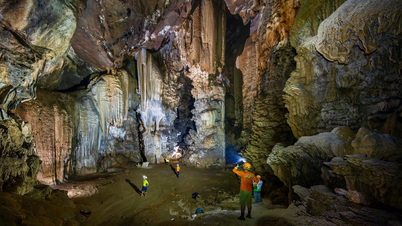
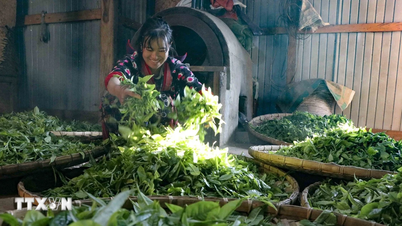
| Quang Tri province has great potential and advantages for developing planted forest raw material areas - Photo: QV |
According to Le Ngoc Duan, Deputy Director of the Quang Trach Protective Forest Management Board: “The unit has organized 60 patrols and inspections of forest protection; coordinated 4 inter-agency patrols, and conducted 5 thematic inspections on forest protection work in areas under its management. In addition, coordination with the Forest Ranger force, local authorities, and the community continues to be maintained, contributing to improving the effectiveness of forest management and protection and maintaining forest security in the area.”
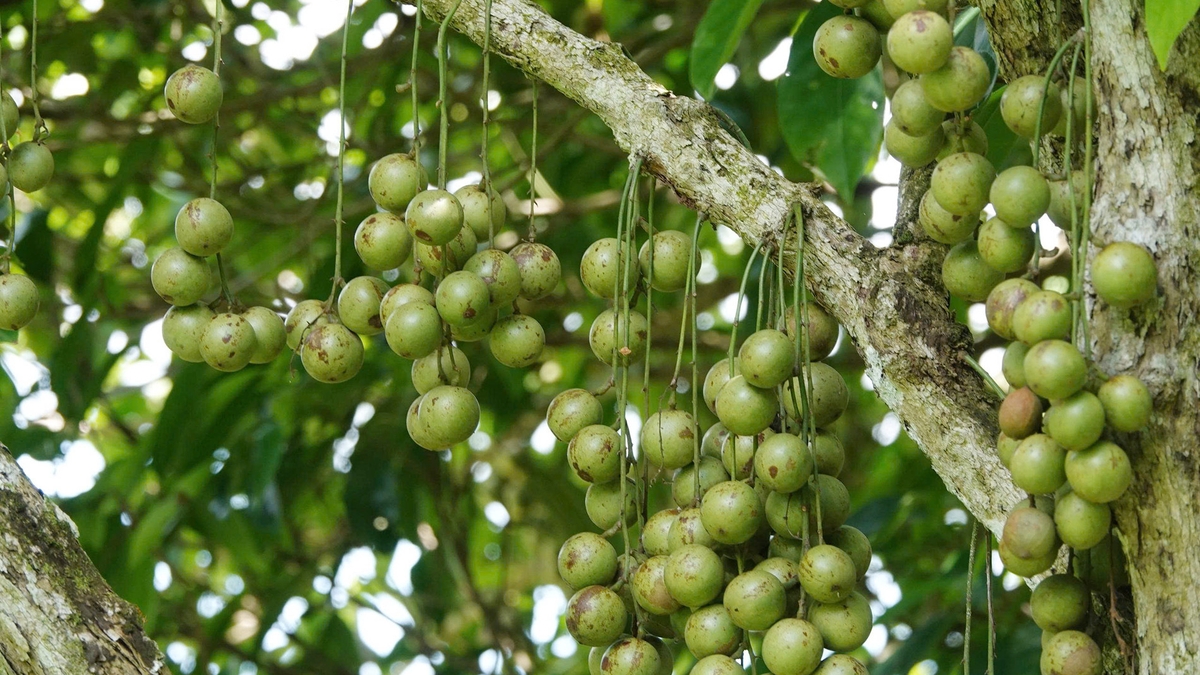
Along with management, forest protection and development work has always been actively implemented. In the first five months of 2026, the total area of forest planting in the province is estimated at 8,688 hectares, with 48,125 hectares of planted forests under care, and 1.44 million scattered trees planted. Notably, the area of large-timber plantations in the province is increasing annually, reaching over 23,500 hectares to date, and is expected to add approximately 1,100 hectares in 2026. The area of planted forests certified for sustainable forest management reached 58,746 hectares, creating a competitive advantage for domestic and export timber resources.
The work of reforestation has been given priority. In 2026, the province assigned a reforestation plan to localities and units with an area of 1,781 hectares. Currently, localities and units are conducting surveys, preparing technical design documents and cost estimates for appraisal and approval.
Developing the forestry economy along the value chain.
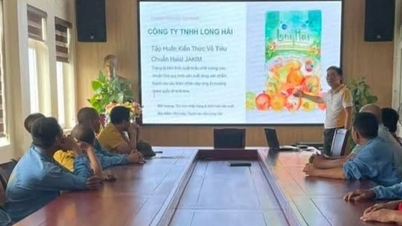
According to Nguyen Van Long, Head of the Provincial Forest Protection Department, in recent years, all levels, sectors, and localities have implemented the restructuring of forestry production, shifting from small-scale production to the formation of cooperatives and production groups, while changing the mindset from increasing output to increasing quality and value. Many scientific and technical advancements have been applied in production, such as using high-quality seeds in production forest planting, intensive cultivation of planted forests, and the conversion from planting small timber to large timber production.
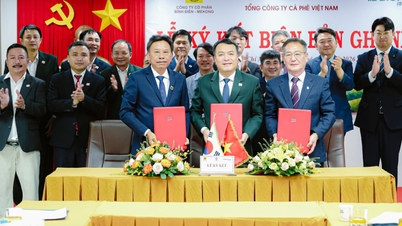
As a result, initial value chain linkages have been formed between businesses and local people, especially in developing sustainable forest management plans and issuing sustainable forest management certifications. To date, eight units have partnered with household groups (forest owners) to assess and certify sustainable forest management for production forests linked to product consumption, covering an area of 29,178 hectares and involving 6,130 households.
"The formation of linkages has contributed to increasing product value and profits, expanding markets, accessing preferential capital sources, and encouraging people to participate in planting large timber forests," Mr. Nguyen Van Long affirmed.
Recently, at a working session with the Provincial People's Committee and relevant departments, agencies, and localities on the management, protection, and development of forests in the province, Mr. Nguyen Van Phuong, Secretary of the Provincial Party Committee, emphasized: Departments and localities need to develop plans to decisively address overlapping and encroachment on forests and forest land within their jurisdiction; promptly and efficiently gather information and strictly handle complex cases related to forest management, protection, and fire prevention and control. In particular, plans and projects are needed to reduce poverty for people through the allocation of forest land for production; focus on forest development linked to sustainable forest management certification; and integrate and replicate effective under-forest economic models to improve livelihoods and increase income for the people.
Despite having significant potential and advantages for developing planted forest raw material areas, including sustainably managed certified forest areas and forest carbon reserves, Quang Tri currently lacks modern, advanced processing plants linked to the development of planted forest timber, medicinal plants under the forest canopy, and non-timber forest products.
Furthermore, the staffing of the Forest Ranger force and specialized forest protection personnel is insufficient; means and equipment for forest fire prevention and control are limited; forestry infrastructure does not meet development requirements; and the added value from forests is not commensurate with its potential. In addition, attracting investment in the deep processing of forest products, developing forest environmental services, and ecotourism needs continued attention and promotion. The effectiveness of forest management and protection in some areas is not high; violations of forestry laws and funding for forest protection and development still face many difficulties.
To achieve the target of 5.52% growth in the forestry sector in 2026, the province has identified the following priorities for the future: developing the forestry economy along the value chain; encouraging businesses to invest and establish concentrated raw material areas; promoting forest environmental services; and gradually developing a forest carbon market. Simultaneously, the province will continue to implement the GRDP growth scenario for the forestry sector, focusing on directing reforestation efforts, supporting the planting of large-timber production forests; harvesting planted forests; promoting sustainable forest management certification; and implementing payments for forest environmental services and greenhouse gas emission reduction funds in the North Central region (ERPA).



The province will also direct relevant forces to strengthen forest patrols and inspections, and forest fire prevention and control; organize intensive campaigns to inspect and crack down on those involved in illegal logging, transportation, and trading of forest products, contributing to maintaining security and order, protecting the ecological environment, and promoting sustainable forestry development.
Quoc Viet
Source: https://baoquangtri.vn/kinh-te/202606/phat-trien-lam-nghiep-ben-vung-06c4126/