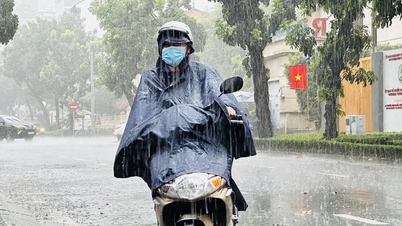
Sam looked at the map on her phone screen, which had just gone dead due to a battery drain, then looked up at the rain lashing against her face. The rainwater seeped through the gaps in her raincoat, icy cold. Before her, the Thuong River flowed swiftly, murky with silt and foaming white. Across the bank, obscured by the mist and rain, was the border village, which the editorial office called by the poetic name on paper: "The Green Oasis."
As a trainee reporter who had only been out of university for three months, Sam approached this topic with all the romanticism of youth. A feature story praising the pristine beauty and resilience of the people living in the isolated riverside area. She had even prepared a catchy title: A GREEN OASIS AND THE VITALITY ALONG THE UPPER RIVER.
But now, her dreams were instantly shattered. To get to the village, there were no roads, no bridges. The only way was by a single ferry crossing.
"Are you going across, journalist? This is the last trip, any later and the water will rise and we won't be able to row!"
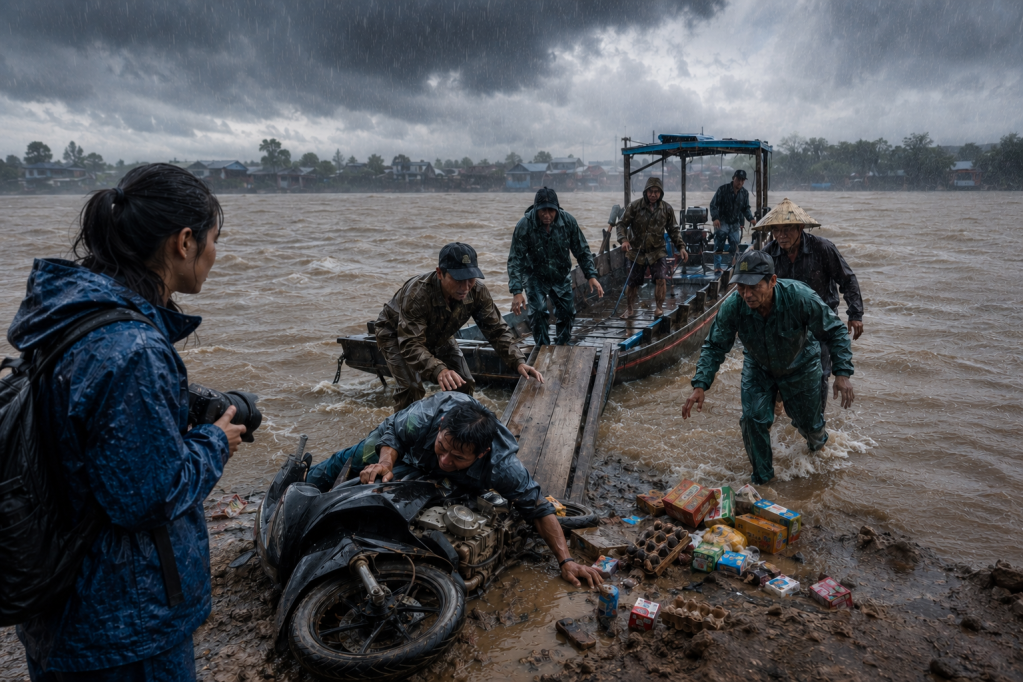
The boatman's voice was cut through the howling rain. Sam, trembling, wheeled her rickety motorbike towards the dock. On a rainy day, the ferry dock was just a muddy, slippery slope of clay. The boatman—a middle-aged man with dark, tanned skin—quickly jumped down to help Sam with the handlebars when he saw her wobbling: "Hold on tight to the side of the boat! The dock is very slippery!"
Right behind Sam, another middle-aged man was struggling to accelerate his motorbike, carrying two plastic crates of supplies, onto the wooden plank connecting the shore to the ferry. The plank, covered in soft mud, trembled with each wave.
Snap!
A dry, scraping sound echoed. The man's rear wheel slipped off the edge of the plank. The cart lost momentum, tilted, and dragged the man and his two baskets of goods tumbling down into the soaking wet riverbank. The man scrambled to his feet, his lower body submerged in the rushing water, his face contorted with pain and helplessness. The cartons of milk and packets of instant noodles, originally gifts for his children back home, floated on the murky water.
Sam was stunned. She was about to jump down to help, but the boatman shouted, "Stay still! If you get down, the water will sweep you both away!" He and two other passengers on the boat quickly rushed out, pulling the man and his mud-covered motorbike up the slope: "Luckily we didn't end up in the middle of the river!" - the boatman wiped the rainwater from his face, his voice trembling but dry as if this were an everyday occurrence - "On rainy days, this dock is a deadly trap."
The ferry left the dock. The fragile boat swayed precariously in the raging Thuong River. Sam's palms were ice cold. The romance of the "oasis" vanished completely, giving way to a stark reality: Isolation here was not a pristine beauty to be celebrated, but a boundary between life and death.
That night, Sam was introduced by the boatman to stay at the village head's house – the house of Mr. and Mrs. Binh. The old stilt house sat right on the edge of the hill, the sound of rain pounding against the corrugated iron roof seemed to tear the space apart. The young reporter sat huddled by the smoldering fire, trying to dry her notebook, which had damp edges.
Mrs. Binh, a woman with a kind face but deeply etched with the wrinkles of hard work, brought out a cup of hot ginger tea: "Drink this to warm your stomach, my dear. City dwellers aren't used to the hardships of this region. Luckily we managed to get on the ferry this afternoon, otherwise, if the water level in the Thuong River had risen another meter, we would have been doomed on the shore."

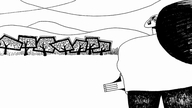
Sam took the glass of water, the warmth comforting her trembling hands. She hesitated before speaking, discarding the prepared, formulaic questions: "Uncle... this afternoon I saw a man fall into the river. Is it really that dangerous for people to travel around here every rainy day?"
Mr. Binh sat beside me, puffing on his pipe, the smoke billowing: "It's dusty in the sun, muddy in the rain. But the scariest thing isn't falling off the motorbike, my child. If you fall off, you can still get your life and belongings back. The scariest thing is when... a person's life is measured in minutes, and the river keeps blocking the way."
Mrs. Binh listened to her husband's words, her eyes suddenly drooping as she stared intently at the blazing red fire. Her voice choked up: "Last year, Hue – the daughter-in-law next door – was pregnant with her first child, and the whole family was so happy. That day was also a day of torrential rain and storms like today, the sky was pitch black. Around midnight, she went into labor a month early and suffered postpartum hemorrhage."
Mrs. Binh paused, quickly wiping away the tears welling up in her eyes: “At that time, the whole village woke up. Some lit torches, others carried her on a stretcher to the ferry landing. The phone signal was lost, so we couldn’t call the other side. When we got to the landing, the Thuong River was like a monster, the water raging, and large logs and rotting wood from upstream rushed down with a roar. The ferryman who had taken my granddaughter that afternoon didn’t dare row. Rowing out would have capsized the boat, killing everyone. But seeing little Hue unconscious on the stretcher, her blanket soaked with blood, her husband kneeling down, begging and crying… Finally, he risked his life to try!”
"Then... then what, sir?" Sam stammered, his heart pounding.
“When we reached the middle of the river, a large log slammed into the side of the boat. The boat nearly capsized, and water flooded in. The boatman had to turn around, struggling to get to the other side. But… it took more than two hours on the river in the storm. By the time we reached the district hospital…” – Mrs. Binh choked up, shaking her head – “Little Hue survived, but the baby didn’t make it to see the sun. The doctor said if it had been just thirty minutes earlier, the child would have lived.”
The stilt house suddenly fell silent, broken only by the crackling of burning wood and the howling rain outside. Sam bowed her head, a hot tear falling onto the page of her notebook. She realized that behind the peaceful "green oasis" lay irreplaceable voids, the enduring pain of people left behind by a river without a bridge. The people here didn't need empty praise about overcoming hardship. They needed an escape. They needed a bridge.
That night, Sam couldn't sleep. She lay listening to the wind whistling through the gaps in the bamboo fence, the roaring sound of the river echoing from afar. In her mind, she saw the image of the man who had fallen sprawling in the mud that afternoon, the haggard faces of Mr. and Mrs. Binh, and the lifeless eyes of the mother who had lost her child in the stormy night.
Sam switched on her phone's screen, opening the draft she had sketched out on the way: "A border village... a lush green valley surrounded by the poetic Thuong River... The lives of the people here, though still difficult, are always filled with laughter and optimism..."
“Poetic? Optimistic?” Sam wondered, a bitter shame rising in her heart. That was the perspective of someone merely observing superficially, a city girl searching for artificial romanticism to embellish her writing. The truth wasn't rosy. The truth was the gray of mud, the red of blood, and the salty taste of tears.
Sam erased all the old writing. She started writing again. Each word, each sentence emerged under her pen, powerful and poignant. She wrote about the roar of the river on a rainy day, about the slippery wooden plank at the ferry landing, and about the life of a child forever lost on the other side of the promise of a bridge. This would be an investigative report, an urgent cry for help from the heart of an oasis. She gave it a new, stronger and more direct title: BEHIND A UNIQUE FERRY TRIP: WHEN WILL THE UPPER RIVER HAVE A BRIDGE?
Sam stayed in the village for three days. For three days, it rained incessantly. She and Mr. Binh went through the villages, photographing the muddy roads, the children who had to miss school because the river was too high to cross to the school in the district, and the tears of Hue – the young mother in the story of the stormy night. The day she left the village, the rain had stopped, but the river was still raging red. The ferryman was the one who took her across the river. When Sam stepped onto the other bank, he looked at her and chuckled: “Journalists can write whatever they want, but please don’t portray us as heroes! We just want to be ordinary people, walking on an ordinary bridge.”
Sam nodded vigorously, his nose stinging with emotion: "I promise!"
Back at the newsroom, Sam rushed into her office and stayed up all night to finish the article. She submitted it to the Head of the Feature Department – a veteran journalist known for his strictness and realism. Watching the Head of the Department intently read the article, Sam was so nervous she could hear her own heartbeat. He read very slowly, occasionally pausing at the details describing the near-miss accident at the ferry terminal and the story of the pregnant woman, Hue.

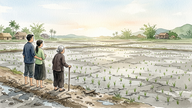
Five minutes. Ten minutes passed in suffocating silence. Finally, the Head of Department looked up, took off his glasses: “Sam, I initially assigned this topic to you thinking you were a newcomer, to write a beautiful, lighthearted article about scenery and people to get acquainted with the job. But you’ve surprised me.” He tapped his finger on the printed copy of the article: “A very sharp perspective. These details… are very valuable!” The Head of Department signed off, pushing the manuscript back to Sam: “I will put it on the front page of this Sunday’s issue. The title will be all capital letters as you suggested. Keep this fire burning, young reporter.”
A month after the article was published and created a strong wave of public opinion in the media, Sam received a phone call from an unknown number. “Hello, is this journalist Sam? This is Binh, the village head!” Binh’s voice, mixed with the wind, rang out through the phone speaker, full of excitement.
"We're so happy, my dear! Yesterday, a delegation of officials from the Department of Construction and representatives from businesses came to the ferry terminal to conduct a survey. The province has approved emergency funding to survey and build a pedestrian suspension bridge across the Thuong River by the end of this year! The villagers are overjoyed, they said they have to call and thank you, journalist, right away!"
Sam stood motionless in the hallway of the editorial office, amidst the ringing of telephones and the clacking of keyboards. Tears welled up in her eyes, but a smile played on her lips.
She looked out the window; it was drizzling over the city today. Sâm gently held the phone to her ear, her voice choked with emotion: "Uncle, I'll definitely be back on the day the construction starts!"
Source: https://baotayninh.vn/phia-sau-mot-chuyen-do-149753.html
![[Image] Ho Chi Minh City: Ma Lang area, Chicken-Rice Market about to change its appearance](https://vphoto.vietnam.vn/thumb/1200x675/vietnam/resource/IMAGE/2026/06/25/1782377698627_ndo_br_m1-jpg.webp)

![[Photo] General Secretary and President To Lam receives Palestinian Ambassador Saadi Salama](https://vphoto.vietnam.vn/thumb/1200x675/vietnam/resource/IMAGE/2026/06/25/1782365384740_a1-bnd-9423-8322-jpg.webp)

![[Image] Schools organize meetings and introduce teaching models to students admitted to grade 10.](https://vphoto.vietnam.vn/thumb/1200x675/vietnam/resource/IMAGE/2026/06/25/1782368077271_ndo_br_z7970052192242-1ec8daeb77a6eed1a4e9f58c564ddd3e-jpg.webp)