


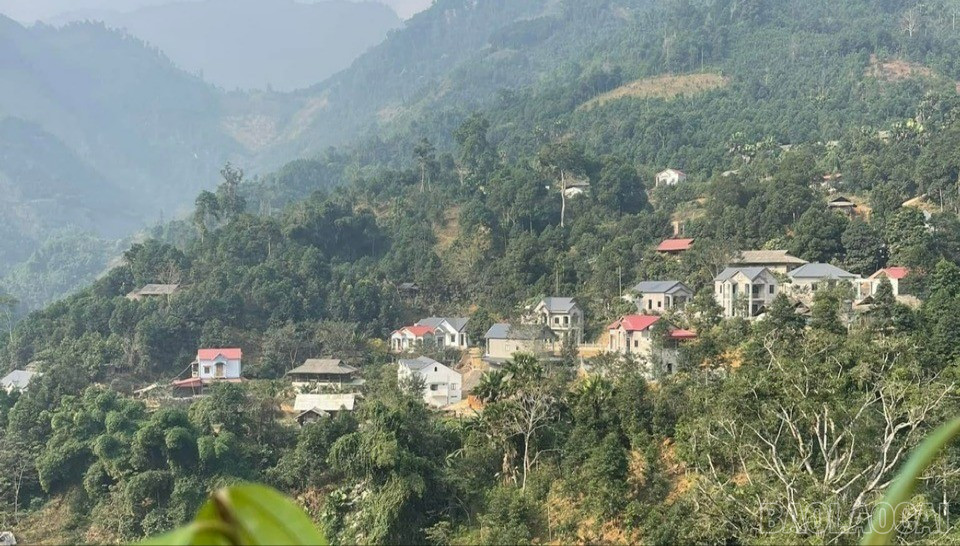
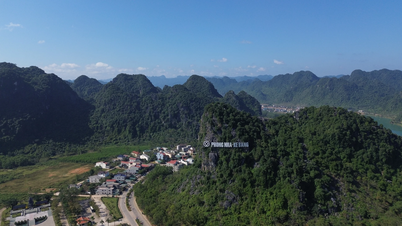
More than a decade ago, the village of Tang Chan consisted mostly of simple wooden houses nestled under the forest canopy. Life back then was marked by scarcity and hardship. However, Tang Chan today has taken on a completely new appearance.
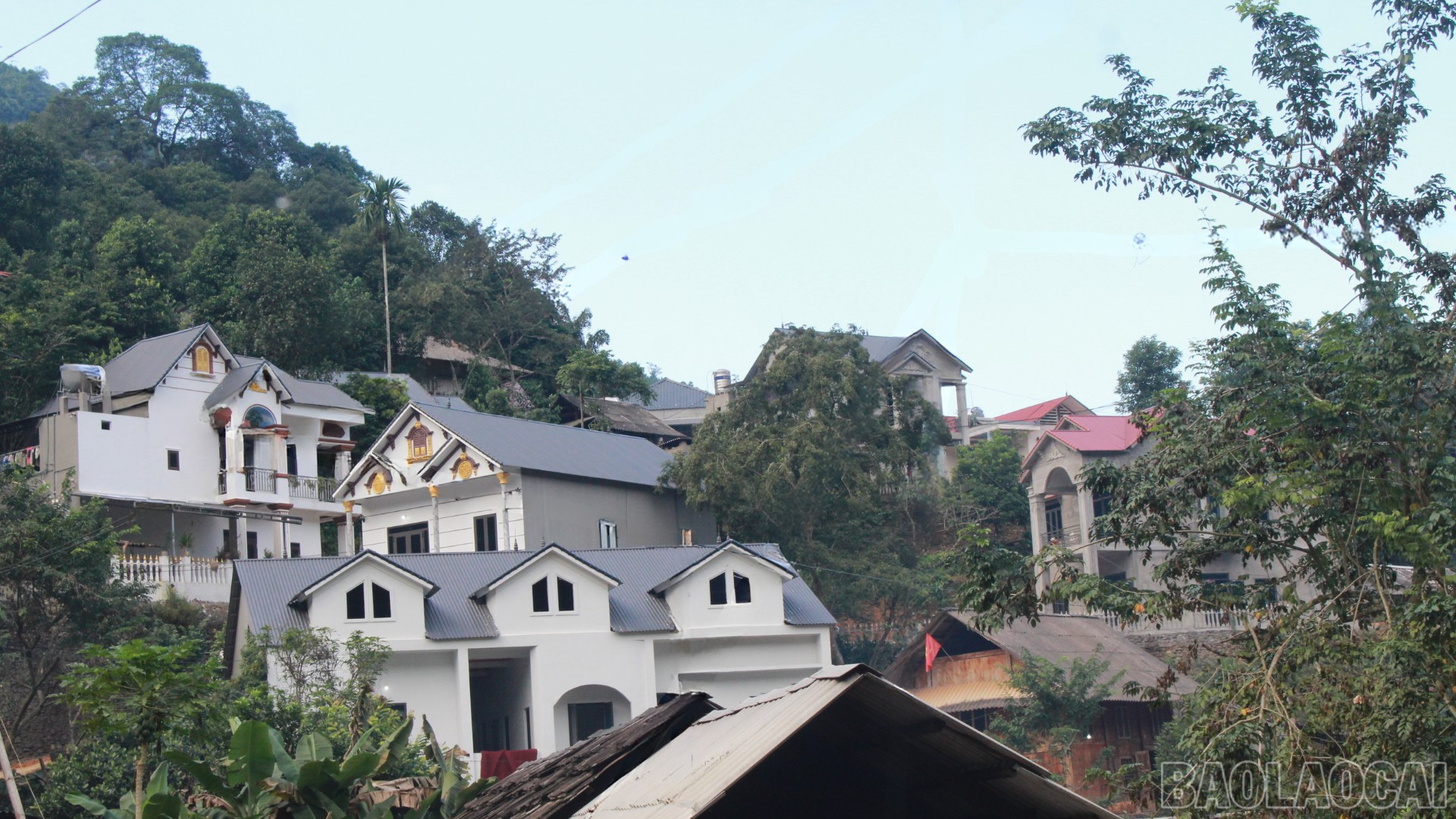
The village has 51 households and 247 inhabitants, with 100% of the houses meeting the required standards. The winding concrete roads around the mountain slopes facilitate convenient travel for residents and expand trade.
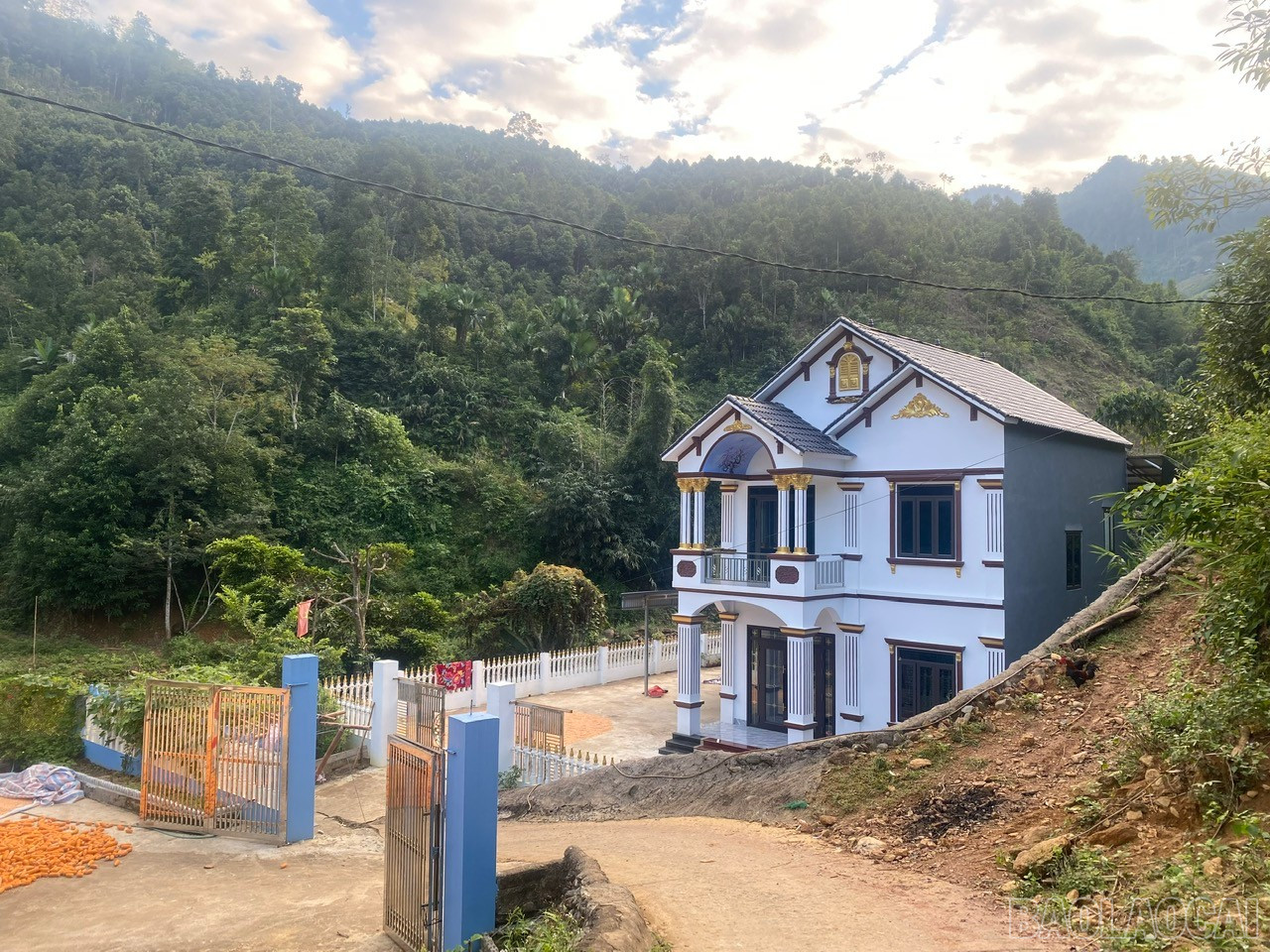
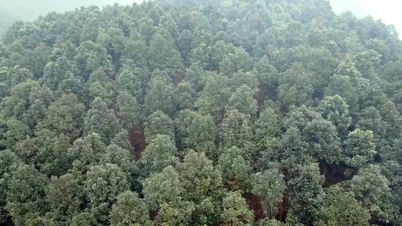
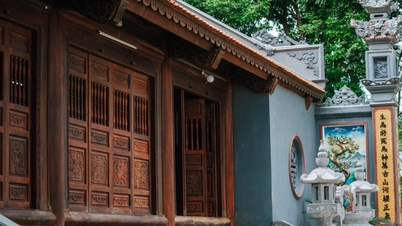
Beneath the lush green forest canopy, sturdy new houses with modern architecture spring up side by side, giving Tang Chan a modern and fresh look.
Mr. Truong Van Cao, who recently invested billions of dong to build a two-story house with a Thai-style roof, shared: "Before, our biggest dream was just to have enough food to eat. Now, houses and cars are commonplace. It's all thanks to cinnamon trees!"
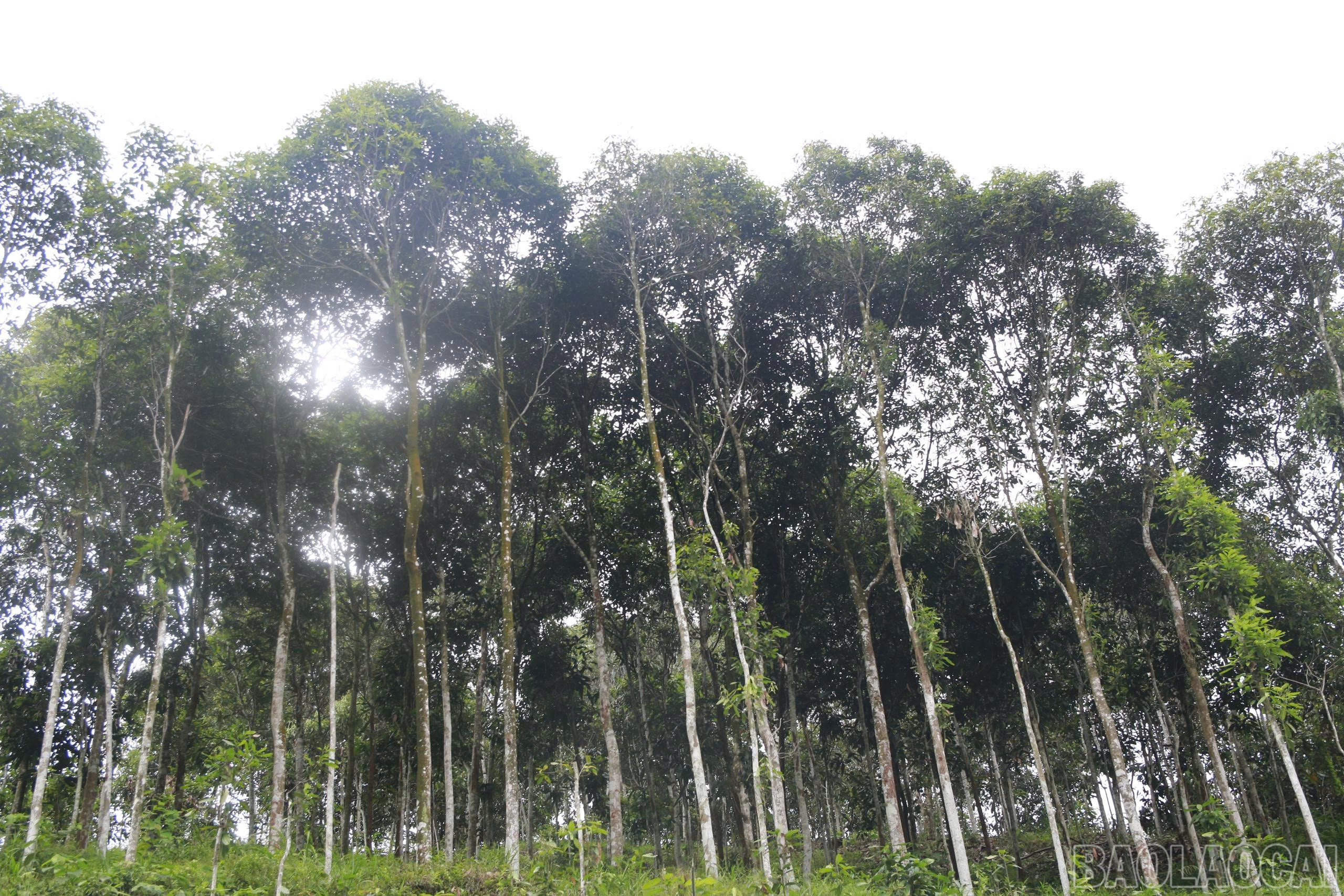
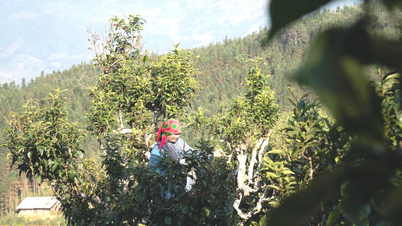
Cinnamon trees have been rooted in Tang Chan for a long time, but it was only when the people applied scientific and technical methods to cultivation and shared experiences, cooperating to improve cinnamon products, that this crop fully realized its economic potential.
We learn together how to plant, care for, and harvest cinnamon to achieve the highest yield and essential oil quality. More importantly, we sell together, avoiding price undercutting and maintaining our reputation. Only then will traders trust us and Tang Chan cinnamon retain its value.
The spirit of solidarity has become the guiding principle for development in Tang Chan. They support each other with seeds, capital, and especially experience to develop the 250 hectares of cinnamon trees as they are today.
The people of Tang Chan have changed their cinnamon cultivation methods, planting twice as densely instead of 4,000-5,000 trees per hectare, so that they can start earning income from the third year onwards.
Cinnamon trees are not harvested all at once; instead, from the third year onwards, slow-growing trees are thinned out and sold to essential oil distillation factories. From the fifth year onwards, the trees are gradually thinned out to sell the bark and leaves. Thus, every part of the cinnamon tree, from bark and branches to leaves, is utilized to the maximum extent, providing a good source of income.
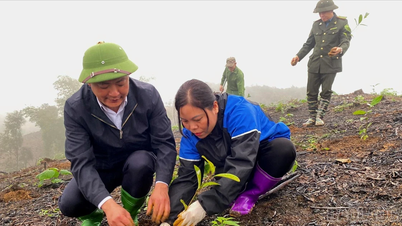
In 2025 alone, the people of Tang Chan harvested 60 tons of cinnamon bark, averaging 23,000 VND/kg, generating revenue of 1.4 billion VND. Simultaneously, they continued to plant and replant 12 hectares of cinnamon trees, ensuring the greening of barren land and hills.
While waiting for the cinnamon trees to grow, the villagers encouraged each other to focus on rice cultivation to ensure food security and corn for livestock. Thanks to this, 8 hectares of rice paddies, 5 hectares of corn, and 2 hectares of vegetables were regularly cultivated, with rice yields reaching 52 quintals/hectare, and the total livestock population reaching 170 animals, along with over 3,000 poultry.
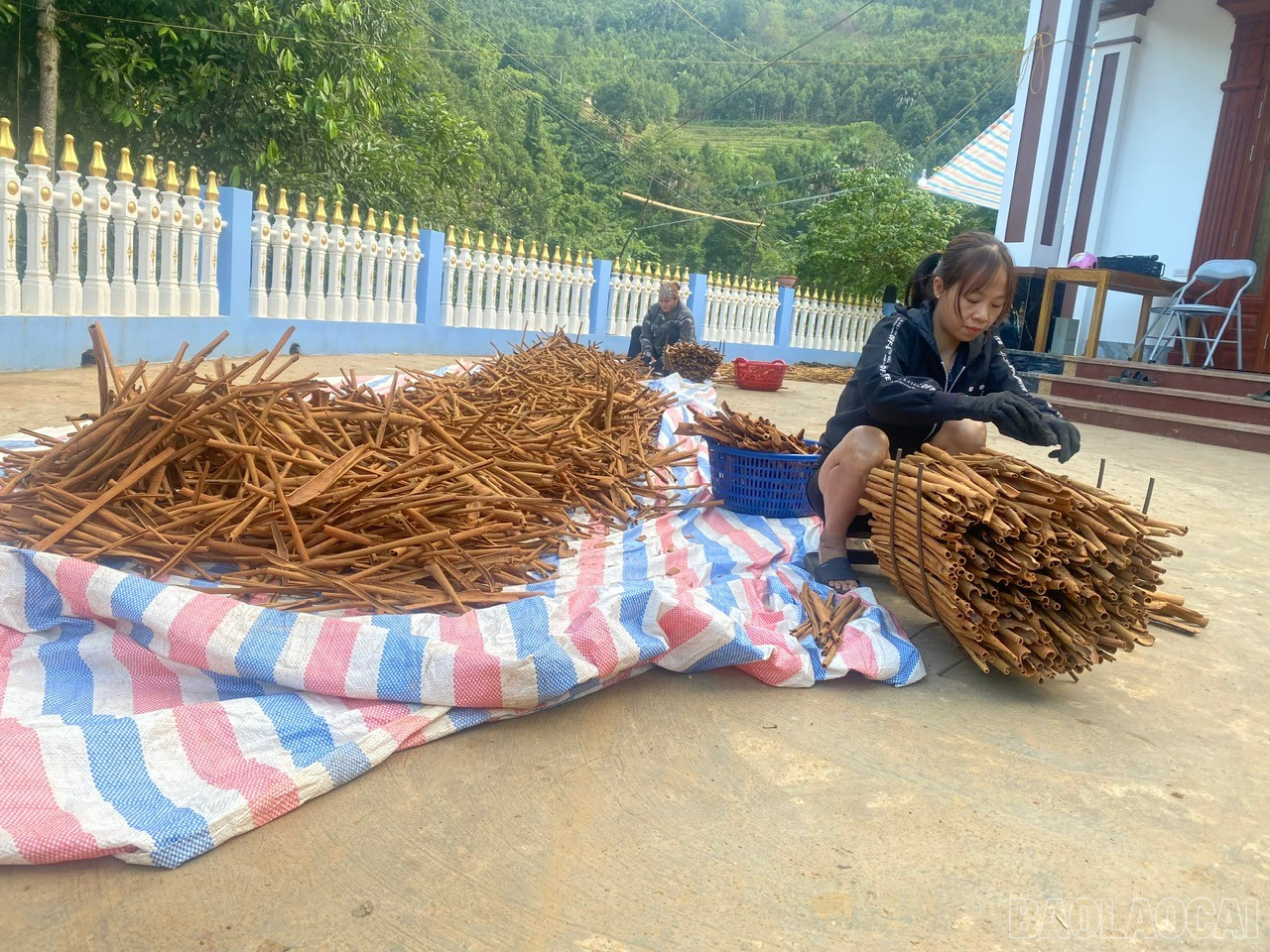
In 2025, the people of Tang Chan village will earn 1.4 billion VND from cinnamon trees.
The capital accumulated from cinnamon sales is not only used to build houses but is also invested by the people in constructing public welfare facilities, caring for education and healthcare, purchasing agricultural machinery, and building a new cultural lifestyle.
Currently, 100% of the roads in Tang Chan have been concreted. The village still has 12 poor households, with an average per capita income of over 40 million VND/year; 95% of households own plows and harrows, which helps increase productivity and labor efficiency.
Furthermore, 100% of children in Tang Chan attend school at the appropriate age, with no dropouts; children receive all necessary vaccinations; 100% of residents have health insurance cards; and 90% of households meet cultural standards. Security and order are stable, with no law violations…
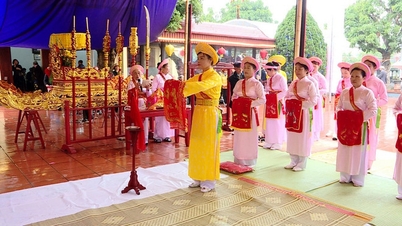
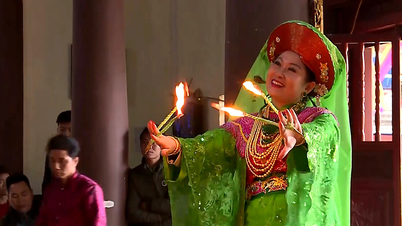
What is commendable is that despite the increasing development of life, the people of Tang Chan still maintain a high level of awareness in preserving their Dao ethnic cultural identity. Cultural and artistic activities are organized regularly.
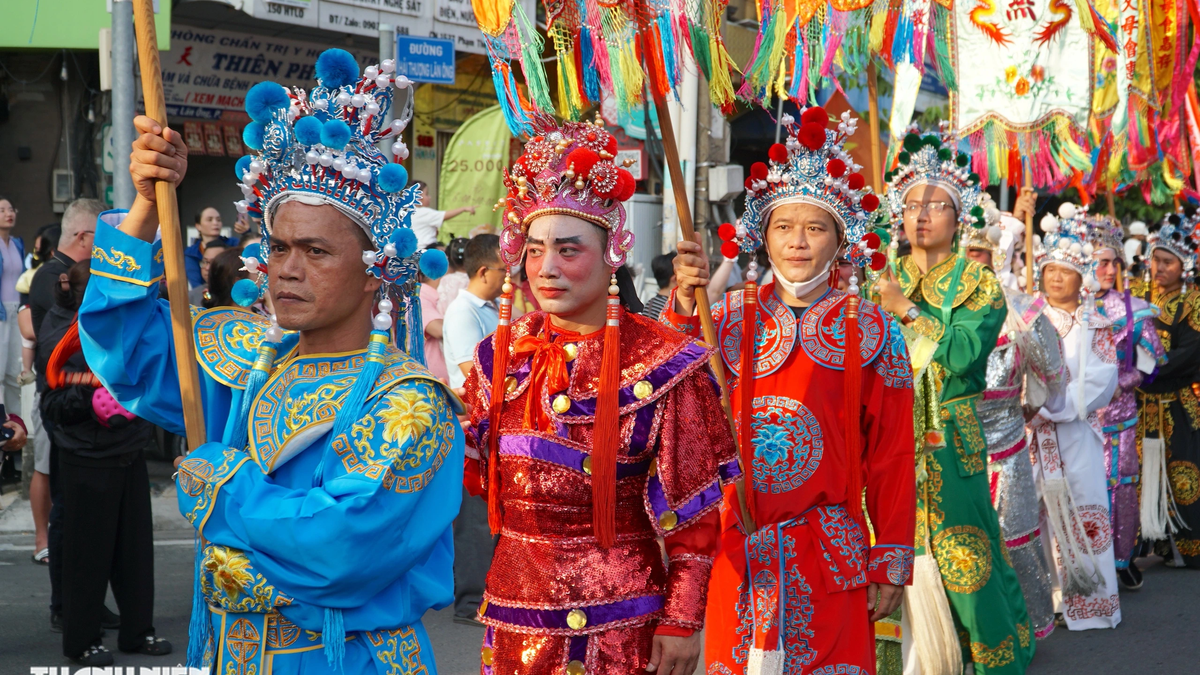
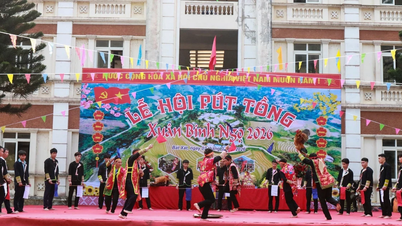
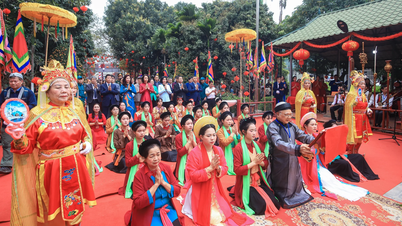
During festivals and holidays, the young men and women of Tang Chan proudly wear their traditional costumes and perform acts recreating scenes of working life, praying for a good harvest, or coming-of-age ceremonies. Even in modern homes, the sounds of singing, horns, flutes, cymbals, and bells still resonate, a testament to their enduring heritage.
"The 'Town in the Forest' is not just a beautiful name, but also a symbol of the self-reliance and resilience of the Dao Tang Chan people in particular and the ethnic minorities in the highlands of Lao Cai in general, a model of sustainable development amidst the vast forests of Northwest Vietnam."
Source: https://baolaocai.vn/pho-trong-rung-post888950.html














































Comment (0)