Although the risk of the epidemic entering Vietnam is assessed as low, the health sector is still proactively implementing early and proactive response measures, ready to establish a disease prevention shield from border gates to treatment facilities to protect the health of the people.
There is no specific vaccine for the new strain.
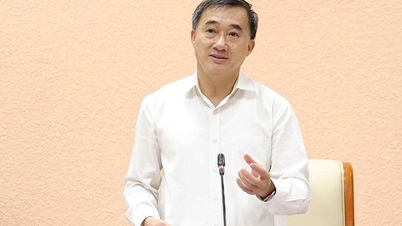
Deputy Director Vo Hai Son stated that the Ebola Bundibugyo virus outbreak has been extremely complex recently. The World Health Organization has declared the Ebola hemorrhagic fever outbreak in the Democratic Republic of Congo and Uganda a Public Health Emergency of International Concern (PHEIC). This is the 17th Ebola outbreak in Congo since 1976, but it is considered to have many unusual and more dangerous characteristics than previous outbreaks.
As of the end of May 2026, the epidemic continued to spread rapidly. In Congo alone, the number of suspected cases exceeded 1,077 (including 238 deaths); the disease also crossed the border into Uganda with cases clearly traced back to Congo. Currently, the WHO assesses the risk of the epidemic in Congo as very high and the regional risk as high.
International health experts are particularly concerned that the causative agent this time is the Bundibugyo strain, one of the six strains of the Ebola virus. Currently, the world only has vaccines and specific treatments for the Ebola Zaire strain, while there is no vaccine or specific treatment protocol for the Bundibugyo strain.
Furthermore, the deaths of many healthcare workers in the affected area highlight shortcomings in infection control efforts, increasing the risk of a widespread outbreak.
Following the WHO warning, the Ministry of Health held several emergency meetings with domestic experts, the WHO, and the US Centers for Disease Control and Prevention to assess the risk of the disease entering Vietnam. Experts concluded that the risk of the Ebola virus entering the country is currently low. However, given the strong growth in international trade and tourism, this risk remains. The virus could be carried by passengers originating from affected areas, transiting through multiple countries before entering Vietnam.


According to Hoang Minh Duc, Director of the Department of Disease Prevention, Ministry of Health: “Ebola is a particularly dangerous Group A infectious disease with an average mortality rate of about 50%, and can even reach 90%. Therefore, the Ministry of Health has determined that the overarching principle is to raise vigilance, proactively detect and respond early, and absolutely not be negligent or complacent.”
Prepare response scenarios.
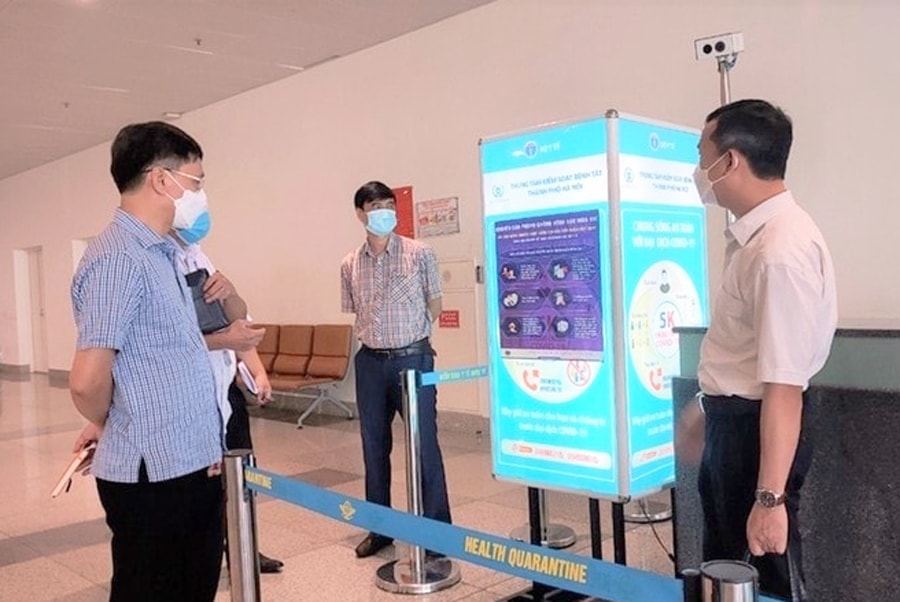
To proactively prevent the spread of the disease early and from afar, the Department of Medical Examination and Treatment Management (Ministry of Health) has directed the entire health system to activate response plans. Firstly, increased surveillance at border crossings is being implemented. The Ministry of Health is coordinating with relevant authorities to strictly control passengers returning from affected areas. Individuals who have traveled through high-risk areas within the past 21 days – the maximum incubation period of Ebola – will be listed and their information forwarded to local authorities for health monitoring.
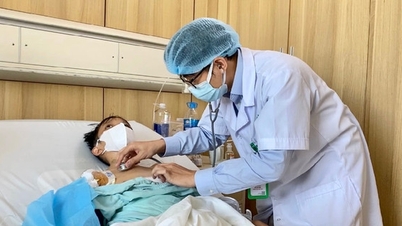
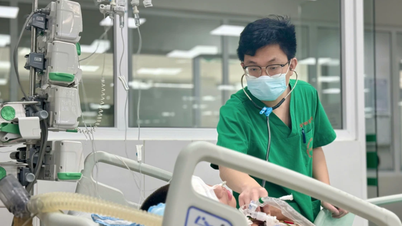
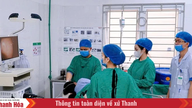
Secondly, healthcare facilities strictly implement procedures for triaging, screening, and isolating suspected cases. Infection control is given the highest priority to prevent cross-infection within healthcare facilities, especially among healthcare workers.
Thirdly, strengthening testing and diagnostic capabilities. Currently, the National Institute of Hygiene and Epidemiology and the Pasteur Institute of Ho Chi Minh City have sufficient equipment, personnel, and biosafety level III laboratories for gene sequencing and Realtime PCR testing to definitively diagnose Ebola virus...
In order to proactively respond and prevent the disease from entering and spreading in Vietnam, the Ministry of Health organized nationwide training on surveillance, prevention, and control of Ebola virus disease, and also issued Decision No. 1505/QD-BYT on "Guidelines for the diagnosis and treatment of Ebola virus disease".
Compared to the 2014 guidelines, the 2026 version comprehensively updates all six Ebola virus strains and adds rapid screening tests alongside the RT-PCR method.
Deputy Minister of Health Nguyen Thi Lien Huong requested that relevant units urgently review their capabilities and develop appropriate response plans. Specifically, the Department of Disease Prevention and Control, in coordination with the WHO in Vietnam, will develop epidemic prevention scenarios, identify risk groups, and update epidemic prevention guidelines; the Department of Medical Examination and Treatment Management will direct medical facilities to be ready to admit and treat patients. At border crossings, authorities will strengthen surveillance of passengers arriving from affected areas and promptly notify local authorities to monitor suspected cases during the incubation period.

Health experts advise people not to panic but to remain vigilant, proactively update information, and strictly implement disease prevention measures. Ebola is a dangerous disease, but it does not spread as easily as COVID-19 due to its completely different transmission mechanism. If disease prevention and control measures are implemented effectively, the risk of spread can be completely controlled.
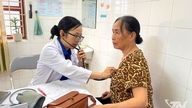
Therefore, when suspicious symptoms such as fever, fatigue, vomiting, diarrhea appear after returning from an epidemic area or after contact with someone suspected of having the disease, people should immediately go to a medical facility for advice, examination, and timely treatment.
Source: https://hanoimoi.vn/phong-dich-ebola-chu-dong-dung-la-chan-tu-som-tu-xa-1159307.html



![[Image] Ho Chi Minh City: Ma Lang area, Chicken-Rice Market about to change its appearance](https://vphoto.vietnam.vn/thumb/1200x675/vietnam/resource/IMAGE/2026/06/25/1782377698627_ndo_br_m1-jpg.webp)
![[Image] Schools organize meetings and introduce teaching models to students admitted to grade 10.](https://vphoto.vietnam.vn/thumb/1200x675/vietnam/resource/IMAGE/2026/06/25/1782368077271_ndo_br_z7970052192242-1ec8daeb77a6eed1a4e9f58c564ddd3e-jpg.webp)
![[Photo] General Secretary and President To Lam receives Palestinian Ambassador Saadi Salama](https://vphoto.vietnam.vn/thumb/1200x675/vietnam/resource/IMAGE/2026/06/25/1782365384740_a1-bnd-9423-8322-jpg.webp)