

As the whole country enters a new phase of development, Phu Tho has chosen a clear path: removing obstacles at their root, starting with institutions and implementation methods, to open up a future of sustainable development.

Thanks to the correct and timely policies and decisions of the Central Government and the province, businesses in Phu Tho are facing great opportunities to break through and expand further. (Photo: High-tech products of CNCTech Group Joint Stock Company - Thang Long Industrial Park, Vinh Phuc are well received by the market).
In practice, the biggest obstacles do not lie in natural conditions or social resources, but in overlapping regulations, lengthy procedures, and a management mindset heavily focused on control. When institutions are not sufficiently open, those who dare to think and act are easily discouraged, while businesses waste a lot of time and money overcoming administrative hurdles.
Recognizing this, the province has placed institutional and administrative reforms at the center of its governance. Beyond merely reviewing documents, the province has focused on implementation, considering this the "bottleneck of bottlenecks." The overarching message emphasizes a shift from a management mindset to a service-oriented one, placing citizens and businesses at the center, and using development effectiveness as the benchmark for evaluating officials. Institutional reform is no longer just a slogan, but is concretized through clear action commitments, linked to the accountability of leaders.
In 2025, the province will focus on reviewing and significantly reducing the processing time for administrative procedures, the cost of legal compliance, and business conditions, in line with the general directives of the Central Government. Standardizing processes, digitizing documents, and expanding online public services have helped many procedures that previously took weeks or even months to be resolved more quickly and transparently. Experience shows that when procedural barriers are removed, the trust of citizens and businesses is boosted, and capital flows and investment ideas begin to shift.
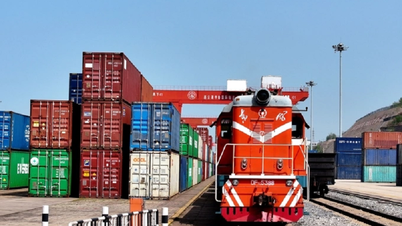
A readily apparent example is in the investment and construction sector. Long-standing obstacles related to land, site clearance, and project appraisal are being addressed by the province through dialogue and collaboration with investors, rather than solely through administrative control. This approach not only resolves specific projects but also creates a ripple effect, strengthening the confidence of the business community. When the investment environment becomes clear, consistent, and predictable, social capital flows begin to shift more strongly, especially into the processing and manufacturing industries, logistics infrastructure, and urban development.
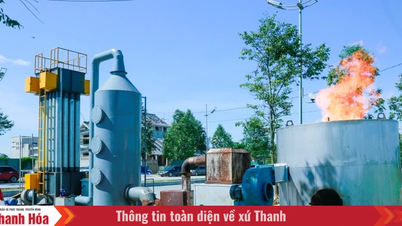
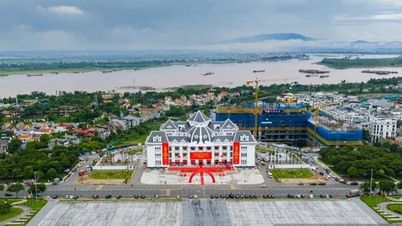
Simultaneously, the province focuses on developing industrial zones and clusters with synchronized infrastructure, linked to environmental protection and sustainable development requirements. This is considered an important step for Phu Tho to expand its development space, attract high-quality projects with high added value, and gradually elevate its position in the regional supply chain.

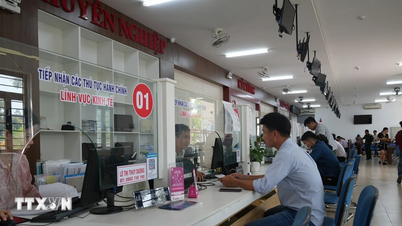
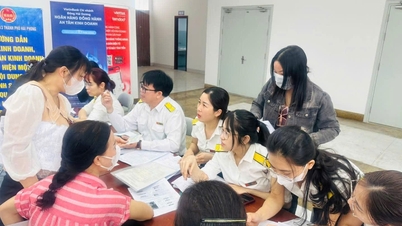
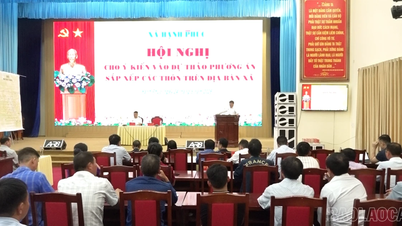
Administrative procedure reform, guided by the principle of partnering to serve the people and businesses, has been a highlight of Phu Tho province in recent times.
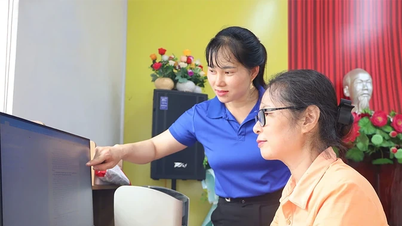
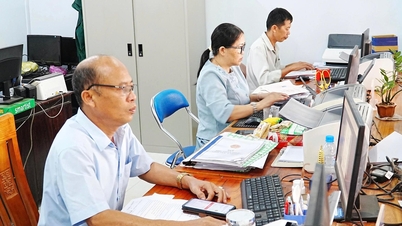
Another notable development is the reform of administrative procedures linked to digital transformation. Standardizing processes, shortening processing times, and expanding full-service online public services have significantly reduced compliance costs for citizens and businesses. Many procedures related to investment, land, and business registration, which previously took weeks or even months, are now processed faster and more transparently.
More importantly, administrative reform in Phu Tho is not just a technical matter, but a change in the behavior of the public administration. Instead of following procedures but being slow, the province requires functional agencies to proactively coordinate and resolve issues in a collaborative spirit, addressing difficulties from the outset. This helps reduce the number of files being passed back and forth, creating a sense of security for investors when researching and implementing projects in the locality.
Removing institutional barriers is a necessary condition, but the sufficient condition for Phu Tho to achieve a breakthrough is activating new growth drivers. In its future development orientation, the province identifies the private sector as one of the important pillars, the "backbone" of the local economy. A series of policies supporting small and medium-sized enterprises (SMEs) are being implemented in a more substantive way, from access to land and credit to human resource training and digital transformation.
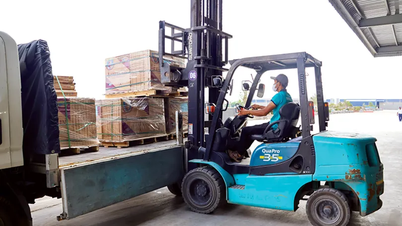
Instead of spreading itself too thin, Phu Tho chooses to focus on areas with comparative advantages such as processing and manufacturing industries, logistics, tourism services linked to culture and history, and the green economy. The development of industrial zones and clusters with synchronized infrastructure and environmental friendliness is opening up new development opportunities, gradually reducing dependence on traditional growth models.
Simultaneously, reforms in education and human resource training are also considered a form of "soft barrier removal" with long-term significance. When the pressure for achievement is adjusted, and when skills, creative thinking, and adaptability are given the right emphasis, Phu Tho is gradually preparing a workforce suitable for the requirements of the modern economy.
A noteworthy aspect of the barrier-breaking process in Phu Tho lies not only in policy, but also in the shift in mindset of the implementing team. When leaders dare to take responsibility, dare to make decisions, and dare to act for the common good, the system operates more smoothly and efficiently. This is also when institutional reform truly enters into practice, rather than remaining merely on paper.
Phu Tho is facing a great opportunity to reposition itself within the regional and national development landscape. Removing long-standing barriers will not only free up resources but also open up a future of sustainable development, where economic growth is closely linked to social progress, environmental protection, and improved quality of life for its people.
When barriers are removed, the road ahead will be wider. With what is being implemented, Phu Tho shows its determination not to stand outside the flow of innovation, but to proactively step forward, seize opportunities to go further in this new stage of development.
Quang Nam
Source: https://baophutho.vn/phu-tho-thao-rao-can-mo-tuong-lai-247115.htm


























































































Comment (0)