

 |
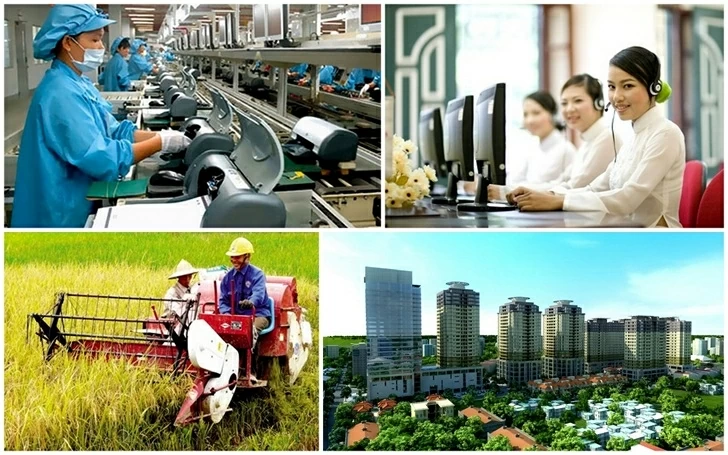
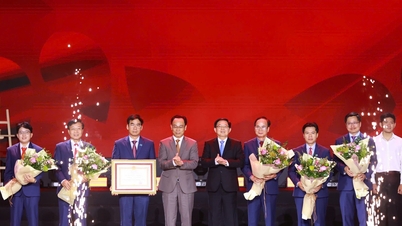
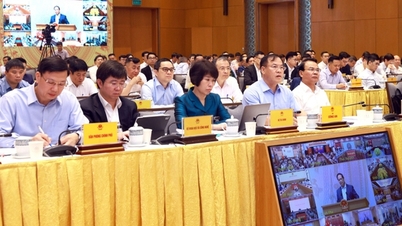
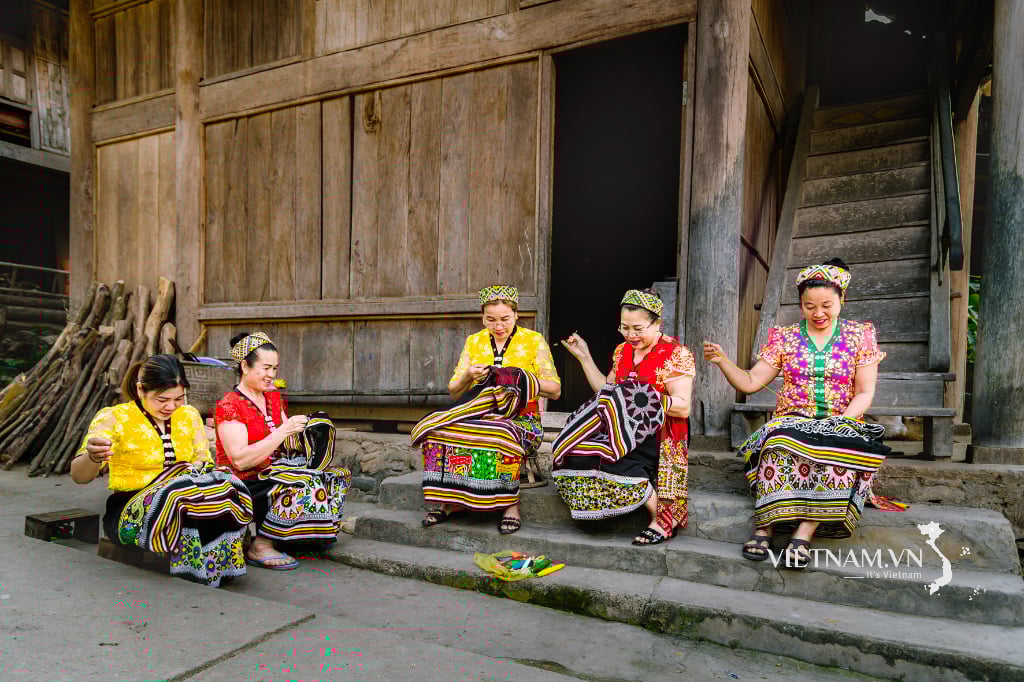
| The effective and coordinated management of resources, including human resources, will play a decisive role in the success of the 10-year socio-economic development strategy 2021-2030. (Source: State Management Magazine) |
The 21st century has witnessed strong economic achievements thanks to the development of science and technology in the digital age and, especially, the market economy. In a market economy, macroeconomics studies indicators of the overall economic picture such as GDP, inflation, and unemployment… to measure the health of the entire economy, guide the government in establishing effective policies (fiscal/monetary) to stabilize, grow, and manage business cycles (recession/boom), and help businesses and investors forecast performance and make strategic decisions based on development trends.
However, according to economists, the macroeconomic picture only provides a general overview of the economy. For example, although GDP is considered the most important macroeconomic indicator because it measures the total value of final goods and services produced, reflecting the size, health, and growth rate of the economy, GDP still has some limitations that need to be considered in policy planning and business management.
Firstly , GDP growth is often high in developing economies based on mega-projects in infrastructure and real estate development, or on export strategies and FDI projects with products that do not directly serve the lives of the domestic population… and moreover, GDP continues to increase even when projects are of poor quality, uncoordinated, disconnected, operating below full capacity, wasteful, behind schedule, or lacking maintenance plans, or even when they are demolished.
Secondly, with the analysis of indicators, macroeconomics only refers to the "what" of the economy. In other words, macroeconomics does not address the systems and processes for managing national resources to achieve the macroeconomic indicators of the economy. Therefore, in reality, good economic governance is needed to create a stable environment, essential for macroeconomic stability and growth. Governance, in essence, is the "how" to manage the economy.
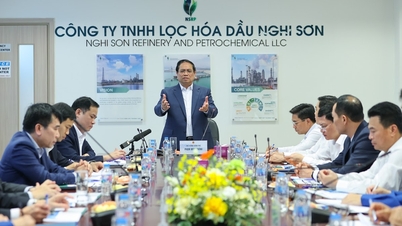
Vietnam is actively preparing for the 2026-2030 Five-Year Plan, aiming to become a stable, prosperous digital nation and a developed country with modern industry and high income by 2030. In this process, to achieve an average GDP growth rate of over 10% per year, economic experts believe that a sustainable economic governance model encompassing five fundamental resources for economic development needs to be consistently and comprehensively applied in the direction, establishment, operation, and effective monitoring of the national plan. The synchronized and effective management of financial resources, natural resources, products, social resources, and especially human resources, will play a decisive role in the success of the 2021-2030 Decade-Long-Term Socio-Economic Development Strategy.
In line with the principle of putting people at the center and following President Ho Chi Minh 's teaching, "For the benefit of a hundred years, we must cultivate people," in sustainable economic management, we have paid special attention to developing human resources.
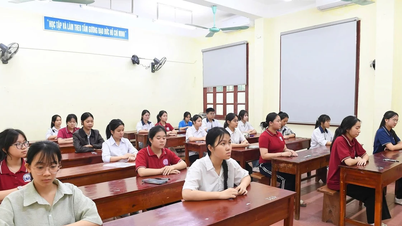
The long-term strategy focuses on education and training the younger generation. Recently, the National Assembly also issued Resolution No. 217/2025/QH15 on tuition fee exemption and support for preschool children, primary and secondary school students, and learners in general education programs in educational institutions within the national education system. However, perhaps in human life, the most time is spent on labor (an average of around 40 years), therefore the word "labor" has a decisive meaning in determining a person's destiny.
During the resistance war and the construction of socialism in North Vietnam (1951), President Ho Chi Minh also changed the Party's name to "Vietnam Labor Party". This name change was consistent with the ideology of national unity and the importance of the labor force that he always pursued. Therefore, currently in the field of building and developing human resources, managing employment for workers plays a central role because it is not only the foundation for sustainable GDP growth but also brings happiness and progress to people.
Around the world, many leading economic leaders have also affirmed the crucial role of employment, alongside other resources, in the happiness, prosperity, and sustainability of society.
Former British Prime Minister David Cameron stated: "It's time we recognized that there's more to life than just money, and it's time we focused not only on GDP but also on GWB (General Wellbeing)."
Professor Paul Krugman, winner of the 2008 Nobel Prize in Economics, argued that: “The core element of happiness is employment. Besides providing a stable income, employment also contributes to self-confidence and self-esteem. Therefore, more jobs must be created if we want to make the public happier.”
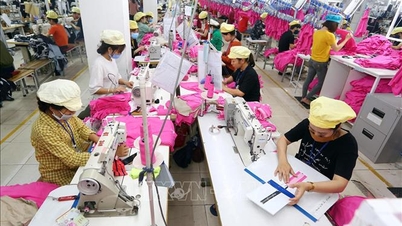
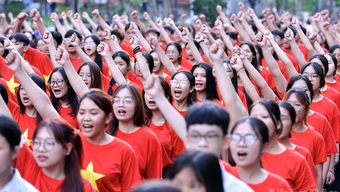
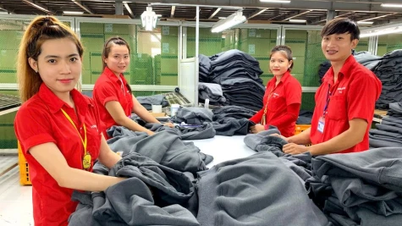
With a population of approximately 100 million, Vietnam possesses a large workforce of over 52 million people (aged 15 and above) by 2024-2025. The labor market is showing many positive signs such as an increase in the number of employed people and an improvement in average income (the average monthly income of workers increased from VND 7.5 million in Q2/2024 to VND 8.2 million in Q2/2025, a corresponding increase of 10.7%).
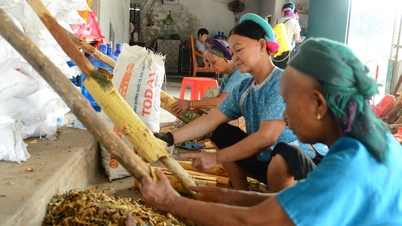
The employment structure is shifting towards the service and industrial sectors, and labor productivity is increasing. However, working conditions are limited, jobs are scarce due to the small-scale nature of manufacturing industries, wages are low (one worker cannot support one family), benefits are uncompetitive, motivation is lacking, the working environment does not meet occupational safety and hygiene standards, and inadequacies in the training, recruitment, and salary scales make it difficult for workers to achieve a good material standard of living, disproportionate to their contributions, leading to reduced productivity and a failure to attract talent.
Furthermore, environmental pollution, epidemics, natural disasters, and especially the large gap between rich and poor across regions and social classes remain significant and lagging behind other countries in the region. Simultaneously, digital technology and AI are expected to automate many industries, disrupt traditional growth models and development strategies, break the link between wage growth and productivity, and exacerbate unemployment and inequality…
All these real risks necessitate the integration of past economic governance foundations, particularly human and social resource management (institutional, legal, etc.), into the future to adapt to new socio-economic realities, create more jobs with better working conditions so that "no one is left behind," and prevent the next global crisis.
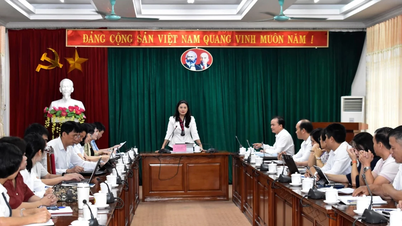
Furthermore, in an increasingly sophisticated market economy, it is necessary to recognize that sustainable economic governance is not merely about establishing a framework of rules, processes, and institutions for conservative management, but also about creating space for proactive innovation to foster a positive atmosphere, healthy competition, and to guide and inform decisions that serve national strategies and objectives, all while being overseen by governance structures.
Furthermore, it must establish a flexible framework that allows and guides innovative processes, rather than simply imposing rigid rules. Governance can be described as establishing clear legal and institutional frameworks, strategic alignment, and accountability, while allowing innovation within those boundaries. This ensures that creative ideas are implemented to effectively manage the economy and progressively improve people's living conditions and employment, ultimately leading to sustainable happiness and prosperity for the nation.
Source: https://baoquocte.vn/quan-tri-nguon-von-con-nguoi-338624.html







































































Comment (0)