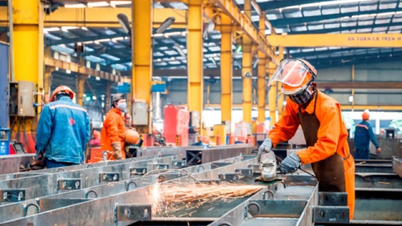
Alongside the announcement of the Provincial Planning, effective investment promotion activities are being integrated, focusing on three pillars: industry, tourism, and agriculture . Hopefully, Binh Thuan will attract more major investors to establish their businesses there.
Announcing planning and promoting investment.
Coincidentally, on the night of December 27th, Binh Thuan held its closing ceremony and summary of the 2023 National Tourism Year “Binh Thuan – Green Convergence,” and on that same day, Deputy Prime Minister Tran Hong Ha signed a decision approving the Binh Thuan Provincial Planning for the period 2021-2030, with a vision to 2050 (referred to as the Provincial Planning). After much anticipation for development, as this decision, according to legal regulations, serves as the basis for urban planning; rural planning; land use planning and plans; and technical and specialized planning within the province, this is now the moment considered to be the beginning of a new chapter.
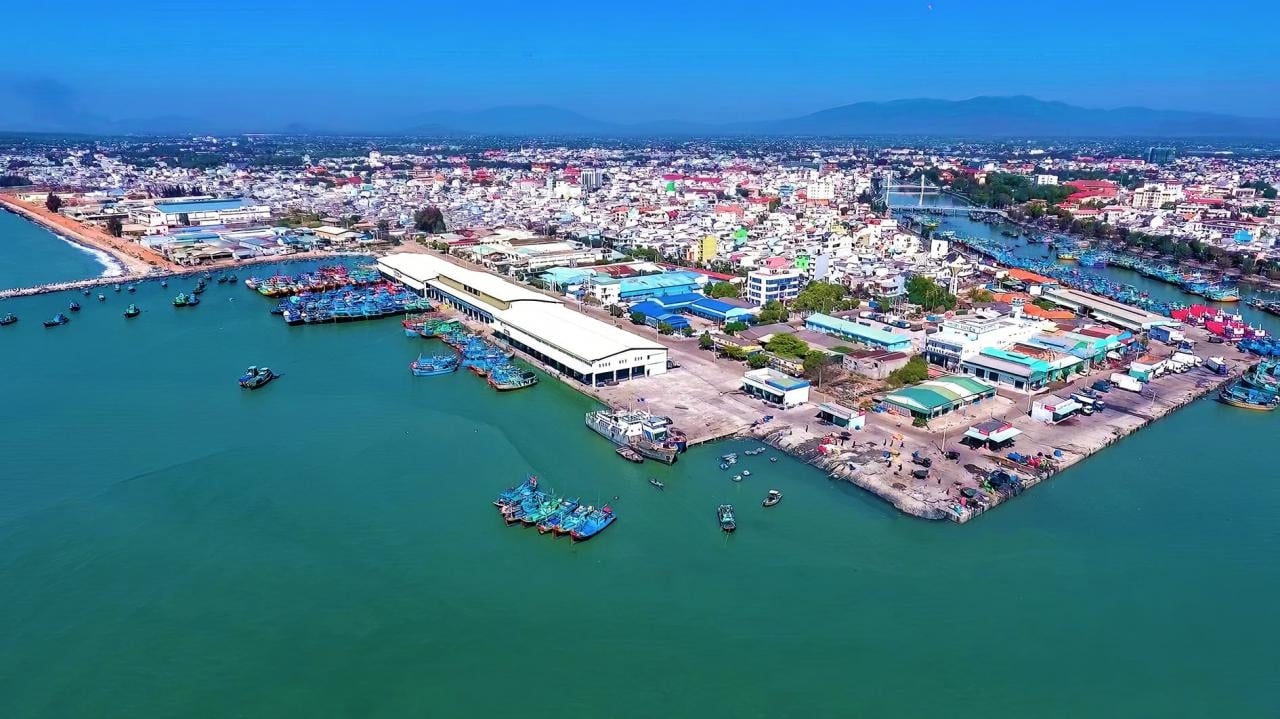
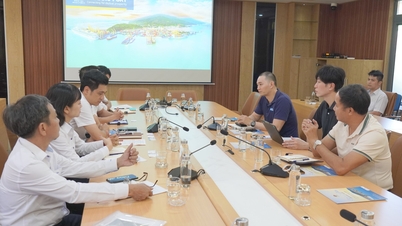
According to the Planning Law, the Provincial People's Committee will organize the announcement and public disclosure of the Provincial Planning. Therefore, in recent days, the Department of Planning and Investment has been planning to advise the Provincial People's Committee on holding a ceremony to announce the Provincial Planning in conjunction with investment promotion activities. Previously, in a meeting on related matters, provincial leaders raised the issue of proactively inviting investment to identify large investors with economic potential and expertise to contribute to the full utilization of existing potential in various fields in the province, rather than passively waiting for investors to come. In reality, this approach has not yielded the desired results. Now, with the Provincial Planning in place, there is a basis to introduce, attract, and select suitable investors.
According to the Department of Planning and Investment, the Announcement Ceremony of the Binh Thuan Provincial Planning for the period 2021-2030, with a vision to 2050, was organized with the aim of publicly disclosing the entire content of the Provincial Planning approved by the Prime Minister to all levels, sectors, the people, and the business community for implementation. At the same time, through the Announcement Ceremony, the province will showcase its potential and strengths to attract investment resources from domestic and foreign economic sectors, ensuring the achievement of growth targets in accordance with the orientation and achieving the highest efficiency in the shortest possible time.


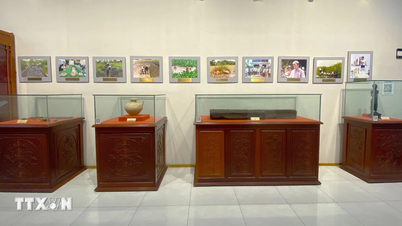
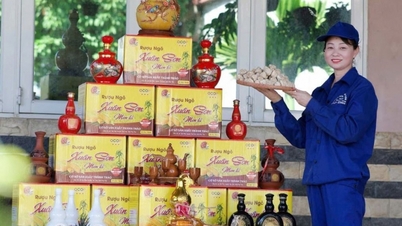
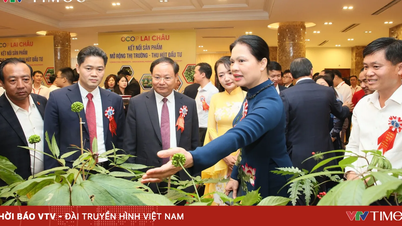
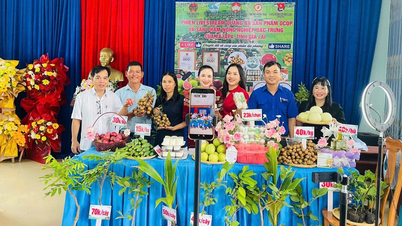
The Department also determined that the content of the Provincial Planning announcement should focus on key areas, avoiding a scattered approach, and ensuring it is easy to understand, accessible, and usable for the people and interested investors. Simultaneously, it will effectively integrate investment promotion activities focusing on three pillars: industry, tourism, and agriculture. Accordingly, it is also planned to set up booths in the reception hall to display, introduce, and promote local products of the province, chaired by four departments: Planning and Investment, Culture, Sports and Tourism, Industry and Trade, and Agriculture and Rural Development. Through this, it is hoped that Binh Thuan will attract more major investors to "fill the nest."
The trend of sharing
Provincial planning serves as a guiding principle for the socio-economic development and national defense and security of the province during this period. Notably, this development must also align with the goals and strategic directions of the national socio-economic development plan for the period 2021-2030, the national strategy on green and sustainable growth; and be consistent with the national master plan, national sectoral plans, and the planning for the North Central and Central Coastal regions for the period 2021-2030, with a vision to 2050.
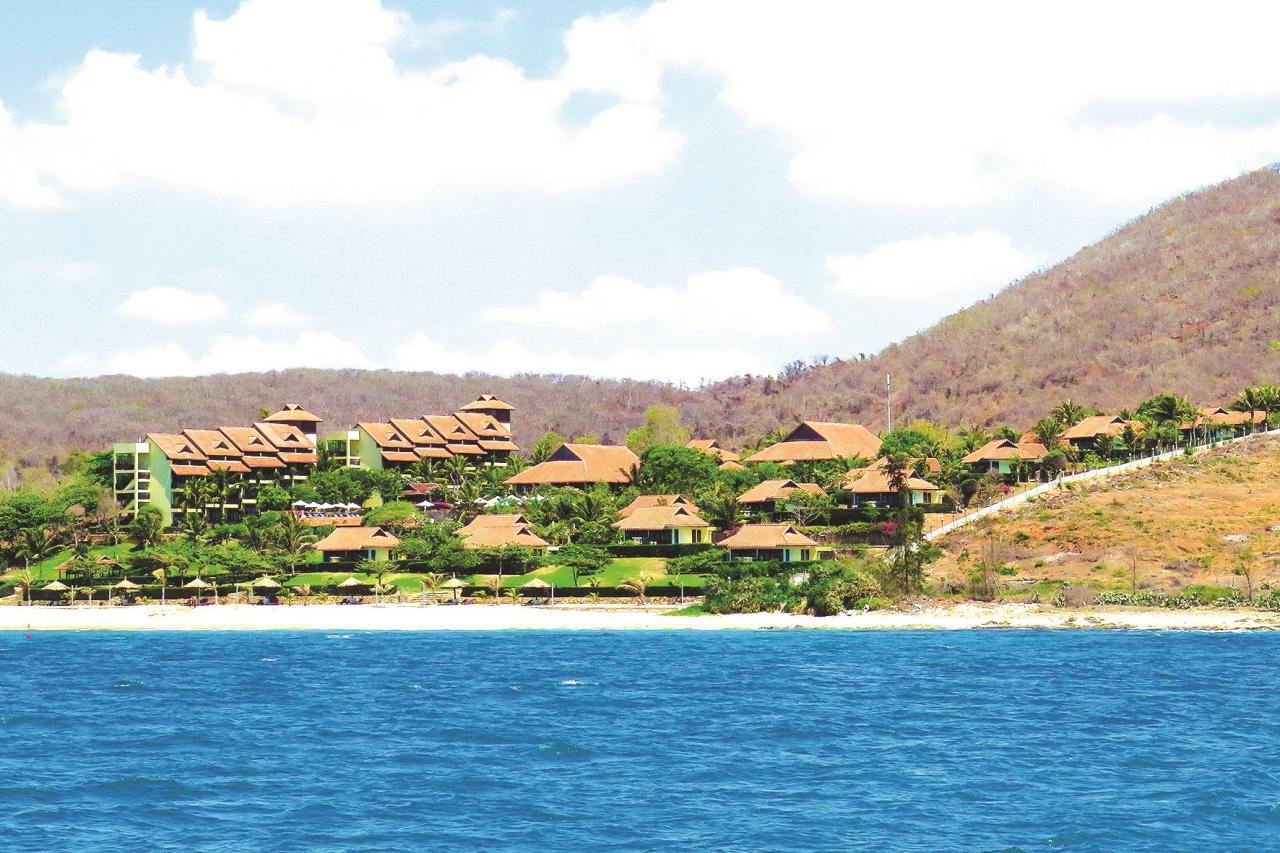
From a development perspective encompassing three areas—socio-economic development, national defense and security; the organization and arrangement of socio-economic development space, natural resource utilization, and environmental protection; and the development of socio-economic infrastructure—it is envisioned that by 2030, Binh Thuan will present a vibrant picture, provided that investment attraction and the planning and arrangement of development space are appropriate. Notably, this will highlight the diversity and richness of economic models that the province is promoting, such as the digital economy, the sharing economy, the night-time economy, the green economy, and the circular economy.
While the digital economy has spread among the people of the province as a matter of course for survival during and after the Covid-19 pandemic, the night-time economy, green economy, and circular economy have also emerged in recent years, forming representative examples and demonstrating the presence of these economic models in the province. Only the sharing economy, although nascent in the province and most clearly evident in the tourism sector, remains very new. The essence of the sharing economy is the creation of a business value chain, a collaboration between parties to create value for products, where each individual in the chain benefits from a share of the value created. In other words, it is an economic method where assets or services are shared among individuals, creating a new connection between buyers (users) and sellers (providers) in an economic activity. That is currently the economic development trend worldwide, due to the convenience it offers.



Significantly, the very nature of the sharing economy aligns with the development perspective of the Provincial Planning. This perspective emphasizes "maximizing the human factor; considering people as the center, the subject, the most important resource, and the goal of development; aiming to improve the quality of material and spiritual life and happiness of the people." No matter how much development progresses, sharing and solidarity towards civilization and progress remain the most crucial elements.
In a broad sense, the sharing economy represents a shift in the method of product delivery from transferring ownership of the product to providing a system of products and services on demand. Providers of services related to the product will connect with each other to deliver the product under the best possible conditions.
Source
![[Image] National conference summarizing one year of operation of the overall organizational model of the political system, the three-tiered government model.](https://vphoto.vietnam.vn/thumb/1200x675/vietnam/resource/IMAGE/2026/07/01/1782882811691_ndo_br_1-jpg.webp)