|
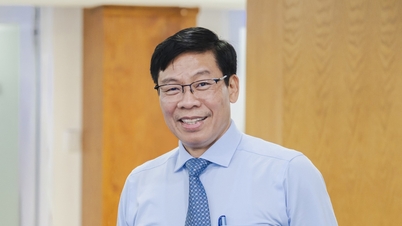
Deputy Prime Minister Le Tien Chau . Photo: VGP/Thu Sa. |
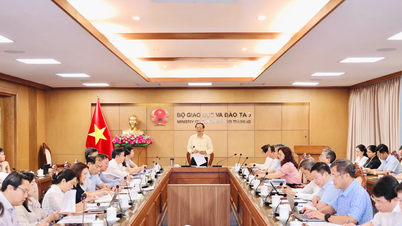
On the morning of June 26, at the Government Headquarters, Deputy Prime Minister Le Tien Chau chaired a meeting to implement the results of the working session between General Secretary and President To Lam and the education and training sector.
On behalf of the Government leadership, the Deputy Prime Minister acknowledged the efforts of the Ministry of Education and Training in actively, urgently, and seriously implementing the tasks in Resolution 71, especially the many positive changes since the working session with General Secretary and President To Lam.
However, the deputy prime minister also frankly noted that the education sector needs to make more effort to meet the requirements.
"We have focused primarily on improving institutions, preparing policies, and issuing documents. However, the real transformation in individual schools, classrooms, in the lives of teachers, the learning experiences of students, and the trust of parents has not yet been truly evident," according to the Deputy Prime Minister.
The Deputy Prime Minister emphasized that this is not just a matter for the Ministry of Education and Training, but for the entire education sector and system, in which the role of localities is very important. Therefore, he requested the Ministry of Education and Training to focus on directing a number of key areas.
Managing issues of excessive fees, tutoring, and extra classes.
Specifically, the Ministry of Education and Training, in coordination with relevant agencies, will report to the Prime Minister in detail the surplus and shortage of teachers after the allocation of staffing quotas in 2026, and simultaneously propose solutions for the 2026-2027 school year; this report must be submitted to the Prime Minister before July 10th.
In the long term, the Ministry of Education and Training should lead research into reforming the mechanism for managing teacher staffing. This roadmap needs to be linked to the reorganization of schools, a review of staffing levels, and working conditions in public educational institutions.
To prepare for the start of the school year, the Ministry of Education and Training needs to coordinate with localities to conduct a comprehensive review of teachers, classrooms, textbooks, teaching equipment, school safety, and the risk of student dropout. Based on this, localities must commit to taking responsibility for preparing all necessary conditions for the start of the school year.
At the same time, the ministry should encourage provinces and cities to proactively allocate local budgets and mobilize legitimate resources to provide practical support for students, especially in disadvantaged areas, remote areas, and industrial zones.



Regarding the issue of excessive fees, the Deputy Prime Minister requested the Ministry of Education and Training to research and issue a publicly available, standardized model nationwide for fees collected at the beginning of the school year, clearly distinguishing between mandatory fees, service fees, and voluntary contributions. This must be standardized across the country.
In addition, the Ministry of Education and Training is studying the establishment of a hotline to receive complaints about excessive fees, forced tutoring, and disguised supplementary teaching; and will publicly disclose the process and deadline for handling complaints.
Regarding the issue of reducing academic and exam pressure for students, according to the Deputy Prime Minister, career guidance is very important, shaping the life path of learners and is also one of the solutions to reduce exam pressure.
The Ministry of Education and Training needs to conduct a comprehensive review of the entire curriculum, minimizing unnecessary procedures and paperwork, and even considering eliminating subjects that are no longer relevant in the current context, given the significant support provided by artificial intelligence in teaching and learning.
Regarding examinations, it is necessary to proactively choose the optimal organizational method that both reduces pressure on students and ensures quality and fairness.
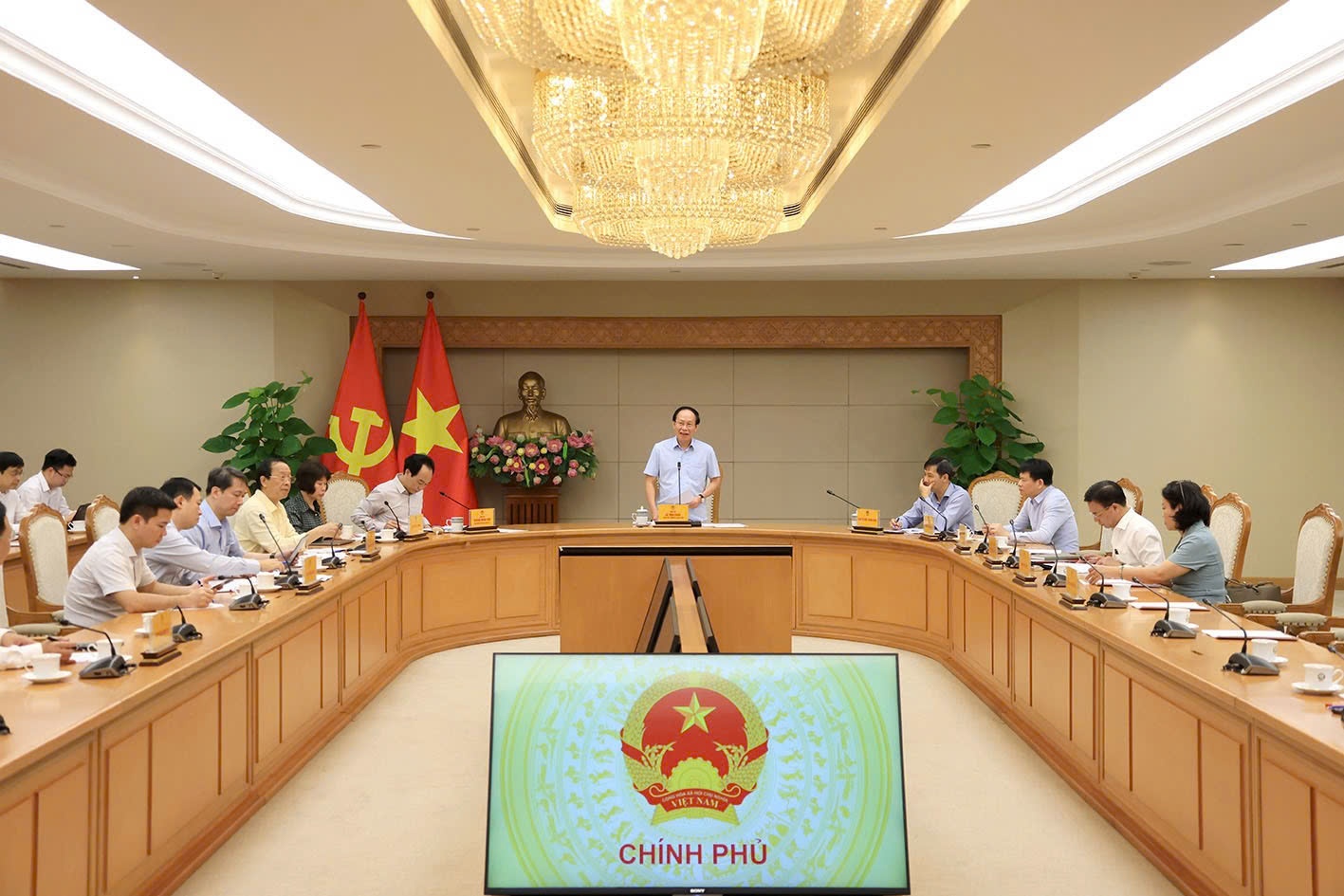 |
Deputy Prime Minister Le Tien Chau assigned specific tasks to the Ministry of Education and Training. Photo: VGP/Thu Sa. |
Researching options for managing social media usage.
Regarding school safety, the Deputy Prime Minister requested the Ministry of Education and Training to coordinate with other ministries, sectors, and localities to conduct a comprehensive review and inspection of schools before the start of the school year. The coordination process between schools, families, and relevant authorities needs to be improved to proactively prevent and promptly handle incidents.
Specifically, the management system must strictly address school violence, e-cigarettes, and drugs, while also tightening food safety and hygiene inspections both inside and outside school gates.
Besides promoting physical education and arts and culture, the Deputy Prime Minister also agreed to the proposal to study options for managing the use of social media in a controlled manner.
Regarding boarding schools for all levels in border communes, according to a review by the Government Office, only 13 out of 21 localities have submitted written commitments, while 8 localities have not fully complied. The Deputy Prime Minister criticized the chairmen of the People's Committees of these localities.



He instructed the Ministry of Education and Training to take the lead in researching and publicly disclosing the progress of implementation. In subsequent phases, if any locality is behind schedule, the information should be publicly disclosed on the information portal to enhance monitoring. At the same time, the ministry must regularly urge localities to fulfill their commitments and follow the directives of the Government leaders.
On Saturday, the Ministry of Interior, in coordination with the Ministry of Education and Training, will immediately review the current situation of civil servants in charge of education at the commune level; clarifying which areas lack personnel, where officials are burdened with too many responsibilities, and where there is a shortage of expertise, in order to develop plans for training, guidance, and professional support before the new school year.
Eighth, the Ministry of Education and Training will review and direct that no additional documents, records, or reports beyond the regulations be generated in the first semester of the next school year. According to the Deputy Prime Minister, digital transformation must help teachers reduce administrative tasks so they have more time to invest in lessons, students, and professional development; educational reform should not mean an increase in paperwork for teachers.
Source: https://znews.vn/sap-cham-dut-van-de-lam-thu-ep-hoc-them-post1663392.html