|
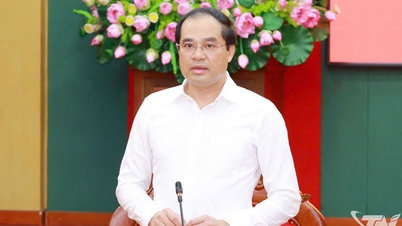
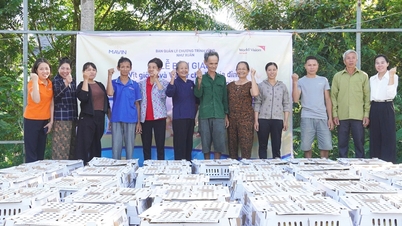
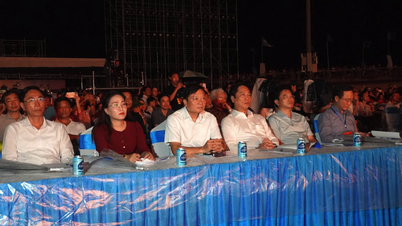
| The leaders of Nghiên Loan commune discussed with Party members and residents of Khuổi Ún village the policy of merging villages and residential areas. |
Nghien Loan is a mountainous commune located in the northern part of the province, characterized by its fragmented terrain and unique customs and traditions. Following the policy of merging villages and residential areas, the commune has developed a plan to reorganize its structure, reducing the number of villages from 28 to 12.
Mr. Hu Van Phay, a Mong ethnic minority resident of Khuoi Un village, Nghien Loan commune, said: "I hope that after the village merger, the government will pay more attention to the people so that their lives will improve and there will be no more poor households. I also hope that infrastructure such as bridges, roads, schools, and irrigation canals will be invested in to serve production."
To achieve this consensus, local Party committees and authorities have strictly implemented a cautious and flexible approach, respecting cultural identity and avoiding a mechanical, leveling approach. The exemplary conduct of senior Party members has provided a solid foundation for the people to learn from and follow.
Ms. Hoang Thi Sien, Secretary of the Party Branch of Khuoi Un village, Nghien Loan commune, shared: "After assessing the situation, the villagers are very enthusiastic and completely agree with the merger plan. After the merger, the village area will be larger and there will be opportunities for cultural exchange, thereby allowing for the sharing of experiences in economic development."
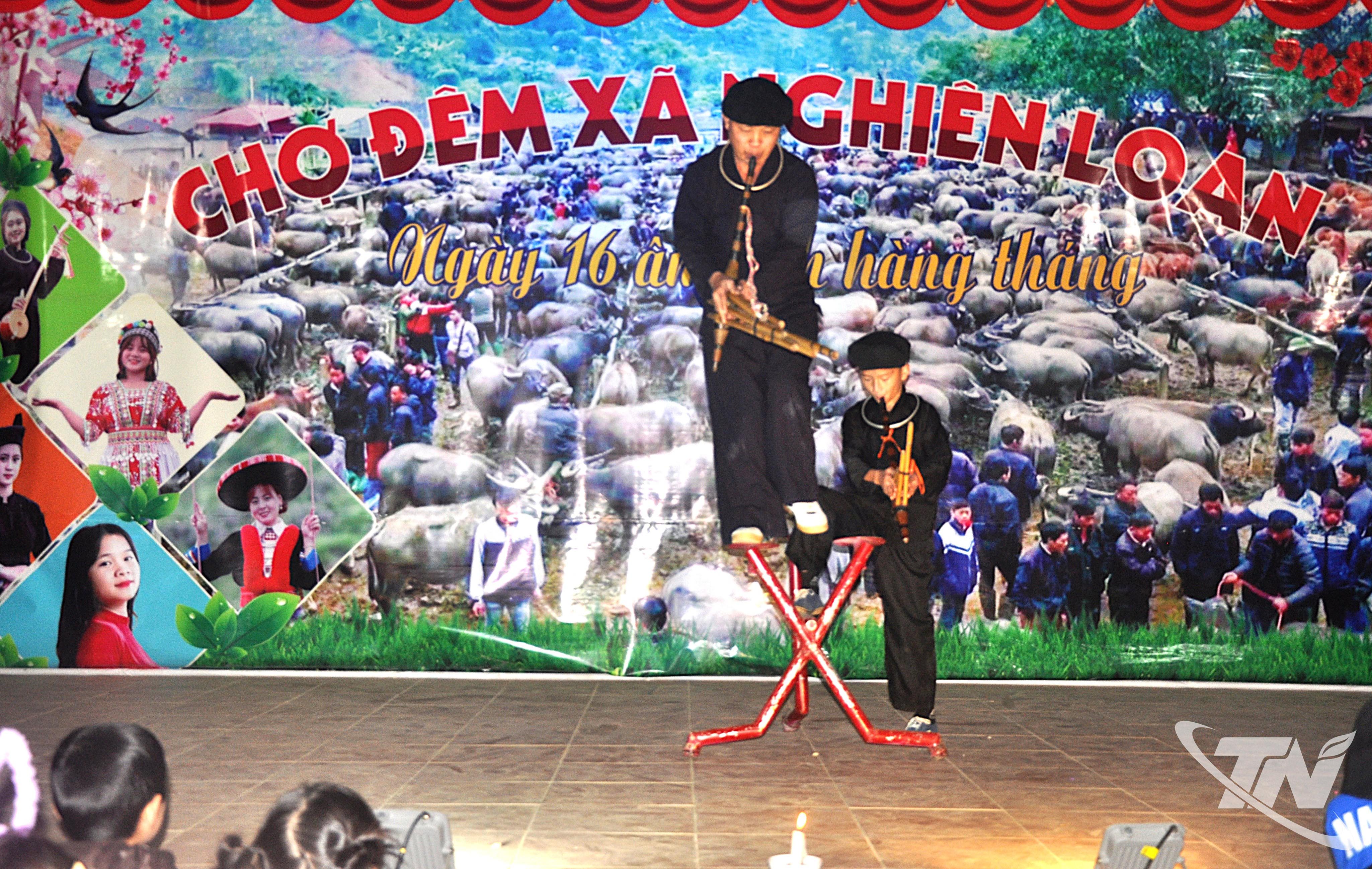 |
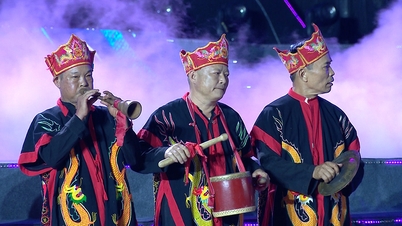
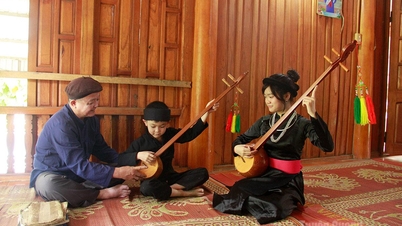
| The beautiful traditional cultural features of the ethnic groups in Nghiên Loan commune are carefully preserved. |

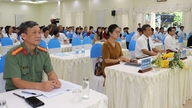

Once the commune-level administrative units have been reorganized, the system of villages and residential areas also needs to be reviewed and rearranged accordingly to ensure uniformity in management, improve operational efficiency, concentrate investment resources, and better serve the people, while ensuring democracy, transparency, and a people-centered approach.
All options were thoroughly reviewed, incorporating feedback from voters and taking into account factors such as history, culture, customs, geographical conditions, and community cohesion.
“In implementing the Government 's decrees and directives, and the provincial and commune's guiding documents, we have established a working group, organized a review of villages, developed plans, and simultaneously conducted propaganda and organized meetings with village heads, Party branch secretaries, and village front leaders. The village merger creates new development opportunities without affecting the customs and traditions of the people. The policy of merging villages and residential areas also shows the major decisions of the Central and local governments in concentrating investment resources for localities, especially mountainous areas,” emphasized Hoang Van Ngon, Vice Chairman of the Nghien Loan Commune People's Committee.
The people not only receive full information but also directly participate in contributing opinions and monitoring the implementation process. Furthermore, the reorganization does not mean the loss of the village name, cultural beauty, or traditions of the community.
Conversely, when resources are more concentrated, valuable cultural values, festivals, and customs will have better conditions to be preserved and promoted.
According to the review, the province currently has 3,145 villages and residential areas, of which 2,452 units do not meet the standards according to the new draft regulations of the Government.
The restructuring is identified as a key task aimed at improving the organization of the political system at the grassroots level, enhancing the effectiveness and efficiency of state management, and improving the quality of service to the people within the two-tiered local government model.

The ultimate goal of reorganizing villages and residential areas is not only to reduce administrative layers but also to improve the quality of governance at the grassroots level, promote digital transformation, efficiently utilize resources, and build a government that is closer to the people, more responsive to their needs, and serves them better.
With the involvement of the entire political system and the consensus of the people, the reorganization of villages and residential areas in Thai Nguyen province will contribute to creating a solid foundation for rapid and sustainable development in the future.
Source: https://baothainguyen.vn/xa-hoi/202606/sap-xep-thon-to-dan-pho-dong-thuan-tu-co-so-a270045/