The name is linked to history and culture.
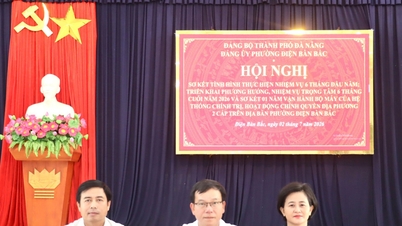
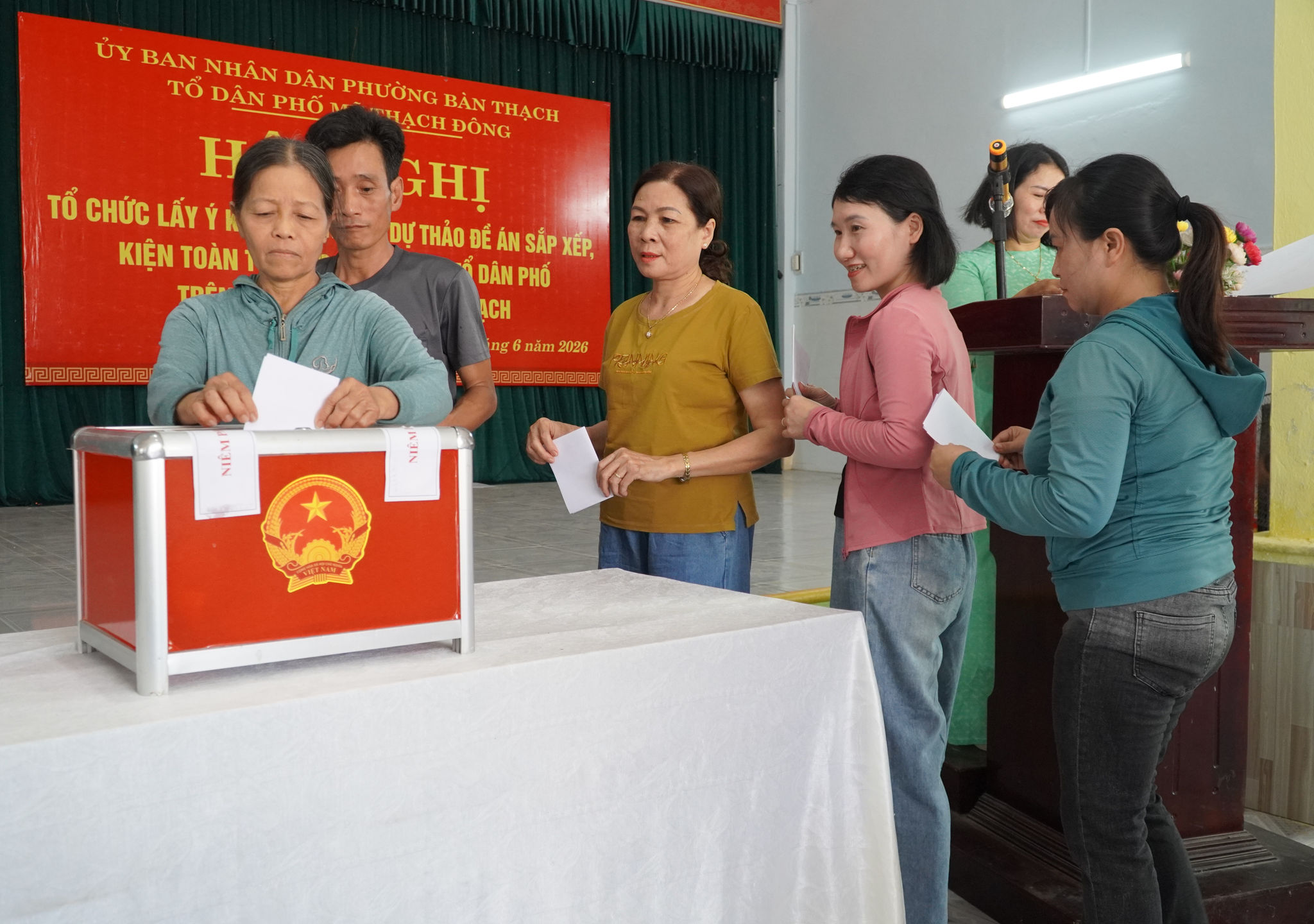
The Ban Thach ward is expected to reduce the number of residential groups from 24 to 15. The names of the new residential groups after the reorganization will be associated with historical elements, relics, traditional culture, and local customs, such as My Thach, Tan Thanh, Tam Thang, Phuong Hoa, etc. The draft proposal, submitted for public consultation by the Ban Thach Ward People's Committee, specifically explains the naming of the new residential groups after the reorganization and has received high consensus from voters representing households.
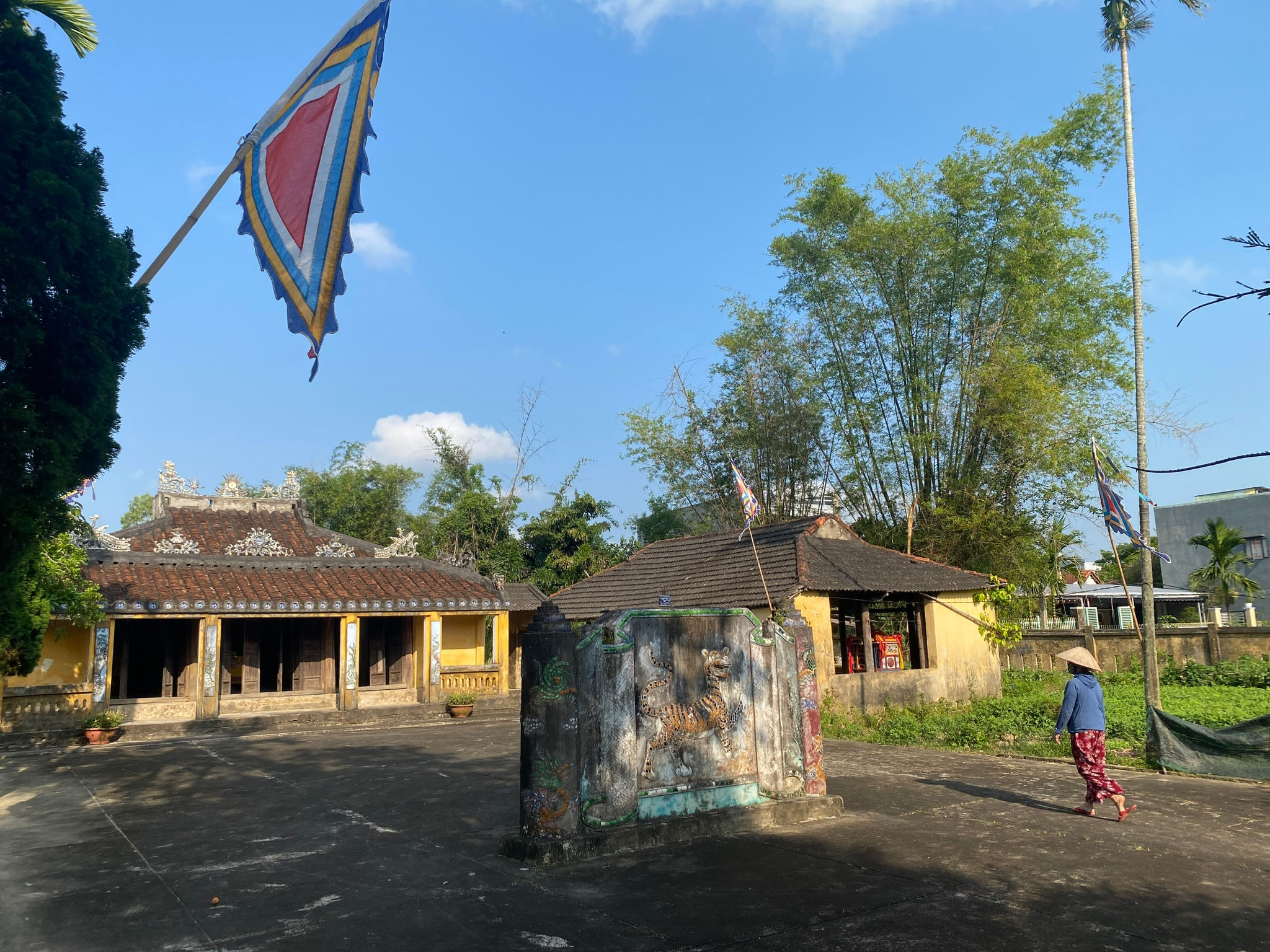
For example, My Thach Dong residential area (513 households) merged with My Thach Trung residential area (695 households) to form a new residential area named My Thach (1,208 households). This is the name of the ancient village of My Thach, dating back to the mid-Nguyen Dynasty, associated with the My Thach village communal house (built in 1832), which has the characteristic architecture of a village communal house in the southern part of the city.
According to Ms. Pham Thi Thuy Uyen, Head of the Front Committee of My Thach Dong residential area, the results of the voter representative survey showed that 99.9% agreed with the new name of the residential area after the reorganization, which is My Thach.
According to the reorganization plan, Son Cam Ha commune will be reduced from 20 to 9 hamlets, and the naming of the new hamlets will be explained in detail, abandoning the sequential naming convention. For example, hamlets 1, 2, and 3 (formerly Tien Son commune) will merge to form the new Phu Truong hamlet. Hamlets 4, 5, and 6 (formerly Tien Son commune) will merge to form the new Phu Lam hamlet.
According to Mr. Dang Tan Minh, Secretary of the Party Branch of Hamlet 5, the naming of the new hamlet, as proposed in the draft plan of the Son Cam Ha Commune People's Committee, ensures cultural elements, geographical features of the area, and the expectations of the majority of the people. The name Phu Truong hamlet is associated with the pioneering ancestors who settled the land, while the name Phu Lam hamlet is associated with the modernization movement of Mr. Le Co.
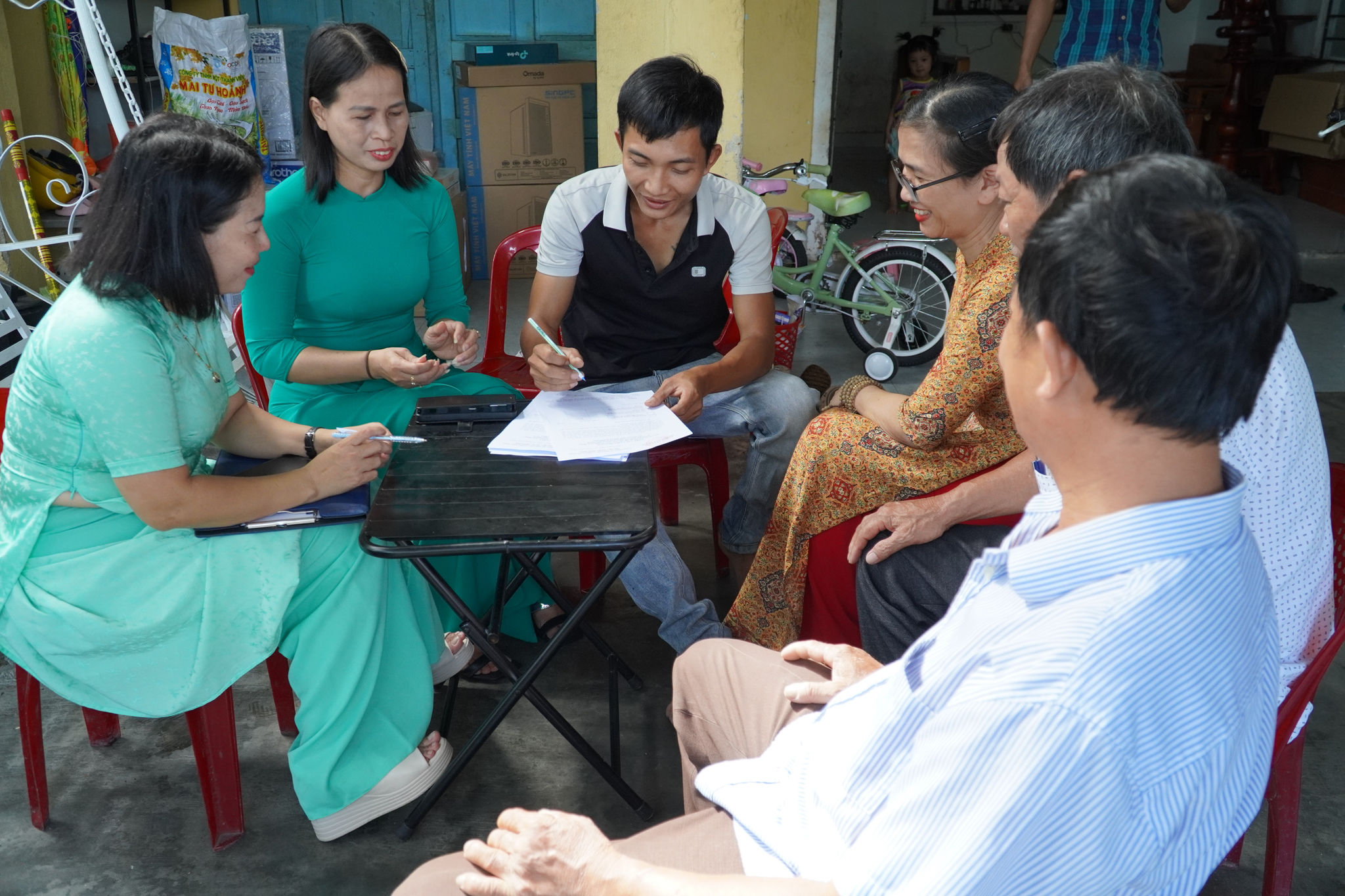


Ba Na commune currently has 22 villages. After reviewing the population data, only 3 villages meet the standards. The remaining 19 villages will be reorganized into 7 new villages, while also meeting the criteria for population density in residential areas when Ba Na commune is upgraded to a ward.
Mr. Nguyen Phu Kiem, Secretary of the Party Branch of My Son village (Ba Na commune), shared that although there are still some concerns about the name, after consulting with the people, most expressed agreement, especially regarding the restoration of old names that were associated with the local history and culture; in particular, the merger of My Son village with Phuoc Dong village into Son Phuoc village. Mr. Nguyen Phu Kiem said that naming the new village was quite smooth because My Son and Phuoc Dong were originally separated from Son Phuoc village, and now they are considered to be reunited.
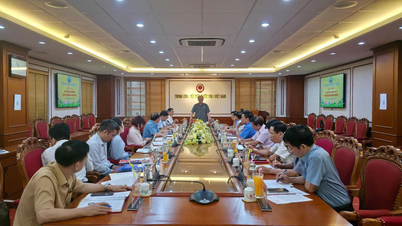
Gathering broad feedback
Based on observations, there are still some areas where naming new villages after reorganization is not easy, especially those formed by merging several smaller villages. According to Mr. Le Duc Phuong, Head of the Culture and Social Affairs Department of Ba Na Commune, the local authorities always strive to achieve the highest level of consensus based on geographical, historical, and cultural factors of each village.
“In addition to the regulations and guidelines of Decree No. 185/2026/ND-CP on naming conventions for residential areas and villages, we have established working groups in 22 villages in the commune to learn about the origins, culture, customs, and history of the villages and clans. Especially focusing on local factors and geographical features, we will then suggest, analyze, and guide the people to understand and unanimously choose the name that best represents the land associated with each village,” Mr. Phuong said.
According to Mr. Bui Van Tieng, Chairman of the Da Nang City Historical Science Association, naming new hamlets and residential areas requires attention to several issues that were previously encountered when merging communes and wards. Specifically, for residential areas, naming can follow a numerical sequence, but for hamlets, the use of numerical names should be limited. Instead, names associated with ancient place names of the region should be used, which also contributes to preserving the names of old villages and lands.
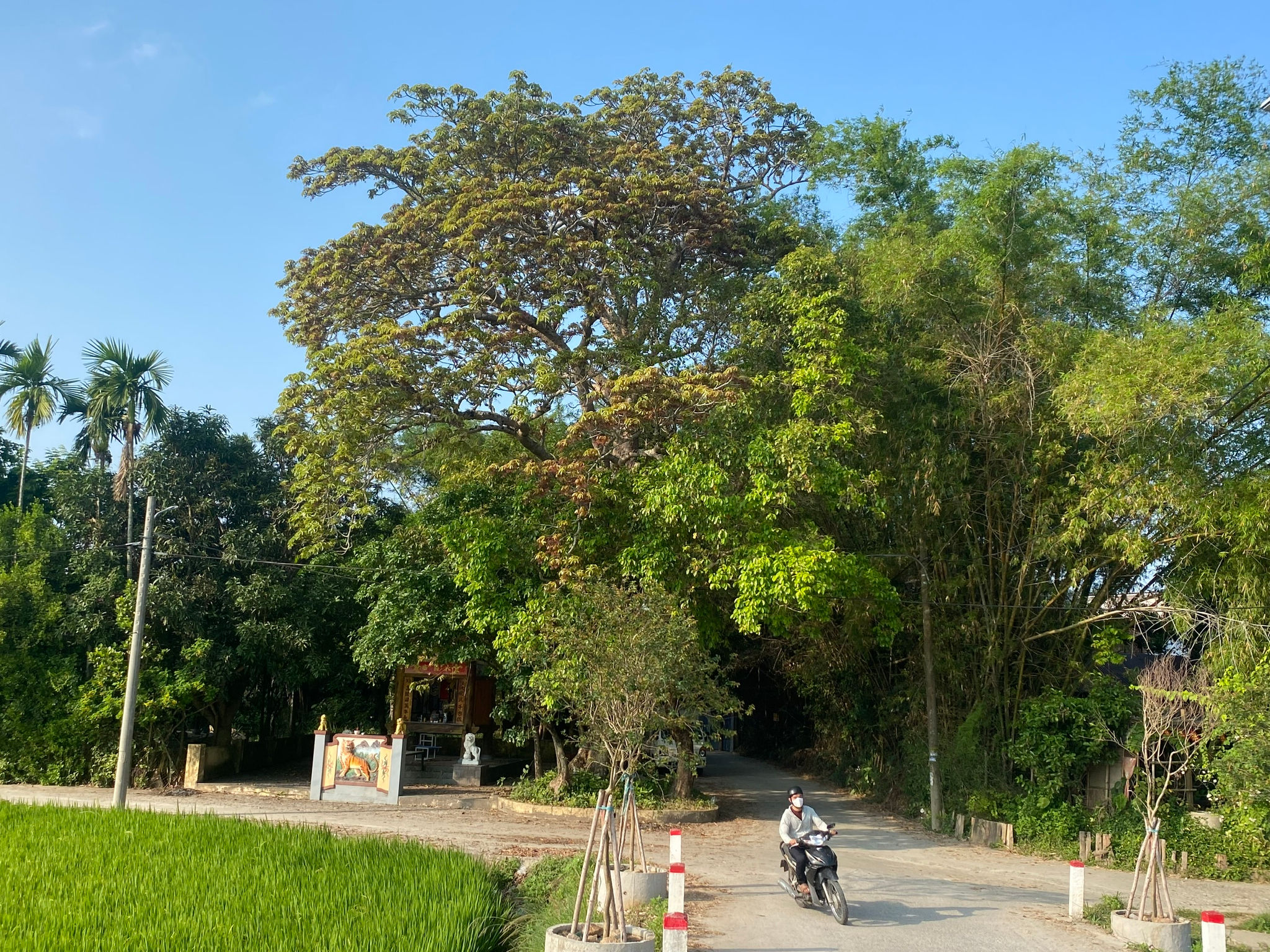



In particular, many people believe that in cases where multiple villages are merged, it is necessary to select a representative village name to retain, avoiding the practice of combining individual letters from each village to create a new village name. Furthermore, research should be conducted on reusing some of the previously representative names of communes and wards (which were lost due to mergers) to name the villages and residential areas, such as Nai Hien, Thach Thang, Phuoc Ninh, Minh An, Dien Nam, etc., in order to incorporate the old place names into the new village and residential area names.
"I think after compiling the names of villages and residential areas based on suggestions from communes and wards, the City People's Committee can organize a consultation process for cultural and historical researchers to provide direct feedback or submit written recommendations before making a decision, in order to ensure that the names meet the criteria and represent the typical cultural and historical values of the region," Mr. Tieng said.
Source: https://baodanang.vn/sap-xep-thon-to-dan-pho-luu-giu-ten-dat-ten-lang-3342273.html