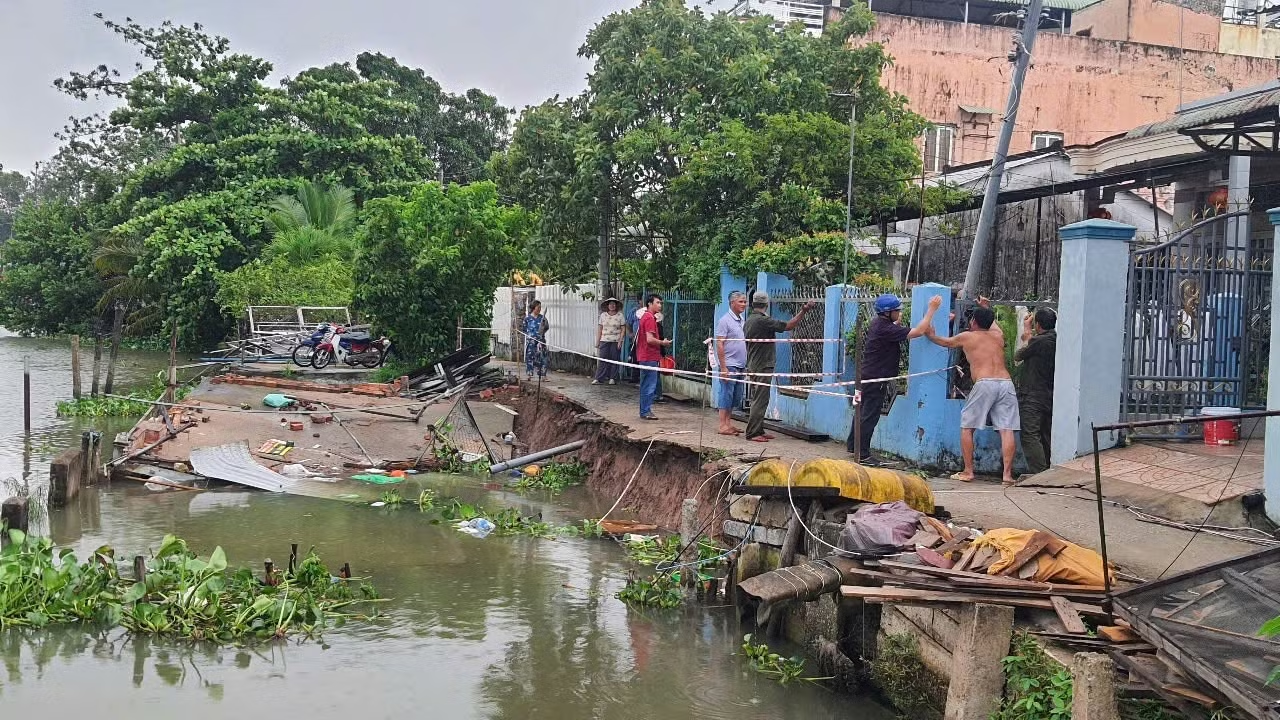
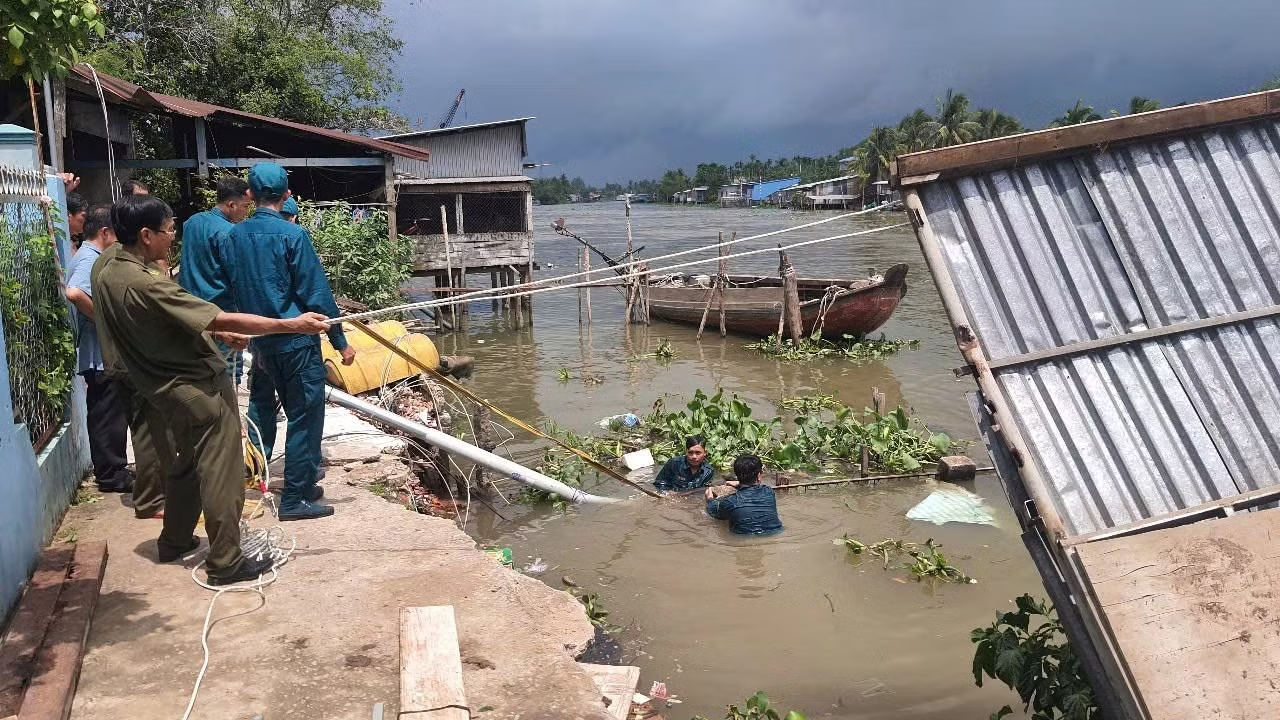
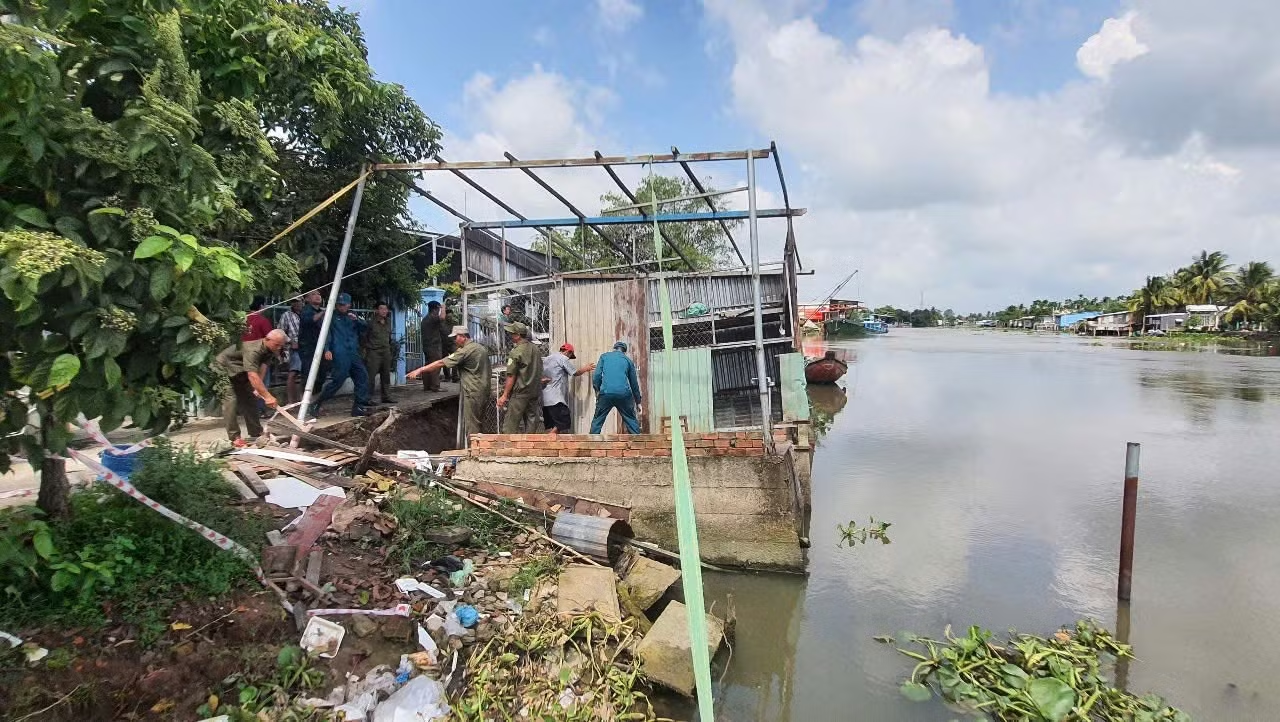
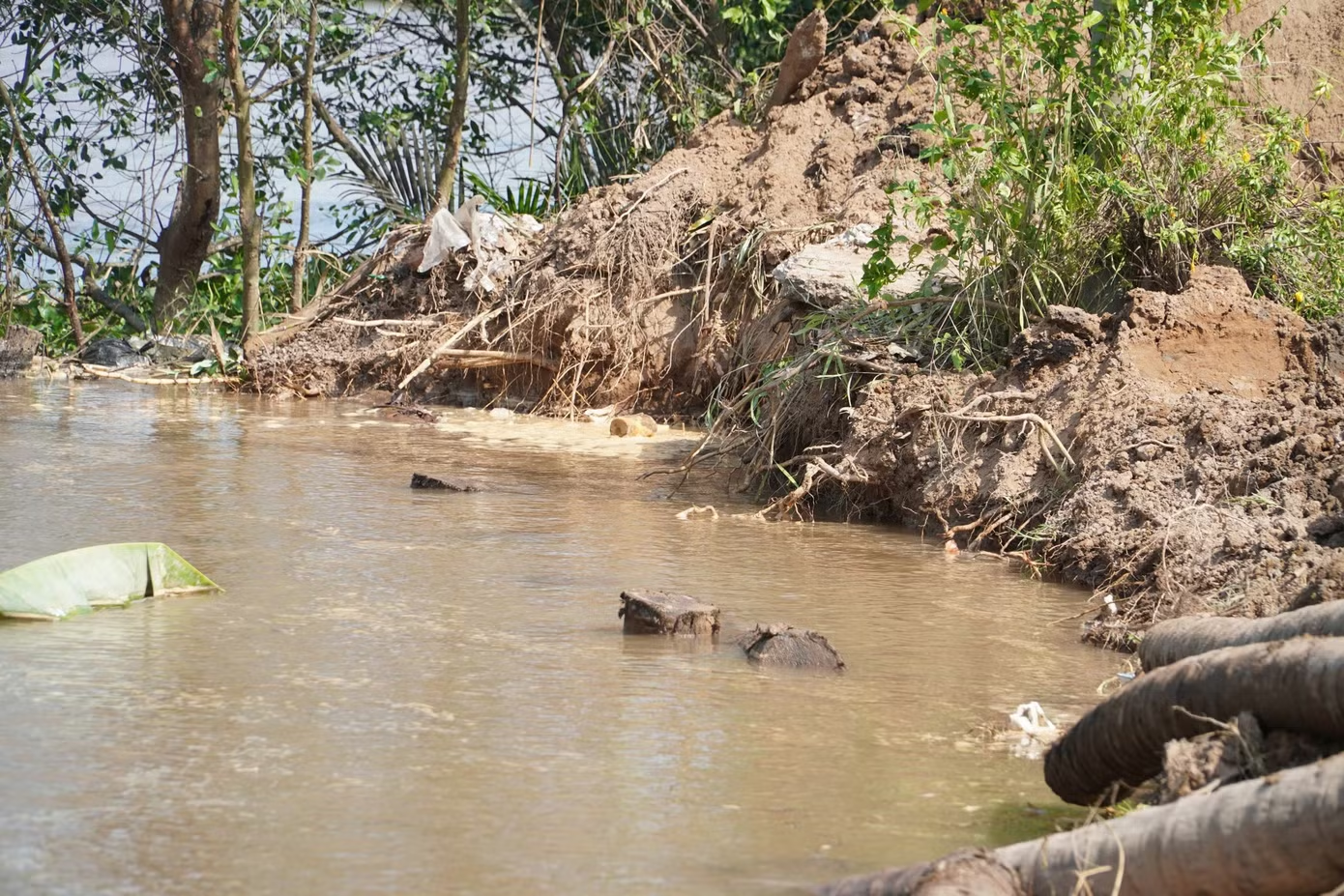
According to the People's Committee of O Mon Ward ( Can Tho City ), a riverbank landslide occurred in the early morning of June 6th, spanning approximately 30 meters and affecting two households, with one house collapsing into the river. Fortunately, there were no casualties.
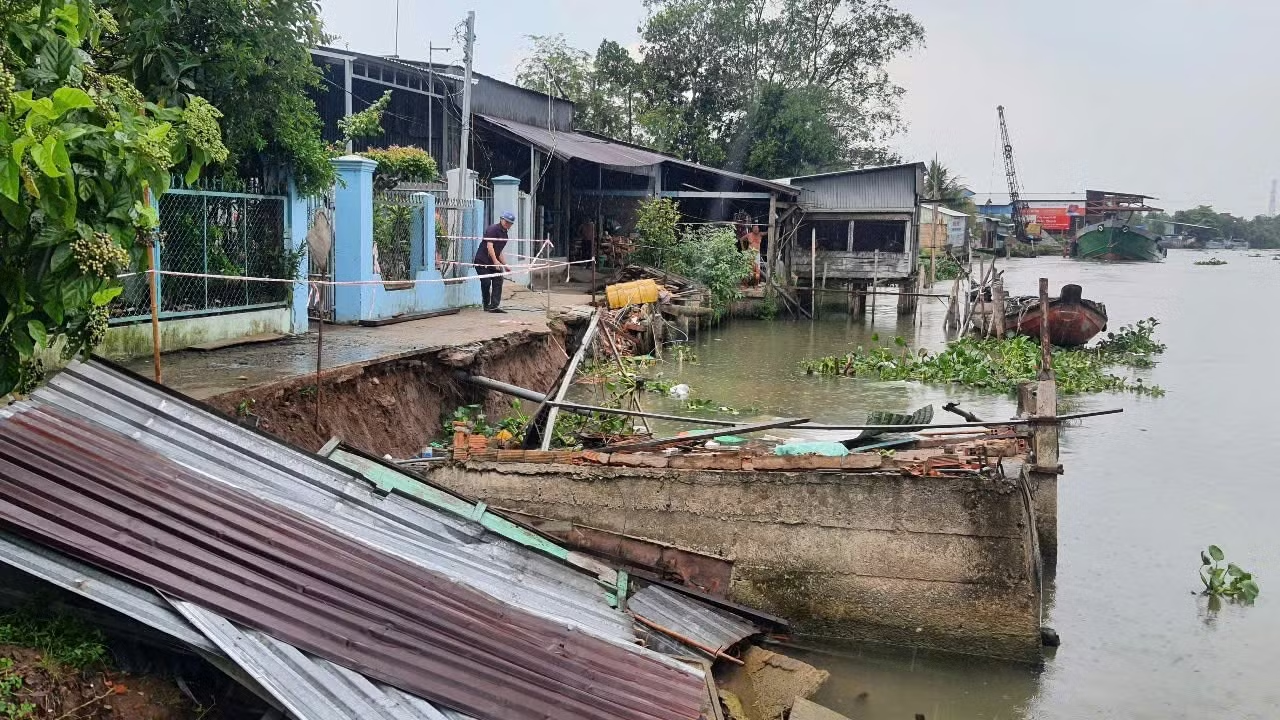
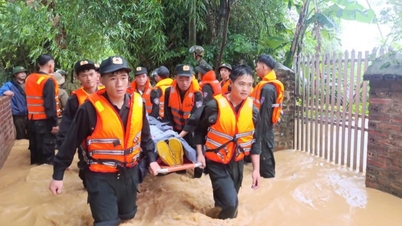
Upon receiving the report, local leaders directed relevant forces to promptly arrive at the scene to implement response measures. The forces cordoned off the dangerous area and assisted residents in relocating their belongings.
Local authorities have also intensified monitoring of developments in the landslide area, erected warning signs, and deployed personnel to ensure the safety of residents.
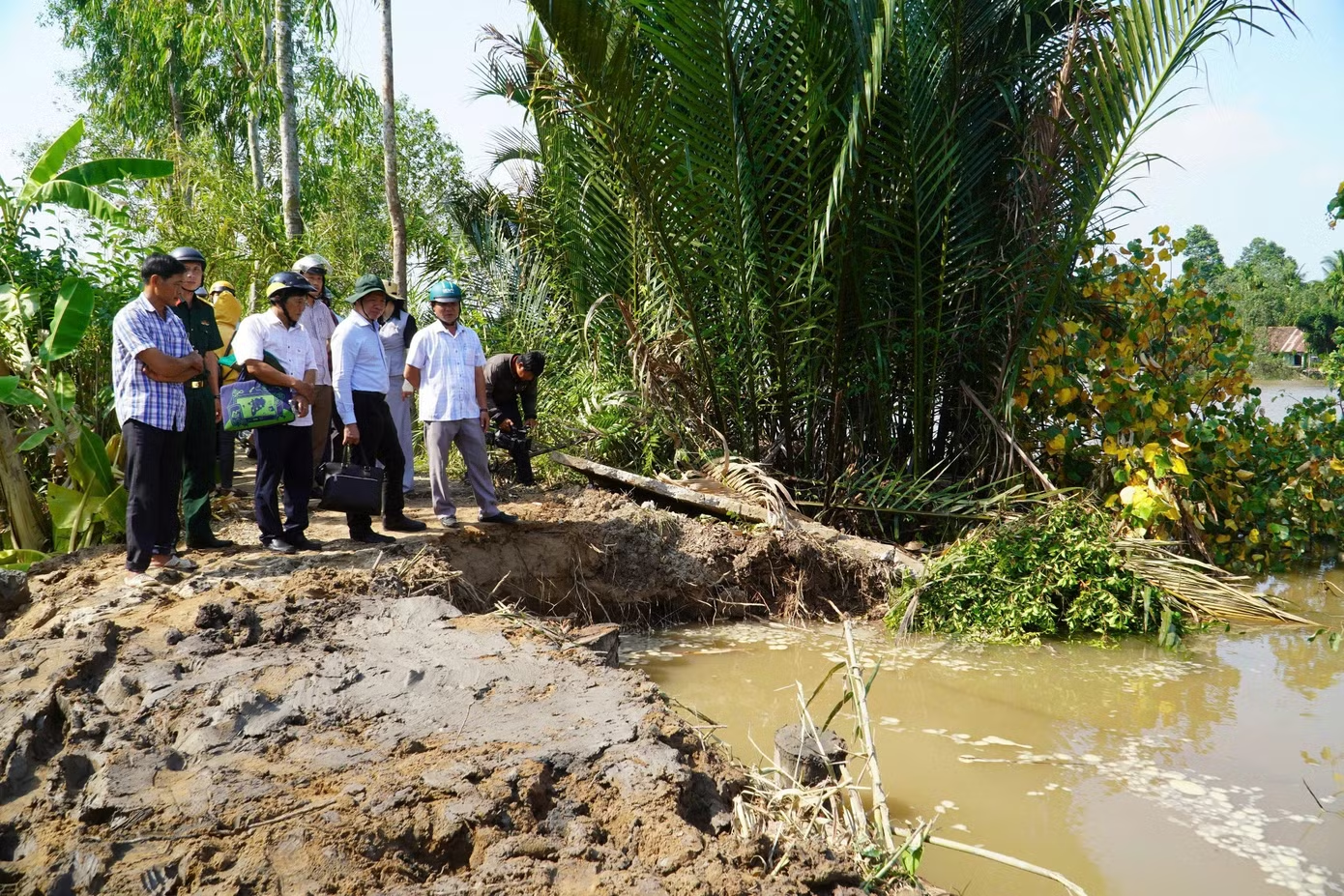
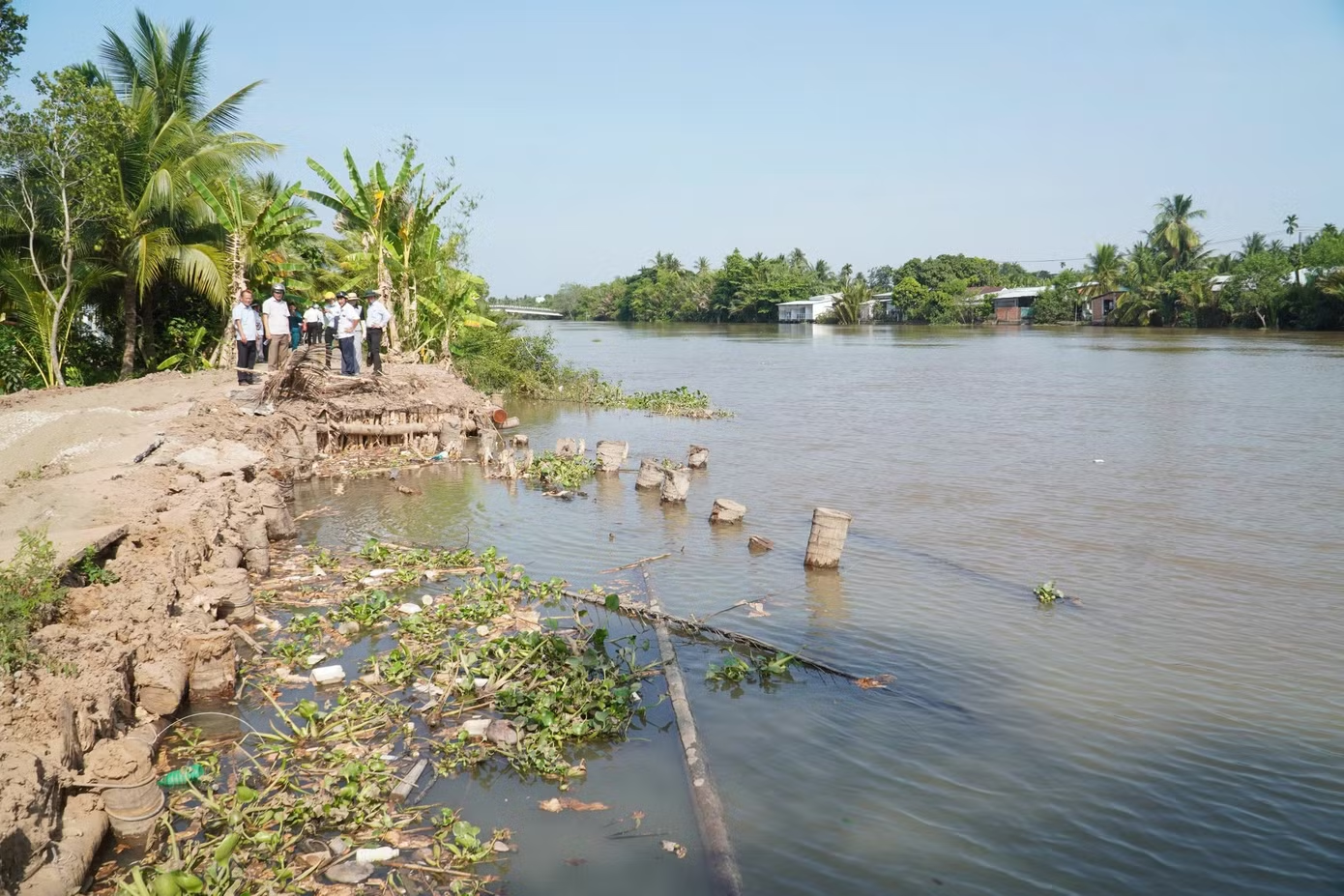
Reportedly, just a few days prior, the leaders of O Mon ward inspected and assessed the situation at several locations in the area. Currently, the local authorities are mobilizing and assisting residents to relocate from areas at risk of landslides. This includes a landslide site in Thoi Thanh A, where the affected section is approximately 65 meters long and extends 2-2.5 meters inland.
In the first five months of this year, Can Tho continued to record nearly 60 new landslide points, concentrated along major canals and vital waterways such as the O Mon, Binh Thuy, Tra Noc, Nang Mau, and Rach Mop rivers…
For example, the landslide that occurred on May 23rd at the Ba Xam sluice gate in Dai Ngai commune completely swept away a section of the riverbank approximately 20 meters long and 2 meters deep. Another example is the landslide on May 18th, which caused the collapse of a 30-meter-long, 4-meter-wide section of concrete road along the Ben Ba river in Hung Phu ward.
Given the complex nature of the landslides, Can Tho is mobilizing all resources to protect the lives and property of its people, with emergency situations declared in some areas to ensure timely response measures.



However, completely resolving landslide hotspots is currently facing significant financial difficulties. For example, in Nhon My commune, only 27 out of 69 points have been addressed, leaving 42 points unresolved due to a lack of funds.
According to the leaders of the Can Tho Department of Agriculture and Environment, for vulnerable areas, the construction of a solid embankment system is necessary both in the short and long term.
Mr. Tran Chi Hung, Vice Chairman of the People's Committee of Can Tho City, said that landslides are becoming increasingly complex and unpredictable. However, relocating residents from landslide-prone areas is difficult due to the long-standing living habits of the people closely associated with rivers and waterways. Can Tho also lacks suitable resettlement land for poor households who have built temporary houses along the riverbanks without legal land use rights.
According to Mr. Hung, the city also faces the problem of a shortage of landfill materials, as riverbed sand reserves are gradually depleting. Meanwhile, abundant sea sand resources lack specific technical standards for application in freshwater areas to avoid soil salinization.



At the conference held last May to implement Conclusion No. 26-KL/TW of the Politburo on preventing and combating subsidence and landslides in the Mekong Delta, Can Tho proposed that the central government urgently provide approximately 570 billion VND to address serious landslide areas and invest in a project to combat pollution in the Khai Luong canal. The city also proposed that relevant ministries and agencies promptly issue guidelines on the use of sea sand for land reclamation; and develop a comprehensive plan for relocating residents in landslide-prone areas, combined with policies to eliminate temporary and dilapidated houses.
Source: https://tienphong.vn/sat-lo-dat-nhieu-khu-vuc-o-can-tho-post1849382.tpo