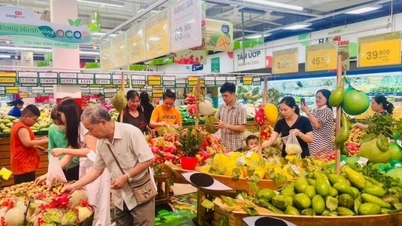
Over the past half-century since the city of Saigon - Gia Dinh officially received the honor of being named after President Ho Chi Minh (July 2, 1976 - July 2, 2026), Ho Chi Minh City has undergone significant transformation, becoming the economic engine of the entire country.

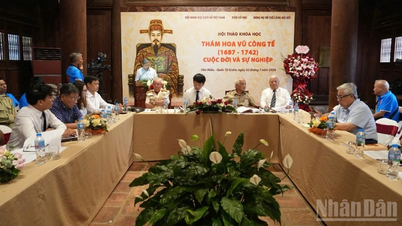
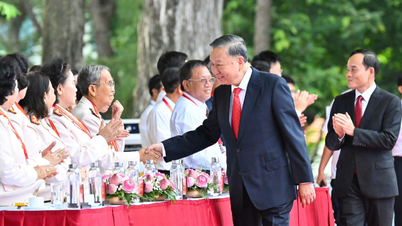
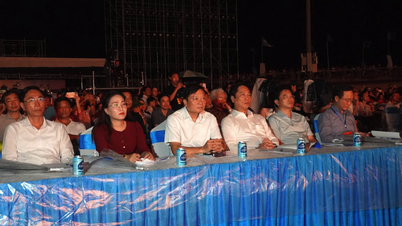
Mr. Pham Chanh Truc (86 years old, alias Nam Nghi), former Deputy Head of the Central Economic Committee, former Standing Deputy Secretary of the City Party Committee, and former Chairman of the People's Council of Ho Chi Minh City (third from the left), poses for a photo with delegates during the 50th anniversary celebration of Saigon - Gia Dinh city being named after President Ho Chi Minh. Photo: Nguyen Thuy.
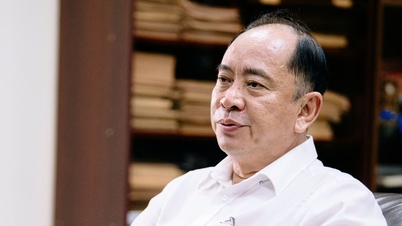
On this historic occasion, Mr. Pham Chanh Truc (86 years old, alias Nam Nghi), former Deputy Head of the Central Economic Committee, former Standing Deputy Secretary of the City Party Committee, and former Chairman of the People's Council of Ho Chi Minh City, shared his thoughts with a reporter from the Agriculture and Environment Newspaper about the city's development journey from the early days after liberation to its aspiration to become a modern megacity.
As one of the cadres who rose through the ranks of the revolutionary movement in Saigon - Gia Dinh, after the reunification of the country, Mr. Pham Chanh Truc successively held many important positions such as Director of the Department of Education and Training, Secretary of the District Party Committee of District 5, Vice Chairman of the People's Committee of Ho Chi Minh City, Standing Deputy Secretary of the City Party Committee, Chairman of the People's Council of Ho Chi Minh City, Deputy Head of the Central Economic Committee and Head of the Management Board of the Ho Chi Minh City High-Tech Park.
According to Mr. Truc, the National Assembly's decision to rename Saigon - Gia Dinh to Ho Chi Minh City on July 2, 1976, was a special honor not only for the city but also for the entire South. This honor has become the driving force for the Party Committee, government, and people of Ho Chi Minh City to always uphold a sense of responsibility and be pioneers in economic development and institutional reform.
"We are proud to be citizens of this historic city, and we must live up to its role as the economic engine and driving force for the development of the entire region," Mr. Truc emphasized.
Looking back over the past 50 years, Mr. Truc believes that the biggest turning point for Ho Chi Minh City came from the process of reform and development of a socialist-oriented market economy.
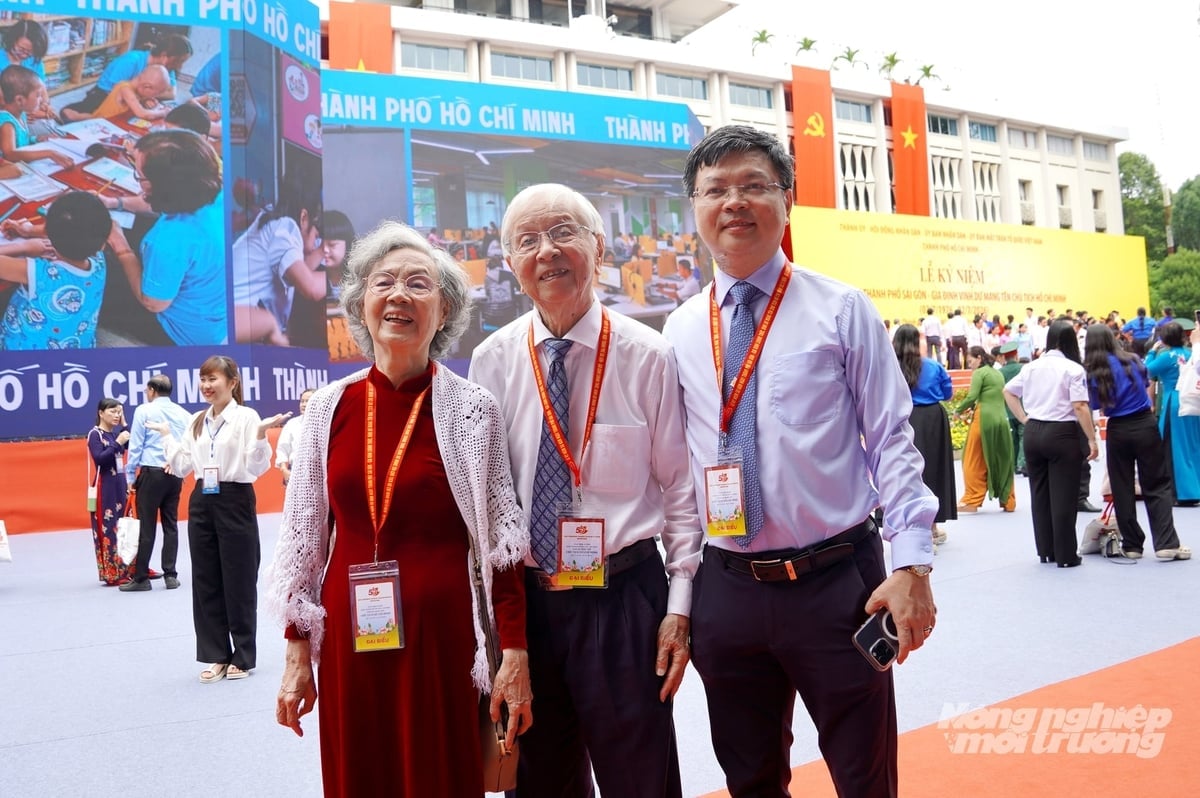
The family of Mr. Pham Chanh Truc at the ceremony commemorating the 50th anniversary of Saigon - Gia Dinh city being named after President Ho Chi Minh, on the morning of July 2nd. Photo: Nguyen Thuy.

During his tenure in charge of foreign economic affairs, Mr. Truc directly participated in attracting foreign investment and developing the Tan Thuan Export Processing Zone – Vietnam's first export processing zone, laying the foundation for the later system of industrial parks. While working at the central government, he continued to advise on many economic development policies.
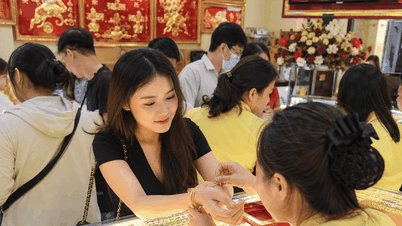
According to Mr. Truc, from a locality that once had to "scramble for rice to alleviate famine," Ho Chi Minh City has made spectacular progress, with per capita income increasing from approximately 100 USD in 1990 to about 8,000 USD in 2025.
Besides pioneering the construction of the Tan Thuan Export Processing Zone, Ho Chi Minh City has also paved the way with a series of new models such as the High-Tech Park, financial centers, and banks...
"These were very special breakthroughs for Ho Chi Minh City. The city is also a 'learning city,' gradually approaching the world's advanced level of healthcare and is the first locality in the country to have no poor households according to the multidimensional poverty standard," Mr. Truc said, adding that what he remembers most about the early years after liberation is not only the reclaimed and restored fields but also the spirit of national harmony nurtured through productive labor.
Assessing Ho Chi Minh City after its merger with Binh Duong and Ba Ria - Vung Tau, the former Deputy Head of the Central Economic Committee stated that the new city, with a population of over 14 million and vast development space, is opening up many opportunities for breakthroughs. However, the administrative apparatus is still in the process of restructuring, so breakthrough results, especially the double-digit growth target, will require more time to be realized.
"Although there is still much work to be done, I believe that with the consensus of the Party Committee and the people, Ho Chi Minh City will continue to maintain its role as the economic locomotive of the whole country," Mr. Truc said.
To enable Ho Chi Minh City to continue playing its leading role in the new phase, former Deputy Head of the Central Economic Committee Pham Chanh Truc proposed three key tasks.
First, it is necessary to promote the genuine ownership of the people at the grassroots level through self-governance models and the creation of a civilized and friendly living environment. Second, it is necessary to clearly define the functions of state management and implementation to improve the efficiency of urban governance and promote the development of processing and manufacturing industries. Third, Ho Chi Minh City needs to promptly research production methods for the period after 2045, creating a foundation to continue playing a pioneering role in economic development and integration.

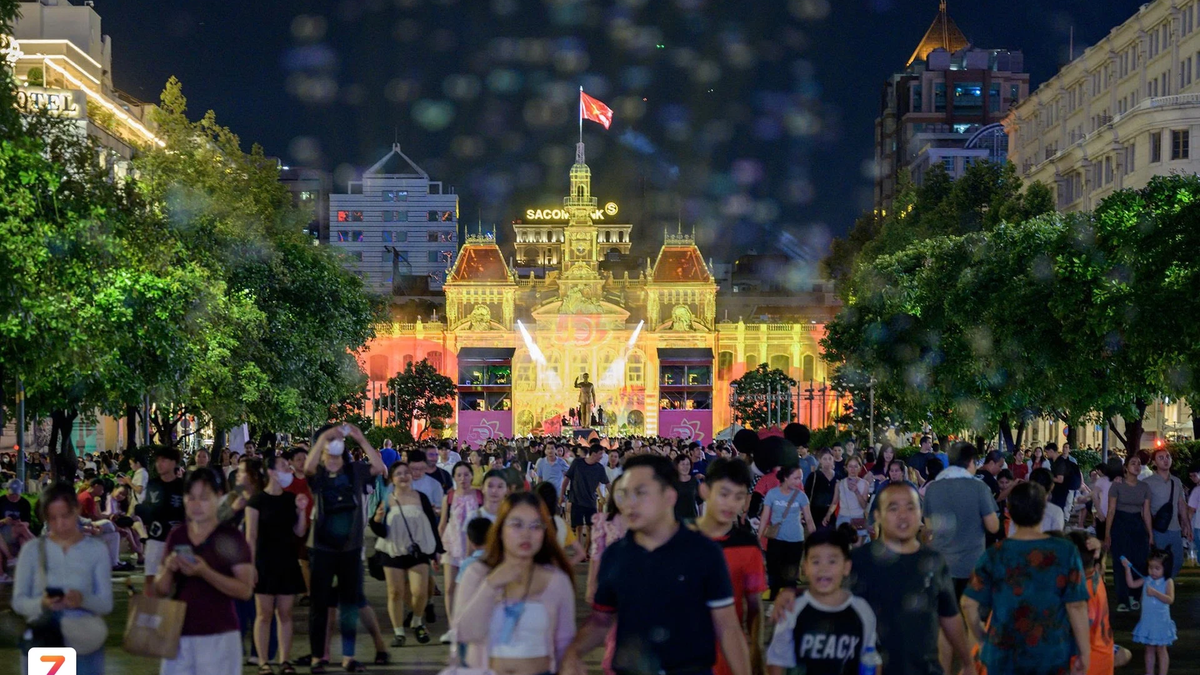
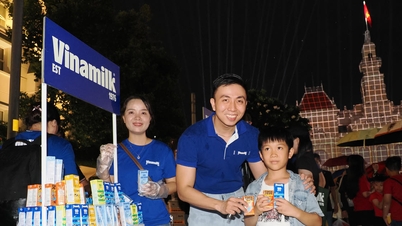
Entering a new phase of development, Ho Chi Minh City expanded its development space after merging with Binh Duong and Ba Ria - Vung Tau (formerly), forming a dynamic, modern megacity with strong competitiveness in the region and internationally. Photo: Organizing Committee.
From a sustainable development perspective, Mr. Truc assessed that societal awareness of environmental protection has undergone many positive changes, especially in the development of renewable energy, ensuring food safety, and controlling unsafe food. However, to achieve the goal of net zero emissions by 2050, the city needs to continue improving mechanisms, policies, and taking more decisive actions.
Regarding agriculture, the former Deputy Head of the Central Economic Committee stated that the urgent need now, not only for Ho Chi Minh City but also for the Mekong Delta and the entire country, is to reorganize agricultural production. The fragmented, small-scale production model based on individual households, which was suitable in the past, no longer meets the requirements of development.
"To develop a modern, large-scale, and high-tech agricultural sector, we must strengthen production linkages, develop cooperatives, and innovate production relations to suit new development requirements," said the former Deputy Head of the Central Economic Committee.
Source: https://nongnghiepmoitruong.vn/sieu-do-thi-phuong-nam-can-them-nhung-dot-pha-moi-d819634.html