

Removing institutional bottlenecks paves the way for a long-term vision.
Hanoi is facing new development demands, aspiring to become a major economic , financial, commercial, and scientific-technological center for the entire country and the region. To realize this goal, perfecting the institutional framework plays a decisive role. This revision of the Capital City Law does not address individual policies but is placed within a unified overall framework aligned with the Capital City Master Plan with a 100-year vision and new strategic orientations.
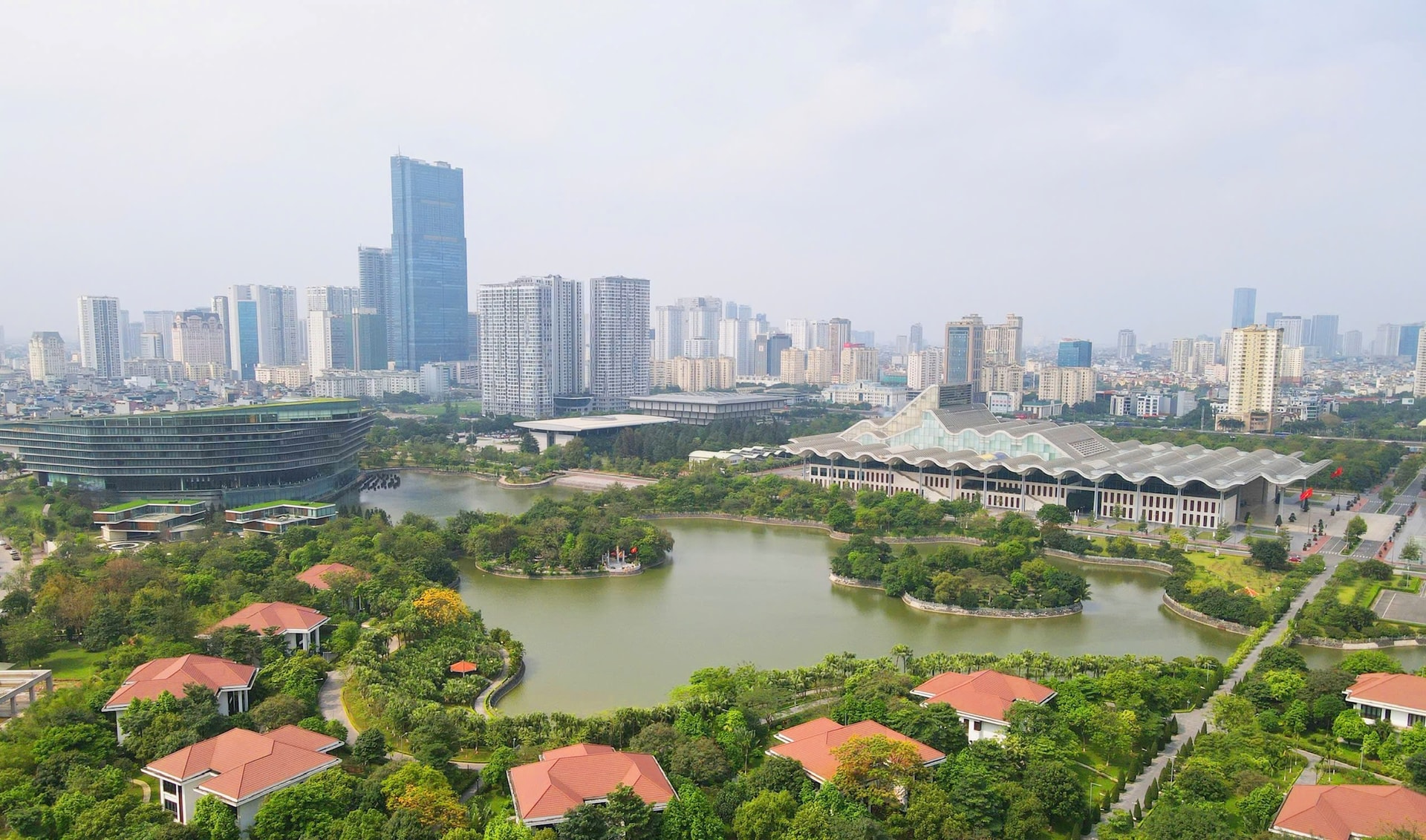
In practice, many obstacles to Hanoi 's development do not lie in a lack of potential, but in institutional "bottlenecks"; lengthy administrative procedures, incomplete decentralization, inflexible financial mechanisms, and limited space for innovation... These factors prevent the efficient exploitation of resources, slowing down the development process.
The overarching spirit of the Draft Law on the Capital City (amended) is to shift from a "management" mindset to a "development governance" mindset, from policy implementation to proactive policy design, empowering Hanoi more, and establishing mechanisms for the city to maximize its internal resources.
According to Nguyen Cong Anh, Deputy Director of the Hanoi Department of Justice, one of the most important contents of the Draft Law on the Capital City (amended) is the policies on resources.
Mr. Nguyen Cong Anh believes that resources are a prerequisite for implementing all development goals, especially social welfare policies and double-digit economic growth targets.

The draft law has designed a clear mechanism for decentralization, allowing Hanoi to proactively mobilize financial resources from investment funds and the banking system to implement projects. At the same time, when revenue exceeds the projected amount, the city can receive targeted supplementary funding from the central government at an appropriate rate, creating financial space while still ensuring overall balance.
Besides finance, human resources are identified as a key factor. The draft law grants Hanoi the autonomy to attract talent, from deciding on working conditions to competitive compensation and benefits. This is an important step towards building a high-quality workforce to meet the requirements of rapid and sustainable development.
In the field of science and technology, incentive policies are also designed with a breakthrough approach. Businesses and individuals participating in science and technology projects may be exempt from corporate income tax and personal income tax, as well as exempt from or receive reductions in land and water surface lease fees. These mechanisms create strong incentives to promote innovation.
Another noteworthy point is the expansion of legal autonomy for Hanoi. The city can issue legal documents with content different from general regulations, or pilot new policies not yet included in the current legal system. This is an important tool for testing new development models, thereby refining and replicating them.
This approach shows that the revised draft Law on the Capital City has directly addressed long-standing "bottlenecks" while laying the foundation for a long-term vision for the capital.
Digital transformation - the driving force behind the formation of a modern urban governance model.
In the context of ongoing digital transformation, the draft Law on the Capital City (amended) has set forth the requirement for comprehensive innovation in urban governance methods. The focus is on building a governance model based on digital technology, big data, and artificial intelligence, aiming for a smart, efficiently operating city.

The city is empowered to proactively build mechanisms for integrating, sharing, and utilizing data. This is a crucial foundation for improving the efficiency of state management, while simultaneously enhancing the quality of public services for citizens and businesses.
The draft law also opens up mechanisms for developing an innovation ecosystem, including attracting high-quality human resources, building research centers, innovation centers, and high-tech zones. The city can proactively issue policies to support science and technology enterprises and innovative start-ups.
Promoting linkages between research institutes, universities, and businesses is expected to increase research capacity, apply science and technology, and create new knowledge-based economic sectors.
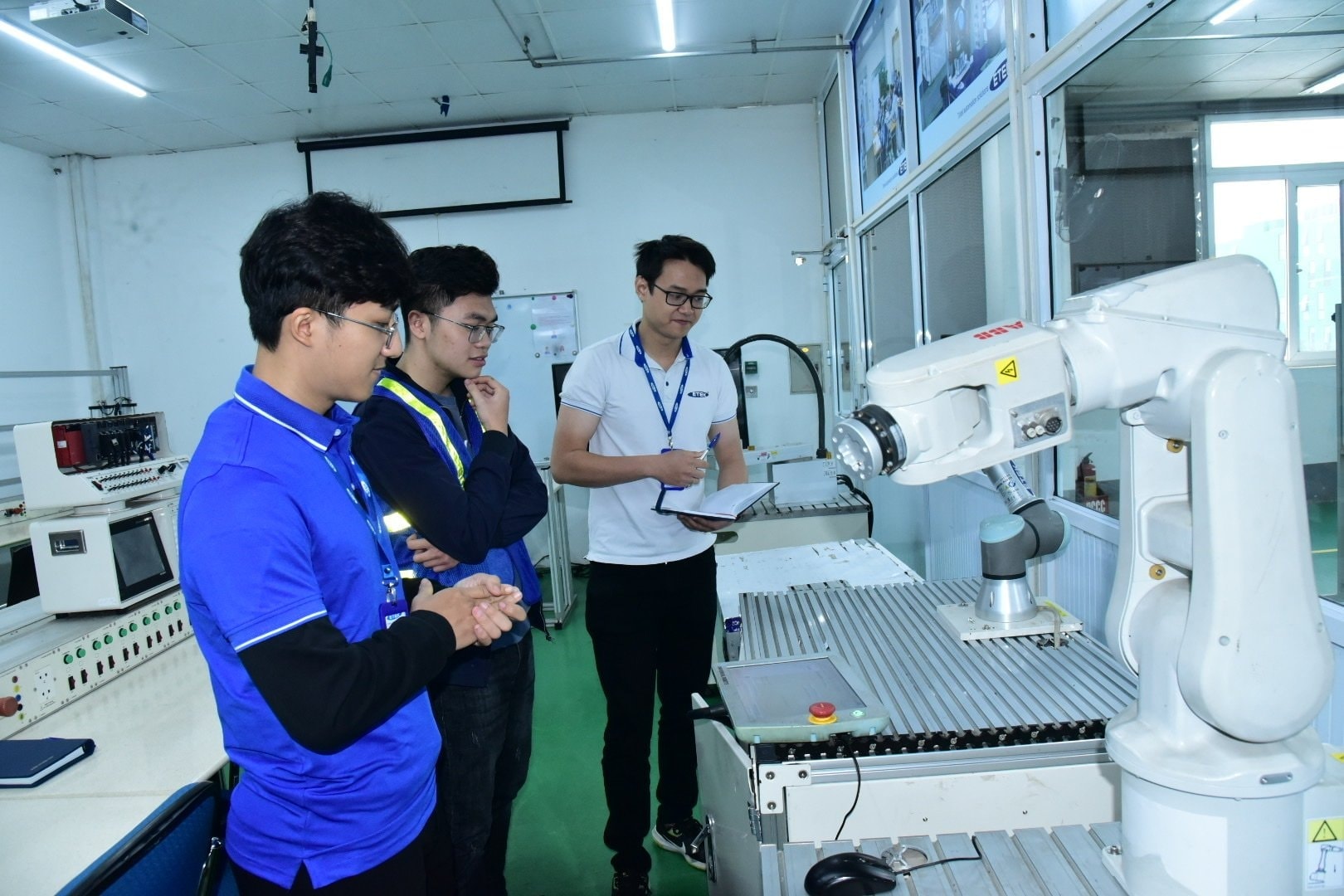
Commenting on this content, Deputy Chair of the National Assembly's Committee on Law and Justice Nguyen Phuong Thuy said that this is a groundbreaking new point. According to Ms. Nguyen Phuong Thuy, for a large city like Hanoi, traditional management methods can hardly meet the requirements of rapid development and effectively handle emerging issues.
The shift to a data- and technology-based governance model fundamentally changes how the system operates. From a passive, reactive approach, it can shift to a proactive one, anticipating, identifying, and preventing problems early on. Simultaneously, the management model moves from decentralized to centralized, unified, and synchronized.
Citing international experiences, Ms. Nguyen Phuong Thuy argued that data-driven urban governance can yield significant results in areas such as transportation, environment, and online public services. This draft law has created a legal framework for Hanoi to access and implement these advanced models.
The city is also granted greater flexibility in organizational structure and administrative procedure reform based on digital transformation. This is considered a crucial "soft infrastructure," helping to improve governance capacity in the context of rapid urbanization and increasingly demanding development. More importantly, these changes are geared towards the people. When public services are provided conveniently and transparently, and the living environment is improved, people will clearly feel the transformation in their daily lives. This is also the overarching goal of this revision of the Capital City Law.
The amendment of the Capital City Law, when placed within the overall context of long-term planning and strategic orientations, is opening up opportunities to build a modern, flexible, and efficient institutional system. With groundbreaking mechanisms for resources and governance, Hanoi has the foundation to maximize its potential and confidently move forward in the development journey of the new era.
Source: https://hanoimoi.vn/sua-doi-luat-thu-do-hoan-thien-the-che-dong-bo-de-ha-noi-but-pha-trong-ky-nguyen-moi-740330.html



![[Photo] Prime Minister Pham Minh Chinh departs for an official visit to the Russian Federation.](https://vphoto.vietnam.vn/thumb/1200x675/vietnam/resource/IMAGE/2026/03/22/1774160262864_vna-potal-thu-tuong-pham-minh-chinh-len-duong-tham-chinh-thuc-lien-bang-nga-8656056-6903-jpg.webp)






















































![[Photo] General Secretary To Lam attends the ceremony commemorating the 80th anniversary of the founding of the Engineering Corps.](https://vphoto.vietnam.vn/thumb/402x226/vietnam/resource/IMAGE/2026/03/22/1774154480574_anh-man-hinh-2026-03-22-luc-11-41-07.png)
























Comment (0)