What is soft power?
- Soft power is the ability to transform preferences into choices, behaviors, and influence.
- Soft power cannot be measured solely by a few numbers. A ranking might be useful, but it cannot fully reflect a nation's soft power.
What is Vietnam's soft power?
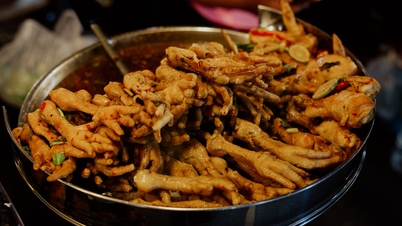
- Vietnam possesses many "soft resources" such as its cuisine , tourism, history, culture, friendly people, stable image, and balanced foreign relations. However, these are merely materials, not yet fully transformed into true soft power.
- Vietnam's biggest challenge is transforming resources into soft power, converting goodwill into behaviors that make people want to return to Vietnam, invest, study, consume Vietnamese products, or maintain a long-term connection with Vietnam.
- Vietnam's soft power will only be sustainable if it stems from what is truly Vietnamese, but is organized, retold, and presented to the world with greater professionalism.
Soft power is a concept frequently used in discussions about culture, tourism , and foreign relations. However, the more it is used, the more easily it is misinterpreted, loosely understood, or simply as a more sophisticated way of "promoting the country's image."
We often say that Vietnam has delicious food, beautiful scenery, friendly people, a unique history, and a rich culture . All of that is true. But these are only resources that can create soft power, not true soft power itself.
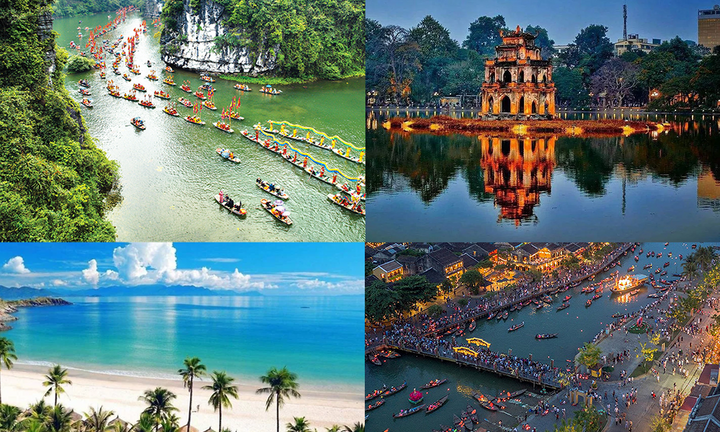
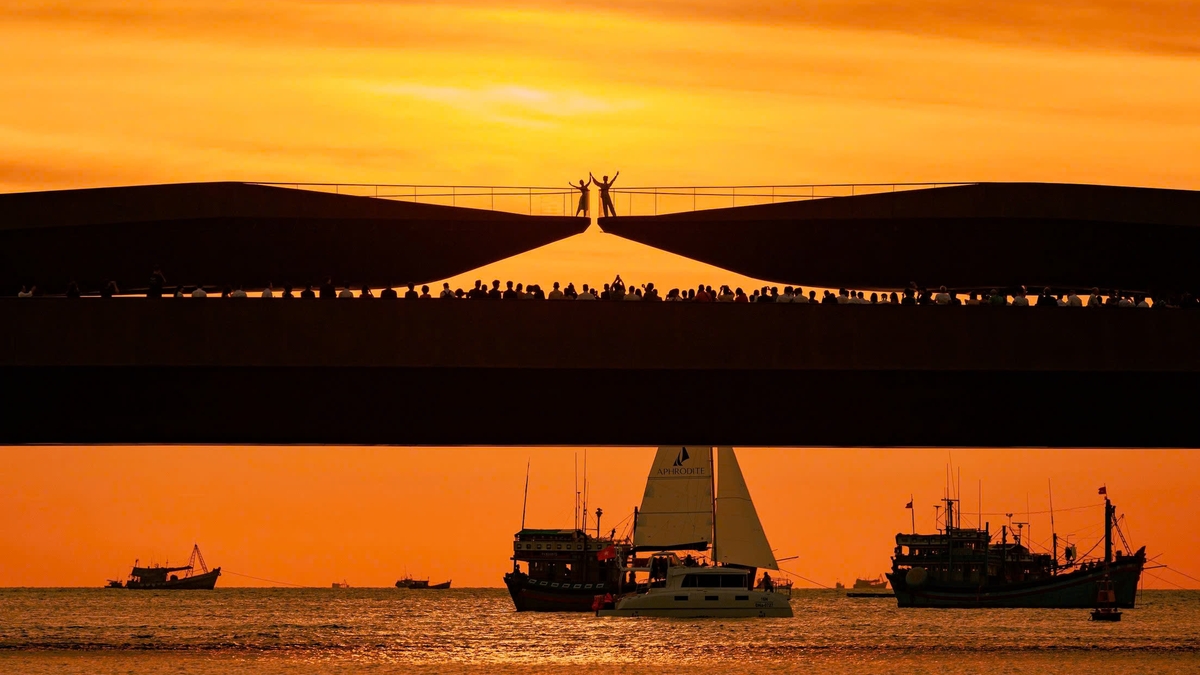
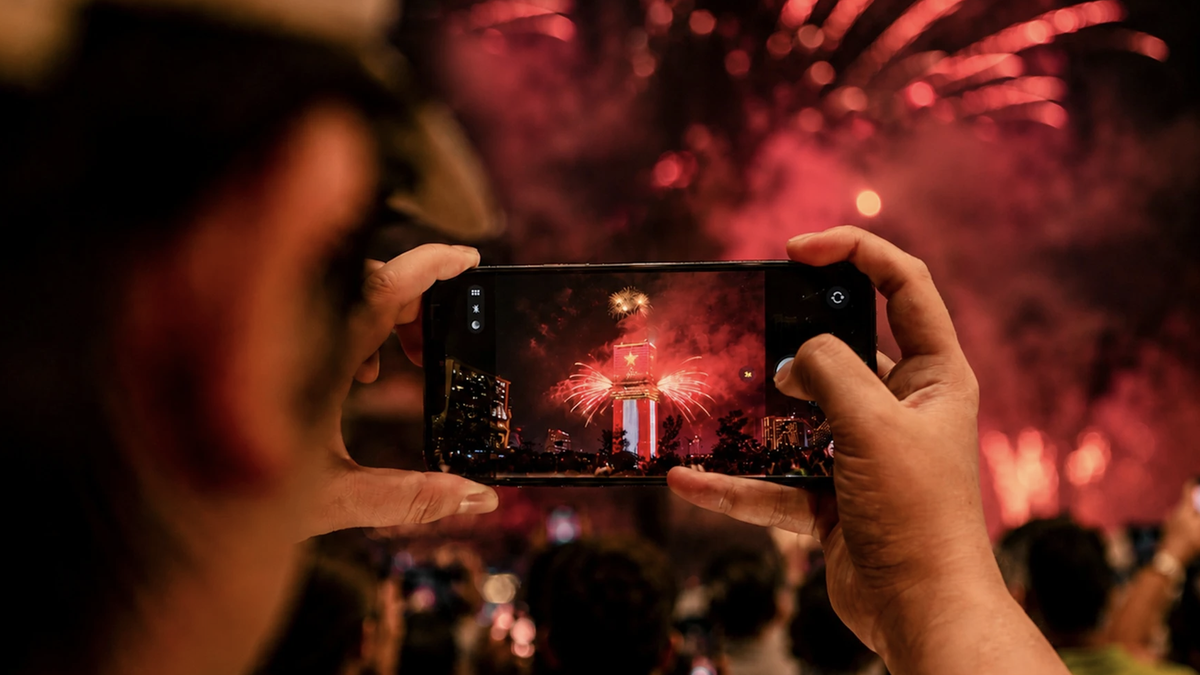
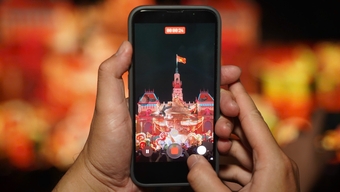
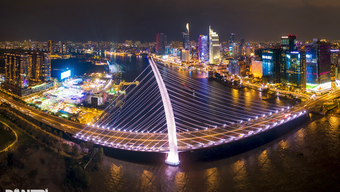
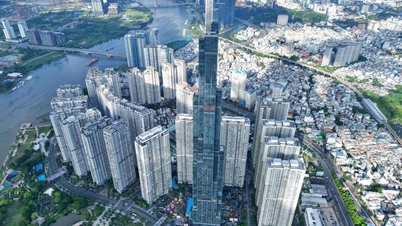
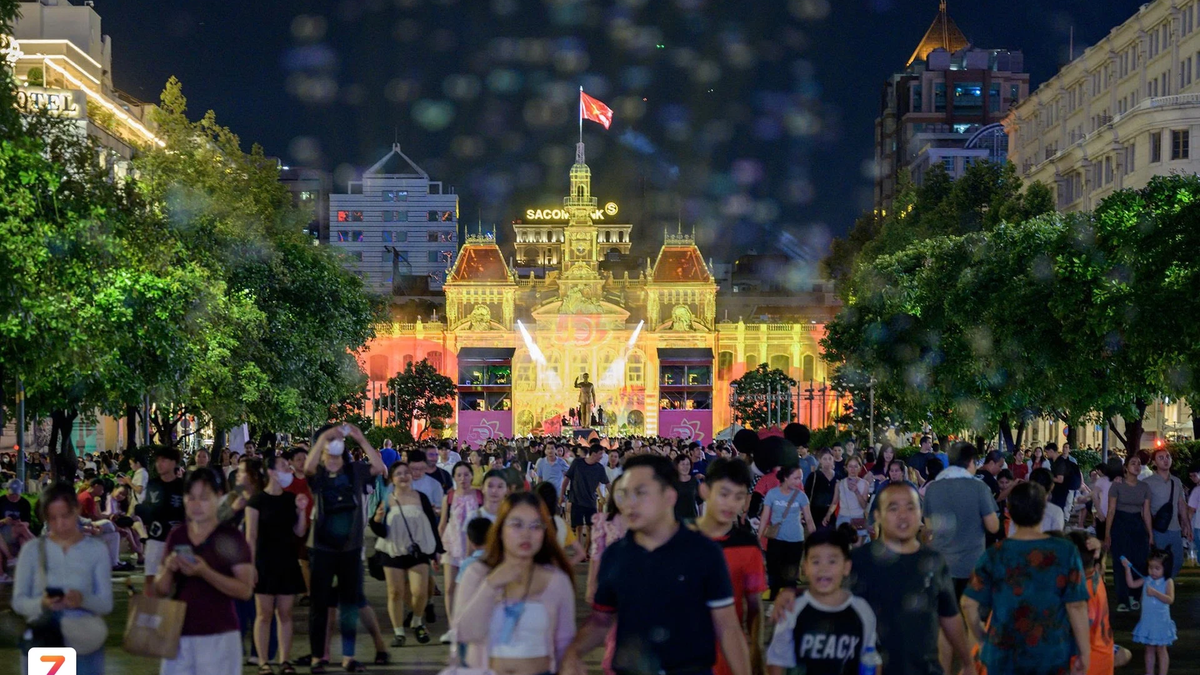
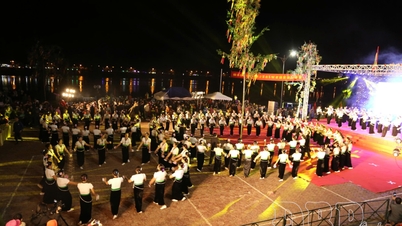
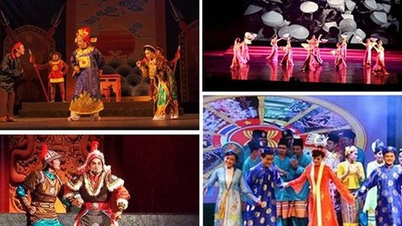
Vietnam possesses numerous resources that can generate soft power.
Joseph Nye, considered the "father" of this concept, wasn't just talking about soft power as mere attractiveness. Power, whether hard or soft, ultimately boils down to the ability to influence others to act in a way that aligns with one's own interests or desires.
Hard power accomplishes this through coercion, punishment, threats, money, aid, or other forms of material gain. Others comply because they are afraid, they need it, they are dependent, or generally because they see it as advantageous.
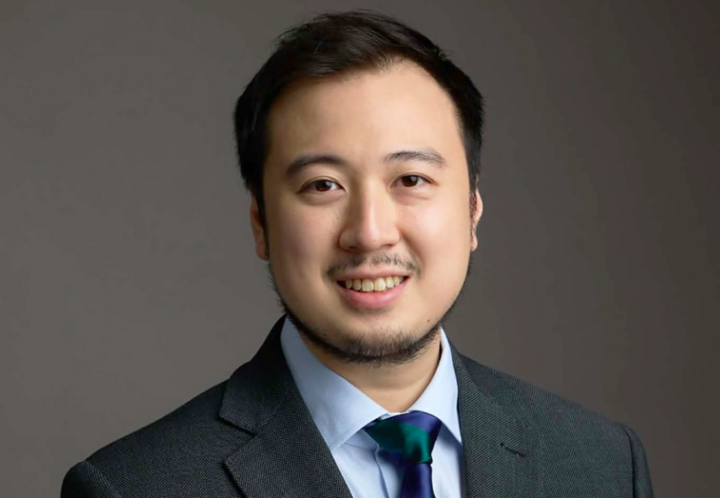
Soft power is not just about a country being liked or admired. Soft power is the ability to translate that admiration into choices, behaviors, and influence.
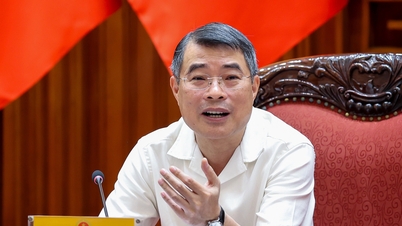
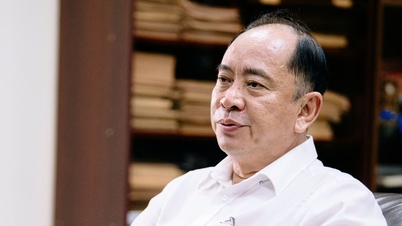
Dr. Ngo Di Lan, Diplomatic Academy of Vietnam.
Soft power operates on a very different mechanism. It doesn't make people comply because they are coerced or offered a price, but because they find it appealing, justifiable, trustworthy, admirable, or aligns with the image they want to project. Simply put, hard power changes behavior from the outside. Soft power changes desires and perspectives from within.
Therefore, soft power is not just about a country being liked or admired. Soft power is the ability to transform that liking into choices, behaviors, and influence.
The United States certainly possesses one of the top three soft power rankings in the world (at least until recently...). Looking at daily life in many parts of America, the reality isn't always glamorous. The cost of living is high, healthcare is expensive, politics are polarized, many cities have problems, and many rural areas are not particularly attractive. Yet millions of people around the world still dream of coming to America, studying in America, working in America, starting a business in America, or sending their children there. Why?
Part of it is because of salaries, universities, technology, markets, and material opportunities. But it's not just that. In the minds of many, America is an idea: freedom, opportunity, a better life, creativity, success, "if you're good enough, you can rise to the top." That idea is sometimes far more powerful than reality. It makes people accept the risks, costs, and uncertainties to move toward America. That's soft power at its deepest level: not just making others like you, but making others imagine their future tied to you.
Hollywood is another prime example. American films about the military, special forces, aircraft carriers, pilots, the CIA, the White House, or global rescue operations are not just entertainment. They create a fictional universe in which America appears as the center of action, technology, and justice.
Viewers don't necessarily agree with every aspect of U.S. foreign policy, but they're accustomed to seeing the world through a wealth of American-produced imagery. When a nation has the ability to shape others' imaginations about its power and role, that's undeniable soft power.
You may also like

National brand positioning: Spreading from inherent identity...(NB&CL) In the era of globalization, the question "Who is Vietnam?" is no longer limited to mere geographical or historical definitions, but has become a concrete step towards positioning the national brand on the global soft power map. From awakening "dormant" heritage to infusing the spirit of identity into every cultural product, Vietnam is confidently asserting itself as a nation rich in heritage, creatively astute, and highly responsible. 
Meeting the steadfast female soldier of the Quang Da Security CommitteeFrom a 15-year-old girl serving as a liaison between enemy-controlled areas to the female team leader of the armed security reconnaissance team in Duy Xuyen district (formerly Quang Nam province), achieving many resounding victories on the Quang Da battlefield, Heroine of the People's Armed Forces Nguyen Thi Xoa dedicated her entire youth to the revolution. More than 50 years after the reunification of the country, this former female soldier continues her journey of dedication quietly... South Korea is a closer example within Asia. The Hallyu wave not only introduced the world to K-pop, Korean dramas, Korean cosmetics, and Korean food, but more importantly, it changed behavior. People learned Korean, bought Korean cosmetics, traveled to Korea, ate Korean food, dressed in Korean style, followed Korean idols, and viewed South Korea as a modern, youthful, and worthwhile society. Culture here is not just about performance; it has become industry, consumption, tourism, branding, and national prestige.
France possesses a different kind of soft power. It's not necessarily as boisterous and vibrant as South Korean pop culture, but it's intertwined with language, cuisine, fashion, museums, philosophy, diplomacy, lifestyle, and a sense of sophistication. France's power may not be what it was during the time of Louis XIV, but millions still learn French daily, yearn to see the Eiffel Tower in person, and want to contribute to the French economy.
There's a point that needs clarification here. Soft power cannot be measured solely by a few numbers. It lies within people's emotions, imagination, beliefs, habits, and aspirations. A ranking might be useful, but it cannot fully represent a nation's soft power.
But imperfect measurement doesn't mean you can say whatever you want. If we're serious, we still have to look at the results. We shouldn't just ask: does the world like Vietnam? We also have to ask: what changes has that liking translated into?
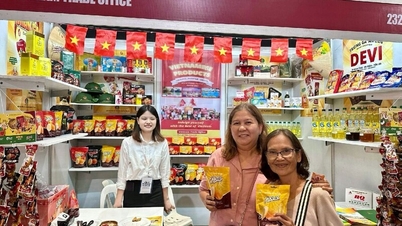
People enjoy Vietnamese food, but are they willing to defend their opinion that Vietnamese food is better than food from another country on social media?
Many people enjoy traveling to Vietnam, but how many return multiple times, stay long-term, bring their families to live there, or consider Vietnam a reliable destination for work and the future?
Vietnam is known to be developing rapidly, but how many international students, engineers, founders, programmers, artists, or investors have come to Vietnam because they believe in a “Vietnamese dream”?
Asking these questions is not meant to diminish Vietnam's value. On the contrary, they help us to be more serious about what we have. Vietnam possesses many "soft resources": rich cuisine, beautiful landscapes, a unique history, resilient people, a large Vietnamese community abroad, the image of a stable and hospitable country, and a balanced foreign policy that supports progressive global viewpoints. But resources do not automatically translate into power or influence.
Vietnam's biggest challenge is not a lack of materials. The strategic challenge is transformation.
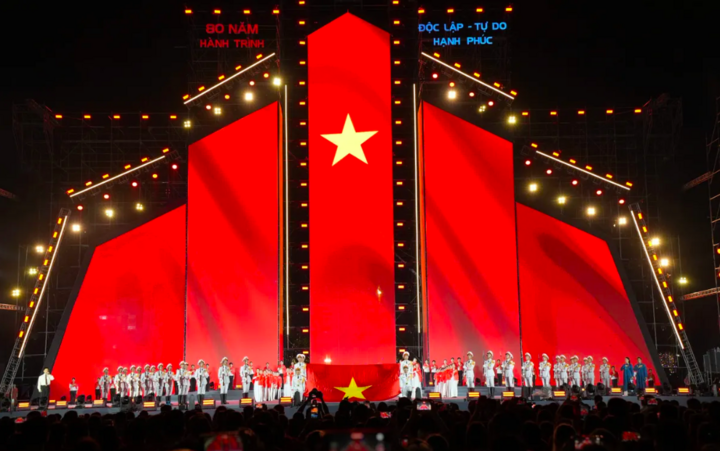
The strategic challenge is to transform resources into soft power.
Transforming positive feelings into positive behavior. Transforming the national image into a preferred choice for consumers, investors, students, tourists, and international friends.
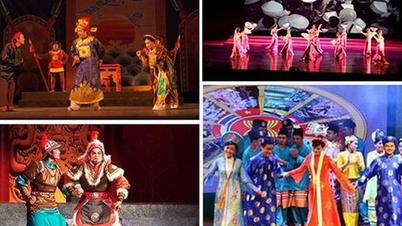
Transforming Vietnamese identity into stories, brands, films, songs, games, designs, cities, and experiences that international friends want to return to, share, and connect with.
Here, the State plays a very important role. The State can create infrastructure, rules of the game, resources, visa policies, intellectual property protection, the business environment, cultural institutions, and national promotional programs.
But the vitality of culture cannot come solely from administrative orders. Strong cultures are often natural, unexpected, and difficult to control: young talent, markets, new aesthetic tastes, fan communities, creative experimentation, and products that succeed because they are authentic, not because they were mandated to “succeed.”
The Korean lesson should also be understood in that way. Korea rose to prominence by transforming its culture into an industry, then into a global experience, and finally into consumption, tourism, language learning, goodwill, prestige, and influence. Vietnam can learn from that spirit, but should not copy it mechanically.

Strengthening the friendship between Vietnam and the United States.On July 3rd, as part of the Pacific Partnership - Friends of the Pacific 2026 program, the U.S. Army Pacific delegation, led by Lieutenant General Joel Vowell, Deputy Commander of the U.S. Army Pacific, paid a courtesy visit to the Quang Tri Provincial Military Command. Vietnam's soft power will only be sustainable if it stems from what is truly Vietnamese, but is organized, retold, and presented to the world with greater professionalism.
Dr. Ngo Di Lan, Diplomatic Academy of Vietnam.
Vietnam's soft power will only be sustainable if it stems from what is truly Vietnamese, but is organized, retold, and presented to the world with greater professionalism.
Therefore, when it is said that Vietnam needs a higher level of soft power, I think that is a commendable aspiration. But for that aspiration not to remain just a slogan, we need to understand the correct mechanism of soft power.
This isn't a competition to see who has more heritage, better food, more beautiful scenery, or a better introduction. It's a question of genuine influence.
In short, soft power isn't just about whether the world likes Vietnam or not. The deeper question is: when the world has a positive feeling towards Vietnam, will that positive feeling lead them to act differently in a way that benefits Vietnam?
If the answer is yes, we have soft power. If the answer is ambiguous, then what needs to be done is not just to speak better about Vietnam, but to build better mechanisms to transform Vietnam's attractiveness into trust, choice, and influence.
Dr. Ngo Di Lan
Source: https://vtcnews.vn/suc-manh-mem-cua-viet-nam-la-gi-ar1017312.html