

1. Lemon peel – a forgotten 'nutritional treasure'
- 1. Lemon peel – a forgotten 'nutritional treasure'
- 2. Benefits of lemon peel
- 2.1. Lemon peel is rich in powerful antioxidants, supporting immunity.
- 2.2. Providing fiber and essential micronutrients
- 2.3. Supporting oral health
- 2.4. Reducing the risk of cardiovascular disease
- 2.5. Natural antibacterial and antifungal properties
- 2.6. Potential for supporting cancer prevention
- 3. Some remedies using lemon peel
- 3.1 Remedies from lemon peel for treating coughs
- 3.2 Remedies for toothache and cavities using lemon peel
- 3.3 Remedies for headaches and colds
- 3.4 Lemon peel helps treat arthritis.
- 4. Safe and effective ways to incorporate lemon peel into your diet.
In traditional Eastern medicine, the peels of citrus fruits (dried tangerine peel) have long been used to aid digestion, loosen phlegm, promote qi circulation, and regulate the spleen and stomach. Today, modern medicine is also gradually confirming that lemon peel is not only safe to use but also richer in nutrients than the fruit pulp.
Lemons are rich in vitamins, minerals, and highly bioactive plant compounds. In particular, the outer peel accumulates a large amount of antioxidants. When properly cleaned and used, lemon peel can become a useful part of a healthy diet.
2. Benefits of lemon peel
2.1. Lemon peel is rich in powerful antioxidants, supporting immunity.
According to the Toi website, lemon peel is a rich source of important antioxidants such as vitamin C, D-limonene, and the flavonoid hesperidin. These compounds help neutralize free radicals, thereby slowing down cellular aging and boosting immunity.
Numerous studies have shown that citrus peels contain significantly higher levels of antioxidants than the flesh or juice. Notably, the antioxidant activity of lemon peel is found to be stronger than that of tangerine or grapefruit peel, helping the body fight oxidative stress – a factor linked to cardiovascular disease, chronic inflammation, and weakened immunity.
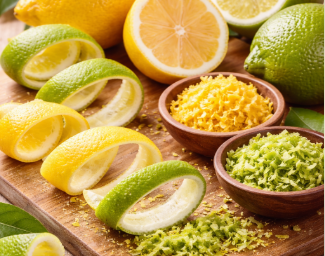
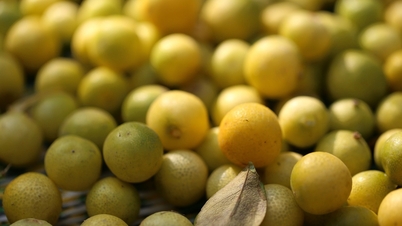
Lemon peel contains high levels of antioxidants, fiber, and valuable bioactive compounds...
2.2. Providing fiber and essential micronutrients
A tablespoon of lemon peel provides only about 3 kcal, but contains 1 gram of pectin, a type of soluble fiber that is beneficial for the digestive system. Pectin helps improve bowel movements, supports blood sugar control, and creates a feeling of fullness.
In addition, lemon peel also provides:
- Calcium (approximately 8 mg)
- A small amount of potassium and magnesium
- Approximately 9% of the daily vitamin C requirement.
Evidence suggests that consuming lemon peel offers more comprehensive nutritional benefits compared to using only the juice or pulp.
2.3. Supporting oral health
According to several studies, lemon peel extract has the ability to inhibit the growth of bacteria in the oral cavity, especially Streptococcus mutans – the main cause of tooth decay.
The essential oils in lemon peel have mild antiseptic properties, helping to cleanse the oral cavity and reduce gingivitis. Proper use of lemon peel (for example, mixing it with warm water and grated lemon peel) can contribute to oral hygiene, alongside traditional care methods.
2.4. Reducing the risk of cardiovascular disease
Many compounds in lemon peel are linked to regulating blood pressure, lowering bad cholesterol (LDL), and supporting weight management – key factors in preventing cardiovascular disease. Studies have shown:
- Overweight teenagers who use lemon peel supplements tend to have lower blood pressure and LDL levels.
- Lemon peel extract helps improve blood pressure in adults.
- The fiber and antioxidants in lemon peel support lipid metabolism and protect blood vessel walls.
Although further clinical trials on humans are still needed, initial results suggest that lemon peel is a potential component in a heart-healthy diet.
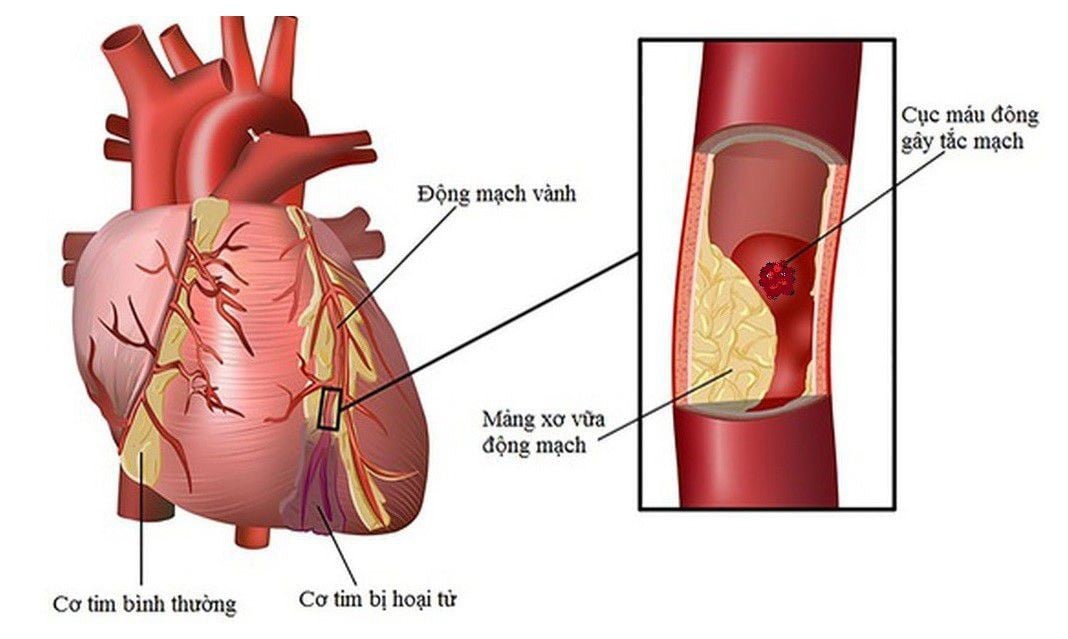
Lemon peel is a potential component in a heart-healthy diet.
2.5. Natural antibacterial and antifungal properties
Laboratory studies have shown that lemon peel contains compounds capable of inhibiting the growth of harmful bacteria and fungi, including some strains that tend to be drug-resistant.
In traditional medicine, essential oil from lemon peel is often used to clean the environment and provide mild antiseptic effects on the skin. However, experts emphasize that further human studies are needed to fully confirm its effectiveness and safety for long-term use.
2.6. Potential for supporting cancer prevention
D-limonene, vitamin C, and hesperidin in lemon peel are antioxidants that have been studied for their ability to protect healthy cells and inhibit adverse cellular changes.
Some epidemiological studies suggest that people who consume a lot of citrus fruits – including the peel – have a lower risk for certain types of cancer. However, the scientific community agrees that lemon peel is not a cure, but should only be considered a supportive element in a healthy lifestyle.
3. Some remedies using lemon peel
Below are some remedies using lemon peel, as recommended by Dr. Huynh Tan Vu, Specialist Level 2, University Medical Center of Ho Chi Minh City:
3.1 Remedies from lemon peel for treating coughs
Ingredients and method of use: 12g lemon peel, 10g yellow-flowered sorrel leaves, 8g chives, 8g Polygonum leaves, 5g bitter gourd seeds, 2g alum; decoct and drink the liquid. Before drinking, you can add 1-2 teaspoons of sugar to make it easier to drink.
Alternatively, take 10g of lemon tree root and bark, 10g of mulberry root bark, and 8g of cypress leaves, chop them finely, and then roast them until golden brown. Boil this mixture with 200ml of water until the water reduces to 50ml, then strain and drink the liquid throughout the day.
3.2 Remedies for toothache and cavities using lemon peel
Ingredients and method of use: 12g fresh lemon peel, 10g Ligustrum lucidum bark, 10g wild eggplant root, 0g Terminalia chebula bark. Put all ingredients into a pot and simmer until the solution is concentrated. For each use, hold a mouthful in your mouth for about 5-10 minutes, then spit it out to treat toothache.
3.3 Remedies for headaches and colds
Ingredients: 50g lime leaves, 50g lime peel, 50g bamboo leaves, 50g pomelo leaves, 50g basil, 50g chrysanthemum, 20g mint, 3 cloves of garlic, 2 stalks of lemongrass. Boil the mixture until it's simmering and releases a fragrant aroma. Use this mixture for steam inhalation to induce sweating and relieve cold symptoms.
3.4 Lemon peel helps treat arthritis.
+ Recipe 1: Put a little lemon peel in a cup along with some eucalyptus leaves and olive oil; seal the cup tightly and let it sit for about 2 weeks; use a clean cloth to soak up the mixture and apply it to the painful joint; keep the cloth on overnight to see the effect of reducing joint pain.
+ Recipe 2: Put lemon peel in clean water and boil for a few minutes, then stir well. If you can't tolerate the bitter taste, you can add a little honey and drink it while warm.
+ Method 3: Take a few lemons, wash them thoroughly, and grate a thin layer of the peel. Apply the entire grated lemon peel powder to the painful joint area and secure it with a bandage. Keep the mixture on the painful joint for 2-3 hours to reduce joint pain.
4. Safe and effective ways to incorporate lemon peel into your diet.
To reap the benefits of lemon peel, it's essential to use it correctly:
- Wash lemons thoroughly before use to remove pesticide residue and bacteria.
- Grate the lemon zest and use it as a topping for drinks or desserts.
- Add lemon zest to savory dishes, sauces, marinades, or dips.
- Use lemon peel to garnish grilled fish and seafood.
- Add lemon peel to the broth when cooking rice, porridge, quinoa, or soup.
- Store lemon peels in an airtight container in the refrigerator and use them within a few days.
Lemon peels are not something to be wasted; they are a valuable source of nutrients if used properly. Utilizing lemon peels not only enhances the nutritional value of meals but also contributes to a green, economical, and healthy lifestyle in the long run.
Please watch the video for more information:
Source: https://suckhoedoisong.vn/tac-dung-va-bai-thuoc-tu-vo-chanh-169251223163225897.htm


































































































Comment (0)