

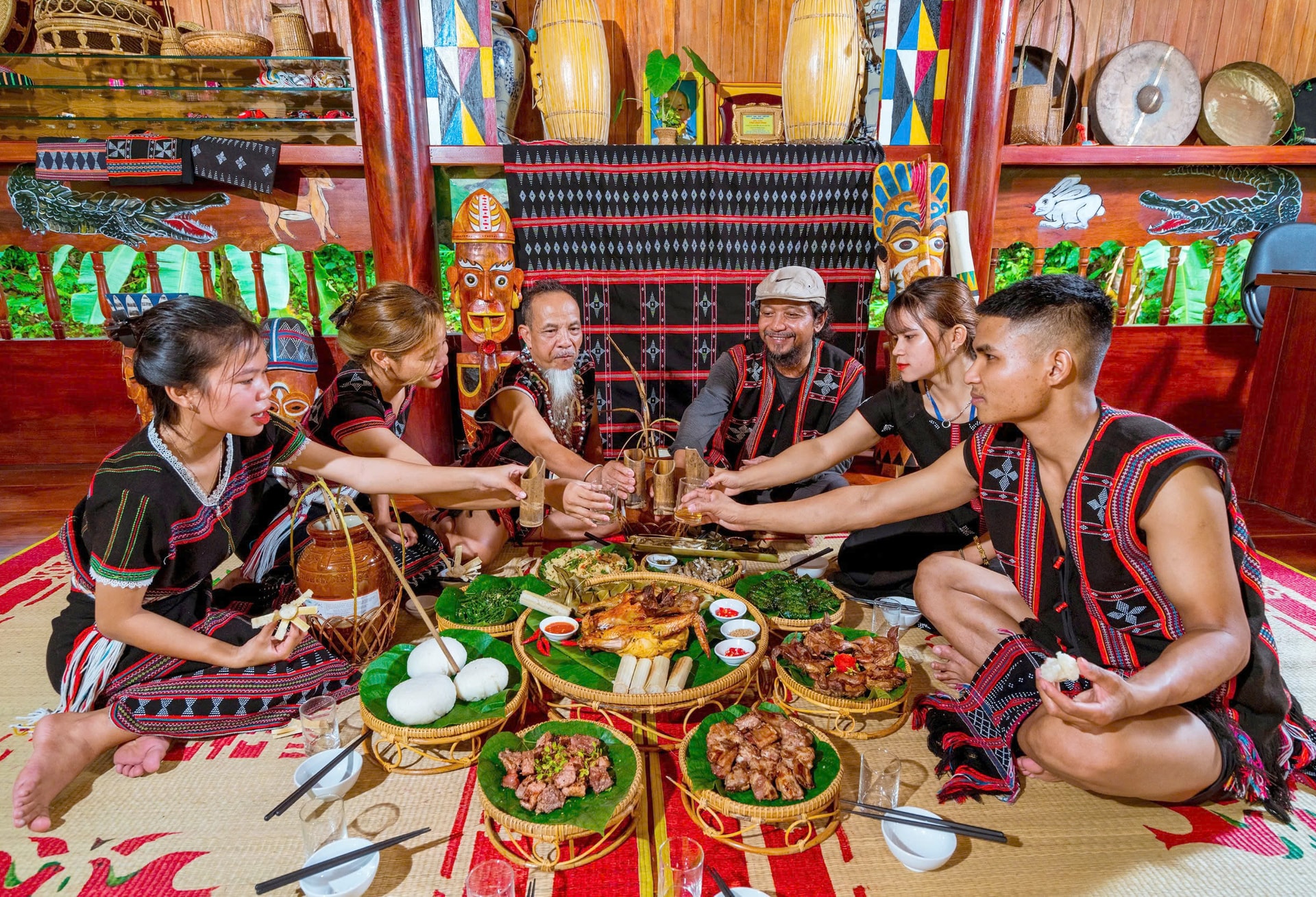
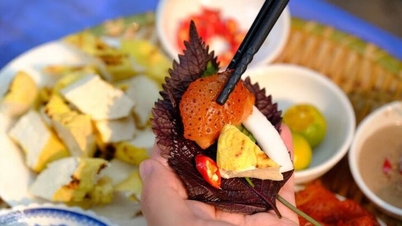
Through some folk songs, proverbs, and rhyming sayings that have been preserved to this day, one can see a vibrant layer of culture among the mountain dwellers, where food is connected to the forest, to affection, and to the family traditions.
Community culture
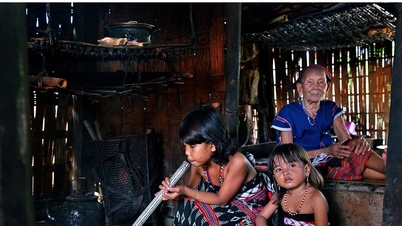
In the lives of the Co Tu people, folk sayings are always present as a part of daily life, connected to how people behave, work, and organize community life. Idioms, proverbs, folk songs, and nursery rhymes are passed down from generation to generation, clearly reflecting the community's views on eating, sharing, and maintaining relationships between people. Looking at this treasure trove of folk sayings, one can recognize the culinary culture of a mountainous community where food is intertwined with affection and way of life.
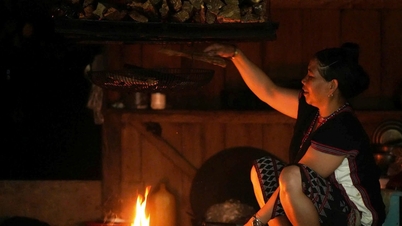
The spirit of sharing produce and community bonding through food is clearly evident in many familiar sayings. According to village elder C'Lâu Nhím (Gừng village, Đông Giang commune), in the past, when transportation was difficult, the lives of the people mainly depended on the forest, slash-and-burn agriculture, and internal exchanges. Products such as bananas, sugarcane, cassava, hunted meat, or brocade fabrics were exchanged in a simple but enduring way, based on mutual agreement and trust.
Evidence shows that sayings like "May đoong aku prí, aku đoong amay atao," meaning "You give me bananas, I give you sugarcane," clearly reflect the equal exchange within the community. Behind this is a way of life that values relationships, is accustomed to sharing, and is less concerned with calculating gains and losses. "Through folk songs, proverbs, and rhyming sayings, we can see that food is always linked to social life and the way communities organize relationships between people, in which food becomes a means of sharing, educating , and preserving identity," shared village elder C'Lâu Nhím.
From sharing bunches of bananas and pieces of sugarcane to portions of game meat or baskets of freshly harvested rice, food naturally became an integral part of relationships among neighbors, relatives, and in-laws.
Throughout the different seasons of the year, the people have customs associated with visiting and sharing produce, such as bringing food as a New Year's gift or donating firewood in winter. These actions maintain community cohesion and create a shared way of life where everyone is responsible for one another. In this context, food has become an integral part of cultural life, contributing to the stable and enduring functioning of the community across generations.
A treasure trove of folk knowledge
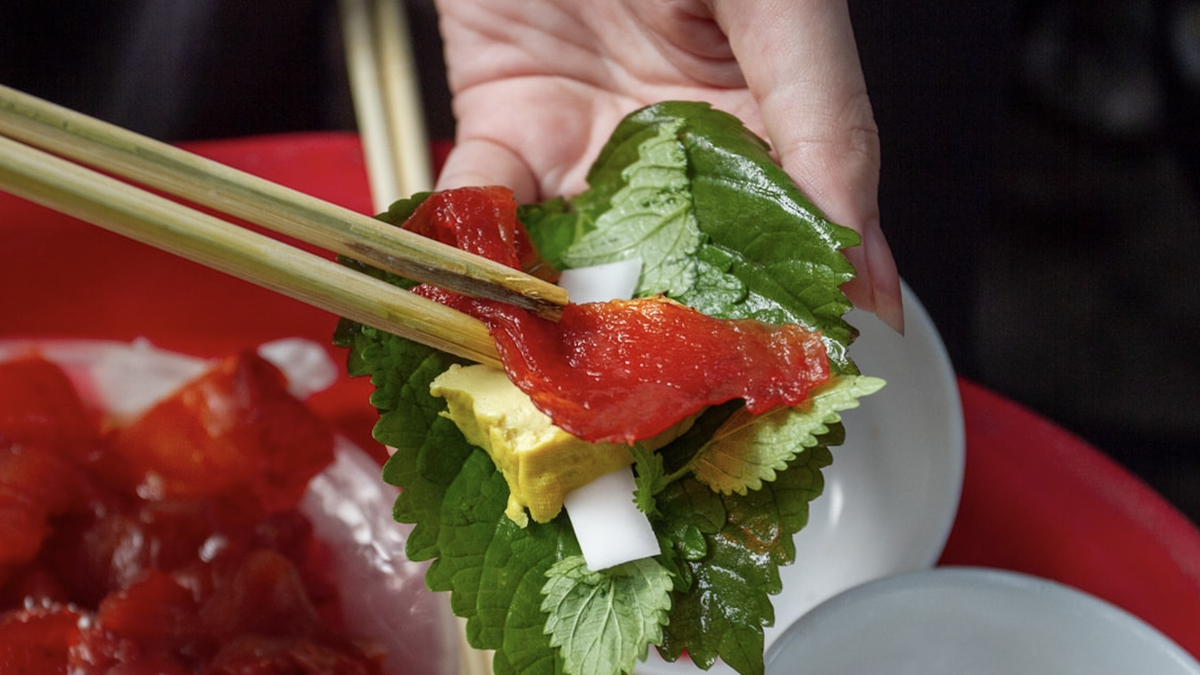
The folk language of the Co Tu people preserves a rich store of indigenous knowledge about ingredients and cooking methods. Living largely dependent on forests, streams, and slash-and-burn agriculture, the people have accumulated specific knowledge about each type of wild vegetable, root, fruit, insect, or local spice, and pass it on to future generations through short, easy-to-remember sayings.
The mere ability to distinguish between different types of wild vegetables reveals a high level of indigenous knowledge. The Co Tu people clearly identify wild vegetables like adhac and bhabhang, knowing which ones are fragrant, which ones are delicious, and which ones are suitable for cooking with wild game or for use in traditional dishes. These experiences are not recorded in writing but exist in everyday speech, intertwined with their customs, lifestyle, and living environment.
There are sayings that seem simple but reveal entire scenarios of survival. The saying "Cha riah pazấc tu," meaning "the roots are used for rice, the leaves for food," recalls a difficult time when people utilized cassava tubers as staple food, while cassava leaves became the main source of food in their meals. From a single plant, mountain dwellers knew how to exploit many different parts, creating dishes that bore the unique mark of the mountainous region.
Teacher Alăng Thị Công from Lương Thế Vinh High School (Điện Bàn Đông ward) believes that the folk sayings of the Cơ Tu people not only reflect the relationship between food and living environment but also serve as an effective method of teaching. When elders teach their children and grandchildren how to identify a type of wild vegetable, how to catch crickets, or what taboos to observe when fishing, they are passing on survival knowledge along with community life. These lessons are conveyed through concise, easy-to-remember words, closely linked to real life, and therefore have lasting value.
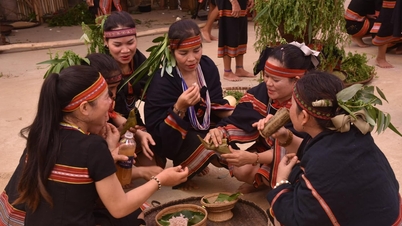
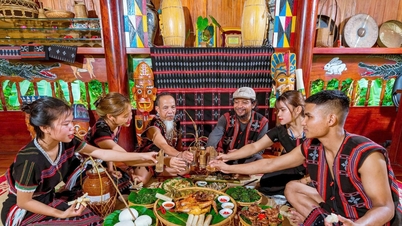
"The cuisine of the Co Tu people is also linked to rituals and the art of singing and reciting folk songs during weddings, engagements, and welcoming guests. On these occasions, food accompanies invitations, greetings, and expressions of affection from the host. The host often uses songs to invite guests, showing humility and conveying their heartfelt feelings to visitors. Rules of etiquette during meals are also strictly maintained, from portioning and sharing to seating arrangements and drinking habits, creating a cultural pattern preserved through generations," shared teacher Alang Thi Cong.
It is evident that cuisine in the life of the Co Tu people is closely linked to how the community maintains relationships, transmits knowledge, and preserves its identity. Every saying and experience passed down contains a system of values regarding how to interact with nature and people. Preserving folk language and traditions is also preserving the essence of cuisine and way of life – enduring values that create the vitality of the Co Tu community today and in the future.
Source: https://baodanang.vn/van-hoa-am-thuc-trong-ung-xu-3333162.html

































































Comment (0)