

The story of living spaces
Cuisine becomes an identity closely linked to the living space and developmental journey of the community's inhabitants. Cuisine is also an art form, a "lifeblood" of a complex culture spanning hundreds of years.
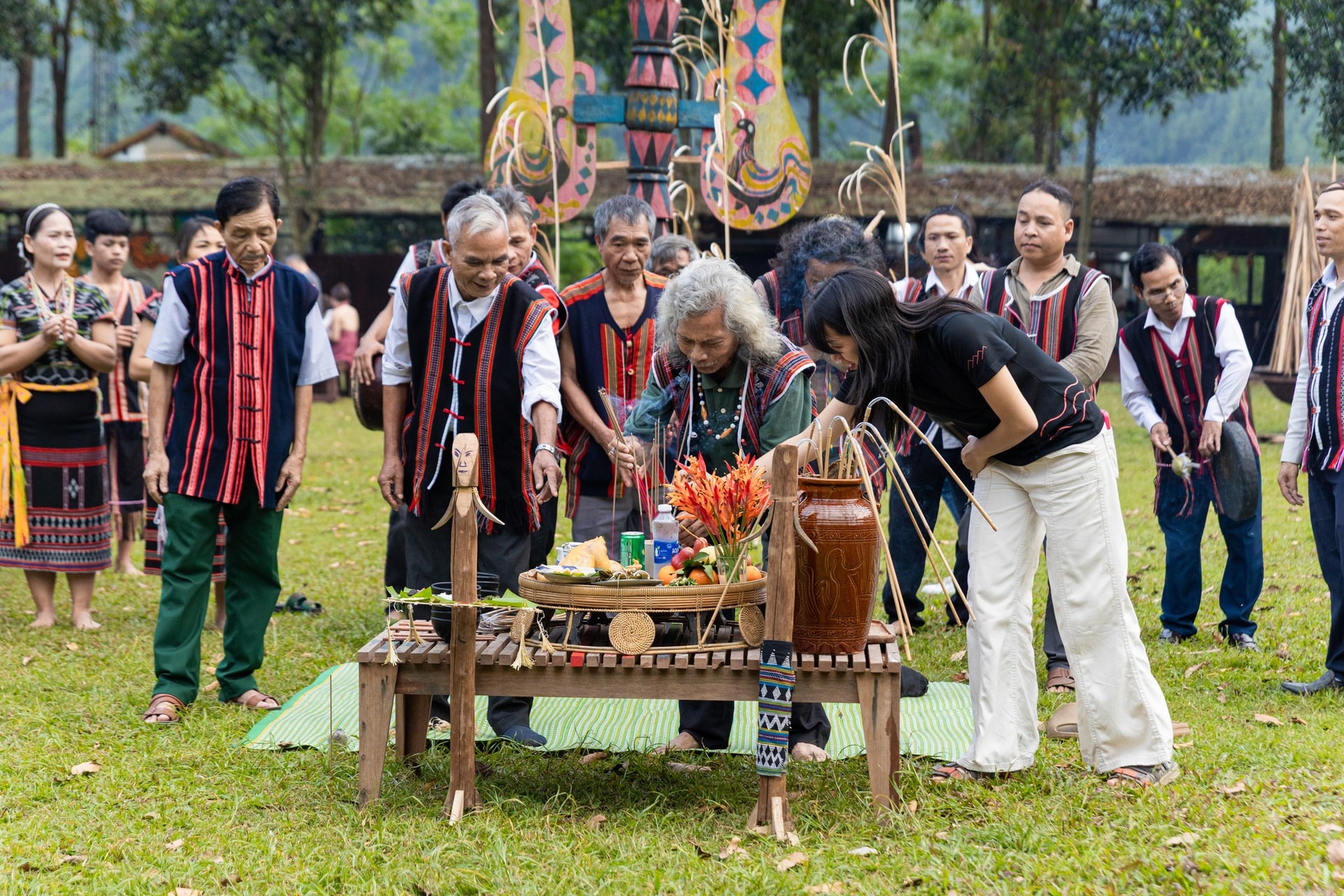
Associate Professor Pham Van Loi from the Vietnam Institute of Studies and Development Science argues that, in international anthropology, cuisine is not simply "material culture," but a system of symbols reflecting how humans organize and interpret the world. He believes that the cuisine of the ethnic groups in the mountainous regions of Da Nang bears the strong imprint of the "forest," from the unique dining spaces to the behaviors. It is this "forest" element that gives the cuisine of the highlands of Quang Nam its distinct identity.
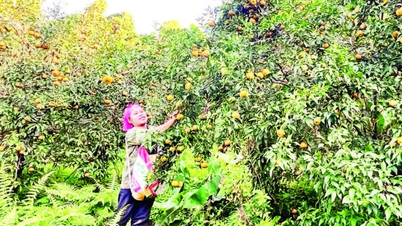
First, the flavor of mountain cuisine originates from its ingredients. The "taste of the forest" is present in each seasonal dish. Along with various "herbs" elevated to medicinal status, the forest fruits of the western mountainous regions of Da Nang are enough to leave a lasting impression on visitors. In the primeval forests at the headwaters, a few patches of ancient trees are interspersed with fruit trees. With the survival philosophy of the mountain people—what birds eat, humans can eat—a unique "ecosystem" of fruits in the highlands has been created, such as dates, mountain plums, jackfruit, etc.
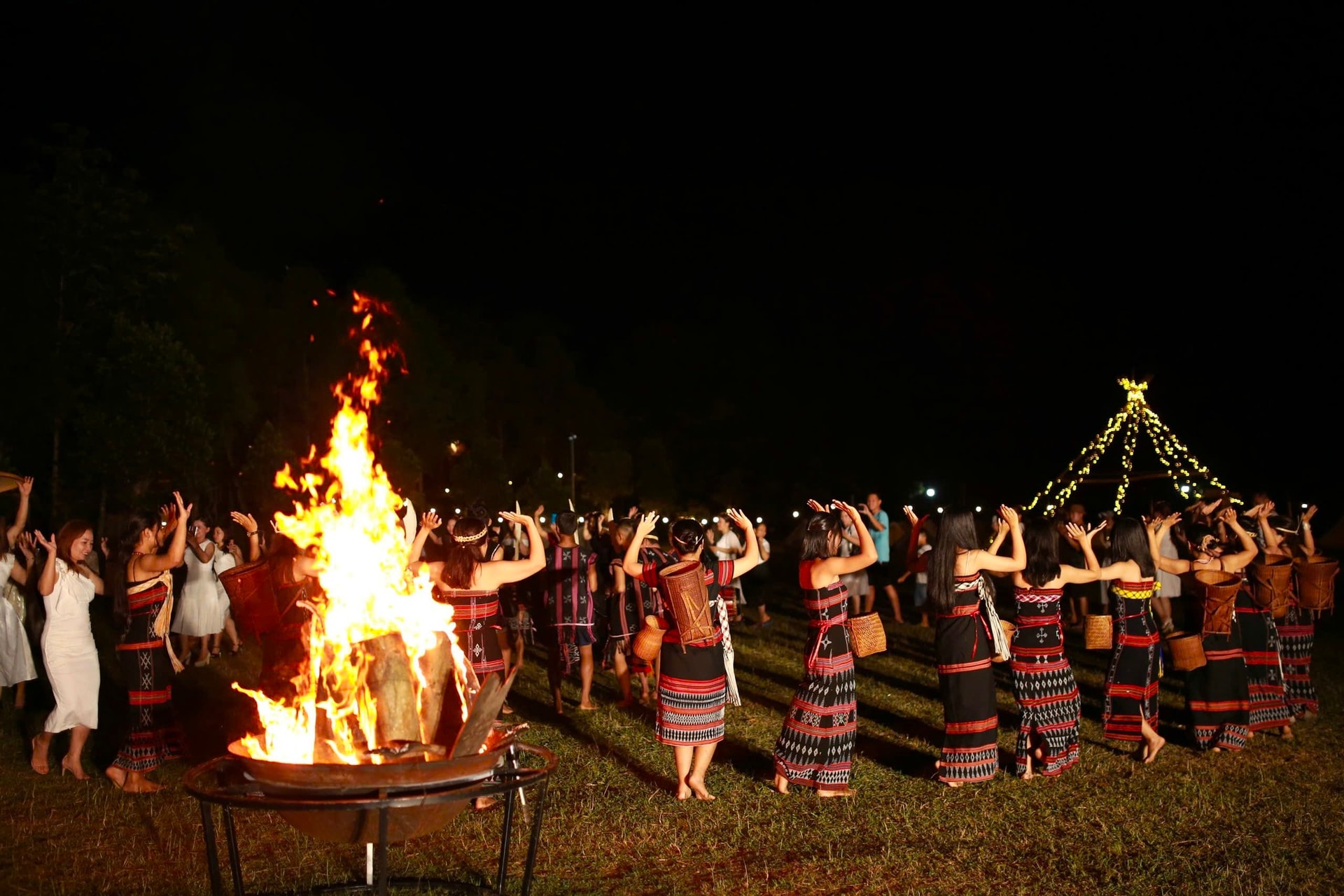
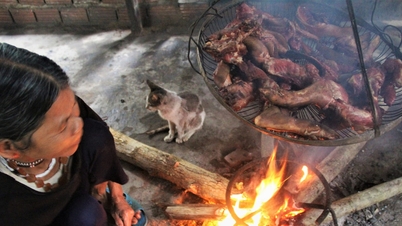
And the essence of the forest must necessarily be a hearth. All aspects of highland cuisine lead back to the hearth, from the Co Tu, Gie Trieng (Trieng, Ve, M'Nong, Xe Dang, Ca Dong) and Co communities—ethnic groups and local communities with a long history of residence in the Truong Son - Central Highlands mountain range.
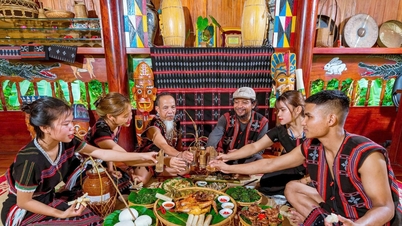
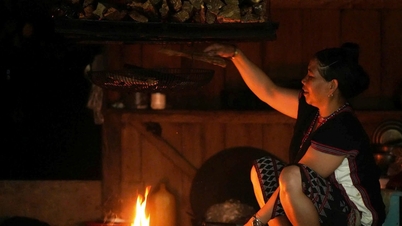
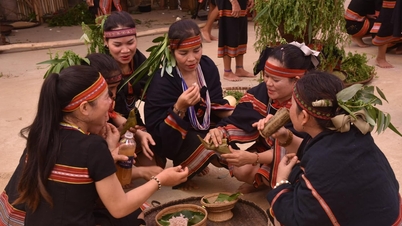
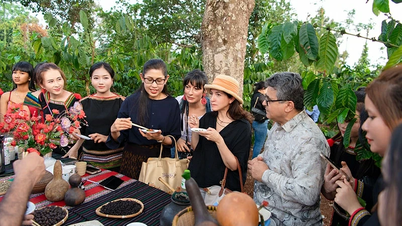
In 2023, during a trip with a delegation of international press attachés organized by the former Quang Nam province to introduce the unique identity of the mountainous region of Quang Nam, we experienced the genuine and heartwarming feeling of being around a campfire in a traditional communal house (gươl). If possible, this could be compared to the feeling of "connecting with the original source," as the mountain people themselves cooked and arranged the space right in their own village.
In the conversations around the campfire in the communal house, the village elders, invited to host international guests, enthusiastically shared their stories. They spoke a mix of Vietnamese and their local dialects, so the guests' understanding was sometimes clear and sometimes unclear, but the unique feeling of that night in Tay Giang will linger in the minds of many.
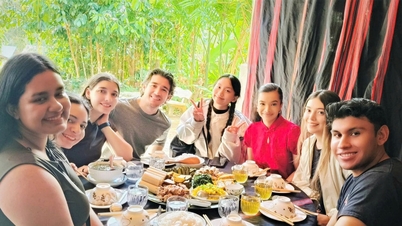
Experience the local culture.
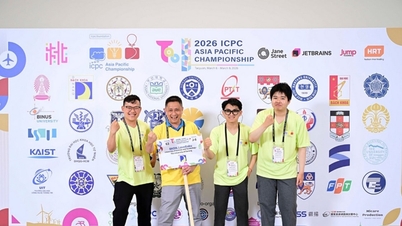
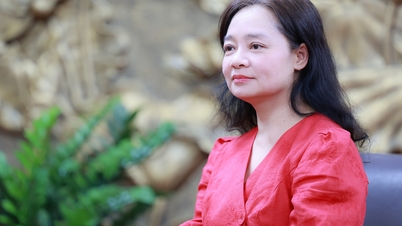
Chen Chia Lun is a reporter for Taiwan's Central News Agency (CNA). She joined us on that trip and occasionally sends me some photos from the trip.
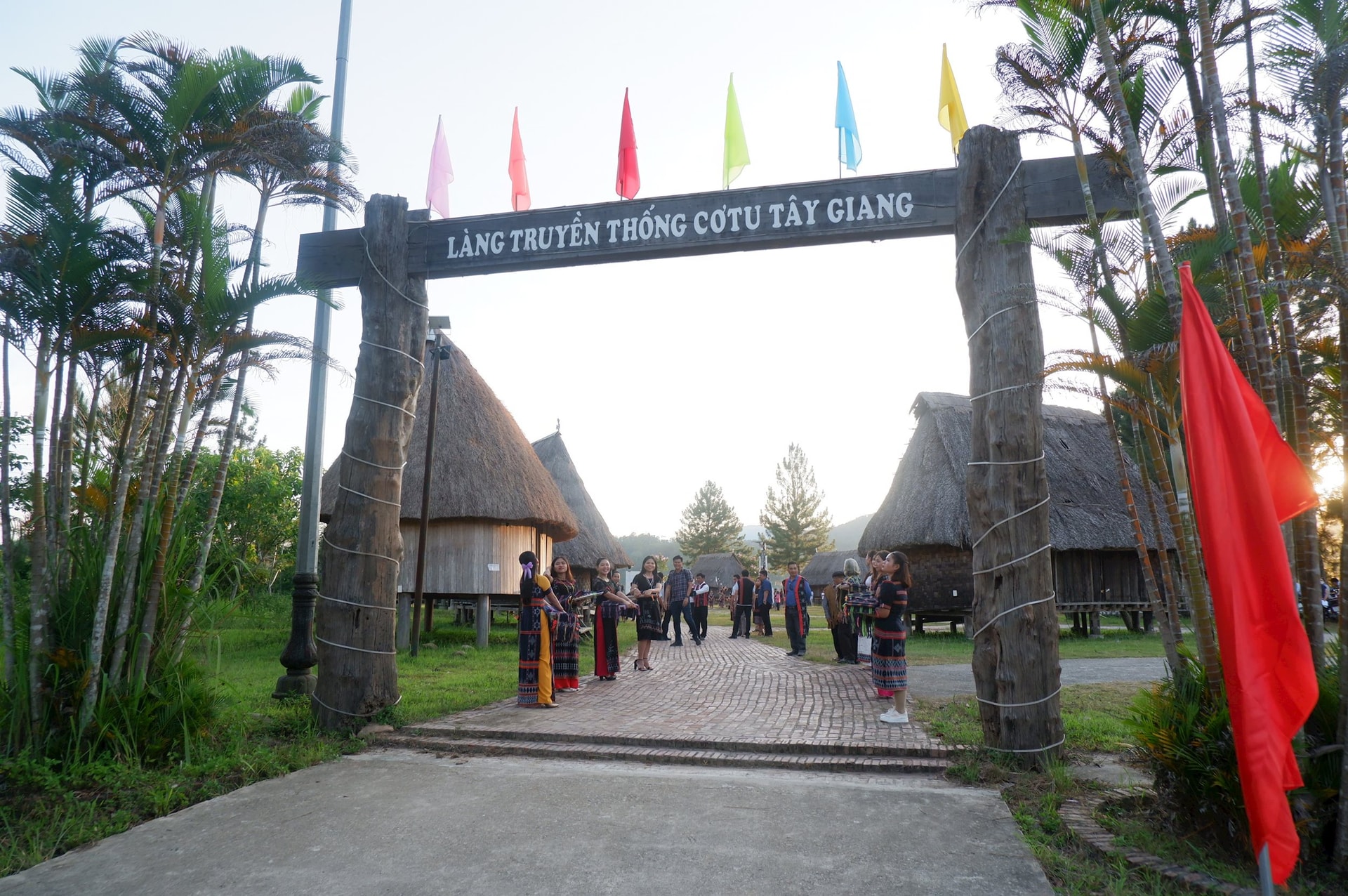
Like that young reporter, the guests that day were deeply moved to learn that these were the authentic cultural values of the mountainous community in Quang Nam province. The food was served on banana leaves; the smoky aroma became the distinctive flavor of every dish. Perhaps when the mountain people, instinctively, create a gathering for themselves, it naturally conveys the most genuine emotions to those present.
Perhaps that's why cuisine is recognized as a bridge connecting people to the culture, history, and unique lifestyles of each country. The history of the whole world is transformed into dishes arranged on plates. Each dish is the embodiment of all the hardships, love, and essence of humanity's long history.
So how can we fully "tell" the essence of each dish? Associate Professor Pham Van Loi argues that many recent studies warn of the risk of "specialty-ization" of cuisine, in which culinary practices are detached from their original social context and redefined and commercialized to serve market demands, especially the tourism market.
Therefore, according to experts, it is necessary to move beyond the "performance-based" approach and instead create experiences where tourists participate in the preparation, hear the story, and understand the history of each dish. In community spaces, regular food markets could be organized, where locals bring traditional dishes to exchange and share. This is a way to recreate a "cultural space" for cuisine.
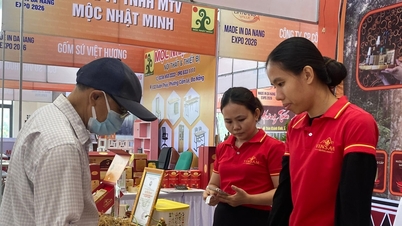
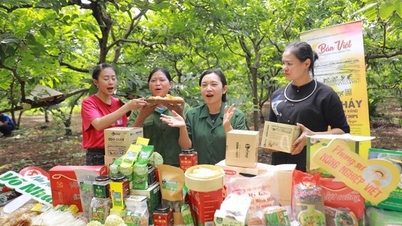
Mr. Le Tan Thanh Tung, Director of Vitraco Tour Da Nang, observed that, along with enjoying the cuisine, tourists always want to experience the processing and purchasing of agricultural products and medicinal herbs in the mountainous regions. Some agricultural and forestry products and medicinal herbs such as upland rice, ginseng, bamboo shoots, wild bitter melon, honey, etc., are quite popular and frequently purchased.
In 2024, the first A Rieu Chili Festival, held at the Dong Giang Sky Gate Tourist Area, became a tourism event linked to local agricultural products, attracting a large number of visitors. This is perhaps also a good direction to establish the culinary identity of the mountainous region.
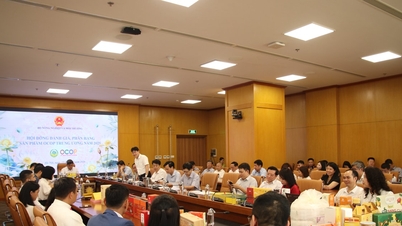
Mr. Van Ba Son, Deputy Director of the Department of Culture, Sports and Tourism, affirmed that promoting tourism in mountainous areas is one of the important goals in Da Nang city's tourism development strategy. Besides exploiting the potential advantages of nature, landscapes, and local culture, encouraging the consumption of agricultural and forestry specialties, OCOP products, characteristic products, and culinary specialties from mountainous regions is essential.
Cuisine is memory, identity, and the way a community tells its story to the world. Preserving local flavors is also preserving the heritage of the community.
Source: https://baodanang.vn/ke-chuyen-am-thuc-vung-cao-3333157.html











































Comment (0)