The flow of money is no longer "easy."
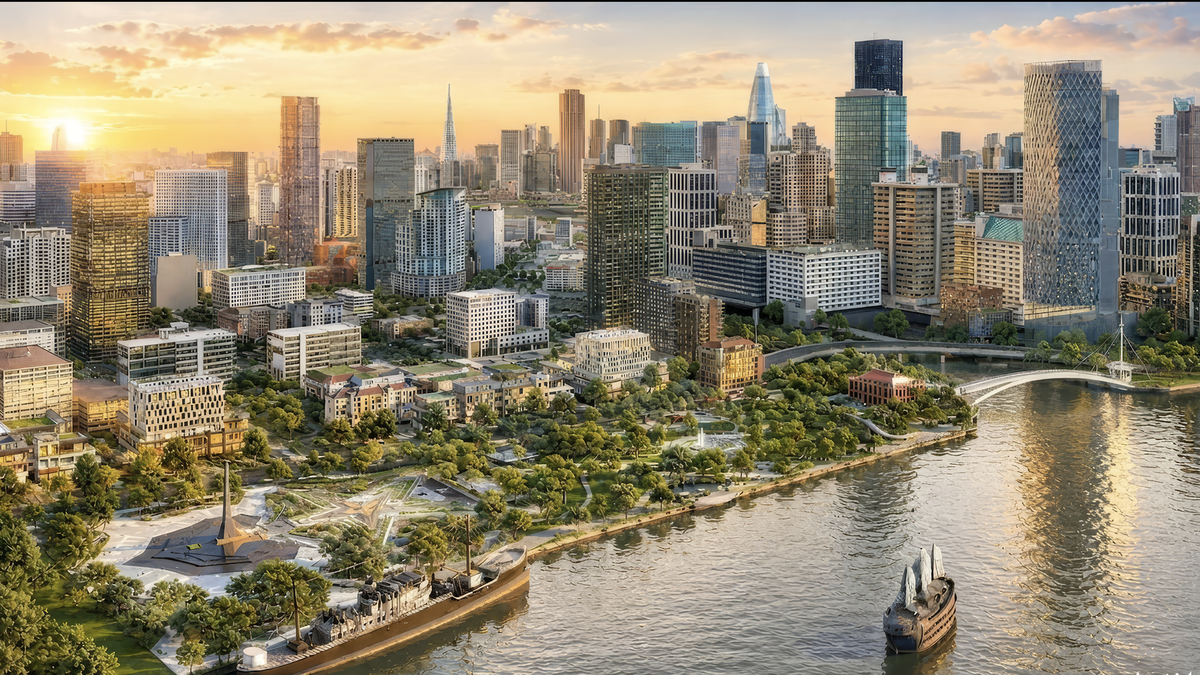
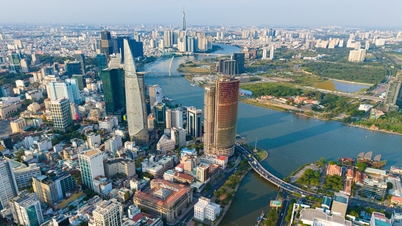
During the period of 2020-2022, capital inflows into real estate grew strongly thanks to low interest rates and high profit expectations. However, after several corrections, entering 2026, the market is no longer operating on a purely recovery trajectory but is entering a period of intense screening. Capital is being allocated more selectively, prioritizing projects that fully meet legal requirements, implementation progress, and practical exploitation potential.
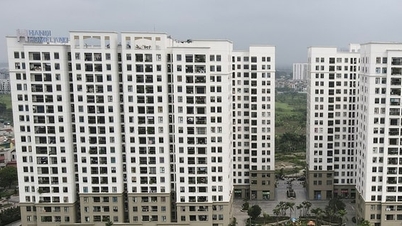
Notably, commercial banks have also changed their approach to real estate lending. Instead of expanding lending across the board, capital is being focused on projects that fully meet legal requirements, have good sales potential, and serve actual housing needs. This contributes to minimizing risks to the financial system, while also putting pressure on real estate businesses to improve their governance capabilities and transparency.

According to Mr. Tran Van Binh, Vice Chairman of the Vietnam Association of Real Estate Brokers (VARS), the market is operating in a state of being affected by macroeconomic factors while simultaneously self-adjusting through an internal selection process. This creates conditions for a more sustainable development environment, where capital flows only to products with real value.
He argued that buyer behavior has changed significantly; while previously investment decisions were primarily based on expectations of price appreciation, now the most important factors are the potential for exploitation, liquidity, and security of the asset. This explains why segments serving real estate needs, industrial real estate, logistics, or projects linked to key transportation infrastructure are attracting better investment than speculative land.
“Meanwhile, individual investors are also gradually shifting to long-term investment strategies. Instead of short-term speculation, they are more interested in the value of use, rental potential, and the potential for value appreciation in the medium and long term. This trend is expected to help reduce speculative price surges and improve the overall quality of market development,” Mr. Binh analyzed.
Adapt to change



Experts believe that the process of reshaping capital flows also places real estate businesses before the need for strong innovation. In the context of increasingly difficult access to credit and bond issuance, many businesses have proactively restructured their investment portfolios, focusing resources on projects that can be implemented immediately, while reducing their dependence on borrowed capital.
At the same time, diversifying funding sources is essential for real estate businesses. Besides bank credit, businesses need to develop long-term funding channels such as the stock market, investment funds, real estate investment trusts (REITs), investment partnerships, and attracting international capital.
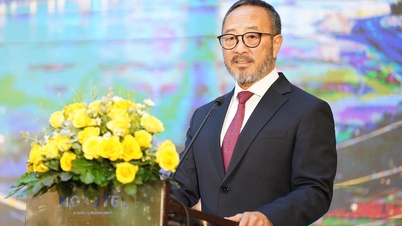
“A sustainable real estate market cannot rely too heavily on bank credit. When capital sources are diversified, businesses will be more proactive in investment activities, while reducing pressure on the financial system. Along with that, improving institutions, removing legal obstacles, and accelerating project approval processes will contribute to enhancing the market's capital absorption capacity,” observed Dr. Can Van Luc, Member of the National Financial and Monetary Policy Advisory Council.
Dr. Le Xuan Nghia, former Vice Chairman of the National Financial Supervision Committee, believes that the supply of real estate is improving thanks to a series of mechanisms implemented by the Government and the National Assembly to remove obstacles. Therefore, the market will not experience excessively rapid price increases like in previous periods.
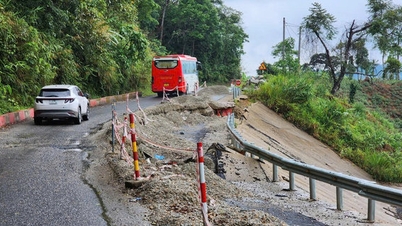
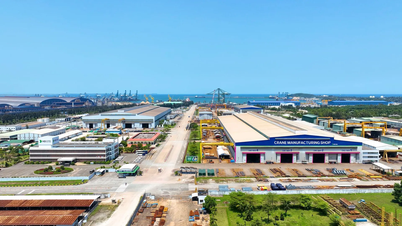
One of the key drivers of the capital flow reshaping process is the robust development of transportation infrastructure. A series of major projects, such as ring roads, expressways, urban railways, airports, and seaports, are opening up new development opportunities for many localities.
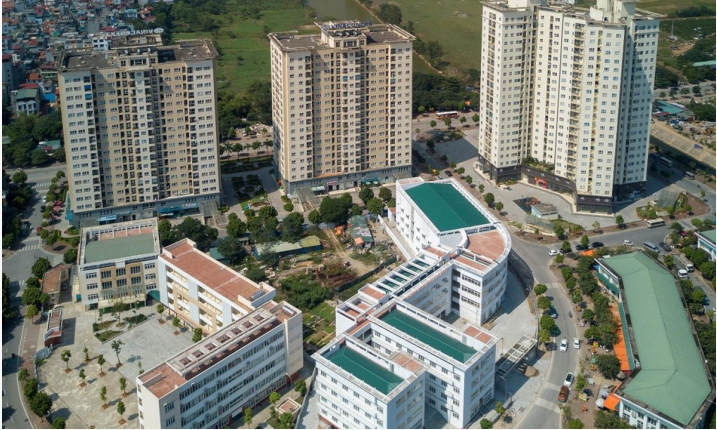
In Hanoi , projects such as the Ring Road 4, radial routes, and the metro system are attracting significant investment capital. However, unlike previous cycles, current investment flows are primarily focused on areas with clear planning and actual infrastructure development, rather than chasing speculative information. The combination of synchronized infrastructure, transparent legal frameworks, and genuine housing demand will continue to be the three key factors determining the ability to attract investment in the coming period.
“The real estate market will continue to recover, but in a highly differentiated manner, without simultaneous growth spurts across all segments. Capital flows will be more selective, focusing on projects with solid foundations and the ability to create long-term value. This is also a positive sign for the economy, as capital is allocated efficiently, social resources are used for the right purposes, speculation is limited, contributing to the stability of the financial market and promoting sustainable economic development,” said Dr. Le Xuan Nghia.



Experts believe that the shift in capital flows not only reflects a more cautious investment trend but also shows that the market is gradually moving from extensive to intensive development. This will be an important foundation for building a transparent, safe, and sustainable market, contributing positively to socio-economic development goals in the coming years.
To ensure the effectiveness of the capital flow restructuring process, it is necessary to continue improving the legal system regarding land, investment, housing, and real estate business; while simultaneously developing medium and long-term capital mobilization channels, enhancing market transparency, and accelerating infrastructure investment.
Source: https://hanoimoi.vn/tai-dinh-hinh-dong-von-thi-truong-bat-dong-san-buoc-vao-chu-ky-moi-1209995.html



![[Photo] Strengthening character and expertise: Intense training for artillery soldiers.](https://vphoto.vietnam.vn/thumb/1200x675/vietnam/resource/IMAGE/2026/06/30/1782815602541_lu-368-1875-4571-jpg.webp)