

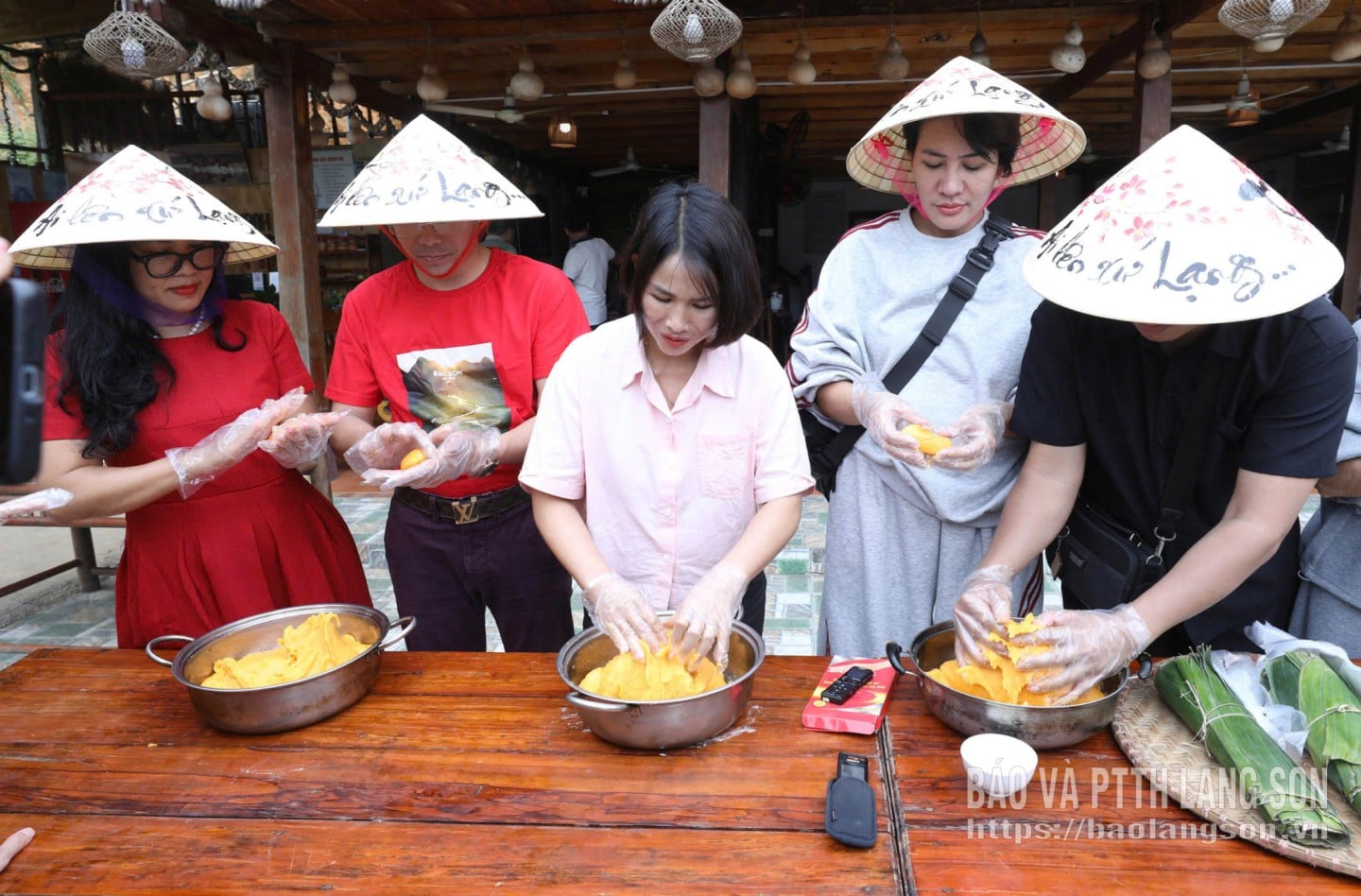
Lang Son is home to many ethnic groups with diverse and unique cultural values. Each ethnic group is concentrated in specific areas, creating distinct local cultural identities, characterized by customs, traditions, folk songs and dances, and cuisine . This is one of the catalysts for the effective development of community-based tourism. The core element of community-based tourism is the deep experience of tourists with the local culture, lifestyle, cuisine, and landscape.
It is easy to see that in many community-based tourism villages in the province, traditional stilt house architecture is still relatively well-preserved. These stilt houses with yin-yang tiled roofs not only meet the living needs of the people but also serve as spaces preserving the cultural memories of the community. Each house tells a story about adapting to the terrain and climate; about the concept of living in harmony with nature of the ethnic minorities in the highlands. For example, Quynh Son village (Bac Son commune). The highlight of the village is that it still preserves more than 400 ancient stilt houses of the Tay people, all facing south – a symbol of vitality, good fortune, and prosperity.
Mr. Le Hung Khuong, a tourist from Ho Chi Minh City, shared: "I've visited Quynh Son village many times, and each time I'm very impressed with the stilt houses of the Tay people here. Although they all have yin-yang tiled roofs, each house has its own unique character. Along with that, I've experienced and understood more about the Tay culture, and I think it's this simple, rustic charm that makes me want to return here many more times."
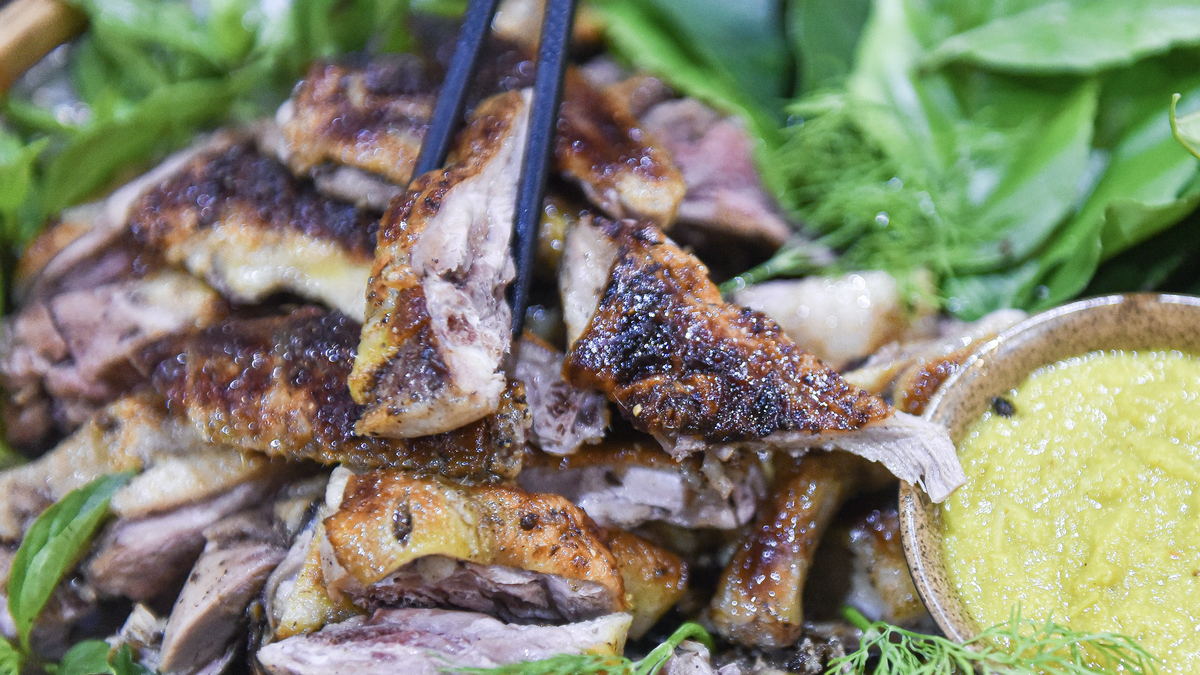
Along with stilt house architecture, cuisine is also an important highlight in the cultural landscape of community-based tourism villages in Lang Son. From familiar dishes like five-colored sticky rice, braised pork, sausage, smoked meat, to traditional cakes… all bear the distinct mark of the local culture.
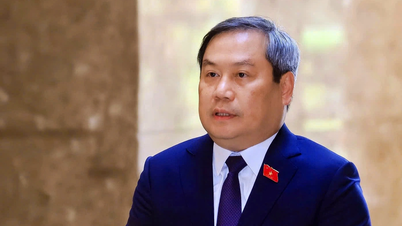
According to Mr. Hoang Van Pao, Chairman of the Provincial Cultural Heritage Association: Lang Son's cuisine is rich and diverse, deeply rooted in the identities of the Tay, Nung, Dao, and Kinh ethnic groups. Each dish and drink contains distinctive cultural features, reflecting precious folk knowledge preserved and passed down through generations. Taking advantage of this, community-based tourism villages in the province have incorporated these elements into their menus to serve tourists. This not only contributes to increasing the income of the local people but also serves as the most vibrant way to promote the culinary culture of the highlands.
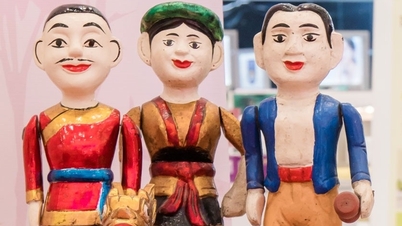
Besides traditional architecture and cuisine, intangible cultural forms such as Then singing and Dan Tinh playing, Luon singing, puppet shows, and Vi singing are also favorite "products" for tourists visiting community tourism destinations in Lang Son. Many tourists share that what they remember most after their trip is not only the natural scenery, but also the evenings of community cultural activities, where local culture is conveyed with genuine emotion.
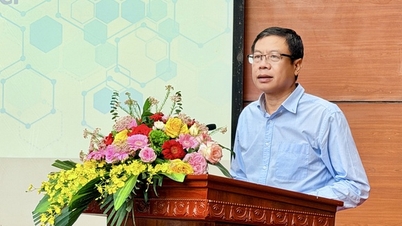
Mr. Luu Ba Mac, Deputy Director of the Department of Culture, Sports and Tourism, said: "With the view that 'community tourism development must be based on local culture,' we have advised the Provincial People's Committee to focus on mobilizing resources to invest in the development of community tourism destinations in a civilized, modern, and high-quality direction, maximizing potential and strengths while preserving the unique traditions of the people and nature. To date, these community tourism destinations have been recognized to varying degrees, leaving a positive impression on tourists from within and outside the province."
According to estimates, in 2025 alone, despite the changes caused by the merger of former communes, the promotion, investment, and development of community-based tourism continued to receive attention from all levels of government. As a result, the number of visitors who came to visit, experience, and stay in community-based tourism villages reached over 70,000.
It can be affirmed that local culture is the most valuable "soft resource" of community tourism in Lang Son. With the attention of all levels and sectors in the province, along with the mechanisms and policies already issued, it is believed that in the coming time, community tourism will continue to create a strong impetus for tourism development in the province.
Source: https://baolangson.vn/tai-nguyen-mem-cua-du-lich-cong-dong-5072957.html



















































Comment (0)