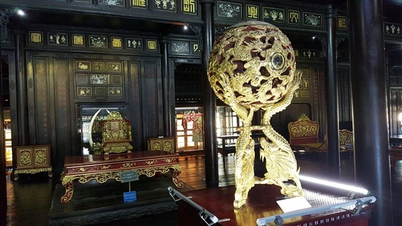
Ho Chi Minh City boasts one of the largest museum systems in the country. According to statistics from the Cultural Heritage Department (Ho Chi Minh City Department of Culture and Sports), the city currently has 25 museums with nearly 693,000 artifacts and documents; including approximately 296,000 original artifacts and 25 national treasures. This is a vast cultural resource, reflecting the history of urban development, Southern Vietnamese culture, maritime culture, traditional crafts, and the international exchange process of the Southern region.
Change the way you do it.
During the period 2021-2025, museums in the city collected more than 18,400 artifacts, documents, and images; welcoming over 13.4 million visitors, including nearly 4 million international visitors. These figures demonstrate the growing appeal of museum institutions in urban cultural life.
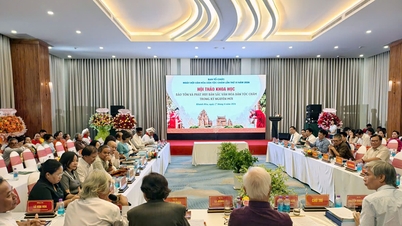
However, as many experts noted at the conference "Current Situation and Solutions for Building and Developing the Museum System in Ho Chi Minh City" held at the end of May, the biggest bottleneck today is not the number of museums but the lack of connectivity.
Dr. Nguyen Thi Hau, Secretary General of the Ho Chi Minh City Historical Science Association, argues that museums currently operate as independent institutions, lacking a sufficiently strong structure to tell the overall story of the history and culture of the entire urban area. Meanwhile, a large city like Ho Chi Minh City needs a "museum ecosystem," where public and private museums, historical sites, and community cultural spaces collaborate to create a unified experiential network.
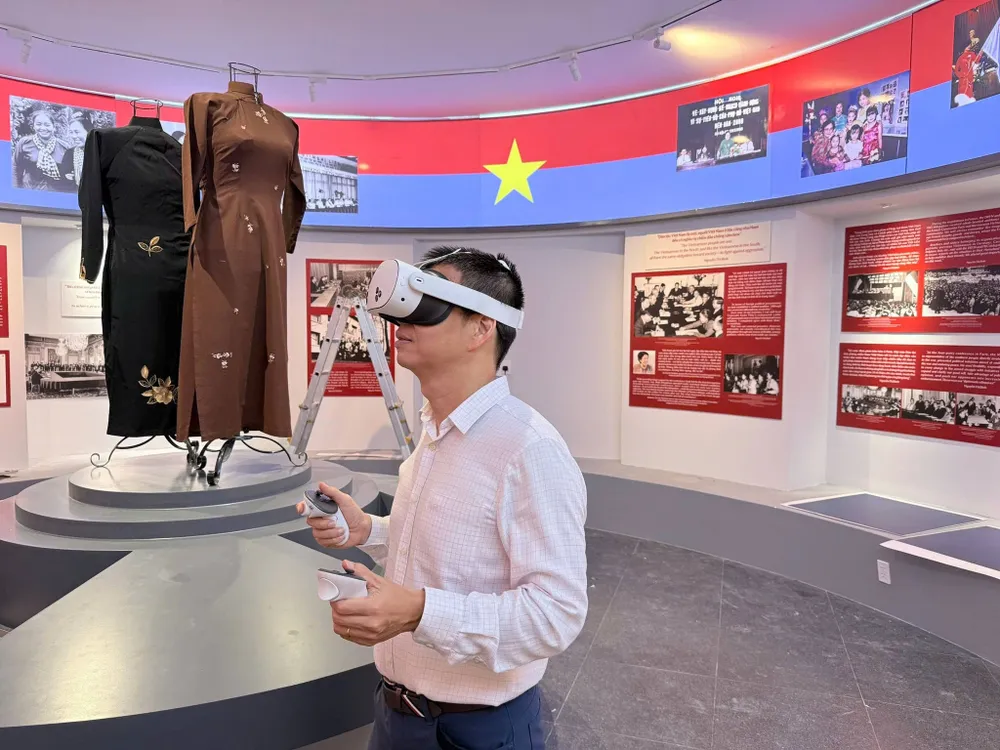
In fact, many museums in Ho Chi Minh City have begun to shift in this direction. The War Remnants Museum (28 Vo Van Tan Street, Xuan Hoa Ward) has become a space for dialogue on peace, reconciliation, and overcoming the consequences of war. The Ho Chi Minh City Museum of Fine Arts (97 Pho Duc Chinh Street, Ben Thanh Ward) continuously organizes thematic exhibitions, connecting with the contemporary creative community. The Southern Women's Museum (202 Vo Thi Sau Street, Xuan Hoa Ward) is organizing heritage education activities, linked to gender issues and the cultural life of Southern Vietnam.
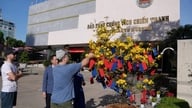

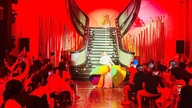
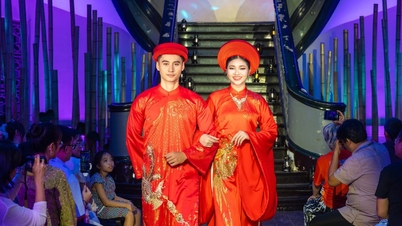
In the non-governmental sector, the Ao Dai Museum (206/19/30 Long Thuan Street, Long Phuoc Ward) makes its mark by combining preservation with cultural experiences, art performances, and tourism . The Quang San Art Museum (189B/3 Nguyen Van Huong Street, An Khanh Ward) has become a meeting point for the art community with exhibitions, visual education activities, and community programs.
Additional impetus from the cultural industry.
While in the past, the prestige of a museum was often measured by the number of artifacts it held, nowadays, its accessibility to the public is the most important indicator.
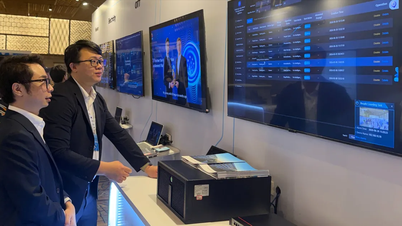
According to the Ho Chi Minh City Department of Culture and Sports' report summarizing museum activities from 2021-2025, many institutions have undergone significant innovation. Over 249,000 artifacts and documents have been digitized in 2D; and over 2,100 artifacts have been digitized in 3D. Some museums have implemented virtual exhibitions, 360° online tours, audio guides, and social media platforms to reach younger audiences.
However, digital transformation in the museum sector is still in its early stages. Mr. Tran Anh Thien, Deputy Director of the Ba Ria - Vung Tau Museum and Library, believes that digital transformation comprehensively changes the way museums are managed, preserved, and served to the public. Technology needs to become a storytelling tool, enhancing experiences and expanding access to heritage. Today's public not only wants to see artifacts but also wants to participate, interact, and co-create. This is the "key" for museums to participate more deeply in the cultural industry ecosystem.
That is also why many experts suggest restructuring the museum system towards thematic specialization and leveraging the strengths of each locality. One notable proposal is to transform the Binh Duong Museum (565 Binh Duong Boulevard, Thu Dau Mot Ward) into the Ho Chi Minh City Traditional Craft Museum, focusing on showcasing pottery, Tuong Binh Hiep lacquerware, and other characteristic craft villages of the Thu Dau Mot region. If implemented effectively, this model would both serve preservation purposes and create new cultural tourism products, promoting experiential education and supporting the development of a creative economy.
In the strategy for developing the cultural industry, museums cannot remain uninvolved. When connected with tourism, education, technology, and creative industries, museums will contribute to economic development, social value, and cultural attractiveness for the city. This is also the path for museums in Ho Chi Minh City to transform from mere archives of artifacts into creative spaces where the past is retold in the language of the present and becomes a source of inspiration for the future.



Mr. Tran The Thuan, Director of the Department of Culture and Sports of Ho Chi Minh City : Focusing on the accessibility needs of the people.
Ho Chi Minh City is guiding public museums to shift from a "display of artifacts" mindset to a "service to the public" approach. Before any renovation, expansion, or new construction projects, management units require that the needs of the public for access, experience, and interaction be prioritized. This direction aligns with the development trends of modern museums, contributing to making museums more vibrant and accessible cultural spaces for the public.
Source: https://www.sggp.org.vn/tao-suc-hut-moi-cho-bao-tang-post857305.html