

WHEN WOMEN TAKE THE LEAD OF THE CEREMONY
On a rainy day in early November, sitting thoughtfully on the doorstep gazing at the sky, the village elder – Meritorious Artisan Ho Van Hanh (77 years old, residing in A Nieng Le Trieng village, Trung Son commune, A Luoi district) – tapped his fingers, mumbled, and then showed impatience: "The Aza festival will begin on the 6th day of the 11th lunar month and last until the 24th day of the 12th lunar month. This year, the festival coincides with December 6th in the Gregorian calendar, making it easy to remember. There's only one month left until the Aza festival, and it keeps raining like this. It will be much harder for the children to go into the forest and mountains to find specialties to offer to Yang (the sky)..." Elder Hanh recounted that for generations, whenever the rice harvest is stored in the granary, the Ta Oi and Pa Koh people living in the A Luoi valley hold a festival to thank the mother rice. Aza is the common name used by the two ethnic groups when performing rituals to celebrate the new rice harvest.
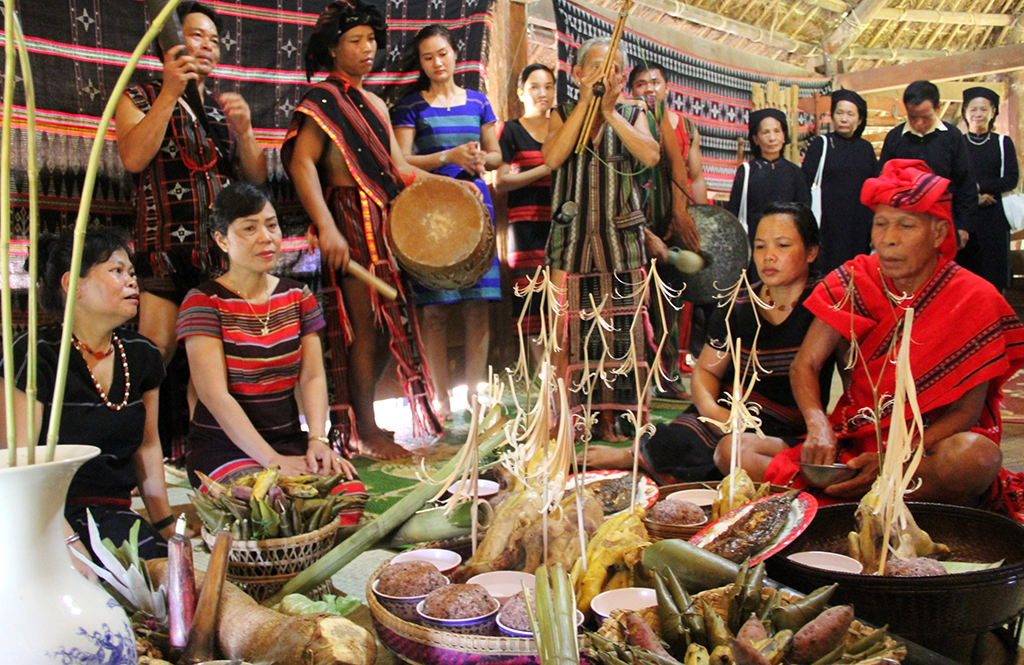
The ritual of worshipping the mother of rice is performed to the sounds of flutes, drums, gongs, etc.
Interestingly, although the Aza festival is held, the people distinguish between Aza koonh and Aza kăn to indicate the nature and scale of the festival. Aza kăn is held annually, while Aza koonh is held every five years and is called the "big festival." According to village elder Ho Van Rai (80 years old), whether the festival is large or small, the rituals must be complete to thank heaven and earth for the rice crop bearing "precious grains." "Every Ta Oi or Pa Koh person knows that their prosperous life is thanks to the 'master' of agriculture - the rice plant. Therefore, the offerings to Mother Rice must include all kinds of four-legged and two-legged animals, such as cows, pigs, goats, chickens… and representing crops, such as bananas, sugarcane, corn…", elder Rai said.
Elder Ho Van Hanh continued, saying that besides the mother of rice ( ka coong tro ), there are a total of eight gods protecting the village and the harvest, and offerings should be made with reverence. According to the elder, from the village community to individual households, people will worship the god of the village ( pa nuon ), the god of the stalls ( a pan ), the god of the house ( yang dung ), the god of the mountains ( yang cor ), the god of the spirits ( yang cot ), the god of the water ( yang p'no dar ), the god of the garden ( yang cum ), and the god of livestock ( yang par nan ). According to researcher Tran Nguyen Khanh Phong, the practice of the traditional Aza ritual reflects the unique worldview of the Ta Oi people. The Aza festival is considered the biggest ceremony of the year, where the Ta Oi people offer thanks to the gods.
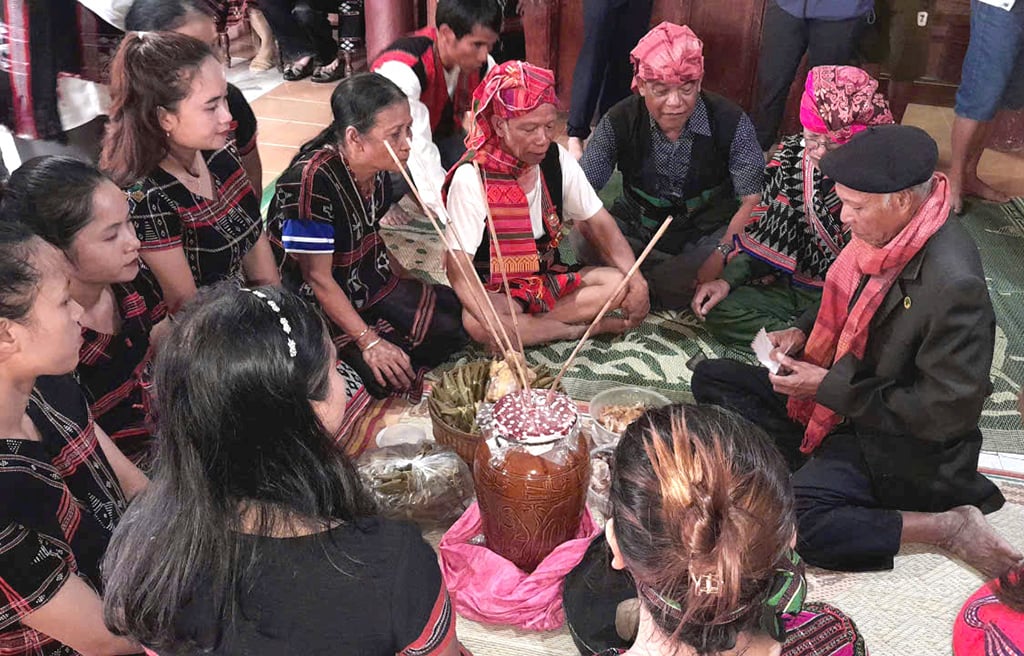
The village elder welcomes distinguished guests to the Aza koonh festival.
"The Aza New Year ritual is held in three ceremonies, including: a ceremony in the fields, a ceremony at home, and a ceremony in the village community. All these ceremonies take place within the first half day of the Aza New Year. Ta Oi customary law stipulates that whether the ceremony is in the fields, at home, or in the village, the person presiding over the ceremony is always a woman, namely the wife of the homeowner, the wife of the clan head, or the wife of the village head," Mr. Phong explained.
X Deserves the title of National Heritage Site
Elder Quynh Quyen (80 years old, residing in A Nam village, Hong Van commune), who played a significant role in making the Aza koonh festival a national intangible cultural heritage, said that like the Ariêu car and Ariêu ping festivals, the Aza festival also has a vibrant and rich cultural identity of the highlanders in A Luoi. The village also invites guests from neighboring villages to come and perform singing and dancing. The difference is that during the rituals of worshiping the spirits, gongs and drums are still played, echoing throughout the mountains and forests, signifying joy. "In the old days, the young men of the village used bamboo tubes to roast until they puffed up. When it was time for the ceremony, they would bring them out and smash them, the crisp popping sound was very pleasant to the ear. And the elders would shout 'oi… oi… oi' to signal that the festival had arrived," Elder Hanh added.
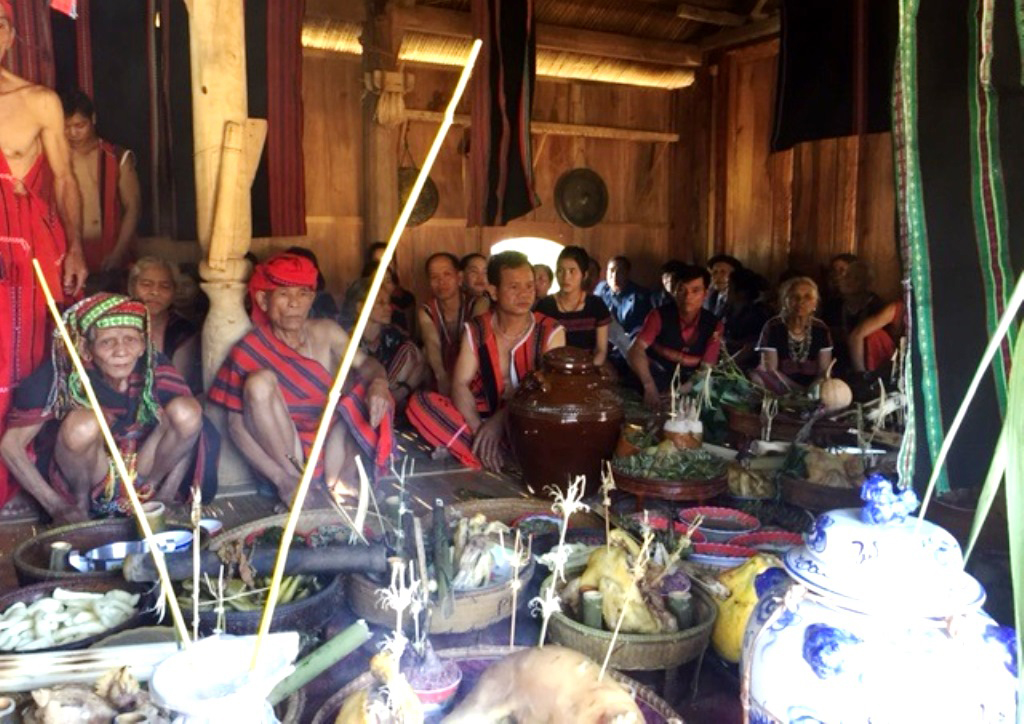
The offerings to the mother of rice and the deities include many agricultural products grown by the people.
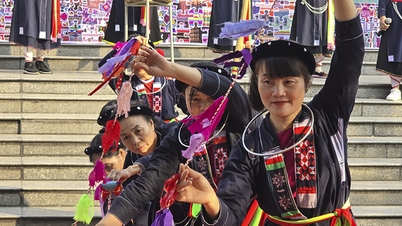
According to the study "A Special Study on the Traditional Aza Festival of the Ta Oi People in Vietnam" by researcher Tran Nguyen Khanh Phong, the Aza festival is truly unique, featuring cultural, artistic, and sporting activities. Particularly noteworthy is the participation of invited guests who join the villagers in the traditional Ca Loi dances. According to elder Ho Van Hanh, during the festival, participants dress up in their finest attire made from zeng – a traditional brocade fabric from A Luoi (recognized as a national intangible cultural heritage in 2017). They enthusiastically sing and dance to traditional songs such as "ba boi," "cha chap," and "xieng." Meanwhile, the village men compete in games like climbing tall poles, walking on their feet, and archery. Alongside these unique rituals, the rich intangible cultural heritage is put into practice. The Aza Festival is also an opportunity for the Ta Oi and Pa Koh people to proudly showcase their unique dishes and drinks.
According to Ms. Le Thi Them, Head of the Culture and Sports Department of Ha Luoi district, Aza is one of the largest festivals in the Truong Son mountain range. Besides the ritual of thanking the gods for their support of agriculture, Aza, when organized, is also an opportunity for the people to discuss business and strengthen bonds of friendship between villages.
Completing the documentation for the Co Tu people's festival.
On November 7th, the People's Committee of Nam Dong District (Thua Thien-Hue province), in coordination with the Vietnam Institute of Culture and Arts in Hue, organized a seminar to gather feedback on completing the dossier and profile for including the New Rice Festival (bhuôih cha haro tơme) of the Co Tu ethnic group in the national list of intangible cultural heritage. For generations, the New Rice Festival, held on a community scale, has become a major celebration with the participation of all Co Tu people in Nam Dong District, featuring many unique rituals, cultural activities, and artistic performances.
Source: https://thanhnien.vn/nhung-le-hoi-doc-dao-tet-chung-cua-2-dan-toc-ton-vinh-me-lua-185241201224836926.htm































































Comment (0)