Telling academic stories in the language of children.
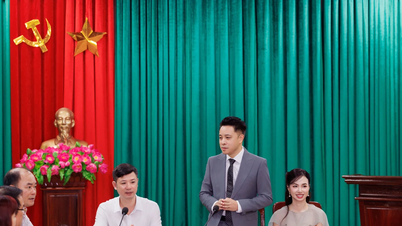
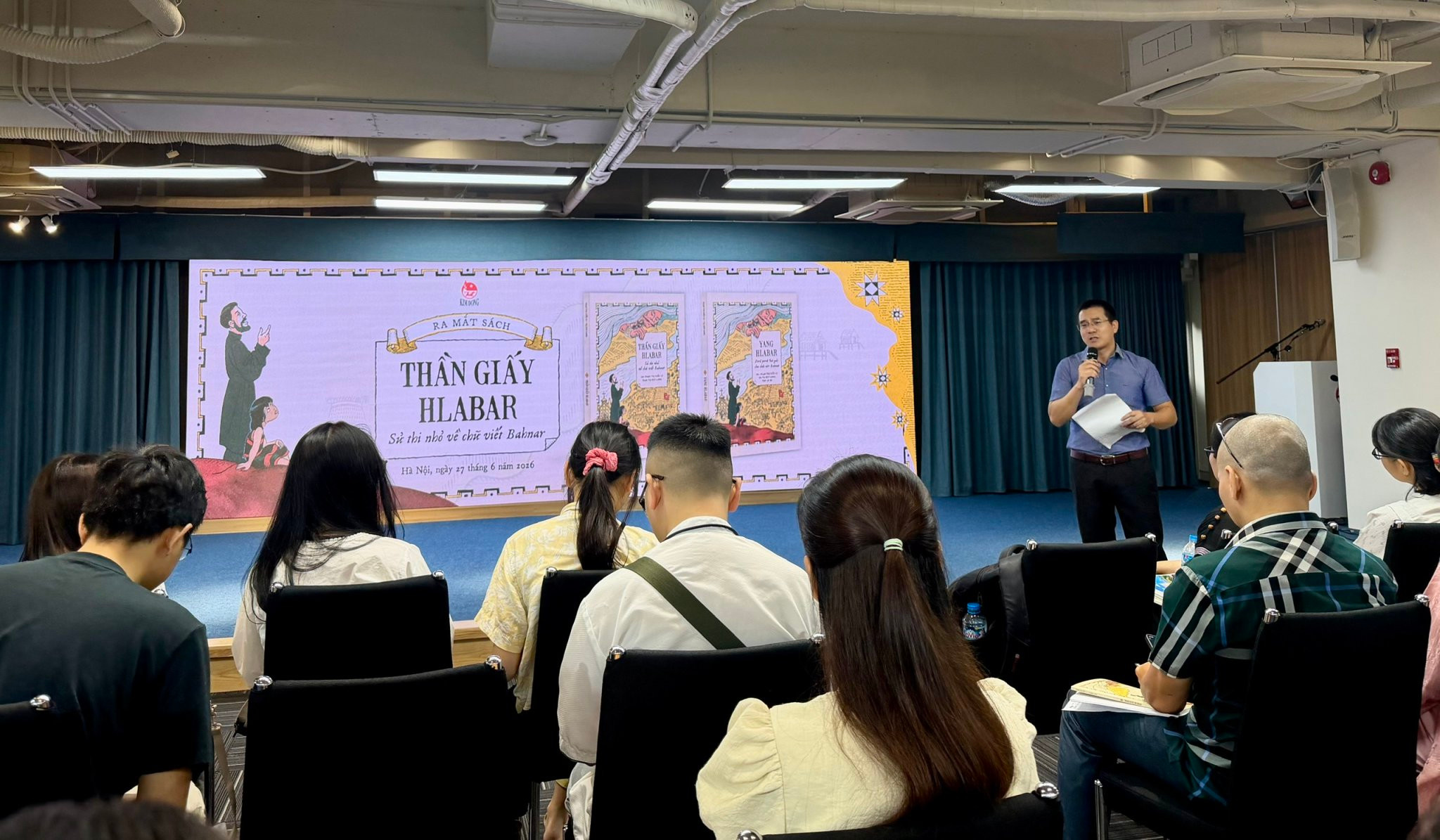
On June 27th, in Hanoi , Kim Dong Publishing House organized a book launch and discussion for the comic book "The Paper God Hlabar – A Mini-Epic of the Bahnar Script" by linguist Dr. Pham Thi Kieu Ly and artist Ta Huy Long.
Following up on their previous book, "The Journey of Creating the Vietnamese National Script," in their new book, authors Pham Thi Kieu Ly and artist Ta Huy Long have chosen a topic rich in cultural value but little known: the history of the Bahnar script. The work is adapted from the research project "The History of the Latin-based Script of the Bahnar Language in the Study, Preservation, and Restoration of the Historical and Cultural Values of the Nation," led by Dr. Pham Thi Kieu Ly.
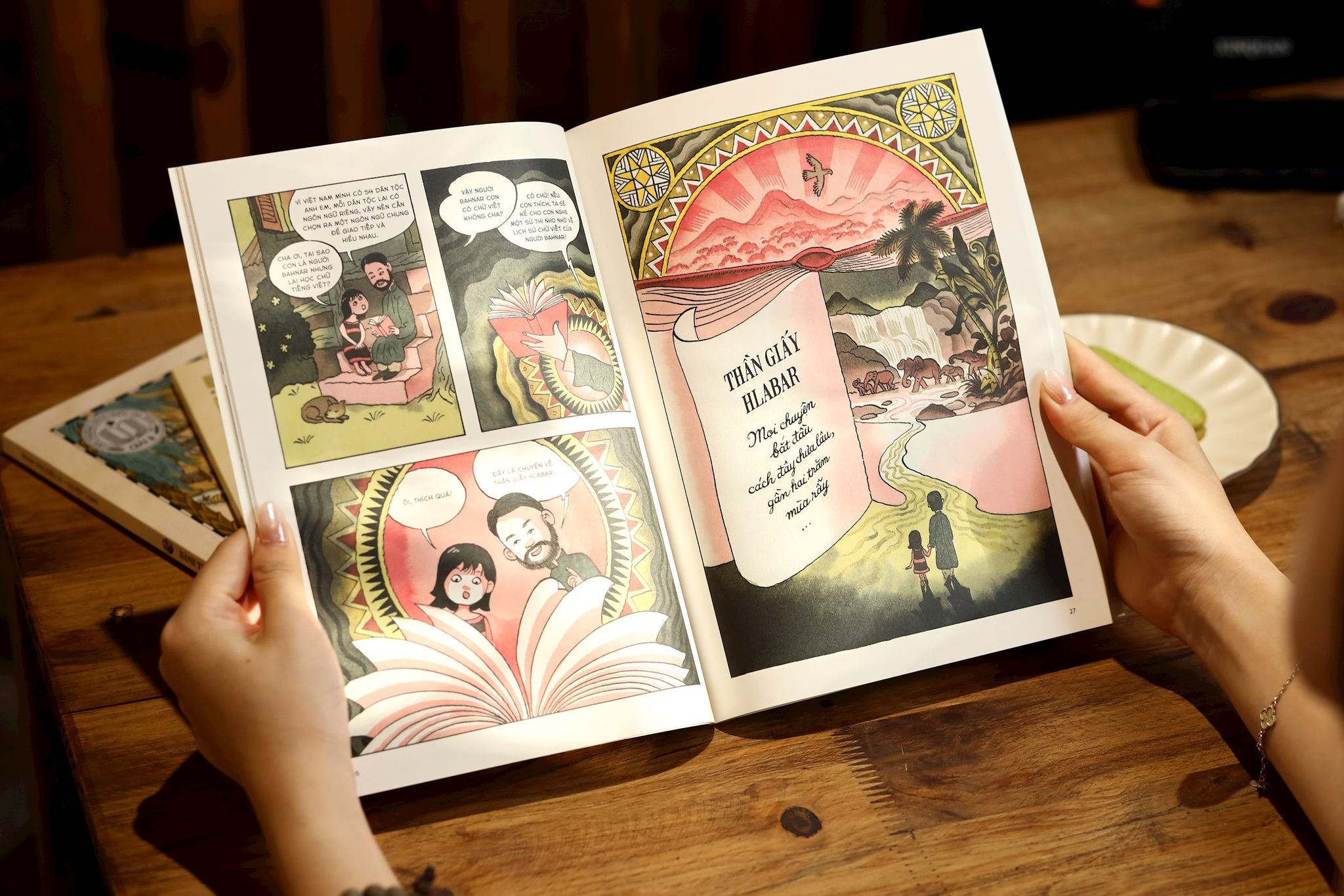
The story begins with the innocent question of a young girl named Hri: "Do the Bahnar people have a written language?" From there, the reader follows the character back to the Central Highlands in the late 19th and early 20th centuries to learn about the journey of French missionaries learning the Bahnar language, transcribing the indigenous language using Latin characters, contributing to the formation of the Bahnar writing system, and building schools and printing presses.
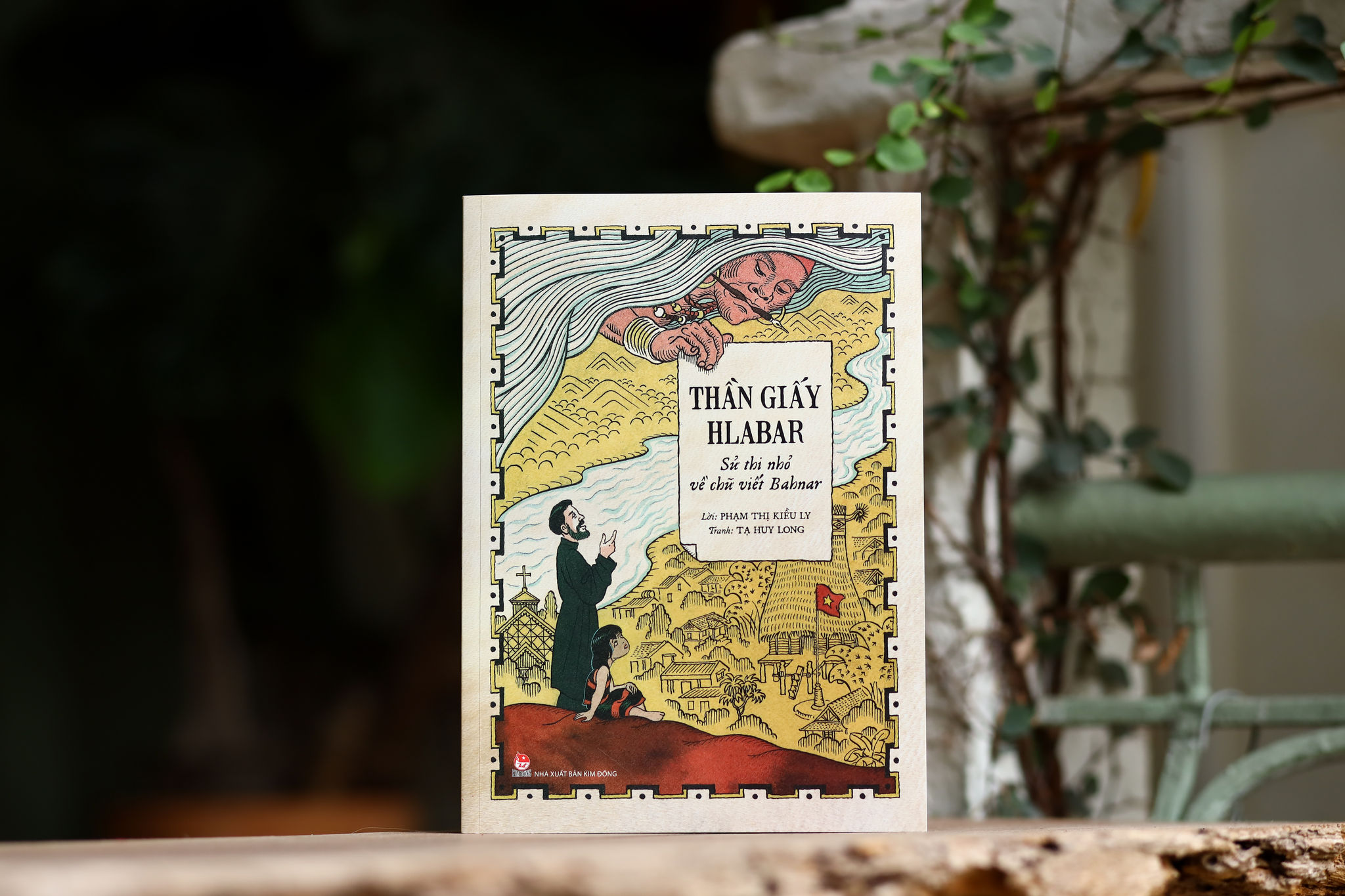
In the work, "Hlabar" in the Bahnar language means book or document. The authors chose the image of the "Paper God" because, for the early Bahnar people, writing was like a magical power. From this emerged the symbol of the Paper God – the deity of writing, knowledge, and connection, adding to the rich animistic worldview of the Bahnar people.
The book was published simultaneously in Vietnamese under the title "The Paper God Hlabar" and in Bahnar under the title "Yang Hlabar". Both editions aim to encourage the use of mother tongues, strengthen cultural transmission between generations, and contribute to celebrating the linguistic diversity of Vietnam.



Prior to its launch in Hanoi, author Pham Thi Kieu Ly and illustrator Ta Huy Long held two book readings and interactions with Bahnar children. These meetings took place in the very land that nurtured the story, helping the book become a bridge between the creator and the cultural community depicted in the work.
Expanding perspectives on national culture
Regarding this book, Vu Thi Quynh Lien, Deputy Director and Editor-in-Chief of Kim Dong Publishing House, commented that, despite being titled "A Mini Epic," the process of creating the book was a meticulous one, involving many years of research, fieldwork, and creativity.
The work goes beyond simply telling the story of the origin of the Bahnar script; it also opens a door for children to explore the cultures of Vietnam's ethnic groups, helping them understand and appreciate the diversity and differences of the 54 ethnic groups, thereby broadening their worldview.
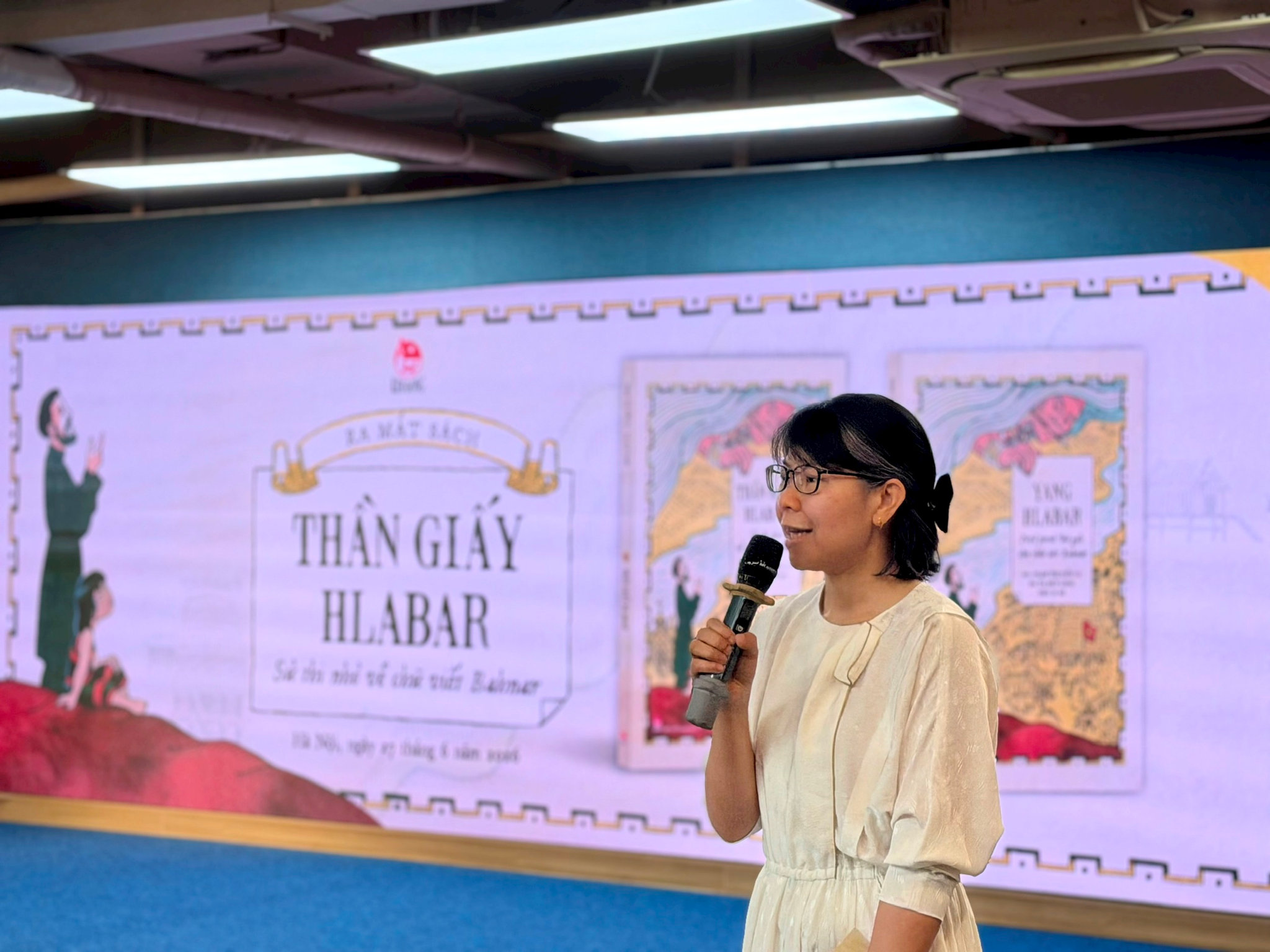
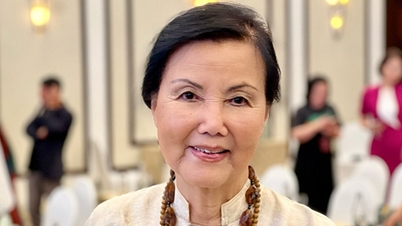
Sharing at the program, Dr. Pham Thi Kieu Ly said that the idea for the book originated from a very simple question from children about the Bahnar script. From that question, the author wanted to recount history in accessible language, so that linguistic knowledge would be appealing to young readers.
The author also hopes that through this book, the Bahnar people will understand the journey of the formation of their writing system, thereby fostering a greater love for and use of the Bahnar script in their lives, and thus preserving their cultural identity sustainably through generations.
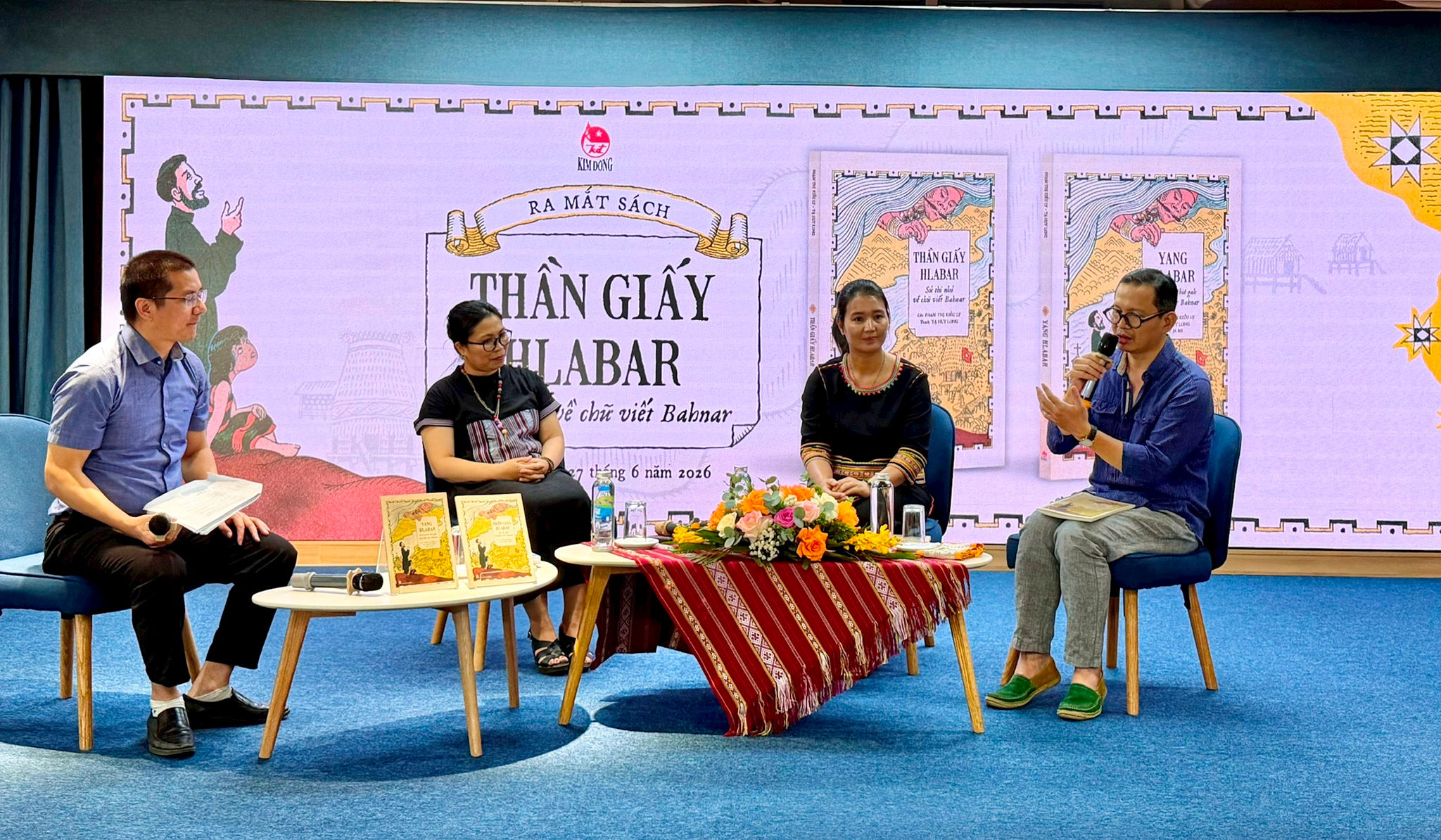



To recreate the atmosphere of the Central Highlands, artist Ta Huy Long spent a great deal of time researching documents and real-life experiences, incorporating images of the vast forests, gongs, communal houses, and the rhythm of life of the Bahnar people into each page of the book. His hope is that each painting will breathe the spirit of the land, helping readers enter a world that is both rich in epic qualities and yet familiar.
During the exchange program, the authors and translator Ja Mi – who translated the work into the Bahnar language under the title "Yang Hlabar" – also engaged in discussions about the journey of transforming a research work into a comic book, the role of the Bahnar language, and the significance of the mother tongue in community life.
Through the book "The Paper God Hlabar – A Mini-Epic of the Bahnar Script," the authors convey the message that literacy is a power that opens the door to knowledge. Understanding the history of one's own writing system is also a way for each person to love their mother tongue more, appreciate the richness of Vietnamese culture, and nurture the spirit of preserving cultural values in contemporary life.
Source: https://hanoimoi.vn/than-giay-hlabar-kham-pha-chu-viet-bahnar-bang-truyen-tranh-1209483.html





























![[Photo] Thousands of people participate in a run to show their support for the campaign "Sharing a common determination to build drug-free communes, wards, and special zones".](https://vphoto.vietnam.vn/thumb/1200x675/vietnam/resource/IMAGE/2026/06/27/1782554475933_0673e2a3df7b5e25076a-8283-jpg.webp)