

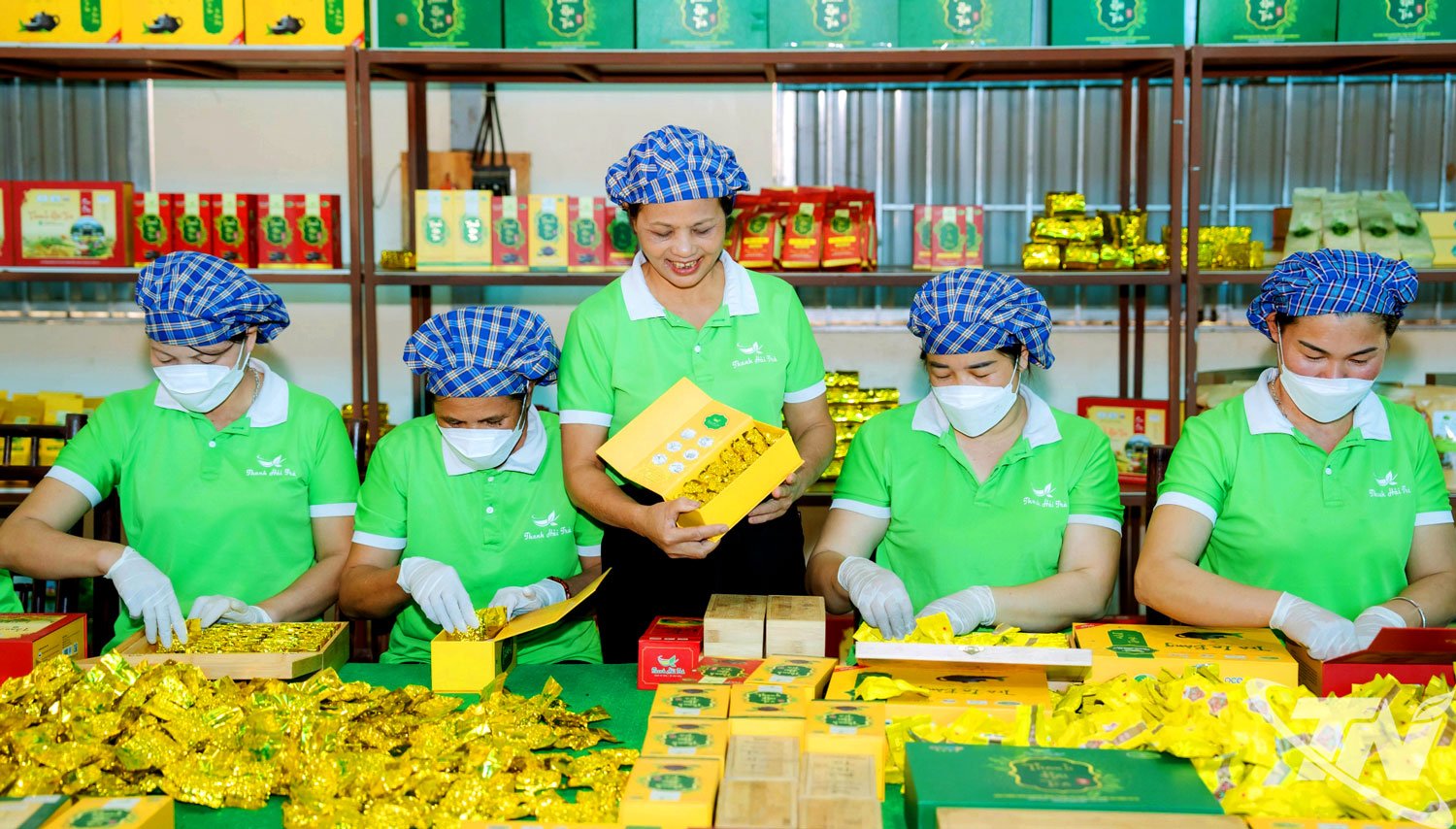
 |
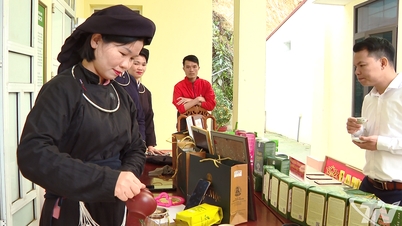
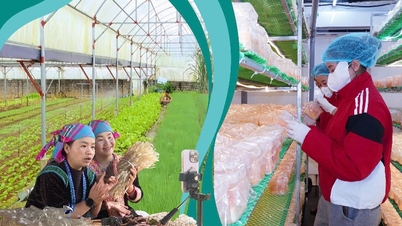
| La Bang Tea Cooperative (La Bang commune) is one of the units supported by the Provincial Industrial Promotion Fund to implement the Project on applying machinery and equipment in tea processing. |
From small-scale production to standardization
Recently, livestock farming in Thai Nguyen province has been shifting strongly from small-scale to concentrated, industrial-scale operations, applying high technology. According to statistics from the Department of Agriculture and Environment, the former Thai Nguyen province had more than 1,520 livestock farms, mainly raising pigs and chickens, supplying over 50% of the province's total meat production.
Of these, 183 establishments are VietGAP certified, 42 meet disease safety standards, and over 1,200 ensure biosafety. The northern part of the province (formerly Bac Kan) has 29 buffalo and cattle farms and 45 small and medium-sized pig farms, with 42 livestock production chains. This shows that livestock farming is a prominent advantage in the rural economic structure.
Mr. Nguyen My Hai, Deputy Director of the Department of Agriculture and Environment, commented: The development of farm systems not only ensures a stable supply but also creates a linked chain, increases added value, and becomes a prominent advantage of the rural economy.
One of the highlights in farm development is that the entire province has more than 150 livestock farms certified under VietGAP, which is considered a "passport" helping local agricultural products access supermarket systems and modern distribution chains.
However, despite the bright outlook, there are still unresolved issues, such as escalating material prices, an unstable consumer market, and the persistent problem of "bumper harvests leading to low prices."
Many farms face difficulties with land and limited access to long-term loans for technology investment and expansion. This reality shows that, to progress on the path to standardization, farms cannot act alone. They need a "support system" of collaboration and assistance to transform advantages into sustainable competitiveness and expand their markets.
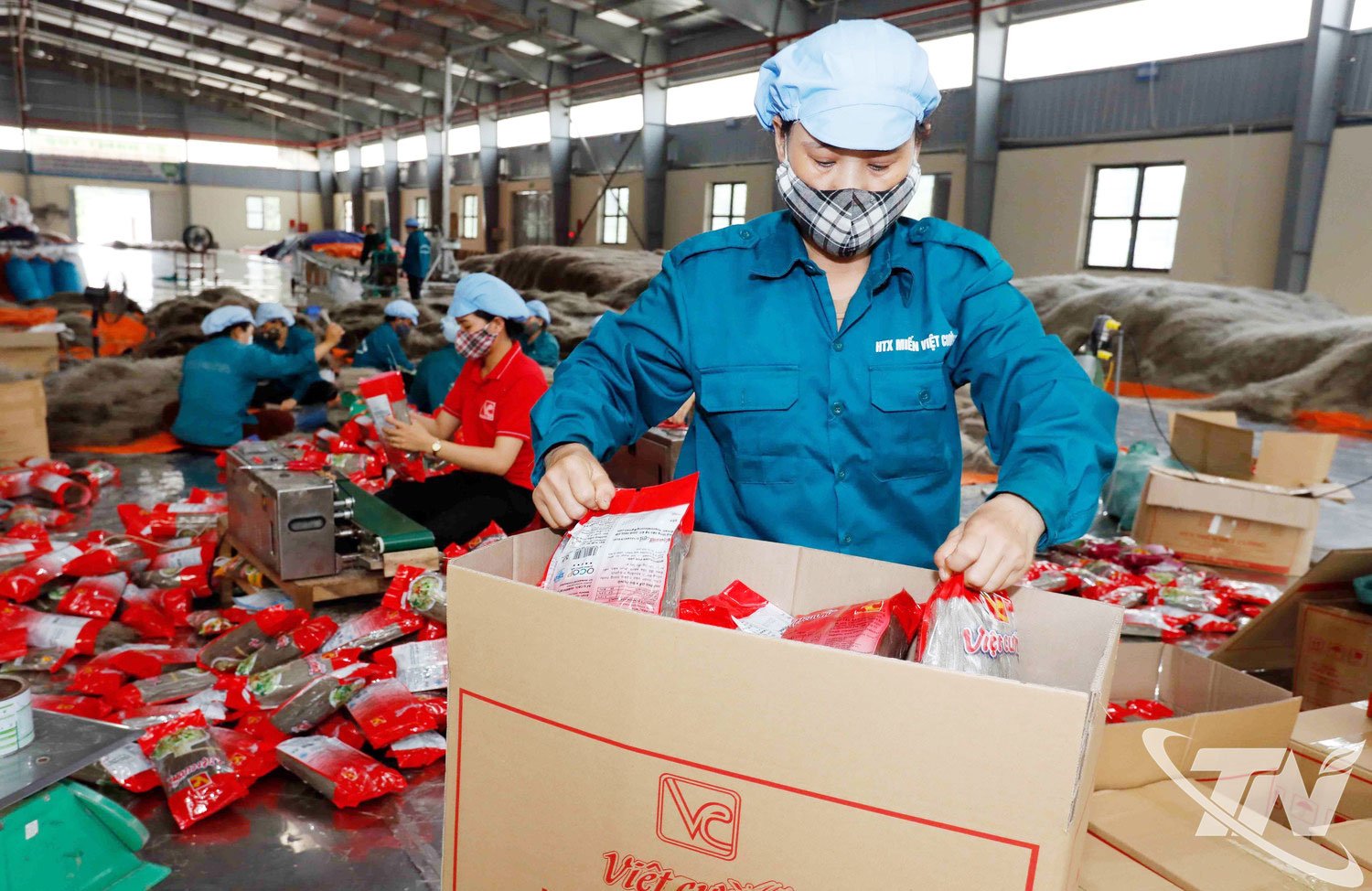 |
| Viet Cuong Vermicelli Cooperative (Dong Hy commune) specializes in producing various types of vermicelli for domestic consumption and export. |
The cooperative network is expanding.
If farms are the "nucleus" of production, then cooperatives are the pillars for reorganizing agriculture towards sustainability and competitiveness. As of July 2025, the province has 999 agricultural cooperatives (318 in crop production, 174 in livestock, 9 in forestry, 5 in fisheries, 3 in rural clean water, and 490 in general services). The total revenue of cooperatives in the province reached over 680 billion VND.
Notably, the province has formed 7 cooperative unions with 50 members and a charter capital of nearly 40 billion VND, marking a step forward from fragmented linkages to synergy, creating a closed value chain.
In addition, the province has supported cooperatives with preferential loans, machinery, technology, and management training courses, helping many cooperatives become "bridges" for farmers to access markets, reduce costs, and enhance competitiveness.
In implementing Resolution No. 01/2022/NQ-HĐND of the Provincial People's Council on some policies to support the development of commercial agricultural production and enhance the capacity of the collective economic sector, Bac Kan province (formerly) supported 17 cooperatives in building workshops and 14 other cooperatives (300 million VND each) in building greenhouses and purchasing machinery for processing agricultural products.
Ms. Nguyen Thi Hong Minh, Director of Tan Thanh Agricultural Cooperative (Bac Kan ward), said: The cooperative received over 4.6 billion VND from the APIF Fund of the Provincial Cooperative Union to invest in workshops, machinery, and develop turmeric cultivation areas with the participation of 260 households. Thanks to this, the cooperative has become a leading turmeric processing unit in the province, with its turmeric starch product achieving OCOP 4-star rating and being available in many supermarkets. Each year, the cooperative purchases 5,000 tons of turmeric tubers, creating jobs and increasing income for local people.
This effectiveness is also clearly reflected in other localities. Ms. Bui Phuong Thao, Vice Chairman of the People's Committee of Vo Tranh commune, said: Vo Tranh commune has 35 cooperatives operating in the fields of agriculture, processing, and services. Thanks to capital support, training, application of science and technology, and trade promotion, many cooperatives have expanded their scale, invested in processing machinery, improved tea quality, and established their brands in the market. At the same time, the cooperatives have also become a bridge in consumption, creating jobs and income for many local workers.
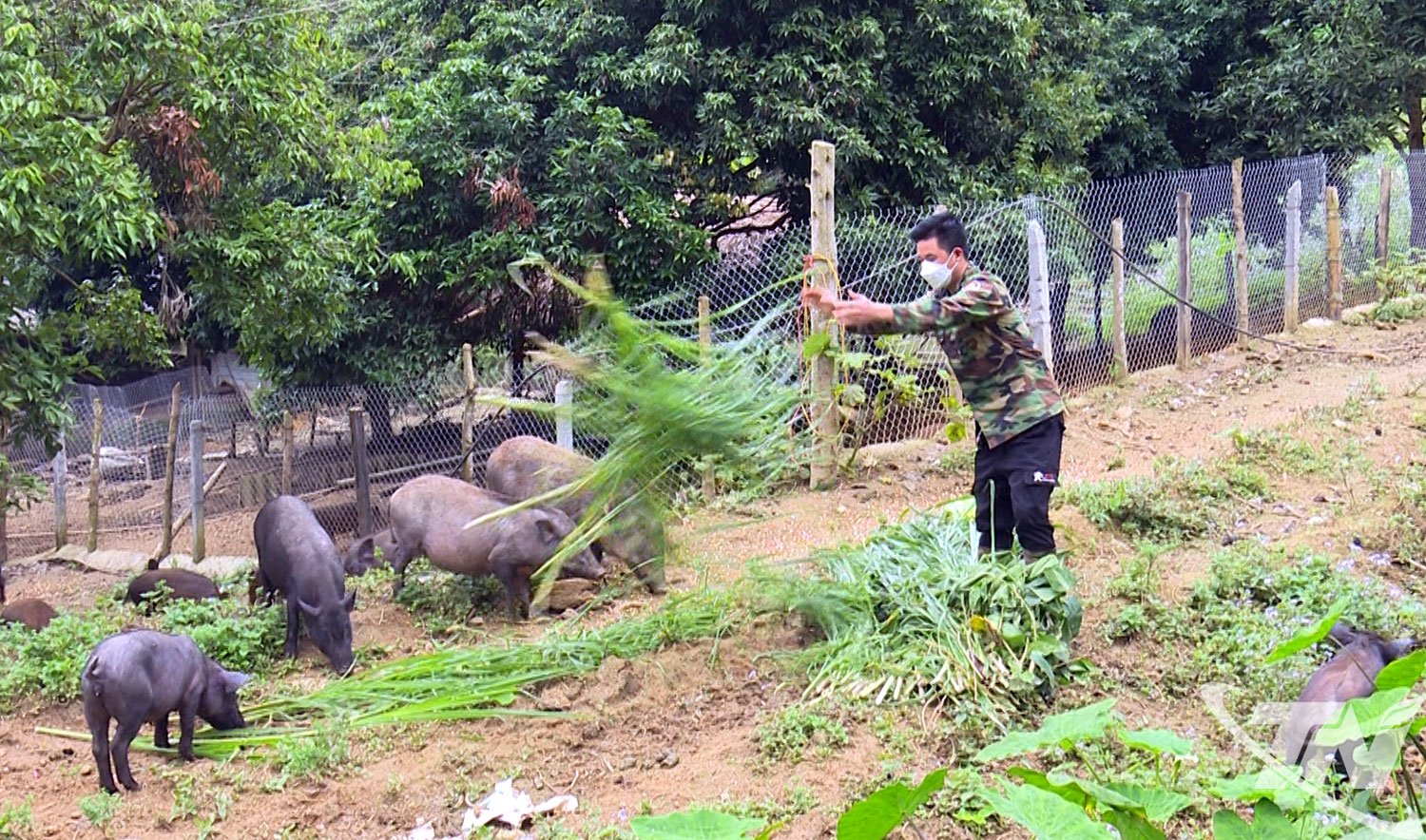 |
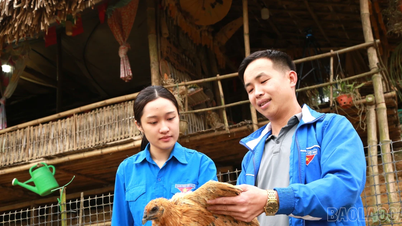
| The farm raises native black pigs and wild boar hybrids in partnership with the Boc Bo Cooperative (Bang Thanh commune). |
The spread of cooperatives and cooperative unions after mergers is evident in both the quantity and quality of their operations. Agricultural cooperatives have strongly shifted towards output services, connecting consumption, e-commerce, and export. This is the "lever" that strengthens the collective economy, making a significant contribution to the new rural development program and helping local agricultural products reach a wider market.
Cooperative groups – a piece that needs support.
If cooperatives and farms are considered the "pillars" of the collective economy, then cooperative groups are the indispensable foundational piece. The province currently has 950 agricultural cooperative groups, spread across many fields such as crop cultivation, livestock farming, aquaculture, and services.
Unlike cooperatives, cooperative groups are smaller in scale, voluntary, and flexible. They link together to pool capital, share manpower, apply new techniques, and jointly market their products. It is precisely from this seemingly simple "collaboration" that many cooperative groups have gradually matured, becoming capable of developing into cooperatives, paving the way for more professional production.
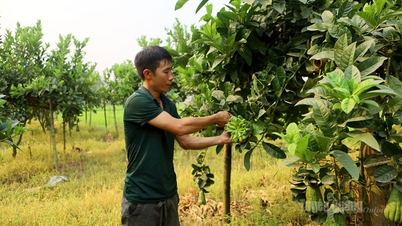
With the attention and support of the FFF II Program Management Board (Central Committee of the Vietnam Farmers' Association), the northern region of the province has established four new cooperatives in recent years, including: the Phieng Phang cassava starch production and processing cooperative; the Yen Duong fragrant green pumpkin cooperative; the Phieng Phang buffalo and cattle breeding cooperative (Thuong Minh commune); and the organic rice cultivation cooperative (Yen Phong commune).
Through the activities of cooperatives, the Coordinating Board has granted PGS organic certification to products such as organic sticky rice (Nếp Tài brand) with a cultivated area of 10 hectares, and organic fragrant pumpkins (squash) with an area of 13.48 hectares.
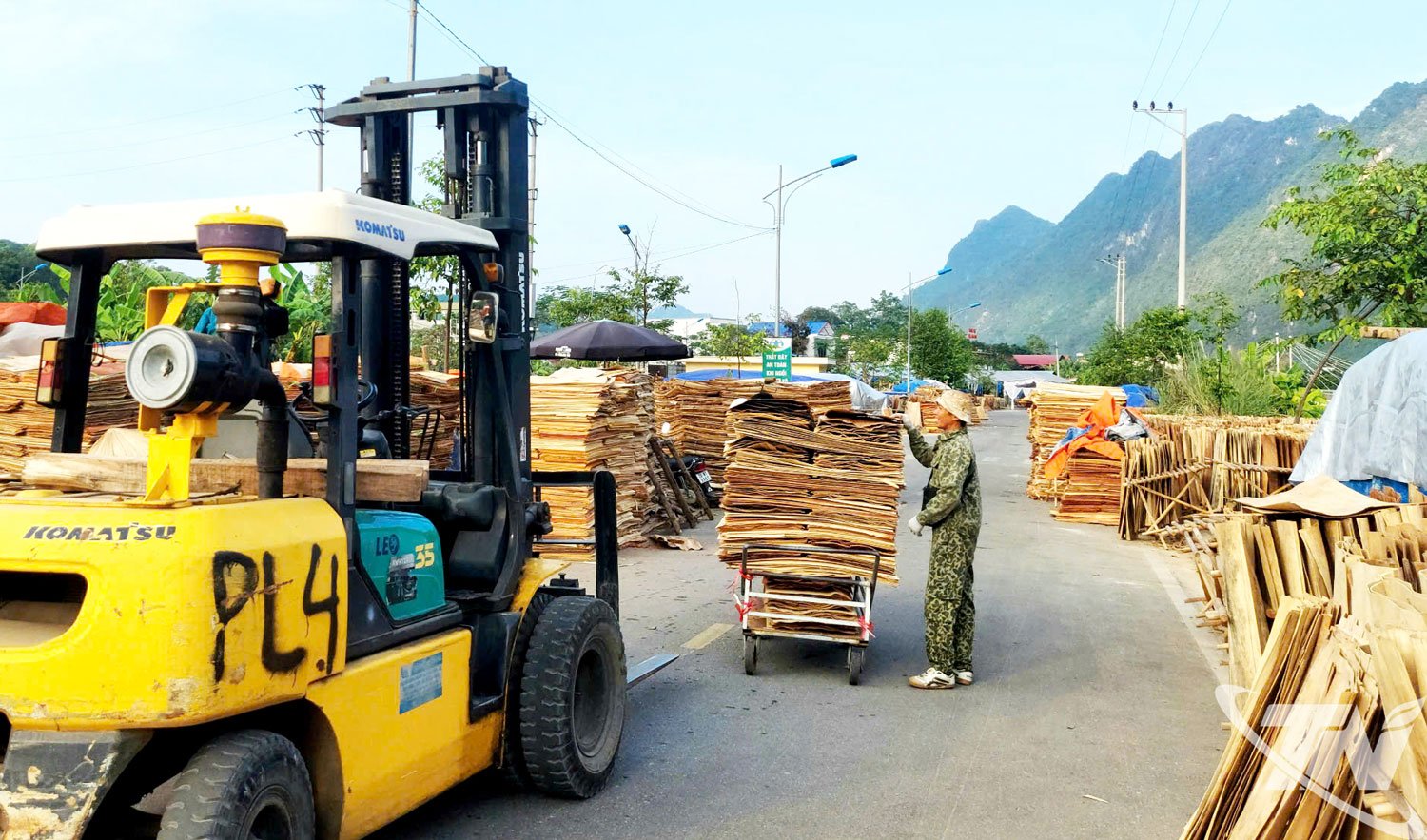 |
| Cooperative societies and timber processing facilities in Dinh Hoa commune have developed quite strongly, creating jobs for many local workers. |
Ms. Trieu Thi Man, residing in Phieng Phang village, Thuong Minh commune, stated: "My family, along with 11 other households in the village, received support to implement an organic glutinous rice farming model on over 1 hectare through a cooperative. Thanks to production following the correct procedures, Phieng Phang glutinous rice has achieved OCOP 4-star certification and has been certified as organic agricultural by the General Department of Measurement and Quality. This is an important milestone, opening up opportunities to expand production towards a commercial scale, and simultaneously helping us increase our income from this specialty product."
However, if left to its own devices, cooperatives are unlikely to develop sustainably. Recognizing this, localities have implemented many synchronized solutions: reviewing and compiling statistics on all cooperatives and cooperative groups after mergers; providing support with machinery and equipment for processing key agricultural products; and guiding the development of brands and promotion of OCOP products.
In addition, training courses, policy dissemination, digital transformation for officials, and trade promotion activities within and outside the province help products find more stable markets. When cooperatives are properly supported and given the opportunity to transform into cooperatives, the collective economy truly has a solid foundation: the pillars are cooperatives and farms, while cooperatives are supplementary pieces that nurture resources from the grassroots level.
A breakthrough strategy based on the collective economy.
Overall, the collective economy in Thai Nguyen is developing both quantitatively and qualitatively. As cooperative union models are replicated, VietGAP products establish their brand in the market, and cooperative groups boldly transform into cooperatives, the collective economy will truly become a powerful force, contributing to building a green, safe, and sustainable agriculture.
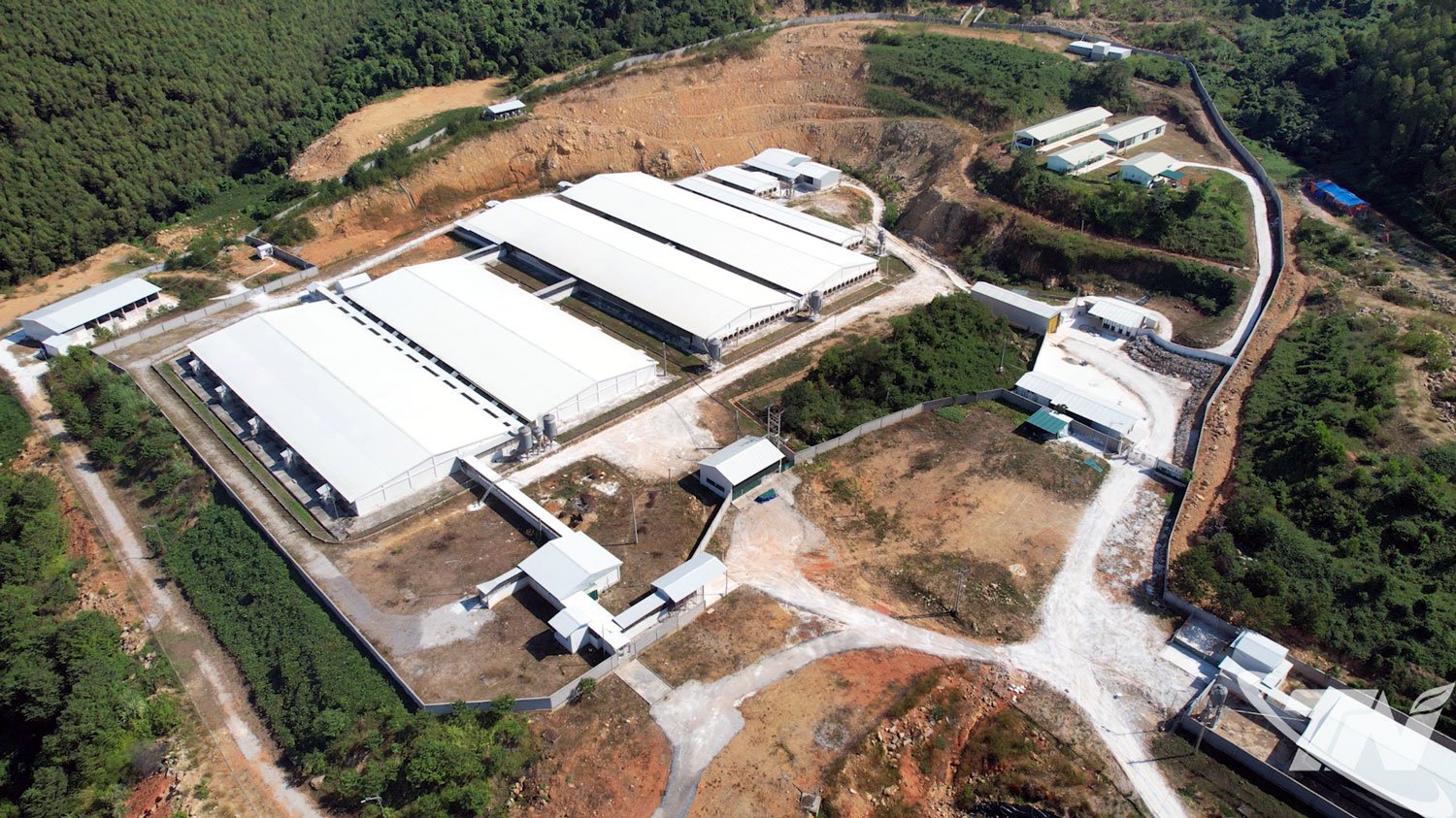 |
| The pig farm of Bac Kan Agricultural Development Investment Joint Stock Company (Thanh Thinh commune), with a scale of 2,400 sows, has a total investment capital of over 50 billion VND. |
"Without developing the collective economy, local agricultural products will remain trapped in a cycle of small-scale, spontaneous production, struggling to compete in the market. To create a prosperous rural area and ensure the well-being of farmers, the collective economy must become the foundation and key to bringing agriculture onto a path of modernization and integration," emphasized Mr. Nguyen My Hai, Deputy Director of the Department of Agriculture and Environment.
From cooperatives and cooperative groups to standardized farms, the collective economy in Thai Nguyen is taking shape with many positive signs: VietGAP and OCOP products are available in supermarkets, and large-scale livestock farms are generating billions of dong in income…
The orientation for the 2025-2030 period sets out clear requirements: cooperatives must become the foundation, farms the centers of standardized production, and cooperative groups the flexible link in the value chain. This is the path to realizing the goal of building advanced new rural areas and enabling Thai Nguyen's agriculture to confidently integrate into the global economy.
Source: https://baothainguyen.vn/kinh-te/202508/them-the-va-luccho-kinh-te-tap-the-5f71b9b/


![[Image] National Assembly discusses the implementation of the socio-economic development plan.](https://vphoto.vietnam.vn/thumb/1200x675/vietnam/resource/IMAGE/2026/04/20/1776696707422_ndo_br_img-20260420-185419-jpg.webp)

![[Photo] General Secretary and President To Lam meets with National Assembly delegates from ethnic minorities.](https://vphoto.vietnam.vn/thumb/1200x675/vietnam/resource/IMAGE/2026/04/20/1776696701056_a1-bnd-8331-3342-jpg.webp)









































































Comment (0)