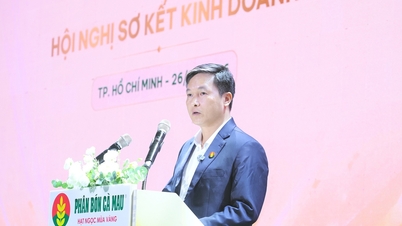
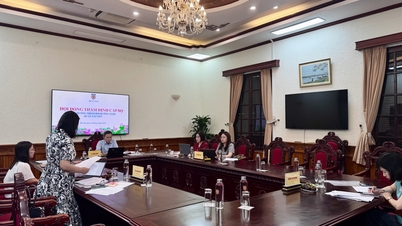
Emulation movements have been widely implemented, ranging from building new rural areas, poverty reduction, and eliminating temporary housing to developing infrastructure, innovation, and digital transformation. Notably, administrative reform has shown significant progress. Hundreds of procedures have been reduced, processes simplified, and many models for serving people at the grassroots level have proven effective. The shift from "pre-inspection" to "post-inspection," the expansion of online public services, and increased decentralization and delegation of authority have contributed to creating more favorable conditions for citizens and businesses. Approaches that are close to the people and listen to their needs are no longer isolated bright spots but are becoming established practices.
Overall, emulation campaigns have focused on concrete actions with widespread impact. However, entering 2026, the demands are much higher. The goal of double-digit growth, accelerating public investment, removing institutional bottlenecks, and increasing the proportion of the digital economy are all challenging tasks in the context of a volatile global and regional economy. This requires emulation campaigns to continue to innovate, avoid being spread too thinly, and concentrate on key areas.
From an operational perspective, setting high standards for the newly formed leadership team is necessary. Expectations regarding competence, courage, and a willingness to take responsibility must be measured by concrete results, work progress, and the level of satisfaction of citizens and businesses.
But simply focusing on the requirements of the administrative apparatus is insufficient. A special urban area, a leading economic hub of the country, cannot operate solely through the efforts of the government. Every business and every citizen must also be a subject of development. In the new context, adaptation is a mandatory requirement. Businesses must improve their management capabilities, innovate technology, and comply with the law. Citizens need to change their production, consumption, and urban behavior habits; proactively access public services, participate in monitoring, and work alongside the government. When each individual takes a step forward, the city's momentum will be different.



Looking from Ho Chi Minh City's perspective, this requirement also applies to the entire country. In a volatile and fiercely competitive world , no locality can stand aside. The responsibility for development is not just the responsibility of the government, but a shared responsibility in which every citizen plays a part. Every lawful action, every responsible consumer choice, every effort to improve personal capabilities... all contribute to building a foundation for sustainable development.
Therefore, emulation should not only be a movement within the public administration system, but must become a common driving force for the entire society. When citizens are more active, businesses are more dynamic, and the government provides better service, the effectiveness of emulation will be sustainable.
A crucial requirement is to link emulation with discipline, order, and accountability. Awards must be given to the right people for the right work; at the same time, the problems of formalism and indiscriminate awarding must be overcome. Groups and individuals who create concrete value should be recognized appropriately; those who are stagnant or evasive must be clearly identified.
Ho Chi Minh City is entering a new phase of development with many opportunities and challenges. Competition is only meaningful when it is linked to the final outcome: growth coupled with improved quality of life, reforms coupled with convenience for the people, and development that builds trust. And when responsibility is shared, when everyone strives to do their part better, that is the foundation for Ho Chi Minh City, along with the rest of the country, to stand firm in the face of change and achieve sustainable development.



Source: https://www.sggp.org.vn/thi-dua-thuc-day-phat-trien-post847008.html