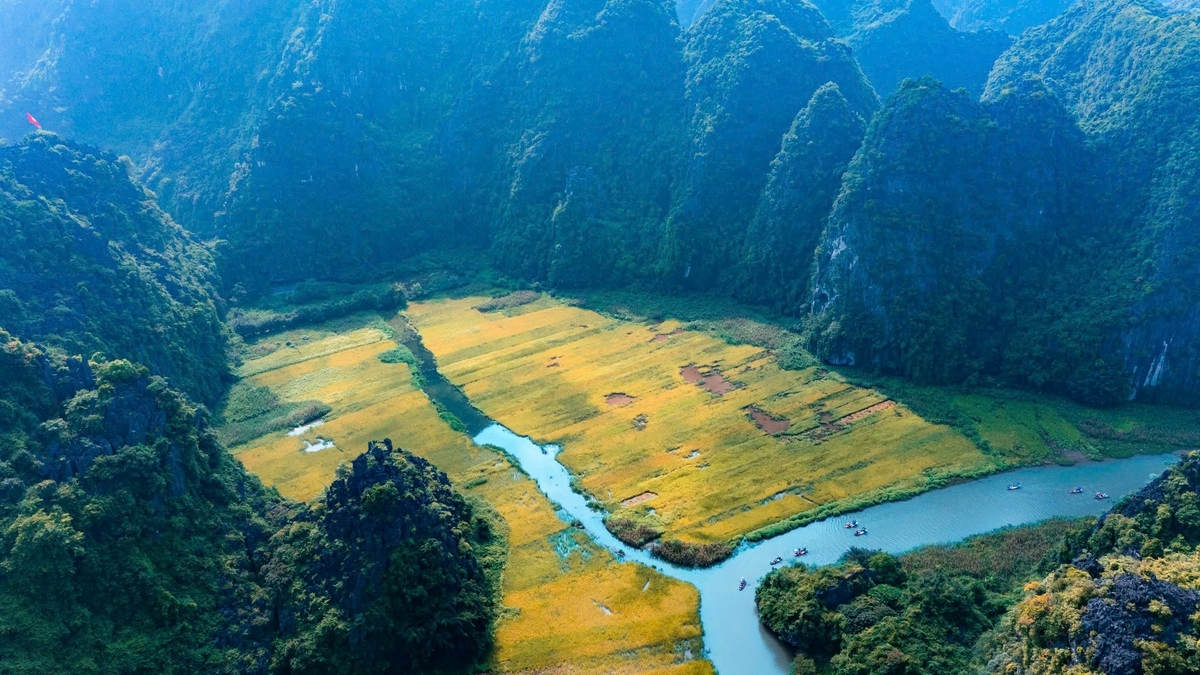
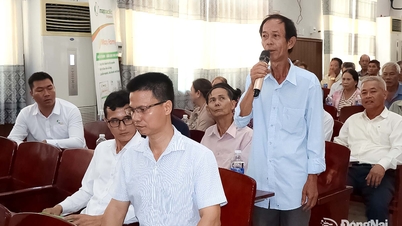
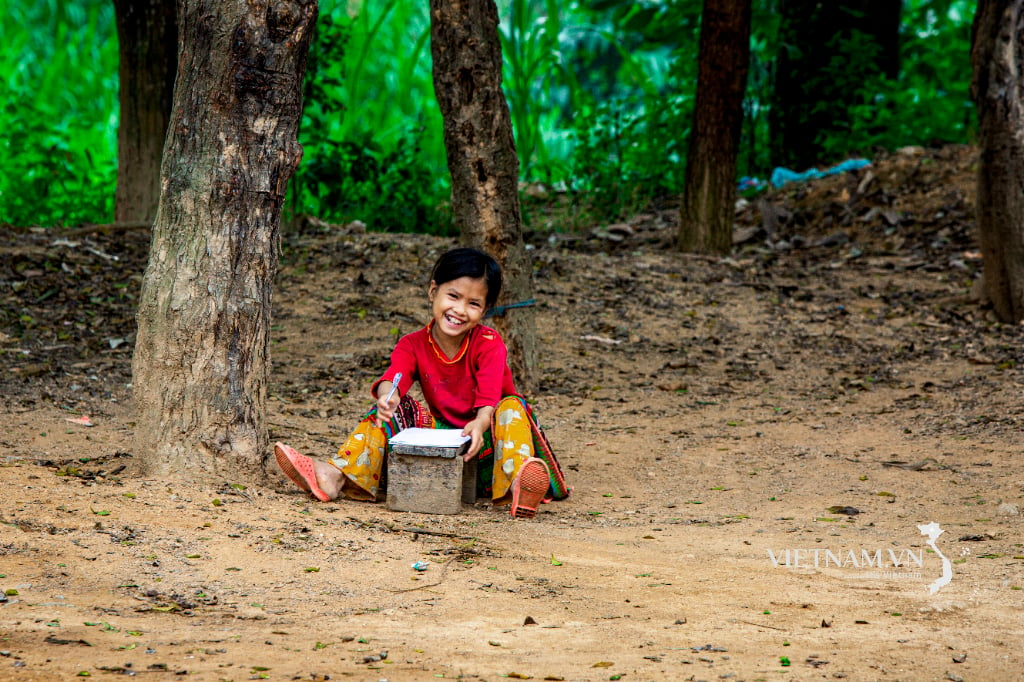
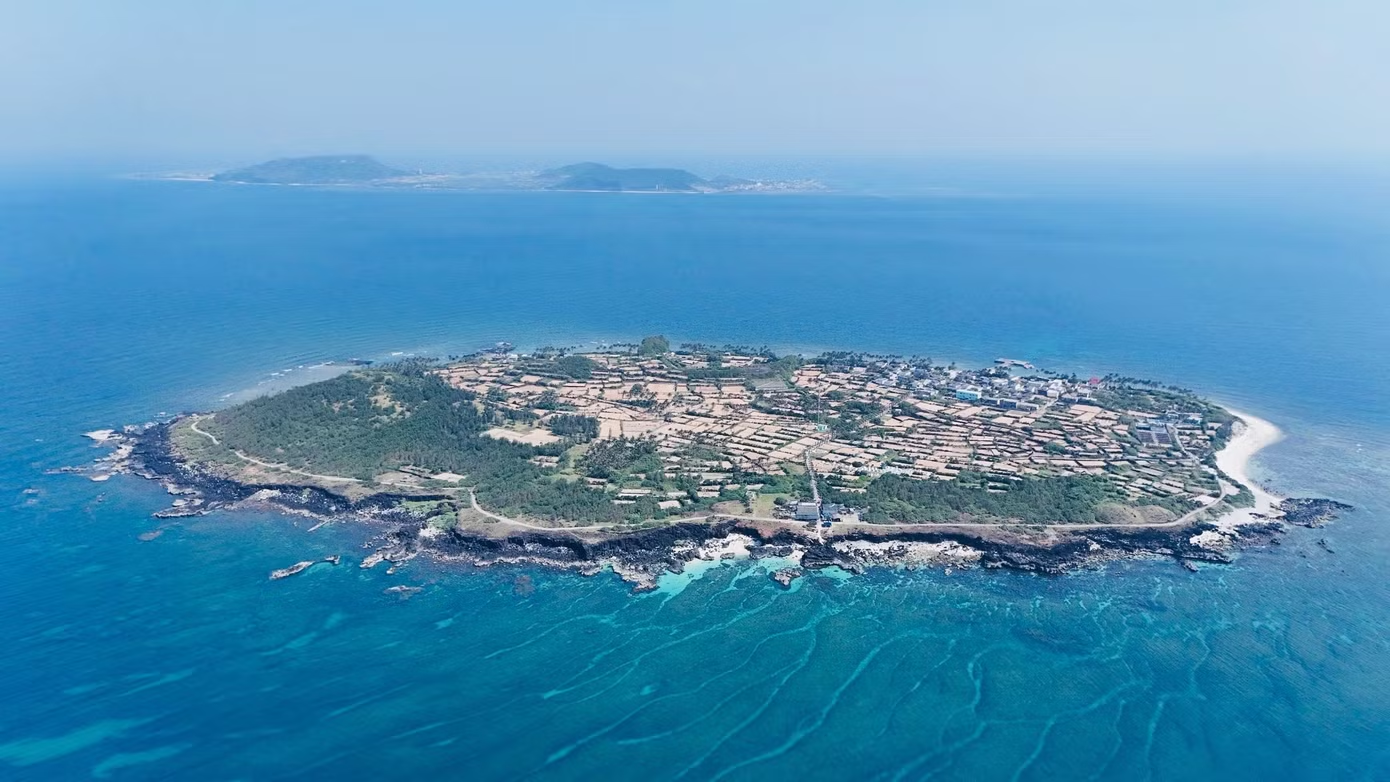
However, behind that alluring tourist picture lies a little-known reality: the struggle for fresh water faced by more than 500 residents living on this island.
Living off rainwater surrounded by salty sea water.
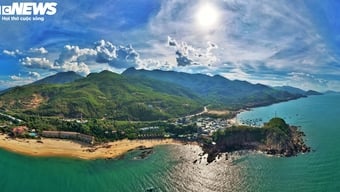
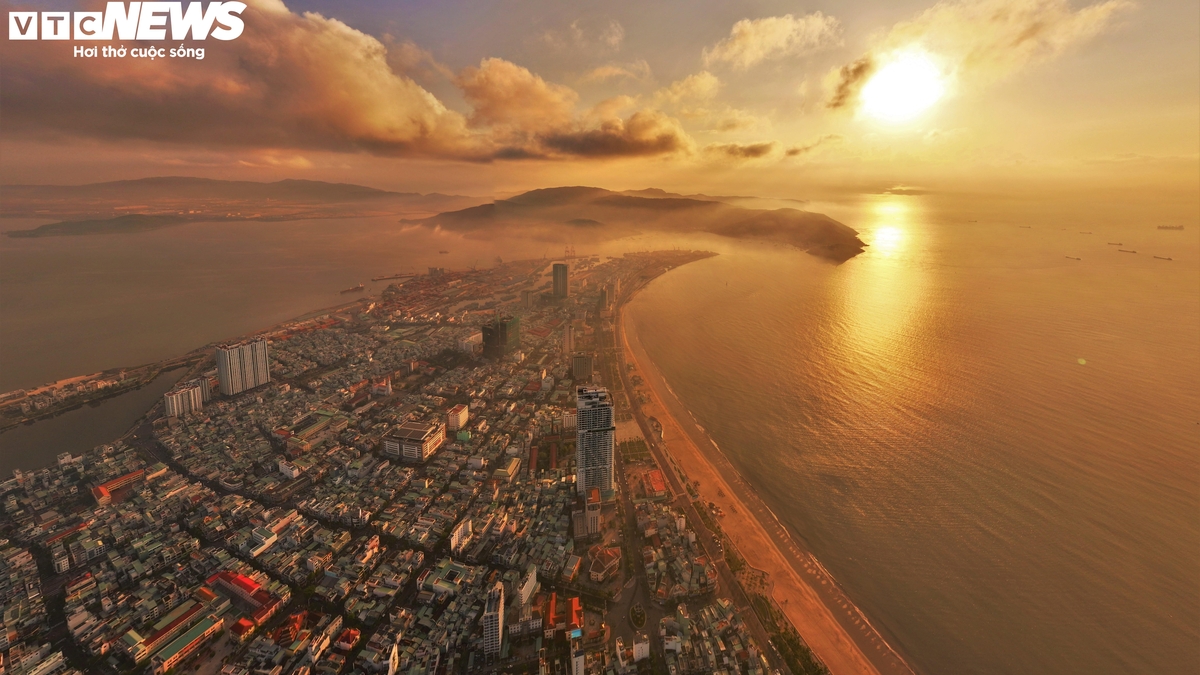
Be Island (also known as An Binh Island) is located about 3 nautical miles from Big Island (Ly Son Special Economic Zone), with an area of just over 1 square kilometer and home to more than 100 households (over 500 people). Unlike many other islands, it has almost no natural groundwater sources due to its unique geological characteristics. This means that the residents cannot dig wells for drinking water.
In a story told by the seaside, Mr. Hiep (a local official) jokingly recounted that Be Island used to be famous for lacking everything. There was no electricity, roads were difficult to navigate, schools and medical facilities were limited, and fresh water was even scarcer. At one point, there weren't even rats on the island. Boats had to anchor far offshore, and people had to travel to the island in small boats, so rats couldn't get there. Later, when the port developed and more ships passed by, rats began to appear.
For generations, the inhabitants of Be Island have relied primarily on rainwater. Every house has a system of gutters leading water into storage tanks or large earthenware jars. Whenever the rainy season arrives, people eagerly collect every cubic meter of water to use throughout the dry season. Rainwater is therefore considered the most valuable asset of each family.
Ms. Nguyen Thi Thanh Thuy (residing in Bac An Binh village) said that the peak tourist months are also the time when people worry most about fresh water. While the influx of tourists brings in extra income, water must be used even more sparingly. Here, water cannot be used as freely as on the mainland. Everything from bathing and washing clothes to cooking and daily activities must be carefully planned. Sometimes, the whole family reminds each other to bathe quickly and wash clothes for several days at a time to save water for the long sunny days.
During years of drought, when water reserves are depleted, people are forced to buy water transported from the main island. The price of water reaching the people is often many times higher than on the mainland, becoming a burden for many families.
Not only the local people, but also the local authorities have repeatedly tried to solve the freshwater problem. More than a decade ago, geological survey teams were invited to the island to drill and search for groundwater sources. However, all efforts have been unsuccessful.
Legend has it that the small island separated from the large island millions of years ago. Its geological structure contains many voids, allowing rainwater to seep down and flow directly into the sea, preventing it from accumulating as groundwater as in many other places.
Struggling to find a solution to this "thirst"

During the summer months, when tourists flock to Be Island, the pressure on water resources becomes even more apparent. Sitting on his porch watching the bustling crowds of tourists, Mr. Le An Phu (70 years old, residing in Bac An Binh village) said that the locals have long been accustomed to water scarcity. “It’s been like this for generations. Born here, we have to adapt to survive. Because the islanders have little water, their personalities might be somewhat reserved, but their hearts are as vast as the ocean,” Mr. Phu said with a hearty laugh.
When asked about the request to improve the water supply, Mr. Phu said that the people have complained many times, but he also understands the difficulties the locality faces. No one wants the people to suffer. But building infrastructure on the island is very expensive. The people understand that, so they only hope that, step by step, life will improve.
Not far from Mr. Phu's house, Ms. Bay Thanh (47 years old) is busy preparing glasses of seaweed drink to serve tourists. Having lived on the island for over 20 years, she is very used to saving water. "When I first came to live here, it was very inconvenient. But then I gradually got used to it. Now there is a seawater desalination plant, so it's much better than before, but it's still not enough to meet the needs," Ms. Thanh said.
According to Ms. Thanh, each resident on the island is allocated approximately 2 cubic meters of water per month from the centralized water supply system. For average households, this amount of water basically meets essential living needs. However, for those running tourism services, homestays, or restaurants, it's a different story. When they run out of water, they have to buy it from the main island, and exceeding the allocated amount results in heavy fines.
“My family of four gets about 8 cubic meters of water per month. It’s enough for cooking, bathing, and washing clothes. But it’s very difficult for tourism because guests need more water for daily use. That’s also why the number of accommodation establishments on Be Island hasn’t been able to develop strongly,” Ms. Thanh shared.
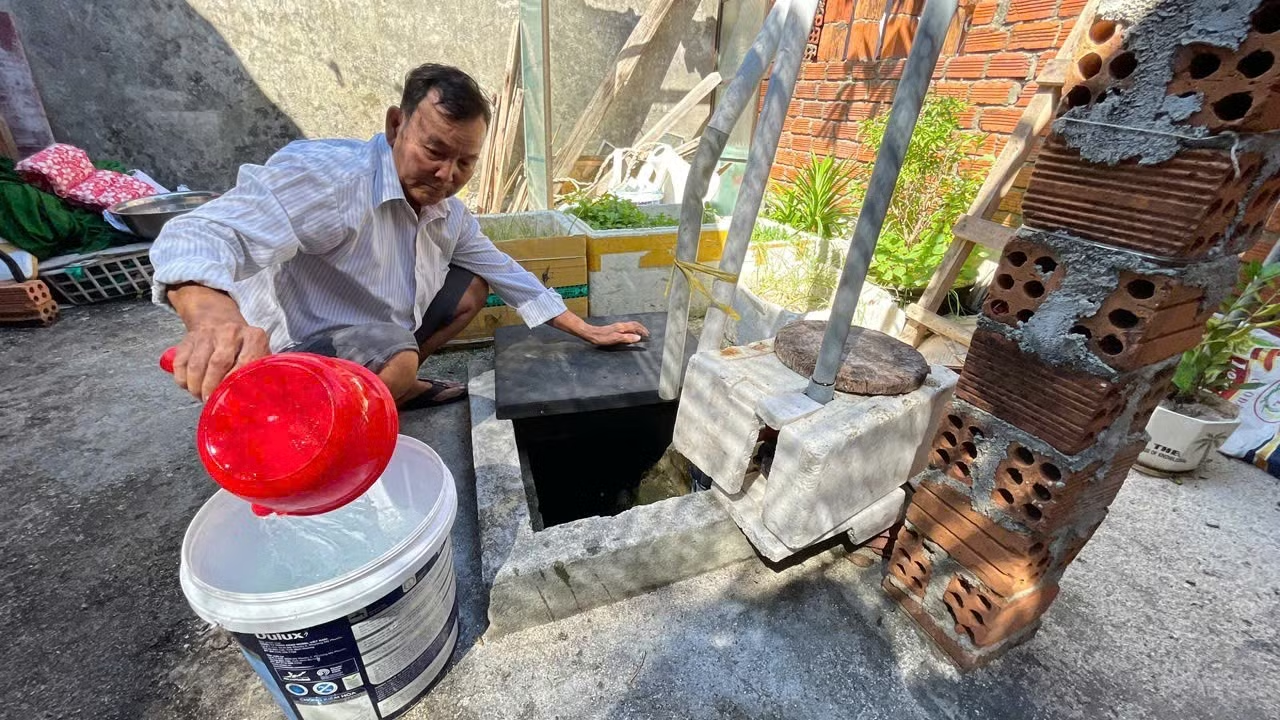
In fact, in recent years, Be Island has emerged as an attractive tourist destination in Ly Son. Homestay models, accommodation and food services have developed rapidly, creating additional income for the local people. However, along with that comes an increasing demand for water.
Mr. Nguyen Van Huy, Chairman of the People's Committee of Ly Son Special Economic Zone, acknowledged that freshwater remains the most difficult problem for Be Island. It's not that the local authorities don't want to solve it, but rather that resources are limited. In the middle of the ocean, without groundwater, ensuring access to clean water for the residents is extremely challenging. The government is always striving to find solutions to support the people to the best of its ability.
Over the years, local authorities and relevant agencies have implemented various solutions such as repairing the water filtration system, investing in additional reservoirs, and supporting water transportation during the dry season. However, due to the lack of natural groundwater sources, the freshwater problem on Be Island remains unresolved.



According to Mr. Huy, to support the local people, a seawater desalination plant has been operational on Be Island since 2012. The project had an investment of approximately 1 million USD, equivalent to more than 20 billion VND at that time, with a designed capacity of 200 cubic meters of water per day.
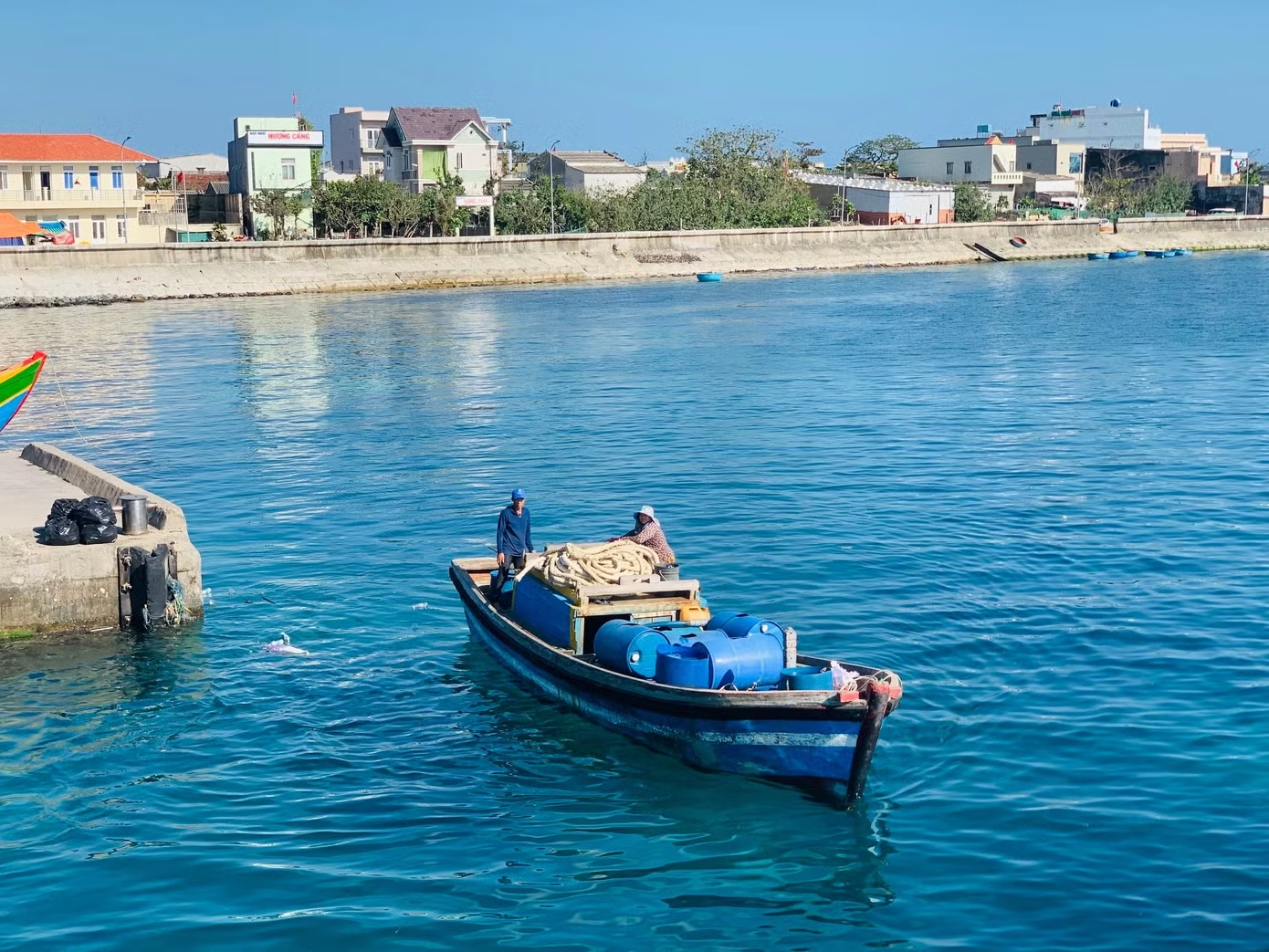
The plant was once expected to solve the problem of water shortage for the people. However, after more than 10 years of operation, the equipment has deteriorated, malfunctioned, or lacked a suitable power source, resulting in unstable water supply. Currently, the plant only serves 40-50% of the actual needs of the people.
"We have also petitioned the relevant authorities to provide financial support for repairs and upgrades to improve water supply for the people and to serve tourism development," Mr. Huy added.
Source: https://tienphong.vn/thien-duong-khat-nuoc-ngot-post1851931.tpo
![[Photo] Opening Ceremony of the 13th National Congress of the Ho Chi Minh Communist Youth Union](https://vphoto.vietnam.vn/thumb/1200x675/vietnam/resource/IMAGE/2026/06/24/1782286753905_ndo_br_1-8510-jpg.webp)
![[Photo] General Secretary and President To Lam attends the Central Public Security Party Committee Conference](https://vphoto.vietnam.vn/thumb/1200x675/vietnam/resource/IMAGE/2026/06/24/1782302063612_a1-bnd-9302-9166-jpg.webp)
![[Photo] The 13th National Congress of the Youth Union conducts personnel work.](https://vphoto.vietnam.vn/thumb/1200x675/vietnam/resource/IMAGE/2026/06/24/1782299943080_ndo_br_1-6868-jpg.webp)