

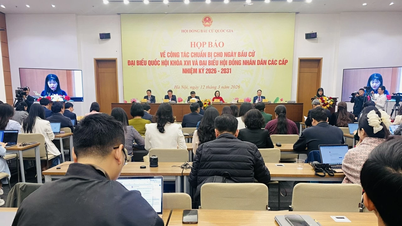
On the morning of October 12th, the Standing Committee of the National Assembly conducted a thematic supervision on the implementation of policies and laws on energy development from 2016 to 2021.
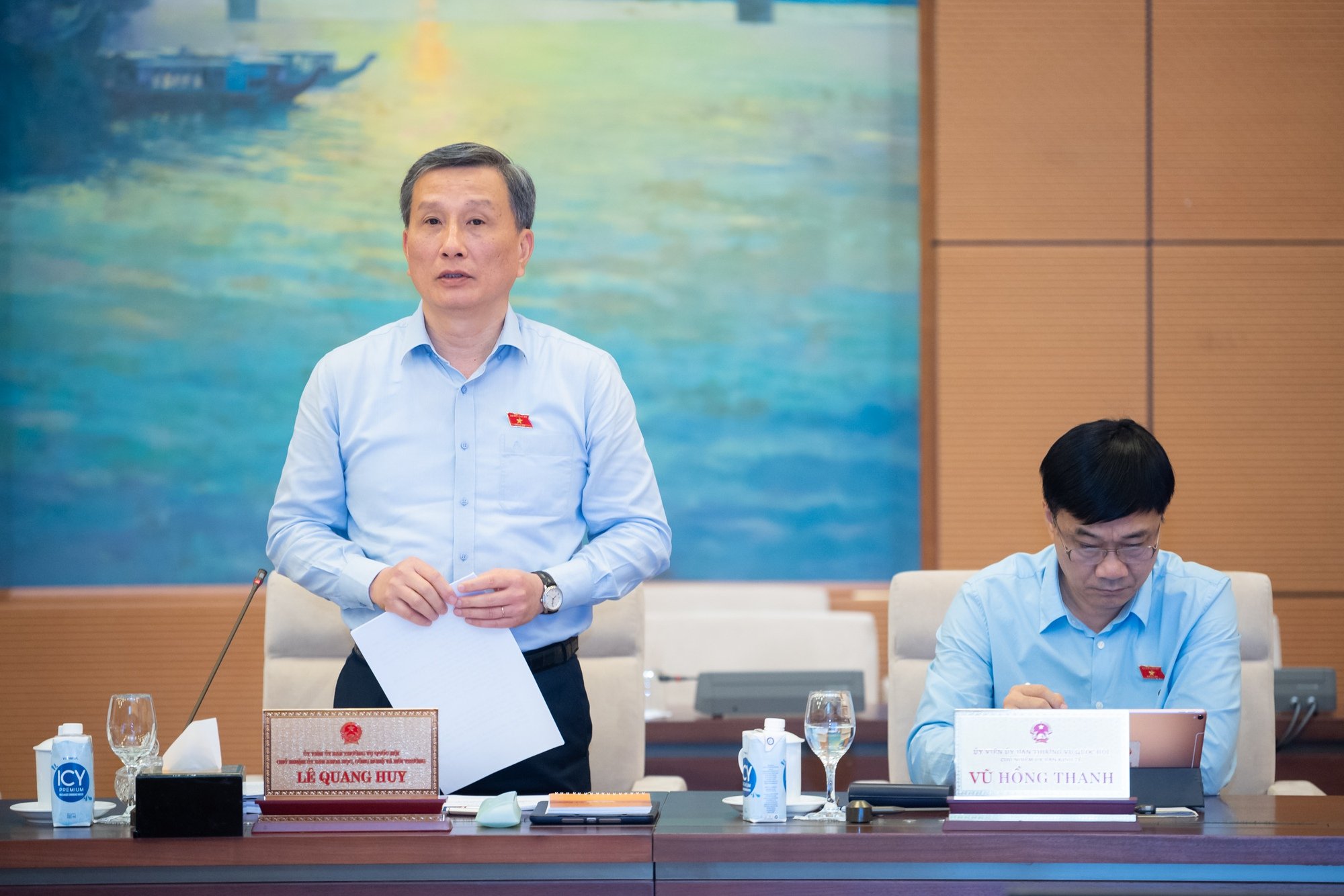
Le Quang Huy, Chairman of the National Assembly's Committee on Science, Technology and Environment and Deputy Head of the Supervisory Delegation, reported on the results of the supervision.
Reporting on the monitoring results, the Chairman of the National Assembly's Science , Technology and Environment Committee, Le Quang Huy, assessed that Vietnam's energy sector achieved many remarkable results during the 2016-2021 period. Electricity production across the entire system increased annually, with each year surpassing the previous one. The power system operated safely and stably.
However, through its monitoring, the National Assembly Standing Committee's supervisory delegation pointed out many shortcomings and limitations in Vietnam's energy development, posing numerous challenges to the goal of ensuring national energy security.
"The main indicators for assessing national energy security are fluctuating in an unfavorable direction. The possibility of electricity shortages in the short term (2024-2025), medium term (2025-2030), and long term (2030-2050) is a real risk," the monitoring report stated.
Mr. Huy stated that domestic supply is insufficient to meet demand, leading to increasingly large energy imports. Vietnam's primary energy resources are increasingly depleted as hydropower has been largely exploited, and oil and gas production in some major fields is declining rapidly.
Shortcomings in energy supply, especially the preparation of primary fuels for supply and operation of the power system annually, along with imbalances between domestic energy supply and demand, power generation sources between regions, and some power plant projects that are slow to operate or have been halted… have led to electricity shortages in the North in early 2023.
According to calculations by the World Bank (WB) in a report published in August, Vietnam suffered losses of approximately $1.4 billion due to electricity shortages, equivalent to about 0.3% of GDP.

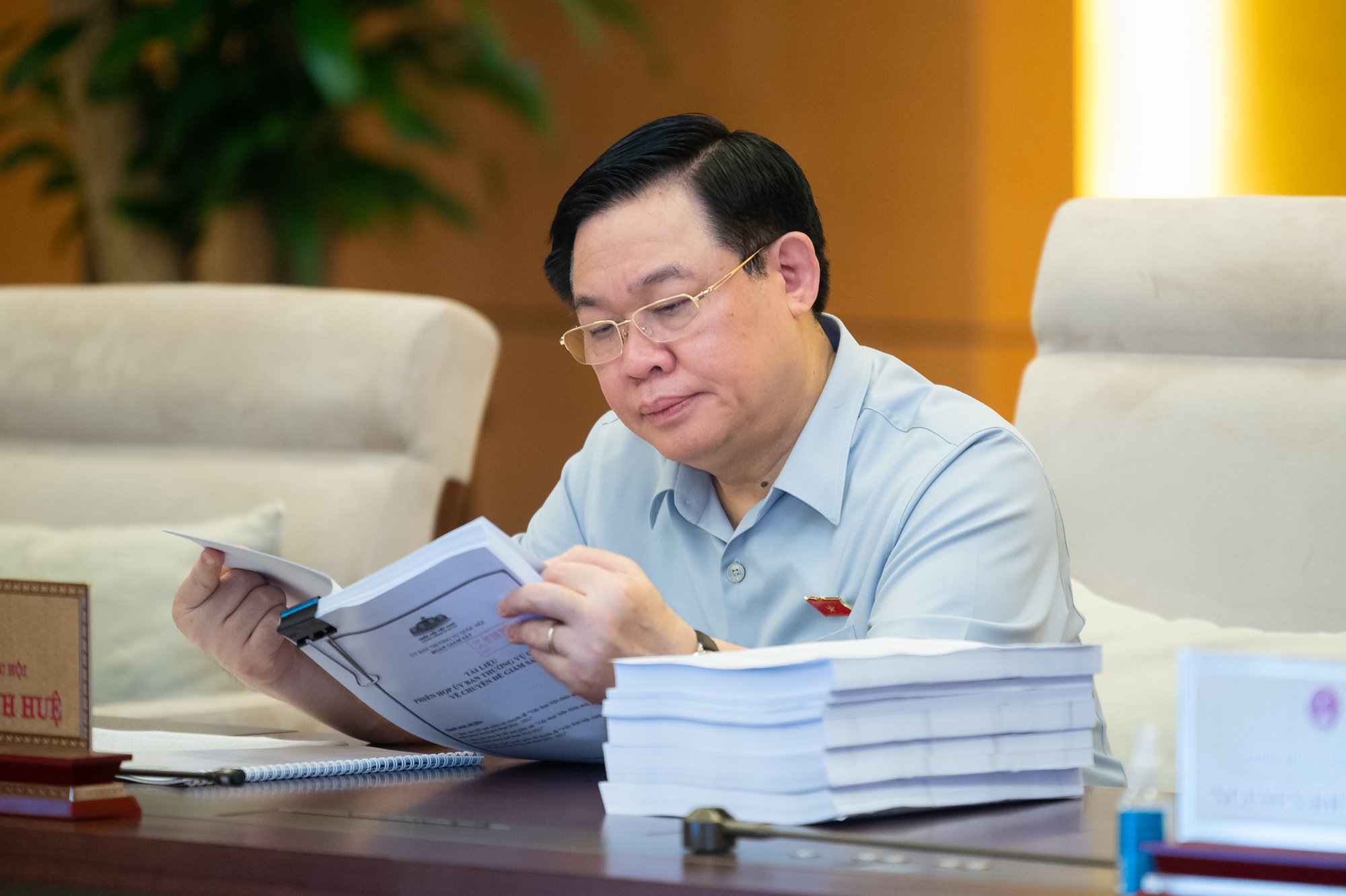
The monitoring report is quite extensive, comprising 10 volumes and a total of approximately 9,000 pages of documents.
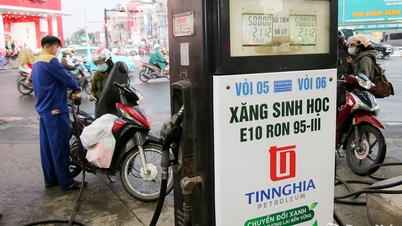
Regarding petroleum products, Vietnam currently only has a system of commercial petroleum storage facilities; it lacks a national petroleum reserve and national reserves for coal and natural gas. National reserves of petroleum and petroleum products are still only in the planning stage. None of the three national crude oil reserves planned have been implemented.
Due to low fuel reserves, when the global market experiences significant fluctuations, affecting the domestic market, localized fuel shortages occurred at the end of 2022.
Shortcomings in renewable energy development
In addition, Mr. Huy also stated that the implementation of energy sector planning is still limited, especially in the implementation of Power Plan VII and its revised versions with regard to the development of solar power, wind power, and small hydropower.
Citing the conclusions of the Government Inspectorate, the monitoring team's report stated that the approval of an additional 168 solar power projects (total capacity 14,707 MW), 123 wind power projects (capacity 9,047 MW), and the individual approval of 390 small hydropower projects (total capacity 4,138 MW) into the power development plans at all levels during the 2016-2020 period had affected power generation and transmission to the system.
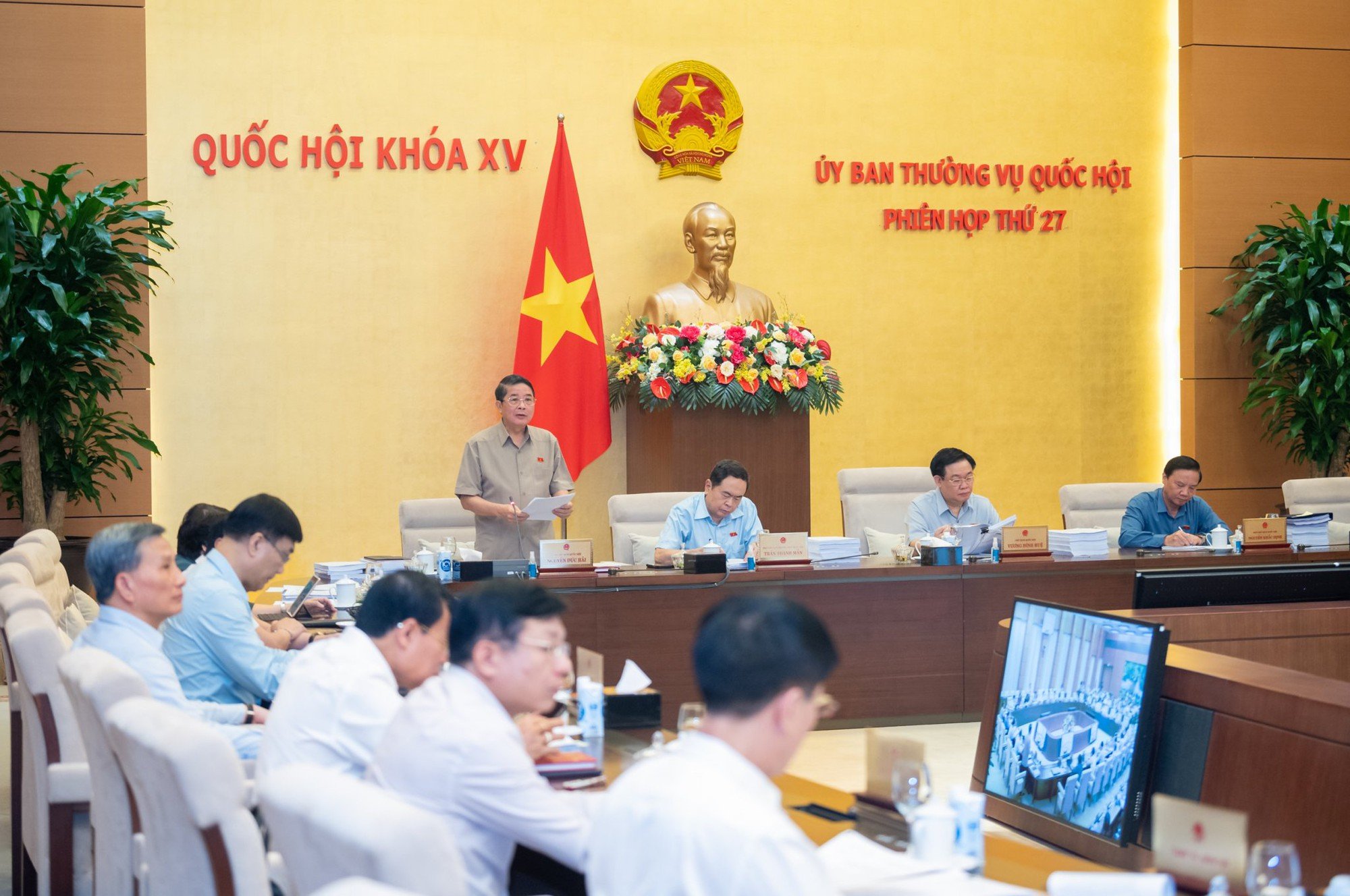
Monitoring energy development during the period 2016-2021 is one of the two monitoring topics for 2023 by the Standing Committee of the National Assembly.
During the period 2016-2021, inspections uncovered economic violations totaling 15,170 billion VND and 5,960 m² of land. Administrative penalties were imposed on 246 organizations and 724 individuals, and 23 cases were transferred to investigative agencies for further consideration and processing.

Furthermore, investment in power generation and grids during the 2016-2021 period was not synchronized, and the energy sector's infrastructure still has many shortcomings.
Mr. Huy also stated that the electricity pricing policy still has many irrationalities regarding the power generation structure and lacks transparency. Electricity prices have been adjusted, but they haven't yet covered input costs or ensured reasonable profits for businesses. Meanwhile, electricity transmission fees are too low, failing to attract investors to undertake grid projects.
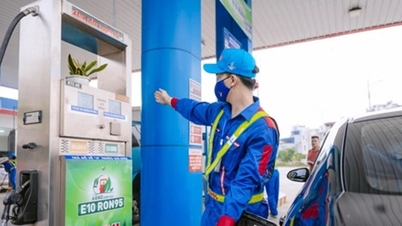
In the petroleum sector, the domestic market remains passive, facing supply shortages and obstacles in the regulatory mechanism. Currently, Vietnam imports approximately 20-30% of its petroleum products. Two domestic petroleum producers meet 70-75% of domestic demand; if production is halted due to prolonged maintenance, it will immediately impact the domestic market.
"The domestic petroleum market is passive and lacks supply, facing obstacles in the price management mechanism," the supervisory delegation's report stated.
Source link

























































![[Video] Sunset at Lap An Lagoon – Where the sun sets over the fishing nets](https://vphoto.vietnam.vn/thumb/1200x675/vietnam/resource/IMAGE/2026/05/31/1780192137701_beach-landscape-sea-water-nature-grass-745871-pxhere-com.jpeg)




























Comment (0)