

Eat in moderation.
While sweet potatoes are good for you, you shouldn't eat too much of them, especially if you have stomach problems. According to Traditional Medicine Practitioner Tran Dang Tai, Vice President of the Traditional Medicine Association of Thai Hoa Town ( Nghe An province ), the fiber and potassium in sweet potatoes can stimulate gastric juice secretion and create gas in the body, causing symptoms such as bloating, abdominal distension, heartburn, and digestive discomfort. In addition, sweet potatoes contain a lot of sugar, which can easily increase gastric acid production in the stomach.
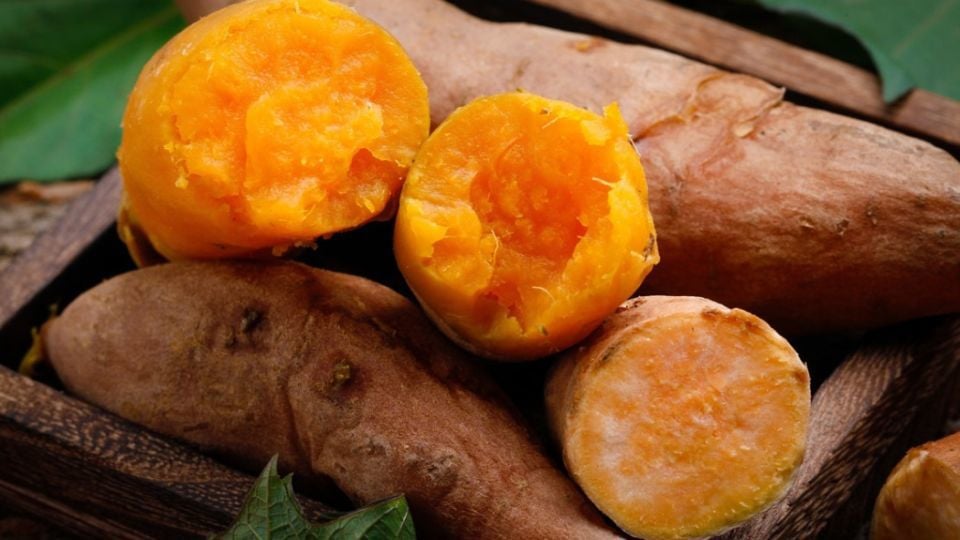
Combine sweet potatoes with other foods.
For people with diabetes, although eating sweet potatoes can help maintain stable blood sugar levels, they also contain a lot of carbohydrates that can cause blood sugar to rise if consumed in excess.
Therefore, patients should control their consumption. They should choose white sweet potatoes and combine them with some non-starchy vegetables and a good source of protein to create a balanced meal that does not cause a sudden spike in blood sugar.
According to Dr. Doan Thi Tuong Vi, former Head of the Nutrition Department at Hospital 198, sweet potatoes still contain a fairly high amount of sugar, especially honey varieties. Diabetic patients can reduce rice intake and increase the proportion of sweet potatoes during dieting, but they must still eat them with protein-rich foods and fresh fruits and vegetables to ensure a balanced diet. Overweight individuals or those with heart disease should keep consumption to a minimum, 2-3 times per week.
Boiled or steamed sweet potatoes are recommended.
Several studies have compared the impact of different cooking methods on the bioavailability of bioactive compounds in sweet potatoes and found that boiling sweet potatoes retains more beta-carotene and makes it more easily absorbed than other cooking methods such as frying or baking. Steaming sweet potatoes preserves more other phenolic compounds in sweet potatoes than other cooking methods.
The best time to eat sweet potatoes
Eating it in the morning: Sweet potatoes for breakfast are a perfect choice for your body because they are low in calories, provide a feeling of fullness without hunger pangs, and are good for bowel movements, especially for those with constipation. You can eat sweet potatoes with yogurt, whole milk, or salads and green vegetables to ensure you get enough energy.
Eating at lunchtime: Lunchtime is the best time to eat sweet potatoes, as the body can absorb calcium within 3-4 hours, and absorption is especially good under sunlight.
Who should avoid eating sweet potatoes?
For people with kidney problems: Sweet potatoes are very high in fiber, potassium, and vitamin A. Eating too many sweet potatoes can lead to a significant excess of potassium in the body. Meanwhile, people with impaired kidney function have poor potassium excretion. Therefore, when the amount of potassium in the body exceeds the permissible limit, it directly affects health, causing cardiovascular diseases such as arrhythmias and heart weakness.
Stomach problems: The fiber and potassium in sweet potatoes can stimulate gastric acid secretion and produce a certain amount of gas in the body, causing symptoms such as bloating, abdominal distension, heartburn, and digestive discomfort. In addition, sweet potatoes contain a lot of sugar and can easily increase gastric acid production. Therefore, people with gastritis or duodenal ulcers should avoid eating sweet potatoes.
Source: https://kinhtedothi.vn/thoi-diem-vang-nen-an-khoai-lang.html

![[Image] National Assembly discusses the implementation of the socio-economic development plan.](https://vphoto.vietnam.vn/thumb/1200x675/vietnam/resource/IMAGE/2026/04/20/1776696707422_ndo_br_img-20260420-185419-jpg.webp)
![[Photo] General Secretary and President To Lam meets with National Assembly delegates from ethnic minorities.](https://vphoto.vietnam.vn/thumb/1200x675/vietnam/resource/IMAGE/2026/04/20/1776696701056_a1-bnd-8331-3342-jpg.webp)





































































































Comment (0)