|
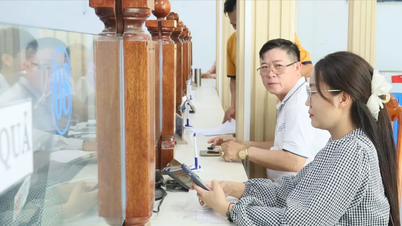
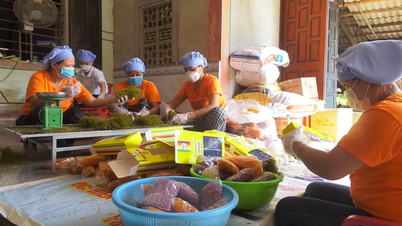
| Many phone and internet scams are targeting the elderly. (illustrative image) |
Looking at the broader picture, society has witnessed many incidents that share a common scenario. From seminars promoting dietary supplements, invitations to high-profit investments, fake calls impersonating authorities, to online scams, all aim to exploit the lack of knowledge or the subjective mindset of the victims.
Notably, the elderly are often a vulnerable group. Many have some savings but limited access to technology and information. Their reliance on direct referrals or well-organized events can easily lead them to lower their guard. This information gap thus becomes fertile ground for exploitative schemes. Worryingly, many current scams are disguised under attractive offers, professional consultations, or seemingly convincing promises. The damage from these incidents extends beyond material losses, directly impacting the psychology, trust, and stability of many families.


To prevent this situation, the solution must first begin with each family. Children and grandchildren should regularly share information and remind their parents and grandparents to consult with relatives before making decisions related to contracts, investments, or money transfers. Public awareness campaigns should also focus more on equipping individuals with risk identification skills and information verification skills. Organizations, senior citizen associations, local authorities, and media outlets need to proactively update and disseminate information about new scams to improve early prevention capabilities.
From the perspective of state management agencies, strengthening supervision of advertising, consulting, and transactions that may mislead customers remains a pressing requirement. Any act of exploiting people's lack of knowledge for personal gain must be detected and severely punished. At the same time, it is necessary to continue improving regulations to protect consumers and enhance the responsibility of businesses in providing complete and transparent information to customers.
The "holiday contract" scam will eventually die down, but new forms of scams continue to emerge. To minimize risks, it's crucial to bridge the information gap in society. A community that verifies information before believing it and considers it before deciding will be the most effective shield against all forms of fraud and exploitation.



Source: https://baothainguyen.vn/tin-moi/202606/thu-hep-khoang-trong-thong-tin-b0558d1/



![[Photo] "Hanoi Lotus Festival" honors the lotus flower that has been associated with Vietnam for thousands of years.](https://vphoto.vietnam.vn/thumb/1200x675/vietnam/resource/IMAGE/2026/06/27/1782516943048_sen-ha-noi-2026-minh-duy-1-jpg.webp)