

In Quang Ninh , using the "Gen-DNA Bank of Unidentified Martyrs" managed by the Ministry of Public Security , the Quang Ninh Police are coordinating with the Department of Administrative Management of Social Order and the Department of Internal Affairs to collect DNA samples from relatives of martyrs in the area, hoping to gradually decipher the identities of those buried without names.
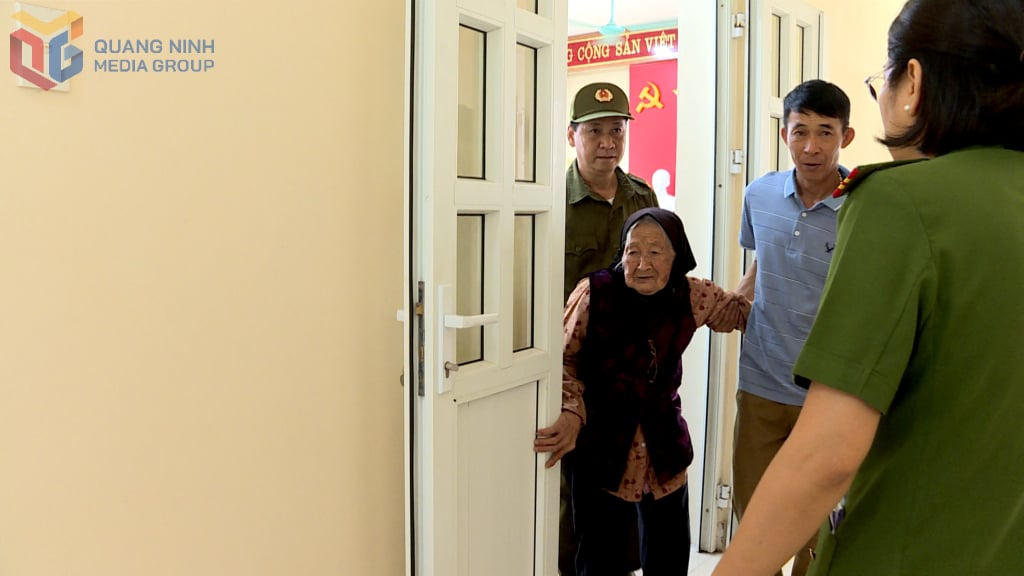
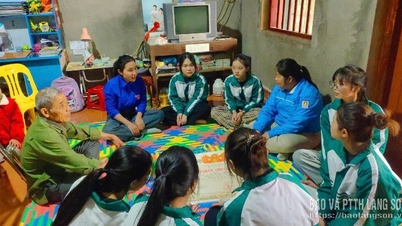
In Cong Hoa ward (Quang Yen town), for over 50 years, the mother of martyr Vu Thi Sot (93 years old) has never stopped longing for news of her son. As April approaches the anniversary of her son's death, Mrs. Sot received news of a program to collect DNA samples from relatives of martyrs to identify the remains of unidentified heroes and their graves. Despite the difficulties in traveling, she was determined to go to the ward's police station to complete the procedures, hoping to find the grave of her fallen son.
Mrs. Nguyen Thi Sot, mother of a fallen soldier, said that her eldest son died in the year before the liberation of South Vietnam and the reunification of the country. Although peace has long been restored, the exact location of her son's remains has yet to be determined. Over the years, her family and the unit where her son fought have searched many times without success. Therefore, participating in the DNA testing has given her renewed hope.
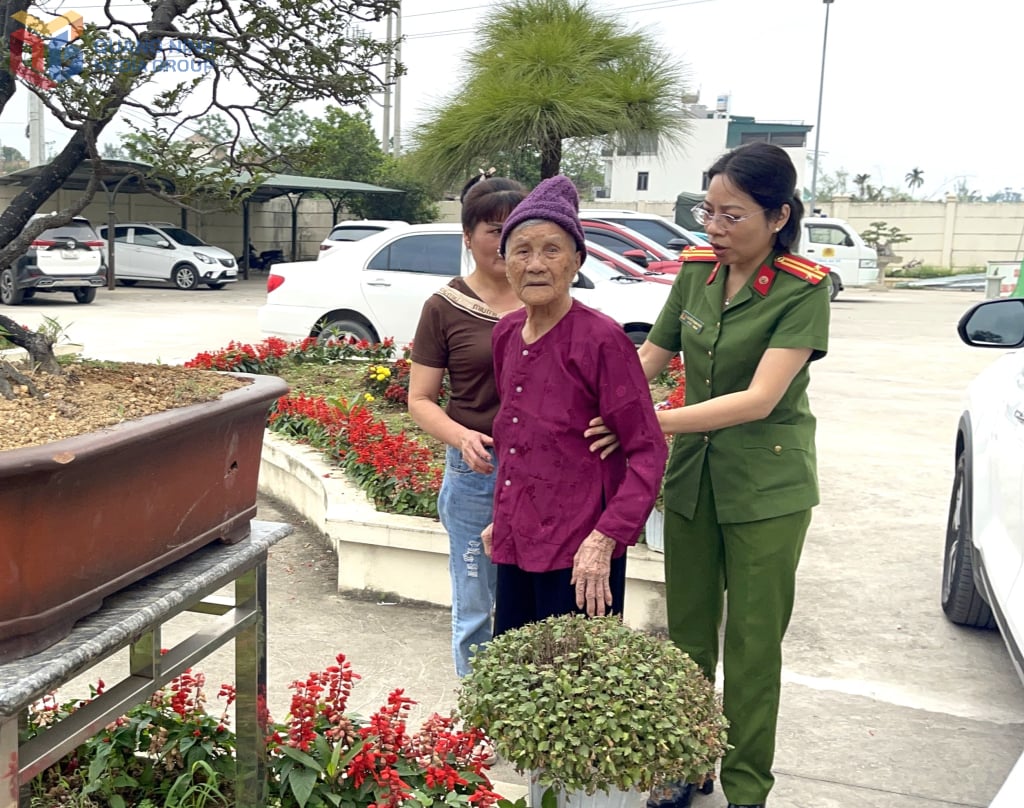
Not only Mrs. Sot, but during this DNA sampling campaign, authorities recorded 37 mothers of fallen soldiers and 35 cases of relatives on the maternal side of fallen soldiers whose identities and graves have not been determined. Many of them, even those over 70 or 80 years old, still harbor a deep hope – like a long-awaited reunion of more than half a century with their deceased loved ones.
Mr. Dang Van Muu, residing in Quang Yen town, shared that his younger brother died in 1974 on the battlefield in Southern Vietnam. More than 50 years have passed since he received the death certificate, yet his grave remains unknown. During the nationwide celebrations of the 50th anniversary of the liberation of Southern Vietnam and national reunification, his family was deeply moved to receive notification from the local police that they would be collecting DNA samples for comparison to identify and locate his deceased brother's grave. This was also a wish and concern that his parents had entrusted to him before their passing. Mr. Muu hopes that with advancements in science and technology, and the efforts of all levels of government, police, and military forces, his brother's grave will be found and his remains brought back to his hometown after more than 50 years since his sacrifice.
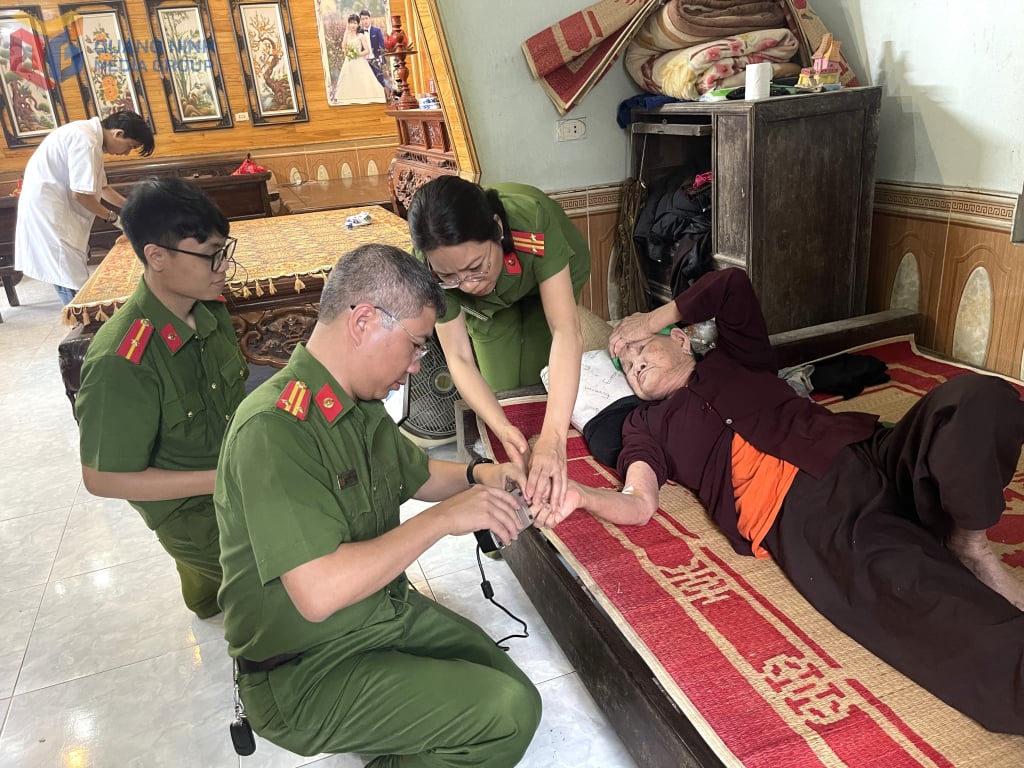
Major Pham Duc Hiep, Head of Cong Hoa Ward Police Station (Quang Yen Town), said: "The work of searching for, collecting, and identifying the remains of martyrs is a meaningful and humane task, reflecting the Vietnamese people's tradition of remembering their roots and repaying gratitude. Following the directives of the Party Committee, the Board of Directors, and the Provincial Police, Cong Hoa Ward Police Station has coordinated with local police stations in Quang Yen Town, the Identification Team, and the Administrative Management and Social Order Police Department (Provincial Police) to compile a list of martyrs' relatives in the area. They have also prepared the necessary conditions and means to transport these relatives to the Cong Hoa Ward Police Station for DNA sample collection. For cases where the relatives are ill or have difficulty traveling, the unit organizes a team to go to their homes to collect the DNA samples."
Although the war is long over, in Quang Ninh province there are still 3,718 cases of fallen soldiers whose identities and burial sites remain unknown. Collecting DNA samples from relatives allows for comparison with samples from remains stored in the Martyrs' Gene Bank. If a match is found, the identity of the fallen soldier will be accurately determined. The provincial police aim to collect DNA samples from all relatives of the unidentified fallen heroes and their burial sites in the province this year.
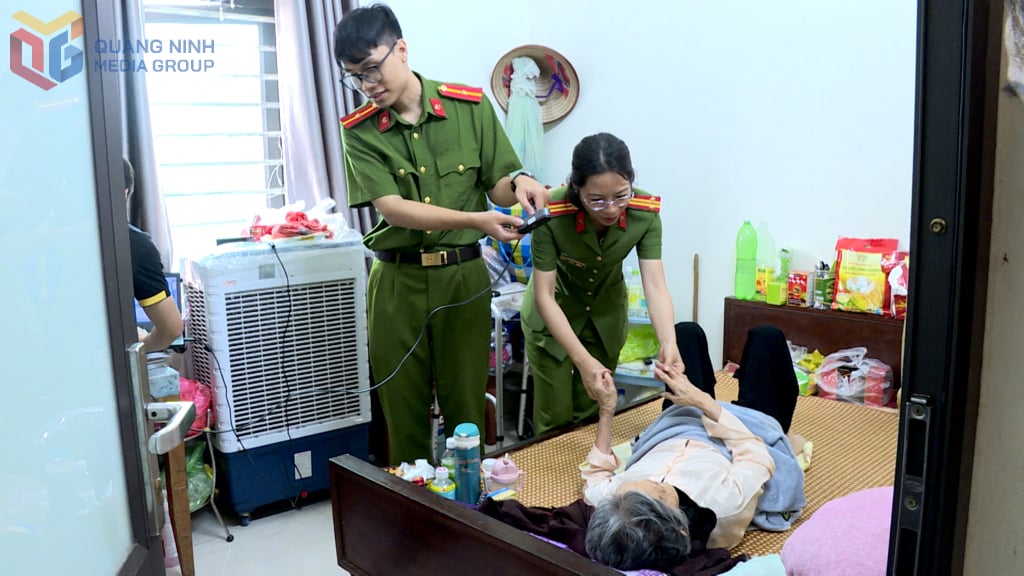
Each unmarked grave represents an unfinished story, a son of the nation who could not return to the embrace of his family. The journey to restore the names of these fallen soldiers is a journey of gratitude, tears, and hope. One day, not far from now, each unmarked grave will have its name inscribed on it.
Source: https://baoquangninh.vn/hanh-trinh-cua-long-biet-on-cua-niem-hy-vong-3354616.html





















































Comment (0)