Concerns of those representing farmers
The draft amendments to the Value Added Tax (VAT) Law were discussed in the National Assembly on October 29, 2024. The proposed amendments regarding the tax rate on fertilizers were a topic of great interest and received much feedback from National Assembly deputies. Some argue that adjusting the VAT rate to 5% would negatively impact farmers' production costs.
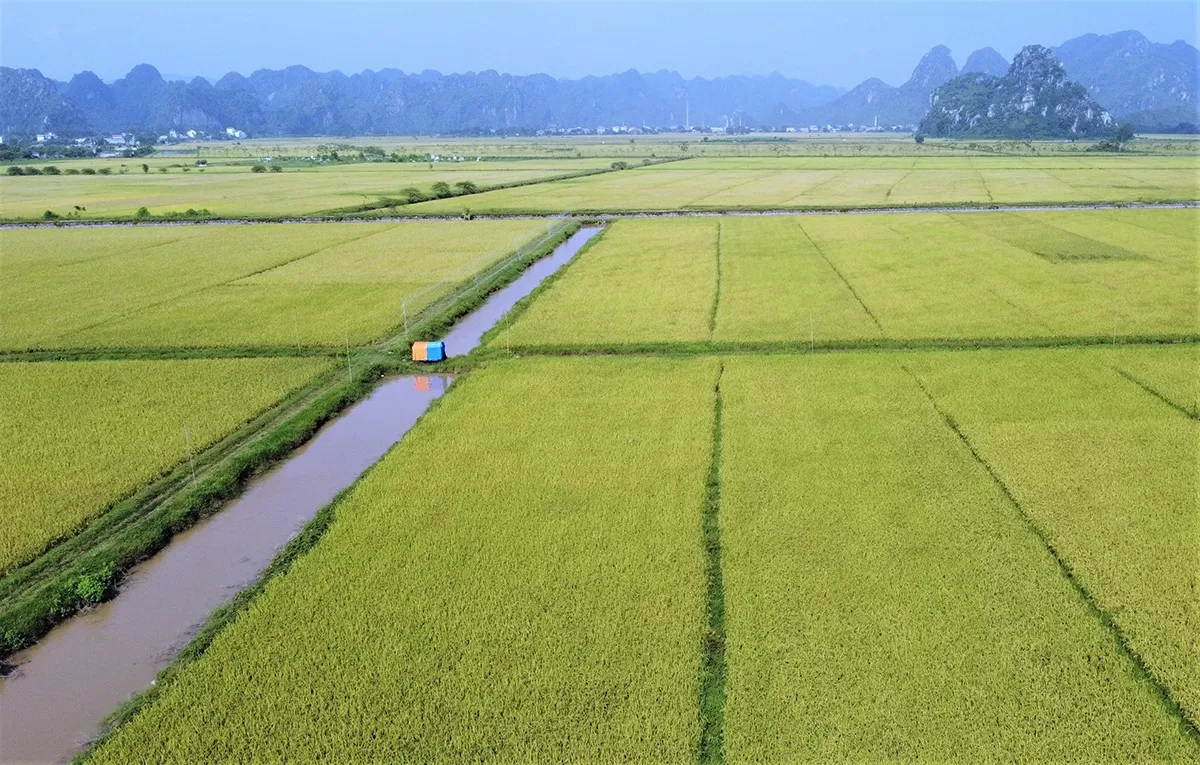 |
| Fertilizers are an indispensable input in agricultural production. (Photo: NH) |
Speaking with a reporter from the Industry and Trade Newspaper, Mr. Phan Hoang Vu, Director of the Department of Agriculture and Rural Development of Ca Mau province, said that farmers are still facing difficulties due to the relatively high cost of input materials. Although production is profitable, the profit is not commensurate with the effort put in by the farmers.
On the part of the local authorities, we also provide training and guidance to farmers on implementing the "3 reductions - 3 increases" production model to maximize cost savings and offset the rising cost of materials.
Returning to the fertilizer tax, Mr. Phan Hoang Vu argued that to support domestic production businesses, the National Assembly and the Government have many tools and means, and it is not necessary to resort to taxation. He also suggested that the National Assembly find ways to reduce input costs for farmers.
According to Ms. Tran Thi Thien Thu, Vice President of the Can Tho Provincial Farmers' Association, farmers always face high input costs, unstable output prices, and uncertain consumption. Furthermore, during the production process, farmers may encounter risks from natural disasters, and sometimes a bumper harvest can lead to plummeting prices. Therefore, farmers need to be given more priority because they are the main force in agricultural production.
Imposing a 5% VAT on fertilizers has caused farmers to worry about rising fertilizer prices. However, from a macroeconomic management perspective, the Party and State leaders have advisory bodies that analyze the value chain, considering the advantages and disadvantages for farmers and businesses when changing the VAT policy on fertilizers.
As for farmers, their greatest wish is for fertilizer prices to decrease and stabilize so that they can benefit from their production. Farmers always trust in the leadership of the Party and the State, and the governance of the Government, which aims to benefit farmers.
“If a 5% VAT rate is applied to fertilizers, it is clear that businesses will benefit from the reduced cost. We also expect that businesses will share some of their profits with farmers by maintaining or reducing selling prices, so that farmers can produce with peace of mind. In that case, both farmers and businesses will develop together,” said Ms. Tran Thi Thien Thu.
 |
| Mr. Huynh Quoc Hung – Chairman of the Ca Mau Provincial Farmers' Association. (Photo: Nguyen Chuong) |
Mr. Huynh Quoc Hung, Chairman of the Ca Mau Provincial Farmers' Association, expressed that in the rice-growing areas of Ca Mau province, farmers have been making a profit in recent years, but it has been small. The reason is that the unique soil conditions of Ca Mau make it impossible to fully mechanize rice production, requiring manual labor, which increases production costs. In addition, the price of fertilizers significantly impacts farmers' production costs.
“In the rice-growing region of Ca Mau , 1 hectare yields a profit of about 3.3-3.5 million VND. For a farming household of 4 people, the profit isn't much. By eliminating some steps and using family labor directly, farmers can make a living. They only manage to cover their living expenses after factoring in production costs , ” Mr. Huynh Quoc Hung shared.
Farmers are the core of agricultural production, as specifically stated in Resolution No. 19-NQ/TW, dated June 16, 2022, of the Fifth Plenum of the 13th Central Committee of the Communist Party of Vietnam on agriculture, farmers, and rural areas until 2030, with a vision to 2045. From the perspective of a representative of farmers in Ca Mau province, Mr. Huynh Quoc Hung believes that, stemming from Resolution 19, any policy or guideline related to farmers, rural areas, and agriculture must be for the benefit of farmers and originate from farmers.
"It is also possible that the National Assembly will approve a VAT tax policy of 5% on fertilizers, but in addition, the Party and the State will have policies to intervene and support farmers so that they can implement the spirit of Resolution No. 19 correctly, so that farmers can have a stable life, rise up and achieve the goal of farmers being the main subjects in the process of building new rural areas, narrowing the gap between rural and urban areas," Mr. Hung said.
Businesses and farmers are in the same boat.


Vietnamese agricultural output serves as input for other manufacturing and processing industries. Raising the VAT rate on fertilizers to 5% would boost state revenue from taxes, benefiting domestic fertilizer manufacturers as the entire input VAT would not need to be accounted for as a cost but would be deductible. However, for consumers, particularly farmers, whether fertilizer prices will decrease is uncertain, as this depends on fertilizer companies and market factors.
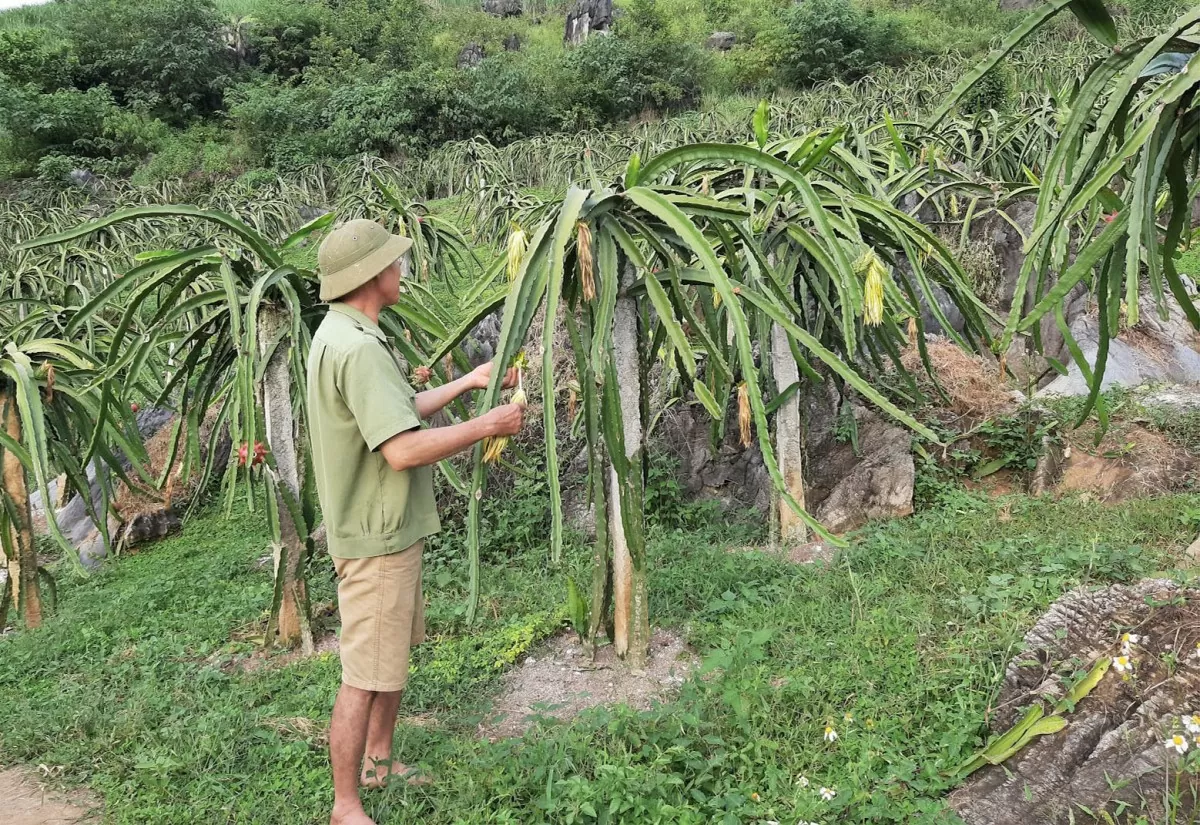 |
| Dragon fruit growing area in Son La. (Photo: NH) |
Recently, the continuous increase in fertilizer prices has directly affected the production and cultivation of farmers. Along with this, transportation costs have also increased, while the prices of some agricultural products have decreased, and the consumer market has become limited. This situation has greatly impacted the morale of farmers and created many difficulties in their production and replanting efforts.
The issue of agricultural supplies in general, and fertilizers in particular, affects not only farmers. Rising costs force farmers to abandon their fertile fields and pursue other professions because farming is no longer profitable, or force them to increase selling prices, even though this is not easy.
Meanwhile, the outputs of agricultural production, such as rice, fruits, pepper, cashew nuts, coffee, etc., are inputs for other processing industries. An increase in output prices would create a domino effect, causing input prices for processing industries to rise, increasing production costs and reducing the competitiveness of businesses.
From the perspective of fertilizer manufacturers, Mr. Nguyen Van Son – Deputy Director of Ca Mau Urea Plant – believes that farmers and businesses have a close relationship. When a business receives funds from reduced production costs for scientific research, they will invest heavily in improving and developing technology. This helps increase capacity, reduce costs, and ultimately benefit farmers, who are the end consumers.
"Humans need food to live. To have food, they need to cultivate crops and use fertilizer. For farmers, selling rice must be profitable so they can stay in the fields. If production costs are too high, farmers will abandon their land. Who will buy the fertilizer then?"
Conversely, businesses also want to sell fertilizers at low prices. To achieve this, businesses need budget resources to invest in scientific research and technological improvements. Only then can fertilizer manufacturers make a profit and sustain themselves, ” said Mr. Nguyen Van Son.
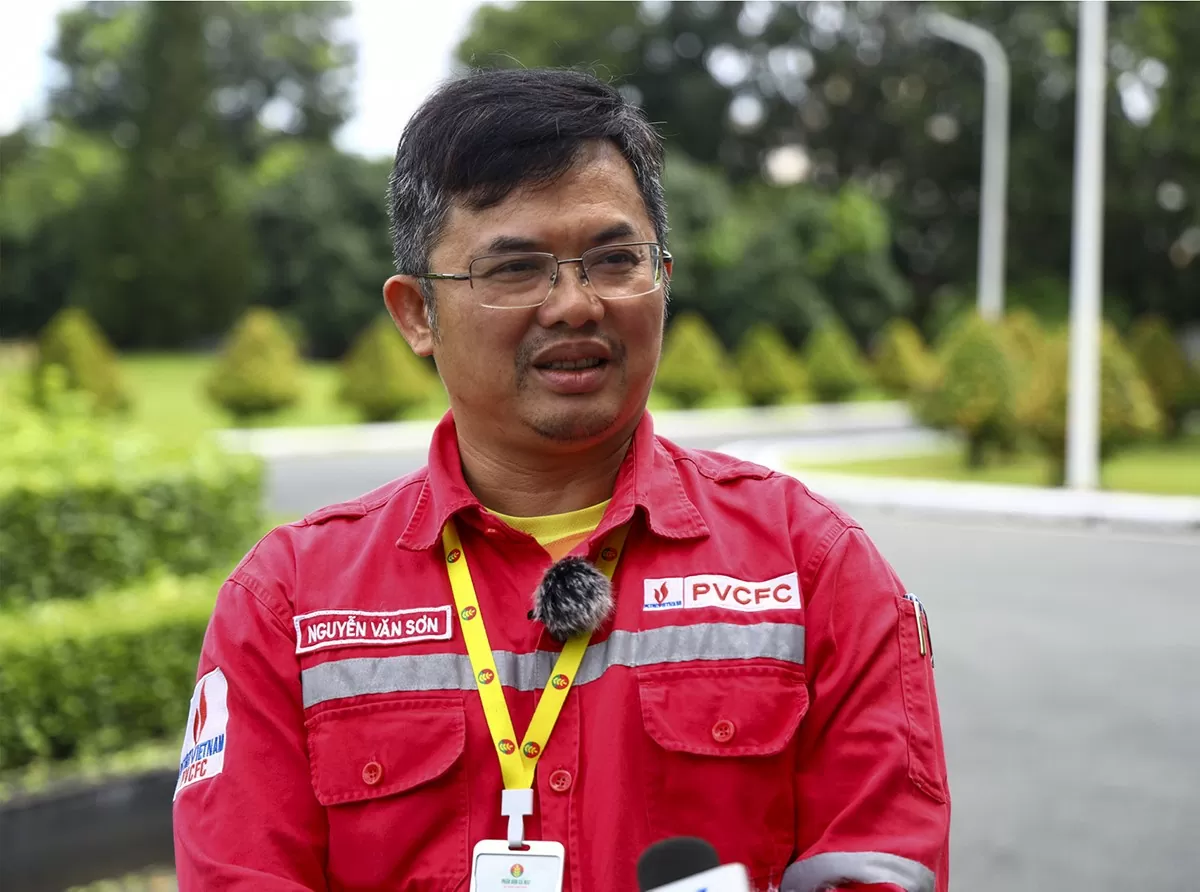 |
| Mr. Nguyen Van Son – Deputy Director of Ca Mau Fertilizer Plant |
With a figure of $51.74 billion achieved after 10 months, agricultural, forestry, and fisheries exports are very close to the target of $54-55 billion for the whole year of 2024, and are confidently aiming for a new record of $60 billion…
Over the past 10 months, many product groups have seen significant increases in export value, such as seafood (up 12%), forestry products (up nearly 20%), and agricultural products (up nearly 26%). Rice exports in the first 10 months reached nearly 7.8 million tons, worth $4.86 billion, an increase of 10.2% in volume and 23.4% in value compared to the same period in 2023.
In the context of Vietnam's developing economy and increasing integration, agriculture continues to affirm its role as a pillar of the Vietnamese economy. Therefore, what management agencies, experts, and farmers always desire is how to maintain the sustainable development of the agricultural sector.
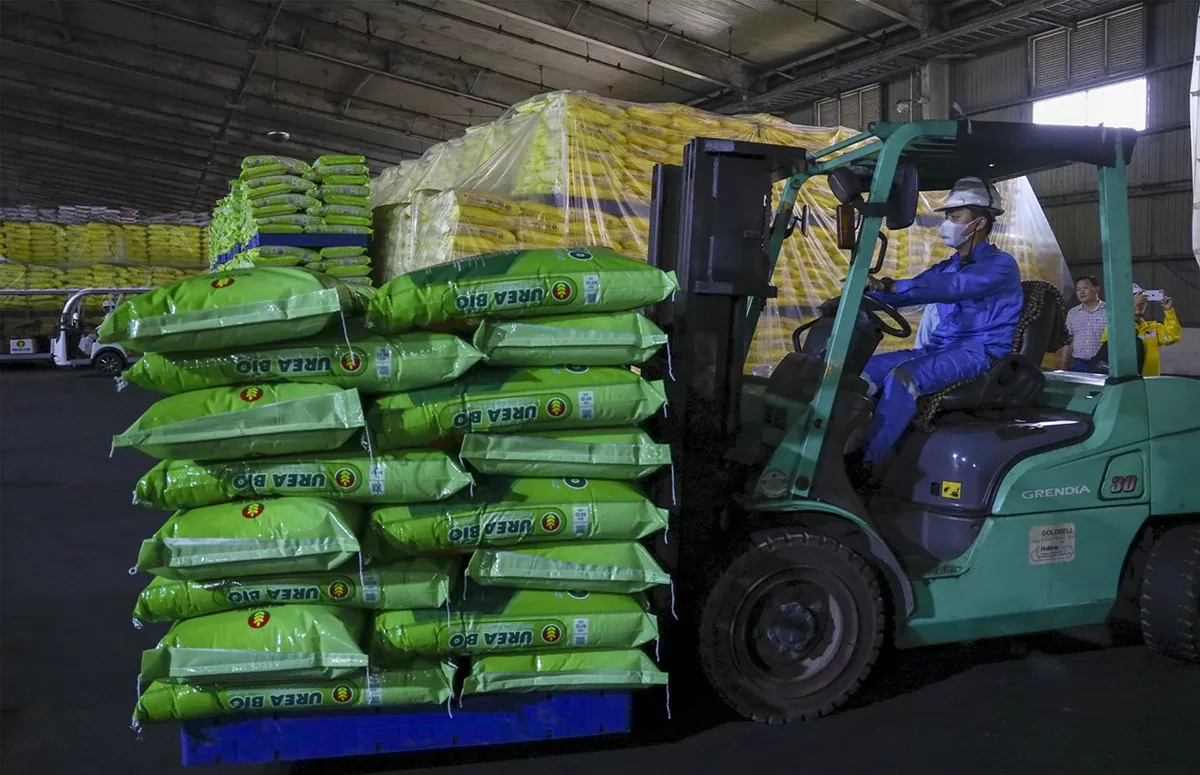 |
| Workers are transporting fertilizer in the warehouse at the Ca Mau Urea Plant. (Photo: NH) |
According to Mr. Nguyen Tri Ngoc, Vice President of the Vietnam Fertilizer Association, any policy introduced has both positive and negative impacts on farmers. The question is, how can farmers benefit? How can the interests of the three parties—the State, businesses, and farmers—be ensured? Therefore, the responsibility of State management from the outset is even more crucial.
Of course, the problem isn't just about fertilizers. Agricultural production in many places remains fragmented and small-scale. Therefore, the prices and quality of agricultural products lack competitiveness in the market. Furthermore, agricultural products lack planting area codes, farming area codes, etc., which is another reason why agricultural products from many localities face significant challenges in reaching the market and exporting.
How to increase production value and improve the lives of farmers is not just a problem for the agricultural sector, government agencies, or businesses supplying inputs and outputs to agricultural products. The issue here also lies with the farmers themselves; they must be more conscious of their products. In particular, production based on habit and the overuse of fertilizers and pesticides can become a "double-edged sword," inadvertently leading to many negative consequences in production.



Using fertilizers efficiently and effectively will contribute to reducing production costs and improving the quality of agricultural products. This will ensure the sustainability of farmers' products not only at the input stage but also throughout the final stages before they reach the market.
Ms. Bui Thi Thom – Vice President of the Central Committee of the Vietnam Farmers' Association: Currently, fertilizers are not subject to VAT. Should they be subject to VAT, and if so, what would be an appropriate VAT rate? Clearly, each option has its advantages and disadvantages. Choosing the option that best benefits the state, businesses, and farmers is a matter that requires careful consideration; analyzing and dissecting the positive aspects, concerns, and obstacles if implemented, and proposing solutions to ensure the regulations are most effectively implemented in society. Given the ongoing concerns surrounding the proposed amendments to the VAT law on fertilizers, the National Assembly should seek separate opinions on this matter before submitting the entire draft VAT Law for a vote. |