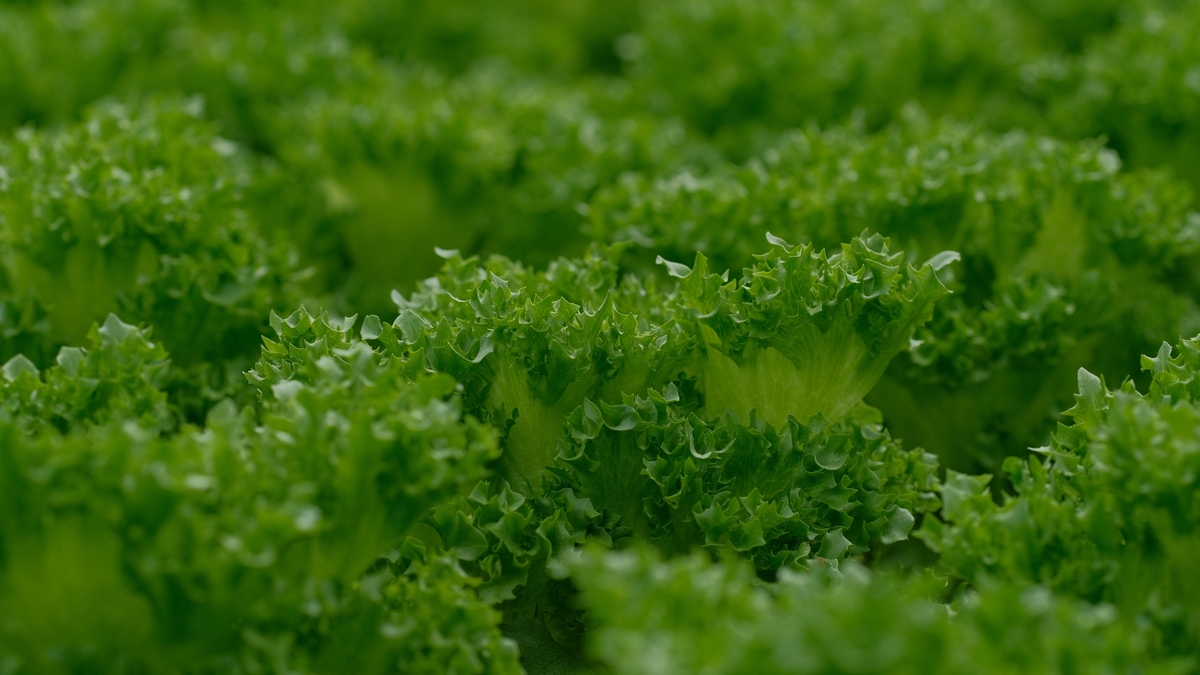
The village fields are always vibrant with the life of plants and the soil.
Returning to my hometown just as the harvest was finished, I was half-asleep when I heard the poignant melody of the song "Love for the Land" playing from a neighbor's loudspeaker. The voice of the singer, born in a rice-growing region of Thanh Hoa province, stirred my soul, evoking nostalgic memories right in the heart of my homeland: "The land loves the people whose feet are covered in mud from dawn till dusk / The land pities the lonely cranes in the fields…" Following that sentiment, I stepped out of the house and quietly gazed at the fields before my door.
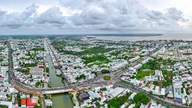
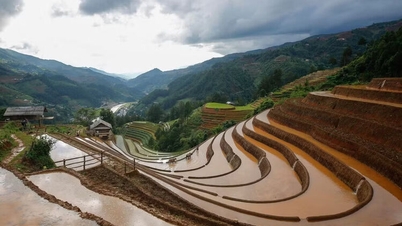
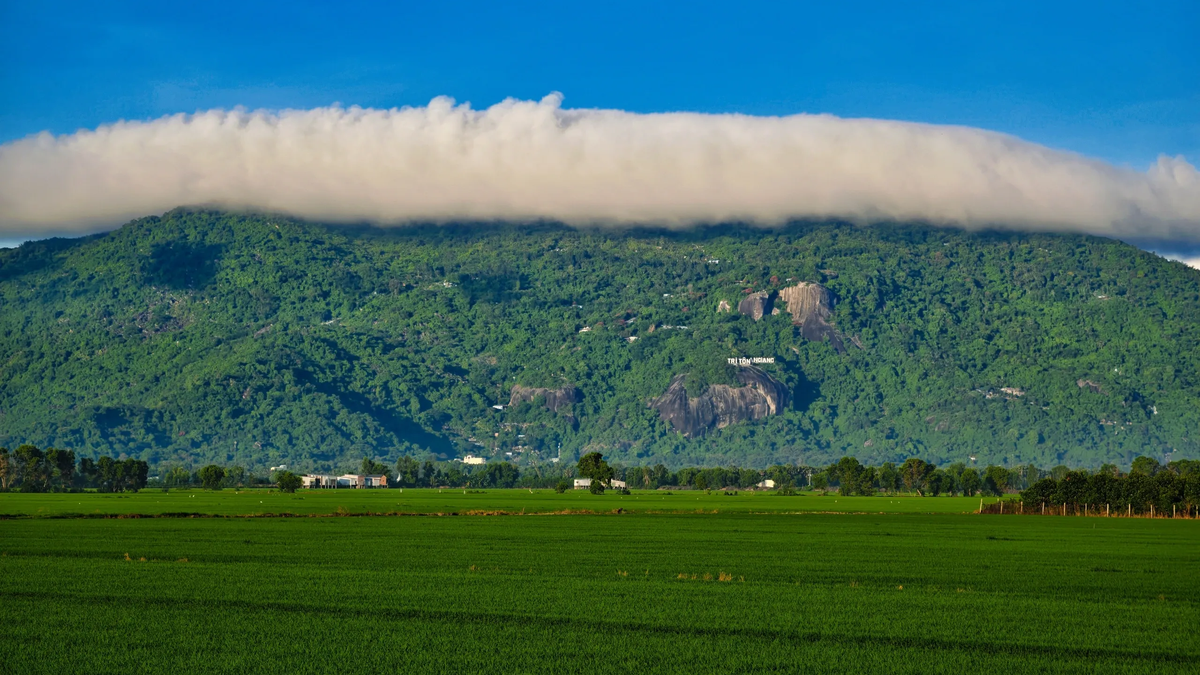
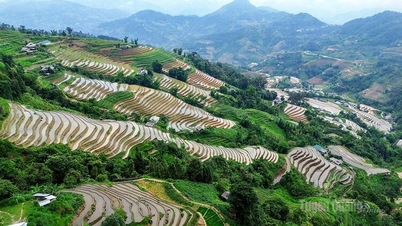
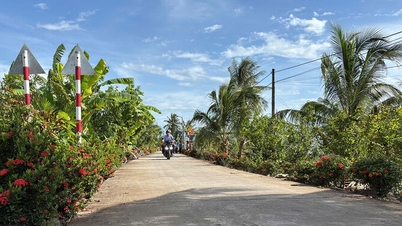
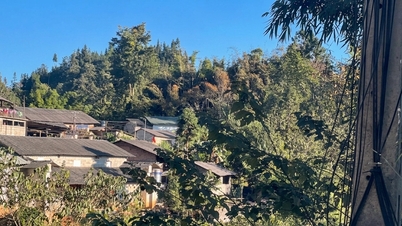
But the fields are no longer truly fields! A vast expanse of fertile land stretches far into the distance, yet only a few scattered patches are cultivated by the villagers. Most of the fields are left fallow, becoming a thick layer of weeds and wild plants. I remember the old days, when my villagers, from dawn till dusk, were reluctant to leave the fields. The village fields were always bustling with voices and laughter; even when it was pitch black and you couldn't see each other's faces, the villagers would still chat, familiar with each other's voices. People toiled tirelessly, and the land was constantly tormented, year after year, without a moment to breathe. Two rice crops a year, intercropped with other vegetables. The village fields were always vibrant with the life of plants and the soil. "December is the month for planting sweet potatoes / January for planting beans, February for planting eggplant…" In that folk song, I don't see a single month when the land rests. But today, does anyone share my feelings as I stand gazing at the desolate fields, my heart feeling as bleak as theirs…
I visited Hiep, a farmer in the village. My friend's family was one of the few who hadn't abandoned their rice fields. Hiep boasted, "This year's rice harvest is amazing! Our village fields are having a huge crop. We have plenty of rice to eat, and we're even milling it to send to our children and grandchildren in the city." Sharing in his joy of the bountiful harvest, the greatest joy for a farmer, I asked, "What's the price of rice now?" Hiep smiled lightly and replied, "At the beginning of the season it was seven hundred thousand dong, now it's nine hundred thousand dong per quintal! That's a good price, my friend." Hearing Hiep's words, I did some calculations: One ton of rice only fetches nine million dong. To earn that nine million dong, my friend's family had to put in so much effort from planting, transplanting, tending, and harvesting; not to mention the cost of seeds, fertilizer, and pesticides. With such a simple calculation, how can a rice farmer get rich from rice?
Sitting and gazing at the rice drying in the yard, we compared: A construction worker earns 500,000 dong a day; two days of work is enough to buy over 100 kilograms of rice. High-income families, those with children working abroad or far from home who always send money back, only need to spend enough money on rice to eat and don't need to rely on farming. Perhaps those farmers still miss their fields and love their farming profession, but they have to leave the rice paddies because growing rice is incredibly hard work and the price of rice is dirt cheap.
As I left the village, my eldest sister said, "I know rice is cheap, but I don't want to give up rice farming. Maybe it's because I care about the fields... that I keep planting rice! We're farmers, but if we don't plant a few acres of rice to eat, we're not really farmers, are we?" After the car had driven a while, I suddenly thought, "Why didn't I tell my sister that since rice is so cheap, and we're already going to plant it anyway, why don't we just plant some really big rice fields with really good varieties? If we did that, wouldn't we have the best rice in the country every year, sister?"


According to Nhandan.vn
Source: https://baoangiang.com.vn/thuong-dong-ma-cay-lua-thoi-a489509.html

![[Photo] General Secretary and President To Lam attends the 13th National Congress of the Ho Chi Minh Communist Youth Union](https://vphoto.vietnam.vn/thumb/1200x675/vietnam/resource/IMAGE/2026/06/25/1782356968989_ndo_br_1-jpg.webp)















![[Photo] General Secretary and President To Lam attends the Central Public Security Party Committee Conference](https://vphoto.vietnam.vn/thumb/1200x675/vietnam/resource/IMAGE/2026/06/24/1782302063612_a1-bnd-9302-9166-jpg.webp)