



Entering the Vietnamese pay-TV market in 2009, K+, backed by the French giant Canal+, set a new standard for production and broadcasting quality in Vietnam. The platform provides a high-quality viewing experience without the geographical limitations of cable TV solutions.
However, the strategy of focusing entirely on licensed sports , with high prices and a slow transition to the rise of OTT services, has led broadcasters to suffer losses. The problem of infringement and illegal football broadcasts has resulted in revenue losses, putting broadcasters at a disadvantage.
K+ is changing Vietnamese television.
Before K+ appeared, the pay-TV market in Vietnam was focused on analog technology (cable TV) with average signal quality and a limited number of channels. Units like VTVcab (formerly VCTV) and SCTV established a presence in major cities. However, transmission limitations meant that most of the country was inaccessible.
In 2009, K+ became a crucial step in modernizing national television. The digital satellite technology (DTH - Direct to Home) used by the broadcaster had the ability to provide nationwide coverage, bringing solutions to all citizens.
 |
K+ Television's technical room. Photo: K+. |
During its period of rapid development, the broadcasting station invested in building a modern transmission and broadcasting center in Vinh Yen. This included infrastructure for operating the Vinasat-1 (later Vinasat-2) satellite. The product involved significant investment in uplink stations and encryption systems to prevent eavesdropping.
VSTV (the parent company of K+) built a massive distribution system. At its peak, it had over 2,000 partner dealers and K+ Store outlets selling hardware such as satellite dishes, set-top boxes, and smartcard subscriptions.
A robust platform also makes it easier for K+ to deliver high-quality HD content. The channel's programs utilize state-of-the-art equipment and international standards, upgrading product quality. Pre-match introductions, discussions, and data analysis have become standard practices in the sports broadcasting industry.
The "Torchbearer" competition organized by K+ also served as a breeding ground for a number of later-famous commentators, who are now present at many major television stations.
 |
K+'s "Torchbearers" program. Photo: K+. |
The standout feature of this platform is its copyrighted content. After its launch, K+ acquired and exclusively broadcast major tournaments that are of interest to Vietnamese fans, such as the English Premier League and the Champions League. For a time, the only option for watching football was this particular channel.
In fact, this unit also boosted the amount of content in the film and variety show segments, but was overshadowed by sports. Since its inception, K+ has also been a transparent broadcaster by providing licensed international channels such as HBO, Star Movies, and National Geographic.
In the later stages, K+ further developed digital content, proactively creating products labeled "Original" to attract viewers and compete with rivals like Netflix and VieON. The broadcaster invested heavily by collaborating with renowned directors to release many acclaimed Vietnamese films such as "Tet in Hell Village," "The Evil Mother, the Angel Father," and "Red Flower Camp."
Strategic mistakes
K+'s exclusive rights to high-quality sports content allowed them to confidently set prices. In the initial phase, their full package cost nearly 300,000 VND per month, a high price compared to the average Vietnamese income in the early 2010s. Their pricing was also significantly higher than their competitors. This pushed viewers to seek out channels that violated copyright to watch football.
By 2016, when K+ restructured its subscription packages and reduced prices, the market gradually became saturated, and customers began to seek out other, more convenient services.
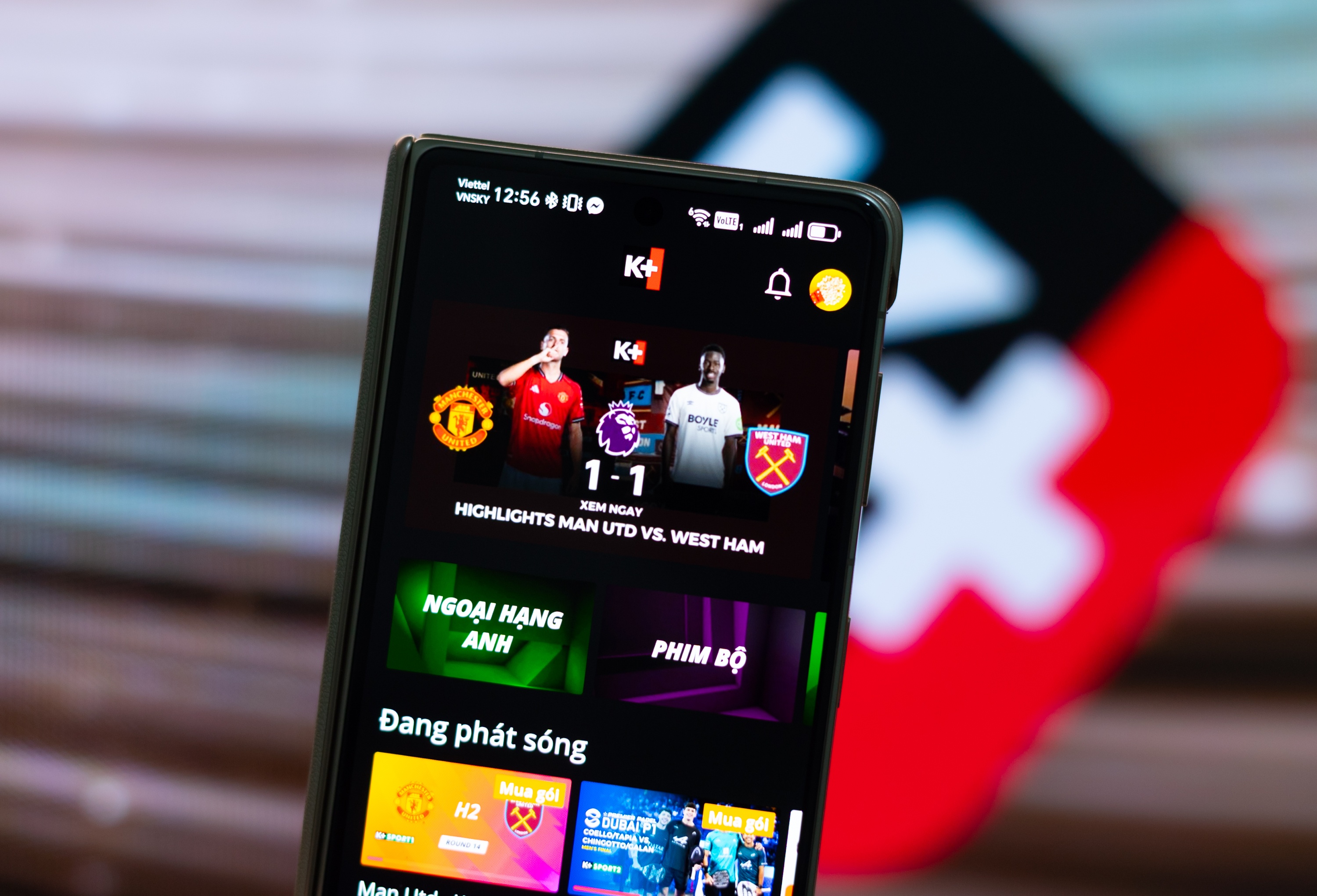 |
K+ relies on DTH and its transition to OTT is slow compared to competitors. |
The slow transition was also one of the mistakes that put the broadcaster at a disadvantage compared to later competitors. K+'s DTH offered the opportunity to watch television nationwide. However, it depended on the set-top box and the prepaid card payment method was inconvenient.
As the internet gradually boomed in Vietnam, high-speed connections were brought nationwide, and OTT or IPTV emerged as a superior option compared to satellite television. In this trend,FPT and Viettel had a significant advantage by controlling transmission lines and selling internet services at a lower price.
According to a report by the Department of Broadcasting, Television and Electronic Information, the scale of pay television in Vietnam is growing rapidly, reaching 21 million accounts in 2024. However, K+ is lagging behind because the fastest-growing segment is OTT. The number of app subscribers increased by 33%, reaching 7.4 million.
As the rights holder for many major leagues, K+ has become a prime victim of football piracy. The broadcaster has implemented proactive security systems and sued infringers, but has been unable to completely resolve the issue. In addition to losing subscription fees from these groups, the company also suffers losses due to reduced advertising revenue.
According to The Athletic, even without paying, illegal viewers are a customer segment that companies must adapt to and find ways to tap into. “Audiences on illegal platforms are also valuable fans. Sports will have to accept the reality of their existence and build monetized content on them,” said Peter Hutton, Meta’s sports partnership manager from 2018-2023.
Source: https://znews.vn/tiec-cho-k-post1608689.html





























































































Comment (0)