

In today's latest world news on June 4th, notable developments focus on North Korean leader Kim Jong-un inspecting a new nuclear materials production facility, Israel and Lebanon agreeing to restore a ceasefire, Germany's first defeat in a UN Security Council race, Ukraine's attack on Russia's Baltic Fleet, and President Donald Trump signing an executive order making it easier to fire thousands of federal employees.
North Korean leader inspects new nuclear facility.
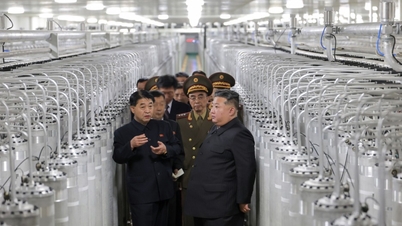
On June 3, North Korean leader Kim Jong-un visited a new nuclear materials production facility believed to be capable of enriching uranium, while calling for an "exponential" increase in the nation's nuclear capabilities.
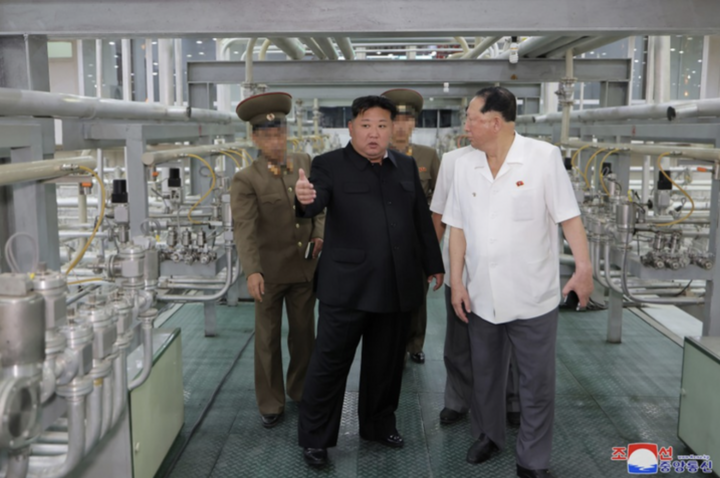
North Korean leader Kim Jong-un inspecting a nuclear weapons institute and nuclear weapons materials production facility in 2024. (Photo: KCNA)
According to the Korean Central News Agency (KCNA), Kim Jong-un was reportedly told that the country's capacity to produce weapons-grade nuclear materials has more than doubled in the past five years. The North Korean leader emphasized the task of continuing to expand its nuclear forces to enhance its strategic deterrence capabilities.
KCNA said Pyongyang will maintain its status as a nuclear weapons state amid escalating tensions on the Korean Peninsula. Earlier, South Korea accused North Korea of launching several objects, including ballistic missiles, into the sea off its western coast.
Many experts believe that the recent series of missile tests shows that North Korea is seeking to consolidate its nuclear position and enhance its deterrence capabilities in the region.
Israel and Lebanon restore ceasefire.
Israel and Lebanon agreed on June 4 to reinstate a ceasefire following US-mediated talks in Washington.
According to the joint statement, the two sides agreed to establish pilot zones where the Lebanese army would be fully responsible for security and would not allow any non-state armed forces to operate.
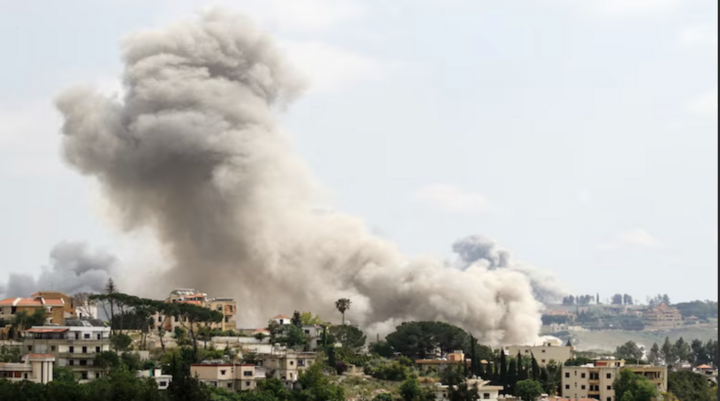
(Illustrative image)
The agreement also included a commitment to continue political and security talks in the coming weeks toward a more comprehensive and lasting solution.
This move is seen as the latest effort to de-escalate tensions in the Israel-Lebanon border region, where clashes between Israeli troops and Hezbollah forces have been frequent in recent times.
Germany suffered a bitter defeat.
For the first time, Germany failed to secure a non-permanent seat on the UN Security Council following a vote in the UN General Assembly on June 3rd. In the vote for the Western European and other countries group, Portugal received 134 votes, Austria received 131 votes, while Germany only garnered 104 votes.
German Foreign Minister Johann Wadephul called the result "a real disappointment," given that Berlin had been successful in all six previous elections.
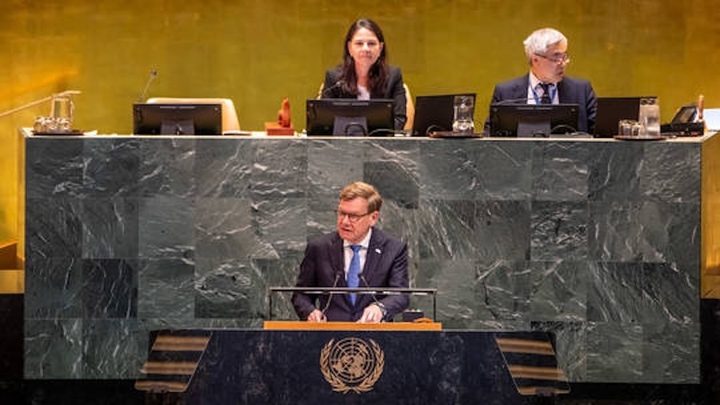
Germany failed in its bid for a seat on the United Nations Security Council.
The election results come amid growing calls for reform of the Security Council to increase representation for developing regions such as Africa, Asia, and Latin America.
Many countries argue that the current structure does not fully reflect global political and economic realities, and are prompting discussions about expanding the number of permanent and non-permanent seats in the United Nations' most powerful body.
Ukraine attacks Russia's Baltic Fleet.
Ukraine claims to have carried out its first drone attack against Russia's Baltic Fleet.
According to information from Ukraine's 414th Independent Unmanned Systems Brigade, the frigate Boikiy of the Baltic Fleet caught fire after being attacked by a suicide drone at the Kronstadt naval base, near St. Petersburg, on June 3rd.
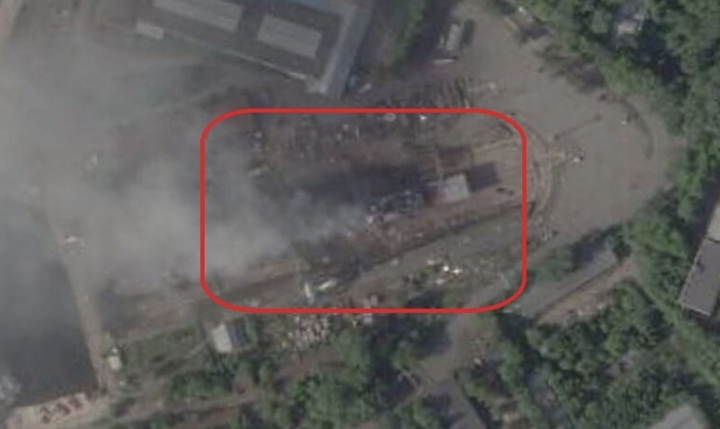
Satellite image of the warship Boikiy after the attack on June 3. Photo: Militarnyi
Video released by Ukraine shows at least two drones striking their target, with the first strike causing a fire on the warship which was in a dry dock for maintenance.
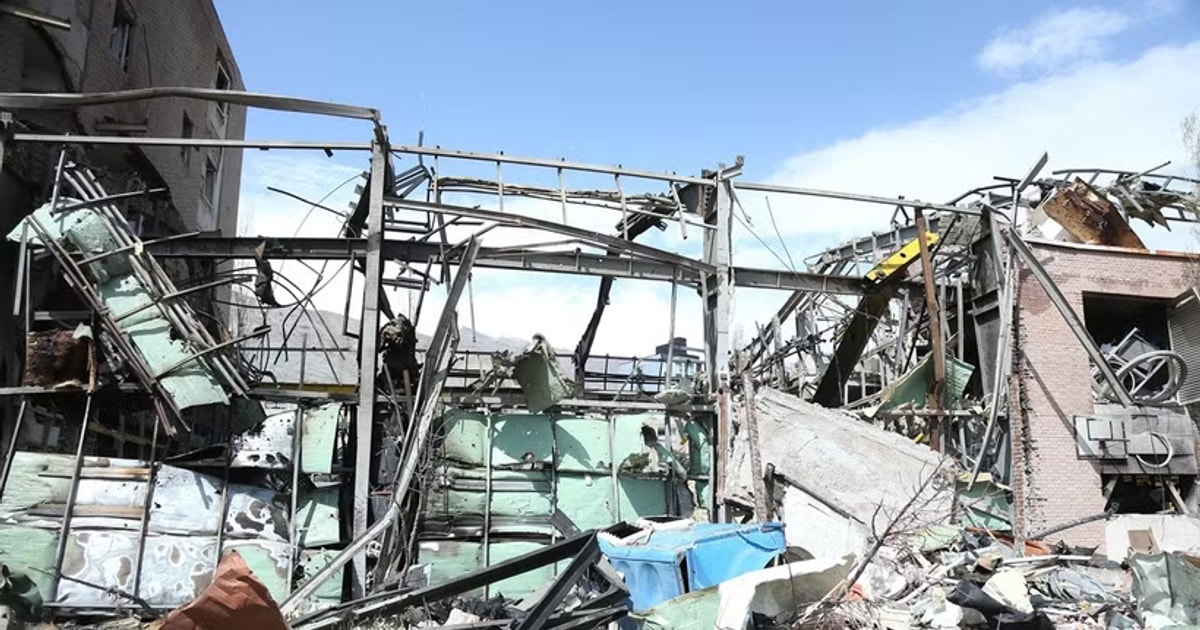
The Russian Ministry of Defense has not issued an official comment on the incident. If confirmed, this would be the first time the Baltic Fleet has been directly targeted by Ukrainian drone attacks since the conflict began.
The US is reforming its federal civil service.
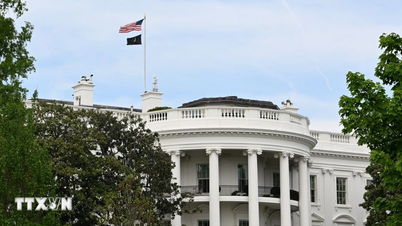
On June 3, President Donald Trump signed a new executive order that would facilitate the dismissal of approximately 8,000 high-ranking federal employees in the United States. According to the White House and the Office of Personnel Management (OPM), the order eliminates certain job protections for high-paid, influential federal employees.
OPM Director Scott Kupor said the administration wants to ensure federal agencies are run by people who are willing to implement government directives and policy priorities.
However, this decision faced opposition from unions and some organizations representing federal civil servants. Critics argued that the new measure could undermine the independence of the administration and increase political influence over government agencies.
The executive order is seen as the latest step in President Donald Trump's efforts to reform the federal government during his current term.
Source: https://vtcnews.vn/tin-the-gioi-noi-bat-trong-ngay-4-6-ar1021755.html























































![[Video] Sunset at Lap An Lagoon – Where the sun sets over the fishing nets](https://vphoto.vietnam.vn/thumb/1200x675/vietnam/resource/IMAGE/2026/05/31/1780192137701_beach-landscape-sea-water-nature-grass-745871-pxhere-com.jpeg)



































Comment (0)