

This is not merely a change in administrative organization, but a profound and unprecedented institutional reform in the history of modern state governance in Vietnam. By abolishing the district level, the new model ushers in a new era in the operation and organization of the state apparatus – more streamlined, more effective, and closer to the people. Behind this historic decision lies a strong reform vision, an aspiration to create a service-oriented administration, and a belief that institutional reform is a strategic lever for promoting sustainable development.
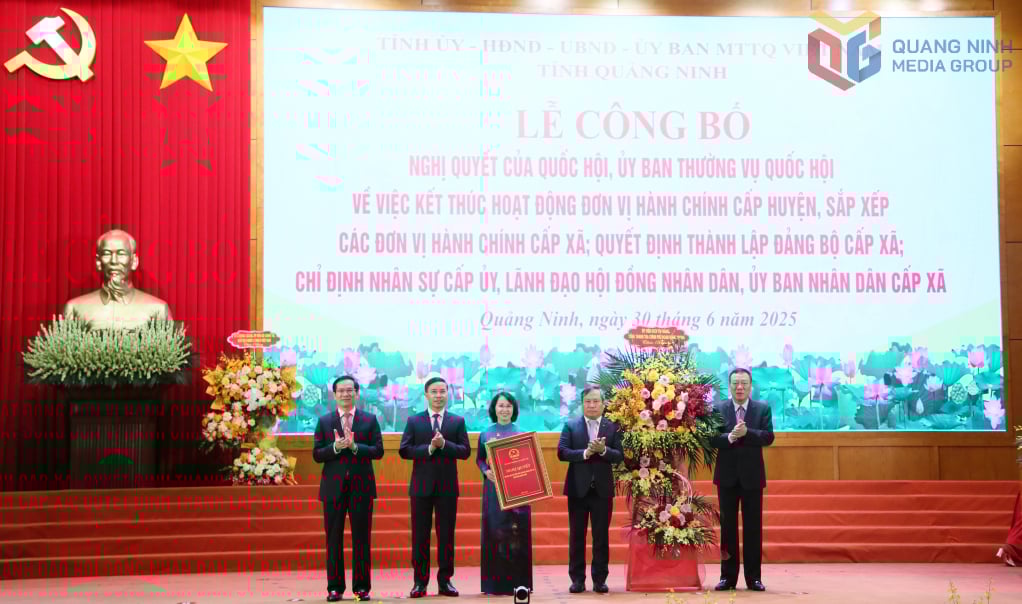
As a locality that has always been at the forefront of implementing the Party's policies, immediately upon receiving the Central Committee's directive on summarizing Resolution No. 18-NQ/TW on restructuring and streamlining the organizational apparatus and the policy of building a two-tiered local government model, Quang Ninh identified this as a particularly important task, requiring top priority and implementation with the highest political determination in the spirit of "running while queuing". From the end of 2024, the province promptly established a Provincial Steering Committee, decisively directing Party committees, organizations, agencies, units, and localities to seriously and comprehensively assess the situation, achievements, limitations, obstacles, and lessons learned during the implementation of Resolution 18. Simultaneously, it developed and finalized plans for merging and streamlining the organizational apparatus. This process was carried out with the serious, proactive, and creative spirit of the entire political system, the responsible dedication of many levels, sectors, and localities, and the consensus and positive response of all strata of the people.
To date, the entire province has completed the merger plan, reducing the number of commune-level administrative units from 171 to 54 (including 2 special zones), with a voter approval rate exceeding 99%. This is clear evidence of the people's trust and support for the "revolution to streamline the organizational structure of the political system." On June 16, 2025, the Standing Committee of the National Assembly approved Resolution No. 1679/NQ-UBTVQH15 on the establishment of 52 communes and wards and 2 special zones in Quang Ninh province.
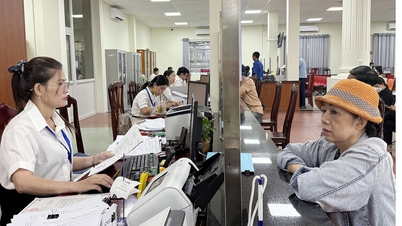
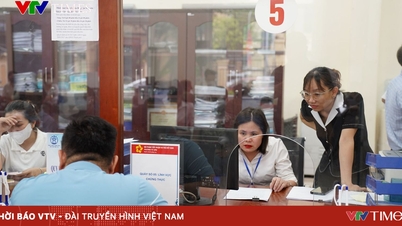
Officially operating a two-tiered local government model, Quang Ninh also determined that it would implement this new two-tiered government model within the overall task of building a clean and strong Party and political system; building an honest, proactive, development-oriented, service-oriented, and effective local government; enhancing social governance, state management, and sustainable local development management based on science, technology, innovation, and digital transformation; promoting administrative reform, transparency, and using citizen satisfaction as a consistent measure. This is also Quang Ninh's determination before the sacred and momentous moment for the nation - when the entire country officially operates a two-tiered local government apparatus in 34 provinces and cities nationwide - a new administrative entity of the Socialist Republic of Vietnam. At the same time, realizing the directive of General Secretary To Lam: The decision to "reorganize the country" is a historic step with strategic significance, marking a new stage of development in the cause of perfecting the state administrative apparatus, perfecting the institutions and organization of the political system in a synchronous, streamlined, effective, and efficient manner, aiming towards perfecting a modern, constructive, people-oriented, and people-serving administrative system, so that all benefits belong to the people.
Facing new opportunities, all levels and sectors, every official, Party member, and the entire population of the province will continue to promote the spirit of unity, innovation, and creativity; maintain discipline, promote the spirit of "Discipline and Unity," and improve the efficiency of the state apparatus from the provincial to the commune, ward, and special zone levels, becoming a model in modern local government organization that is close to the people, responsive to the people, and for the people.
Source: https://baoquangninh.vn/tinh-gon-hon-hieu-luc-hon-va-gan-dan-hon-3364722.html









































































Comment (0)