The honey harvesting season in Vu Quang commune (Ha Tinh province) usually takes place from March to July each year. This is the time when beekeeping households enter their main harvesting season, focusing on extracting honey to supply the market and increase their income.
Báo Hà Tĩnh•31/03/2026
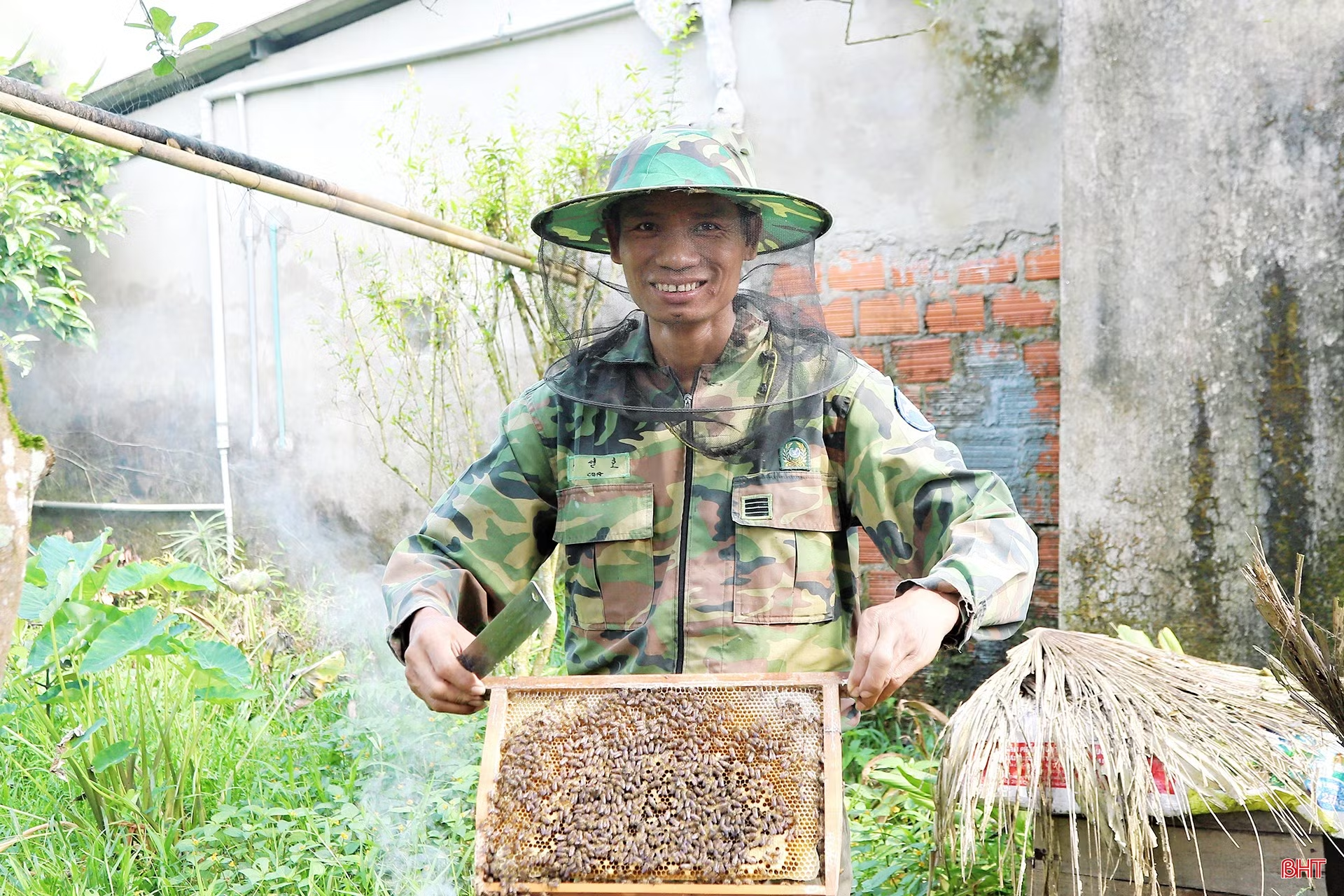
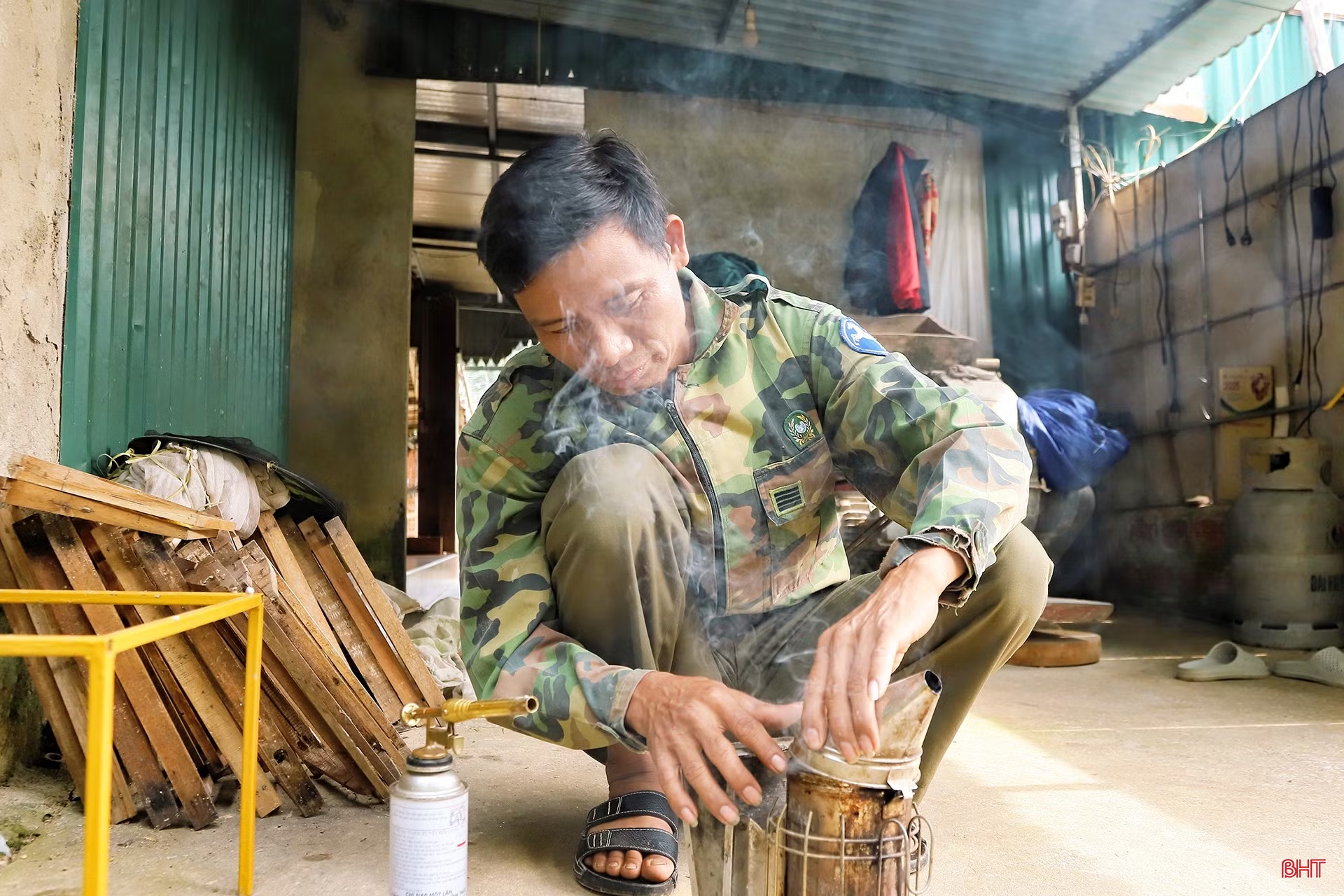
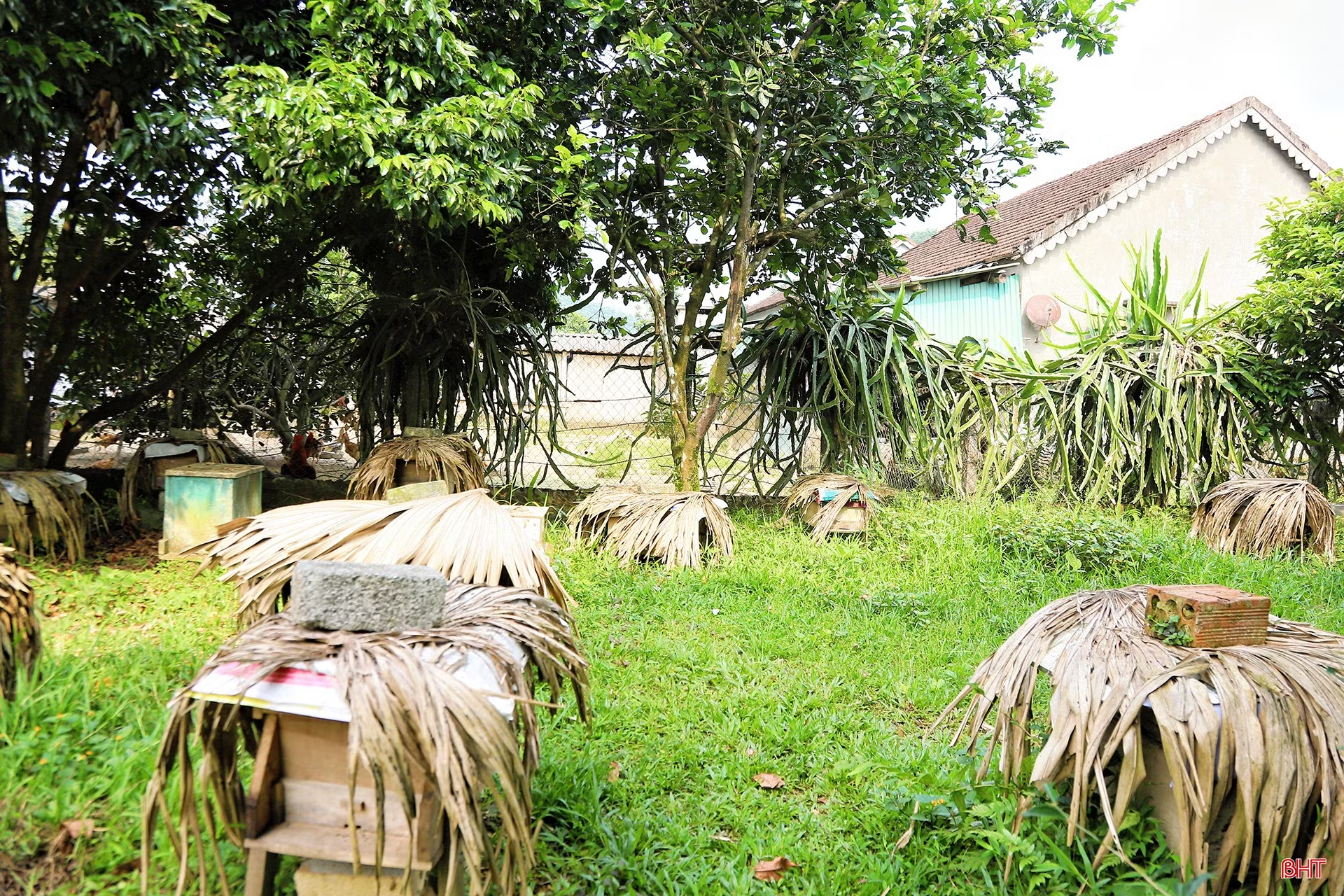
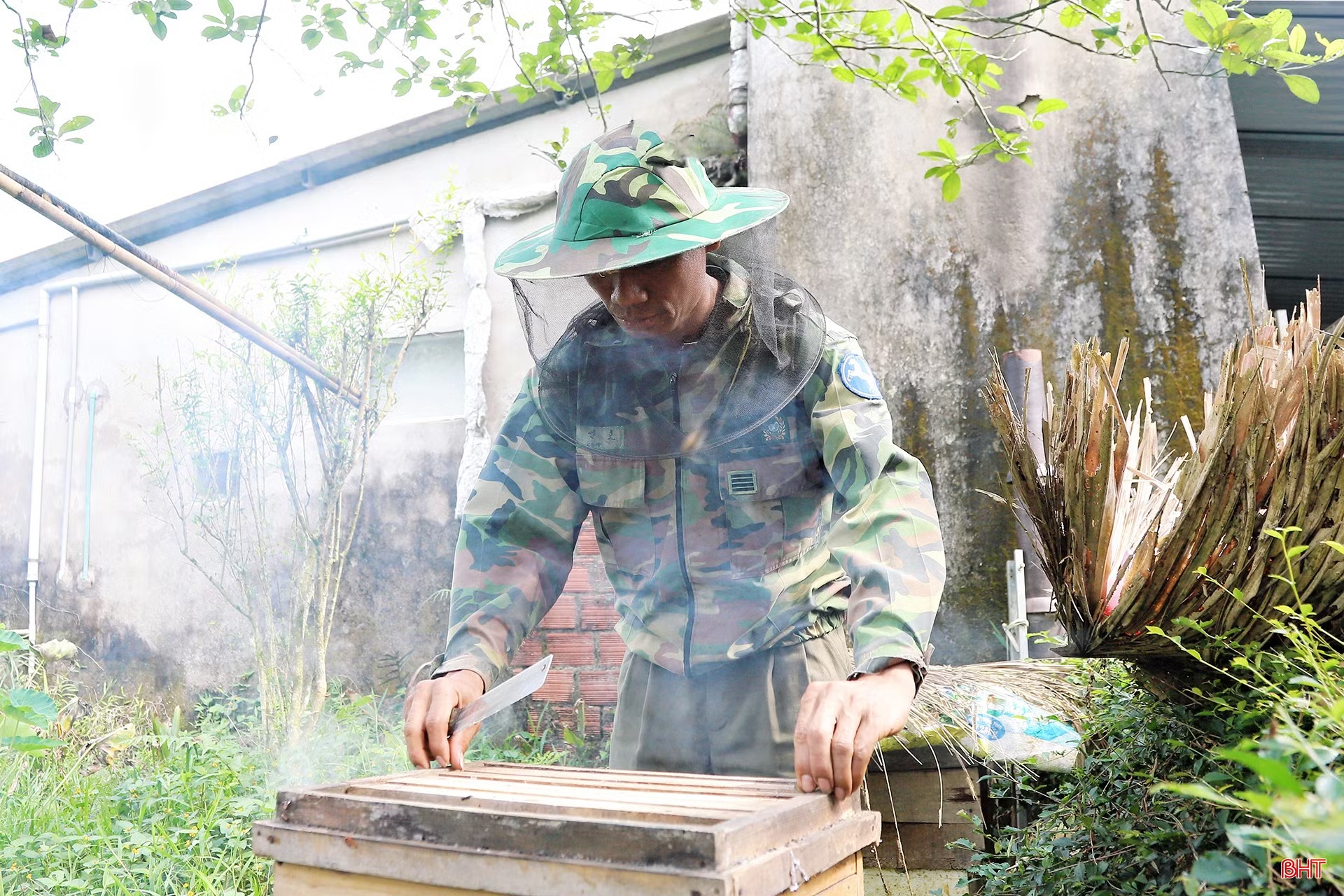
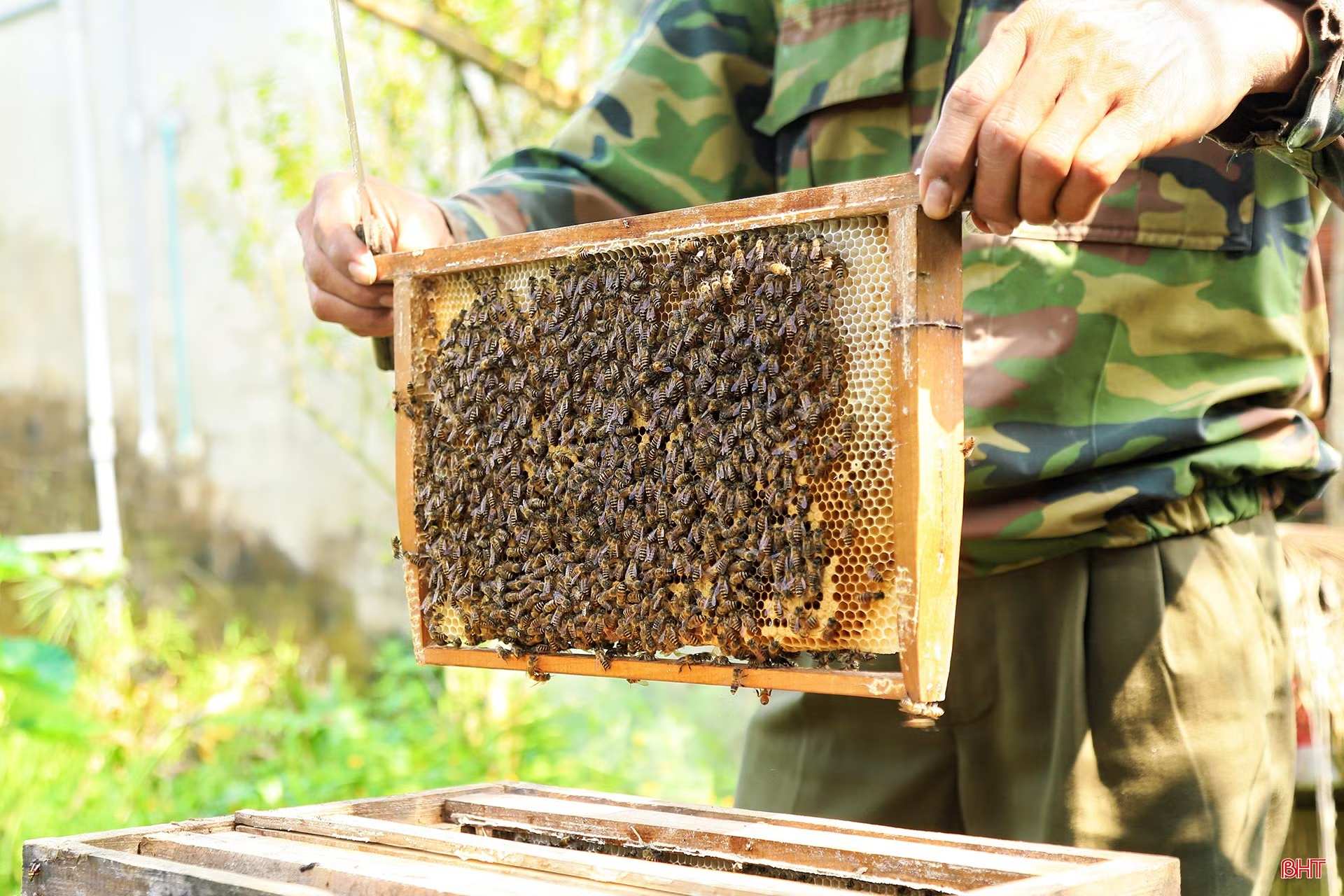
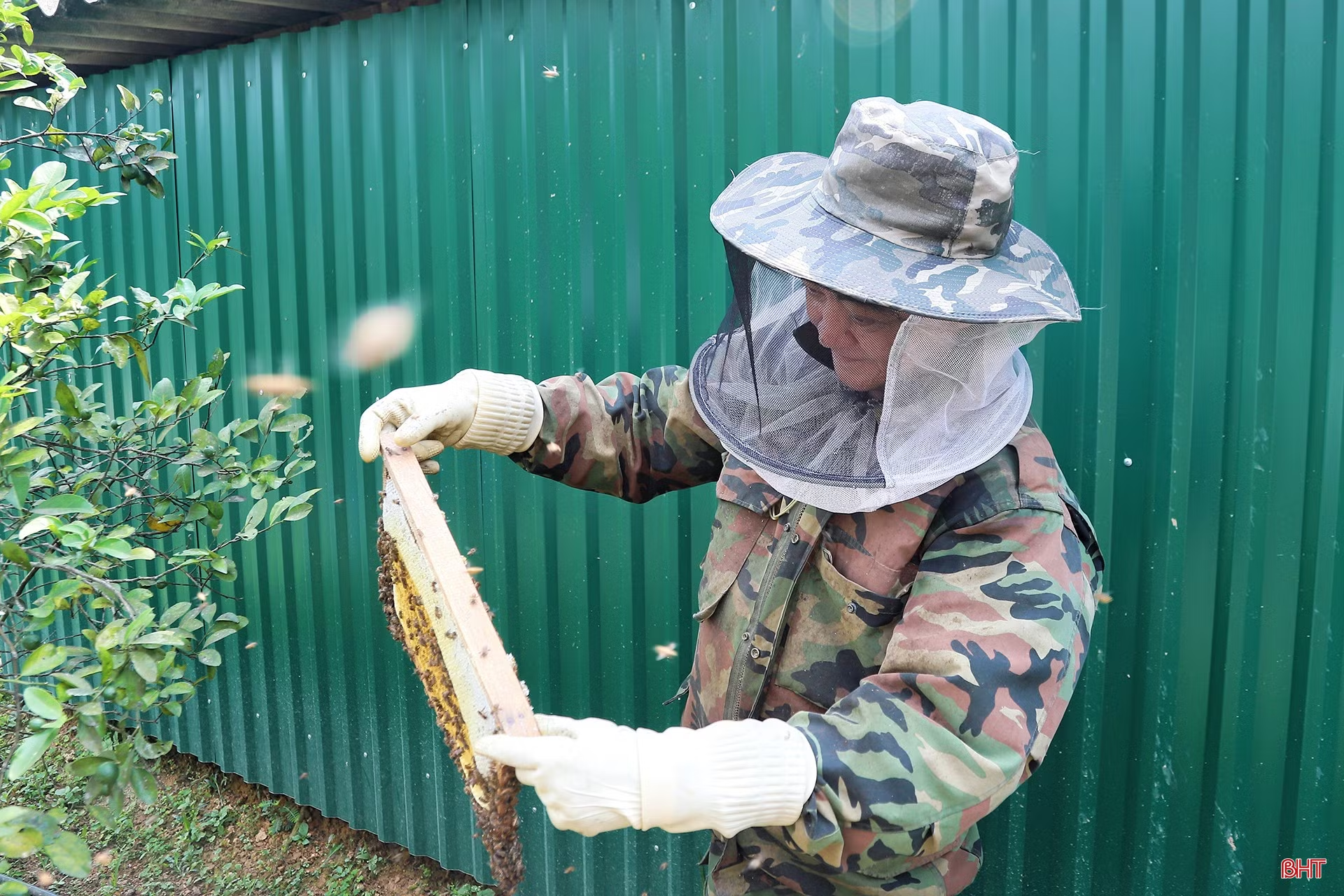
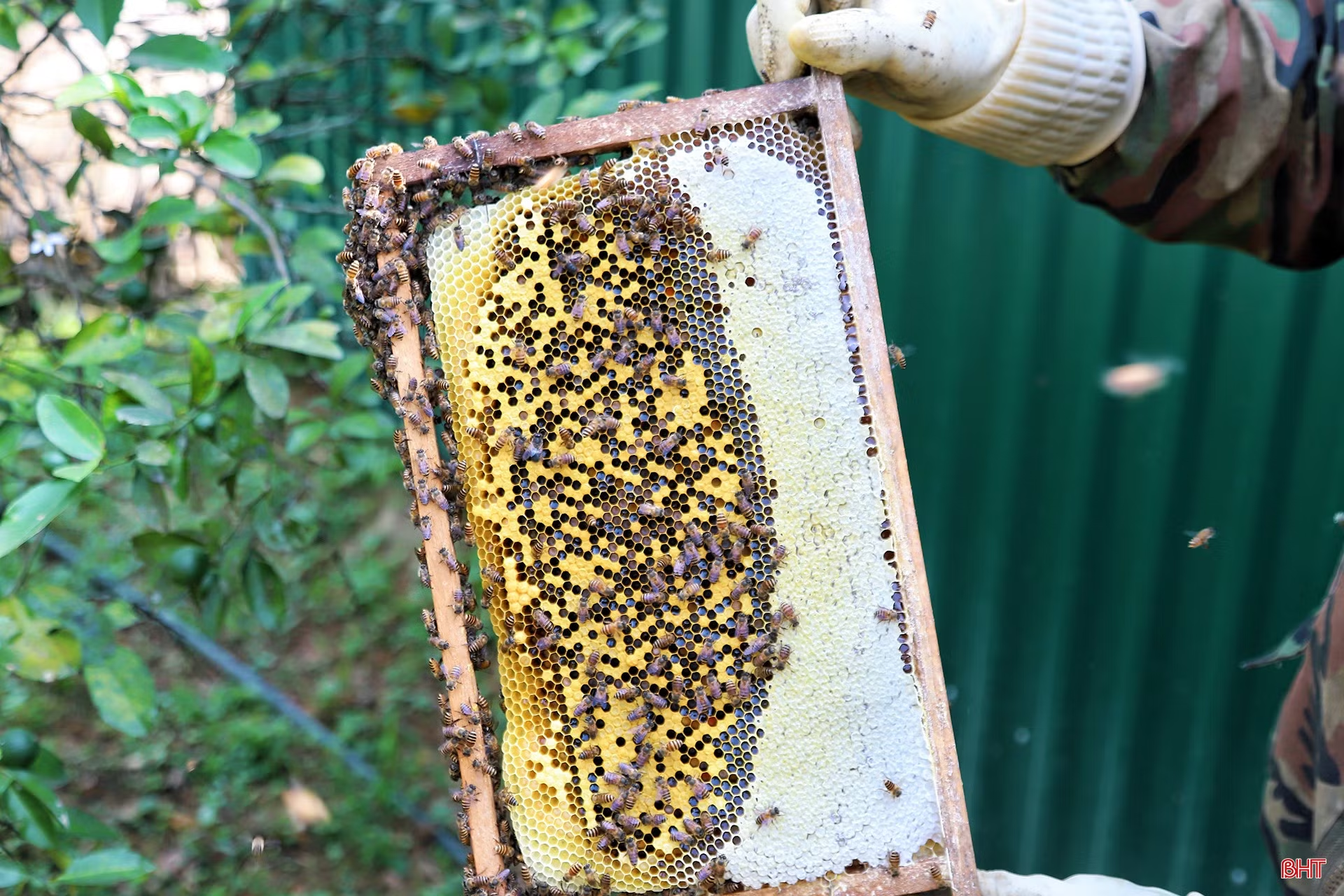
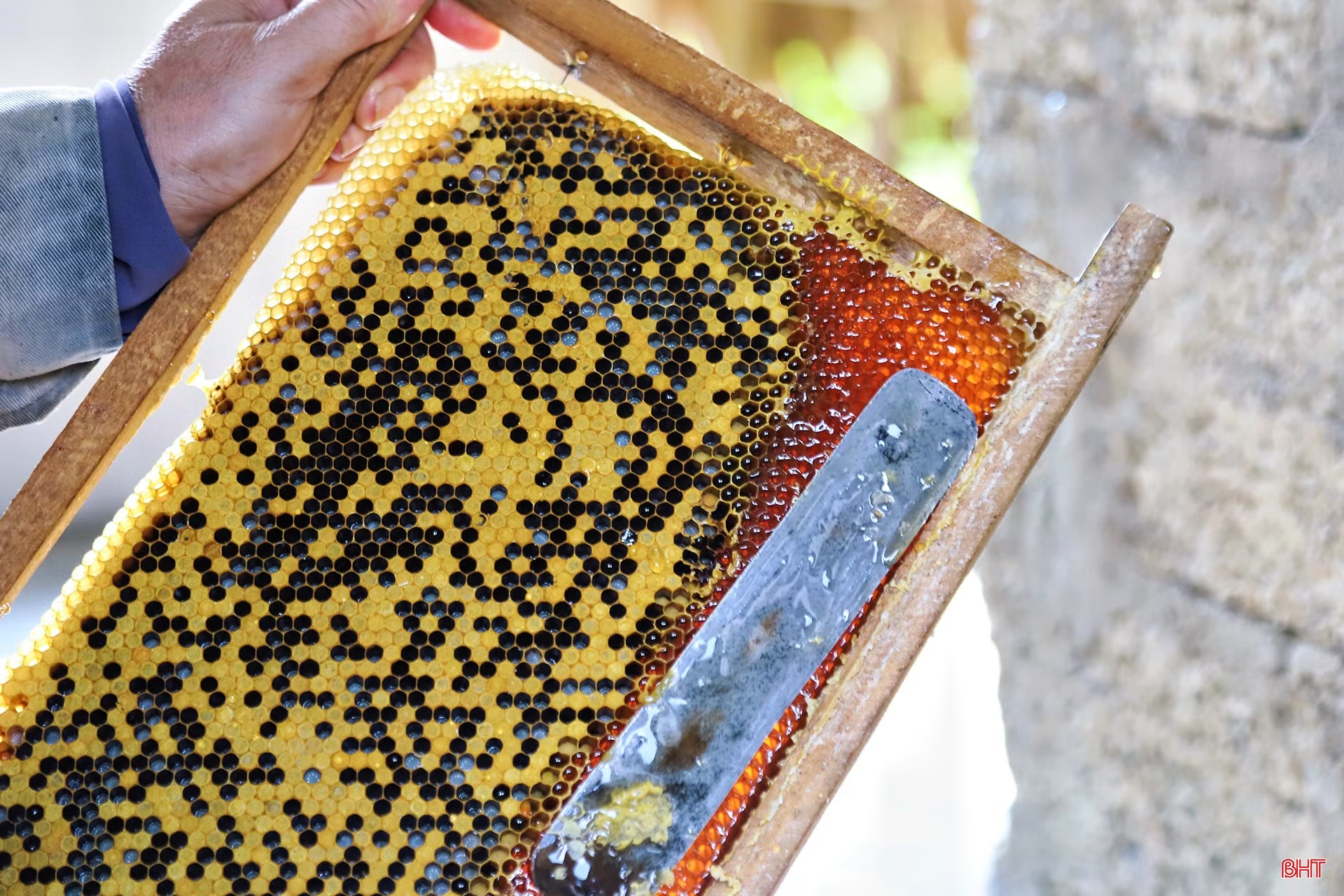
My name is Dang Hong Minh (born in 1977, residing in Dang Thi village, Vu Quang commune). I have been involved in beekeeping for over 20 years. Every year around March, the bee season begins, and beekeepers enter their busiest time of the year. Before going out to the garden to check the beehives, I prepare by spraying smoke to ensure safety. The light smoke calms the bees, preventing them from flying out and attacking. This makes checking and harvesting honey easier. My family currently has about 50 beehives, each maintaining 4-5 frames, which have been bred and cared for over many years. The bee colonies thrive thanks to the abundant wildflowers and the experience accumulated during the beekeeping process. Beekeeping is mostly done on a part-time basis, with the most focused time spent checking the colonies, cleaning the hives, and harvesting honey during peak flowering seasons. After spraying smoke into the hive, I proceed to check the quality of the honey on each frame. These days, on average every 15-18 days, I check once to monitor the condition of the bee colony and the ripeness of the honey. Regular checks help me harvest the frames that meet the requirements in a timely manner, and at the same time adjust and care to ensure the bee colony develops steadily. During the honey harvesting season, bee colonies become dense and very active. Worker bees fly in and out of the hive to collect nectar from early morning until late afternoon. The honeycomb frames are quickly covered with honey, and many frames are already capped with white caps, signaling that the honey is ripe.
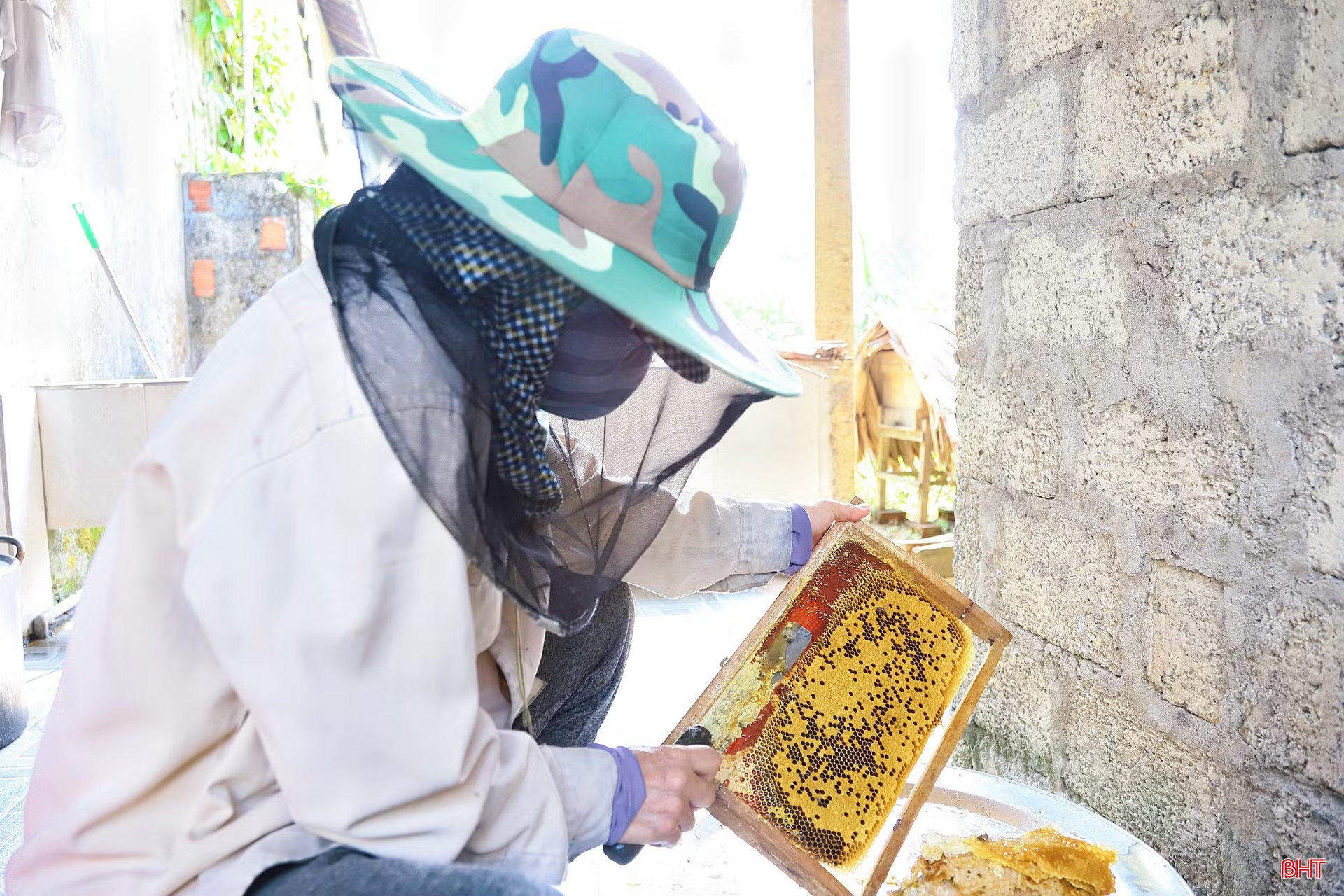
Joining me in harvesting honey today is Mr. Nguyen Dinh Phuc (from Dang Thi village). Mr. Phuc's family also has over 10 years of experience in beekeeping, currently maintaining about 30 hives. These days, we often help each other in collecting and extracting honey, which speeds things up and ensures safety when interacting with the bee colonies. The honeycombs are covered with a layer of white, soft wax, arranged closely and fairly evenly. With the naked eye, you can see glistening drops of honey. Today, we expect to collect over 200 bee frames in the garden to extract honey. Thanks to favorable weather, the amount of honey collected this time is quite consistent and stable. After harvesting, the white cap on top of the honeycomb is cut off to expose the honey inside. This step allows the honey to flow out easily during extraction and also retains the wax for reuse by the bee colony.
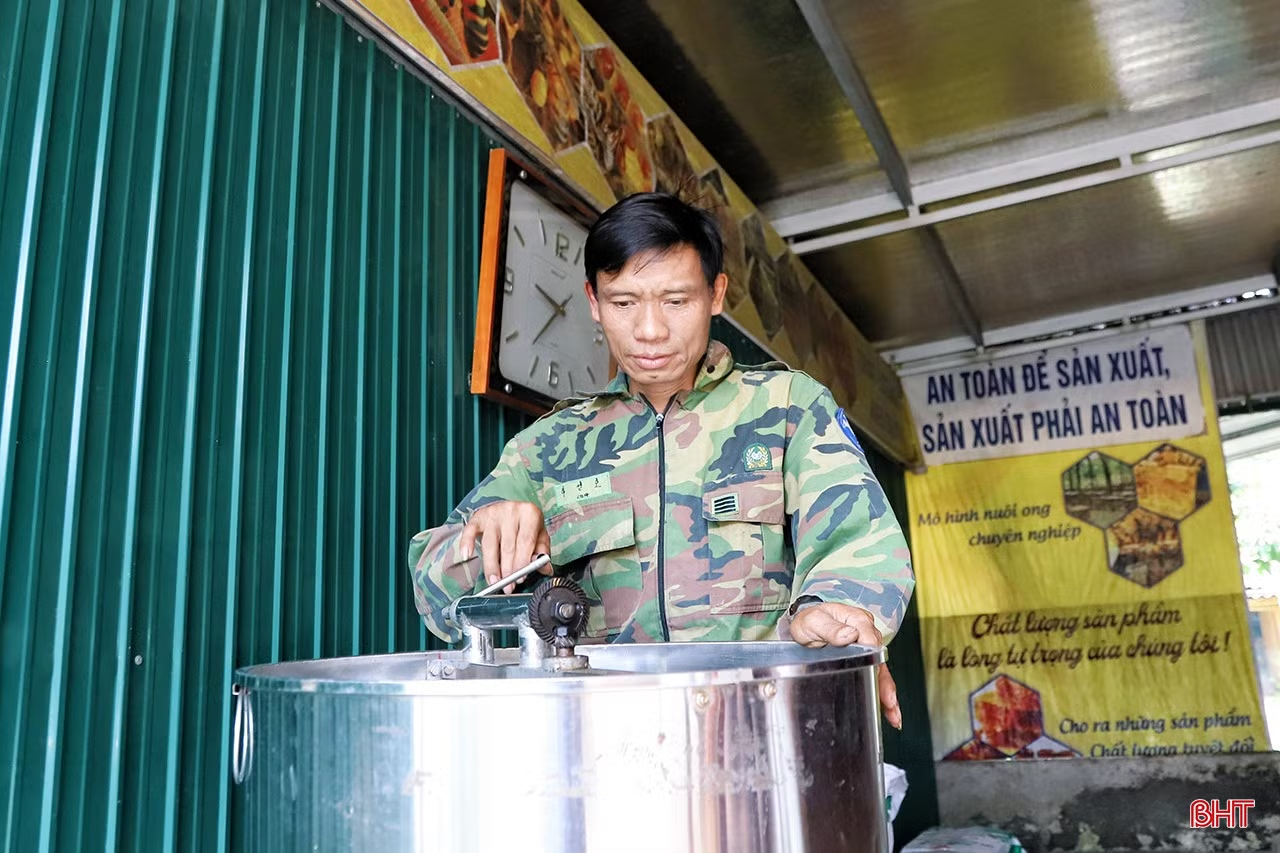
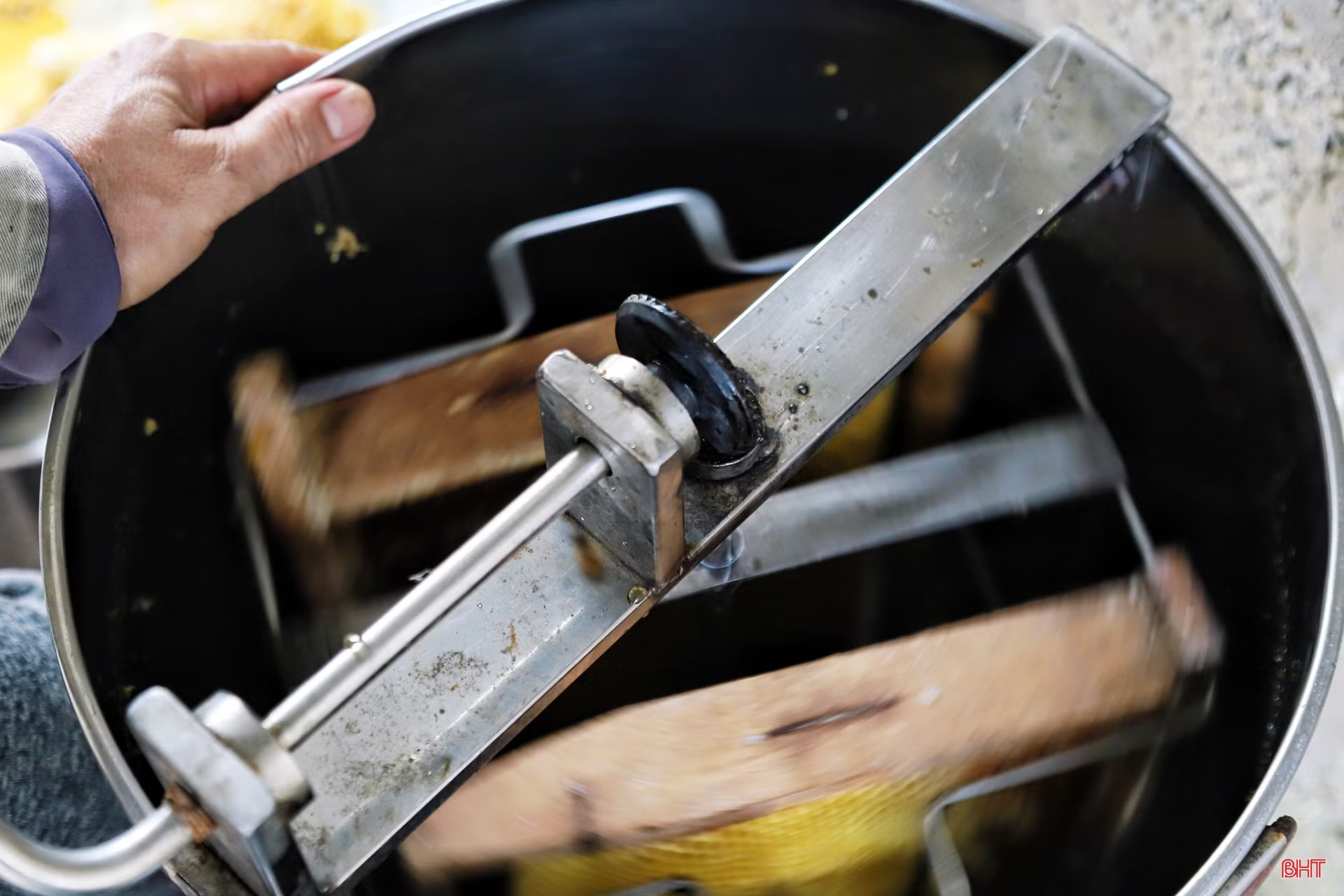
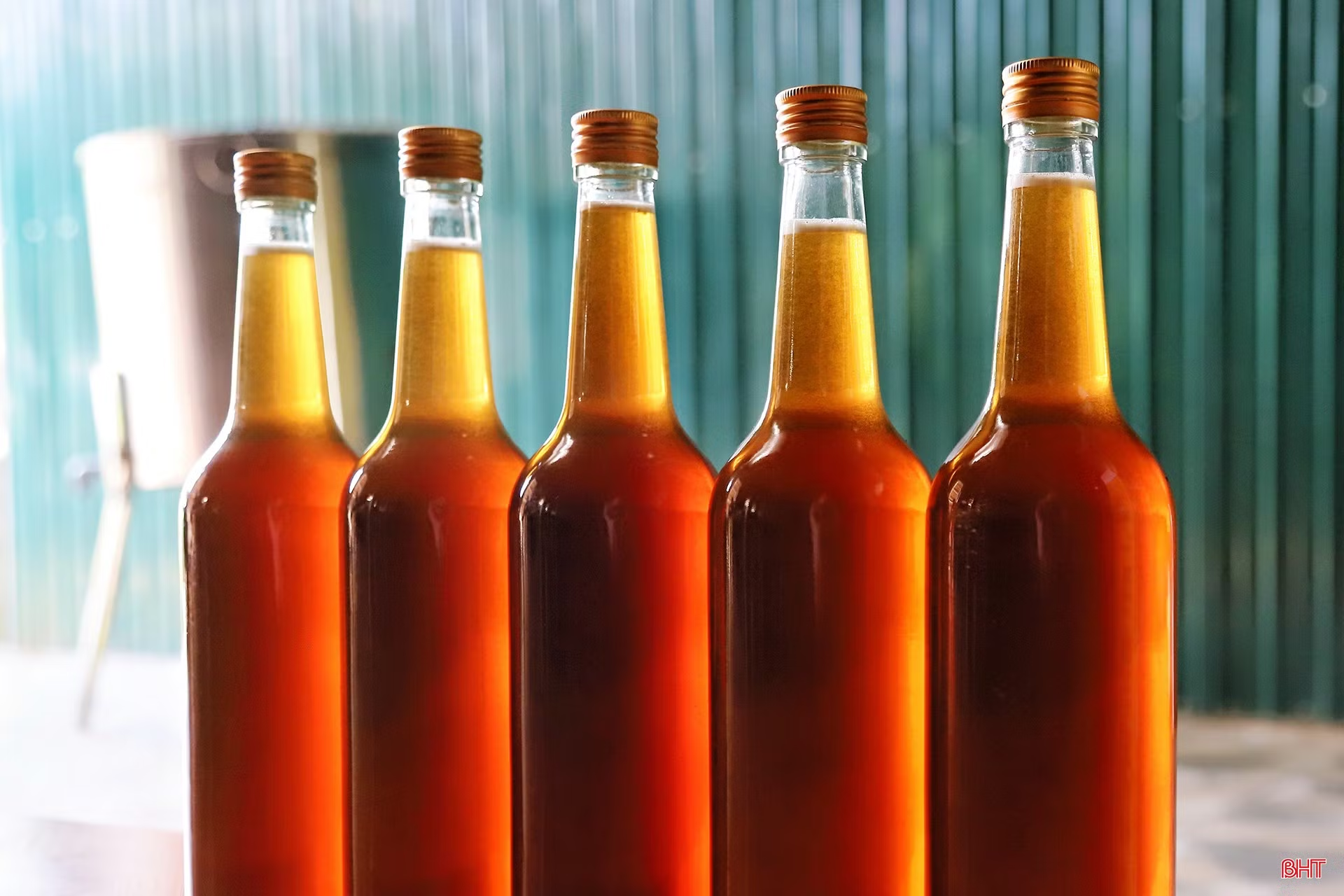
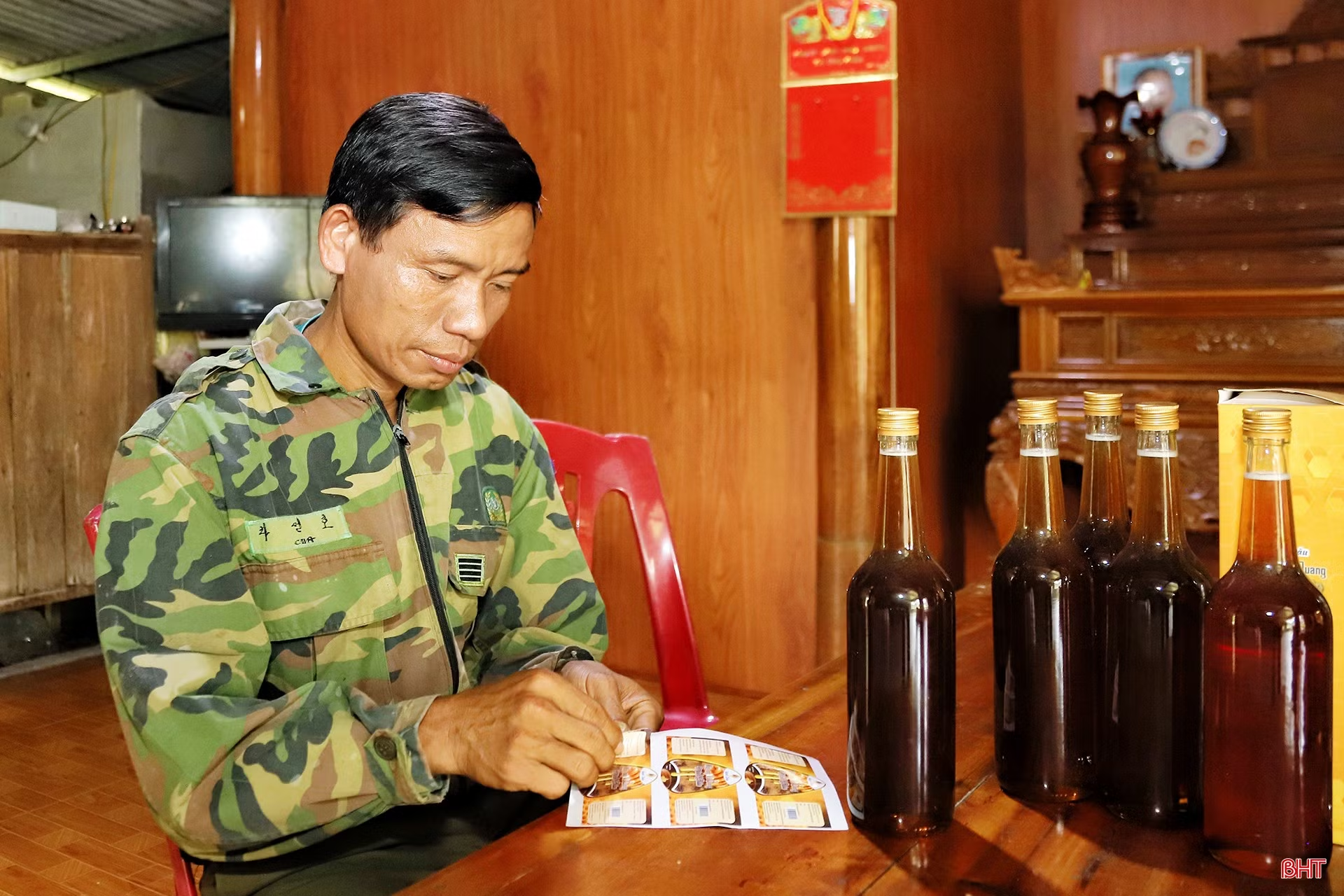
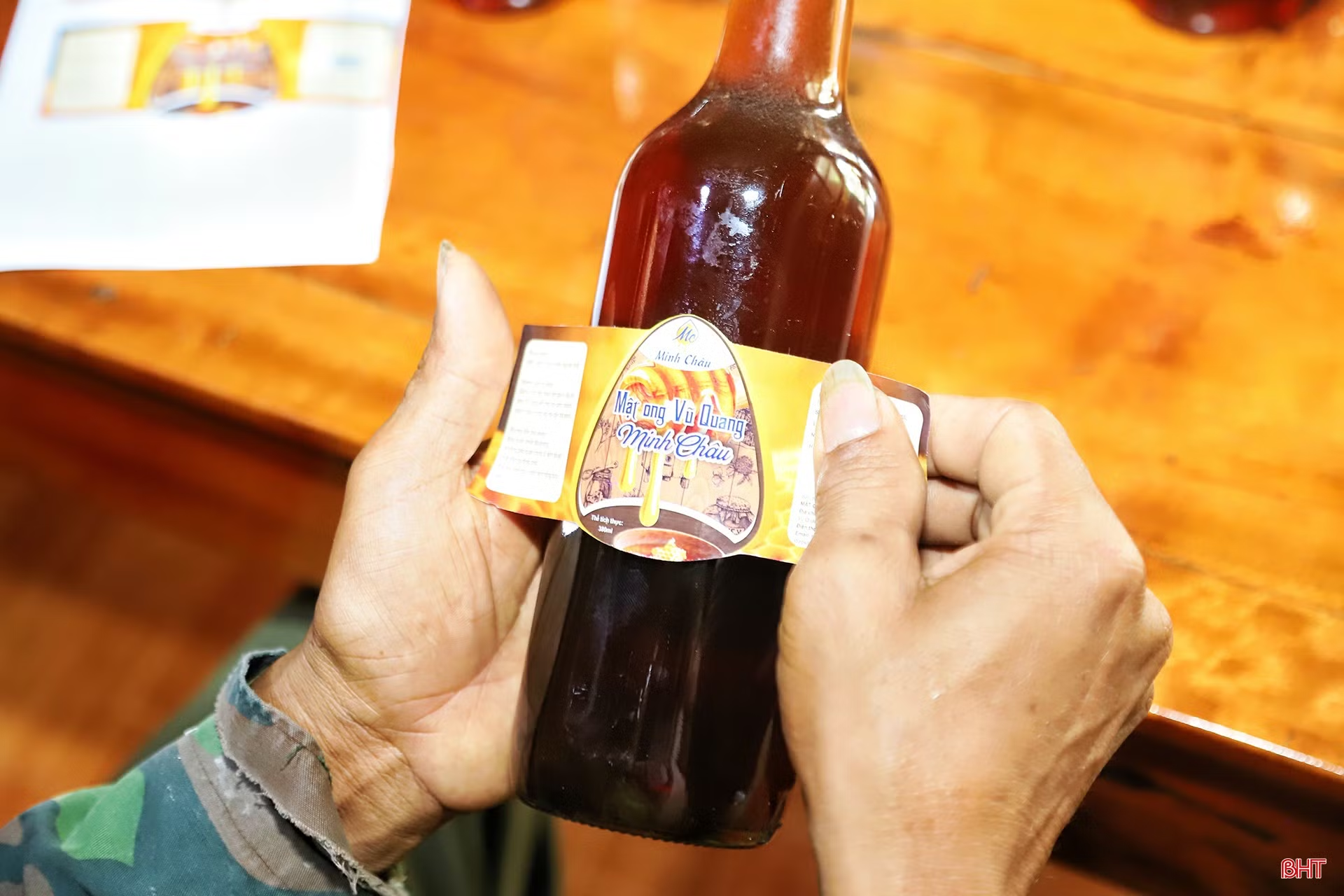
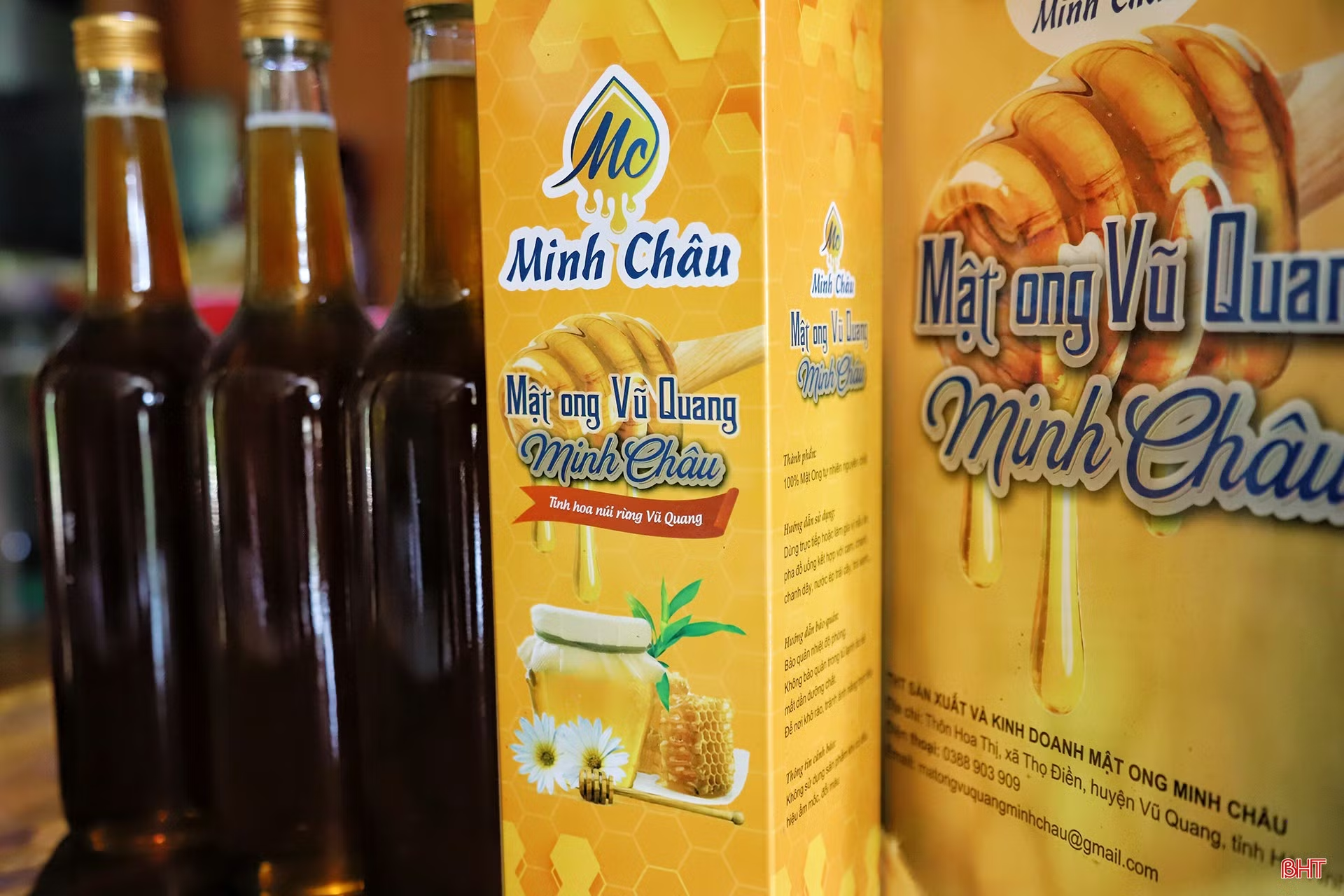
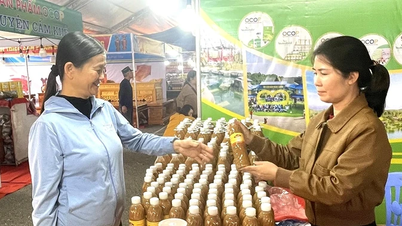
After cutting, we place the honeycomb frames into a honey extractor to separate the honey from the wax. The extraction process ensures that the honey flows out completely, preserving its natural flavor and consistency. The rotating device helps separate the honey from the wax without damaging the structure of the honeycomb. Thanks to this machine, our honey harvesting work has become faster, more efficient, and more hygienic compared to manual methods. After extraction, the honey is filtered and bottled into individual 650ml bottles. Each bottle of honey is golden yellow, thick, and retains its natural aroma. On average, I bottle 100-150 bottles per harvest. After that, I will affix a sticker to each bottle of honey to complete the product. Minh Chau honey products have been recognized as meeting OCOP 3-star standards, therefore, they are more widely accepted and trusted by customers. The label clearly states the origin, harvest time, and contact phone number, reassuring buyers about the quality and origin. Currently, each bottle sells for 100,000 - 120,000 VND. With beekeeping for honey production, I earn an average of 70 - 100 million VND extra per year.
Looking at the bottles of honey packaged after each harvest, I clearly see the fruits of my labor. The honey season not only brings a decent income to the people but also provides a stable product for the market, contributing to preserving the local beekeeping tradition.

 Báo Hà Tĩnh•31/03/2026






![[Photo] Conference announcing the Politburo's Decision on organizational and personnel matters](https://vphoto.vietnam.vn/thumb/1200x675/vietnam/resource/IMAGE/2026/04/01/1775017881825_bnd-2410-1472-jpg.webp)















![[Infographic] Hand, Foot, and Mouth Disease - Quick Recognition, Effective Prevention](https://vphoto.vietnam.vn/thumb/402x226/vietnam/resource/IMAGE/2026/04/01/1774995681201_fb_thum-cms-1-jpg.webp)




















































Comment (0)