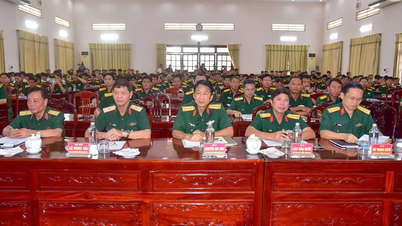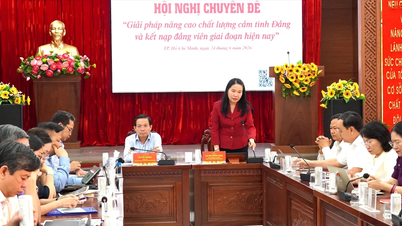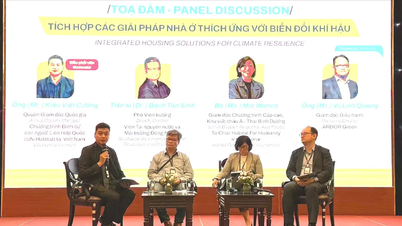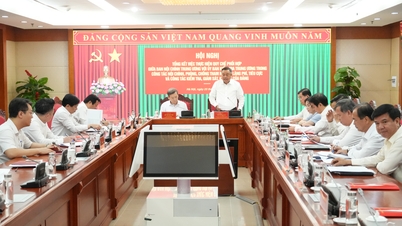
On the afternoon of June 23, Prime Minister Le Minh Hung chaired a meeting of the Government's Steering Committee on the development of science, technology, innovation, digital transformation, and Project 06 (hereinafter referred to as the Steering Committee) on promoting the development of science, technology, and innovation. The meeting was held in a hybrid format, combining in-person and online participation.
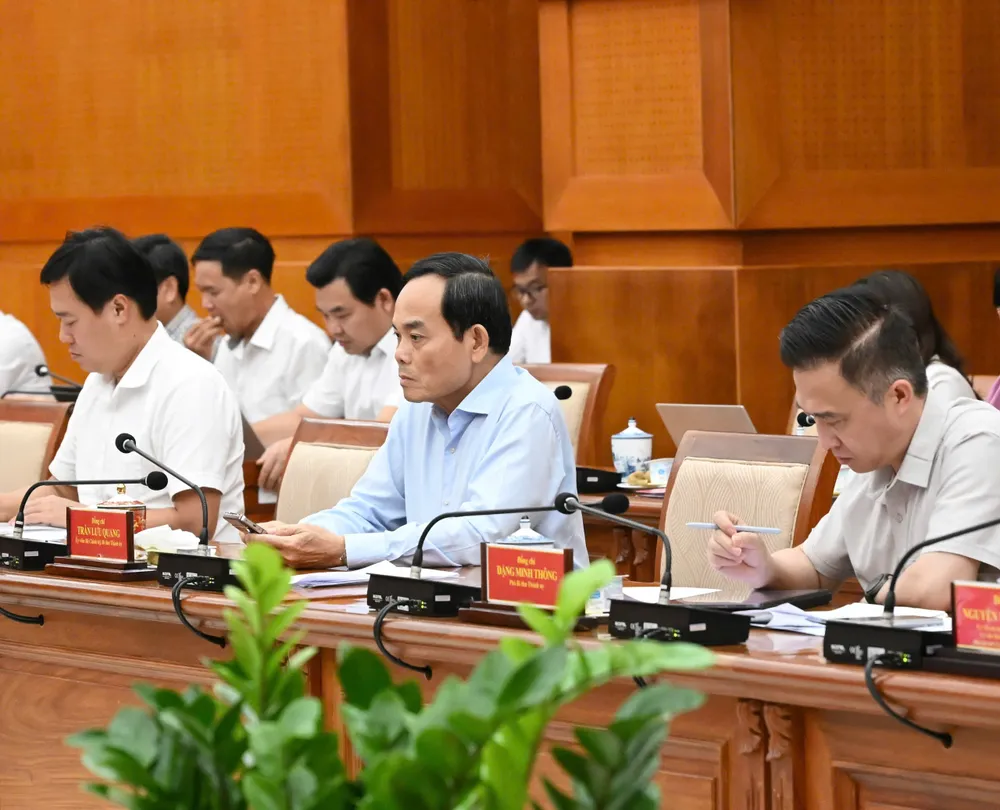
Attending the meeting via online connection from Ho Chi Minh City were: Tran Luu Quang, Member of the Political Bureau, Secretary of the Ho Chi Minh City Party Committee; Le Quoc Phong, Member of the Central Committee of the Party, Standing Deputy Secretary of the Ho Chi Minh City Party Committee; Dang Minh Thong, Deputy Secretary of the Ho Chi Minh City Party Committee; and other members of the Standing Committee of the Ho Chi Minh City Party Committee.
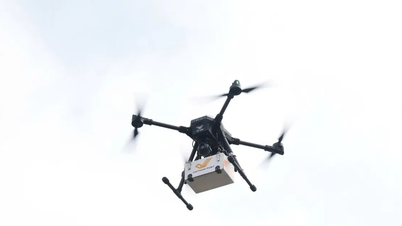
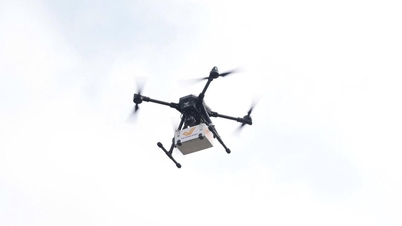
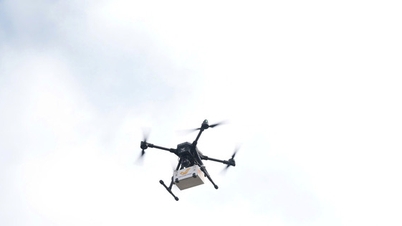
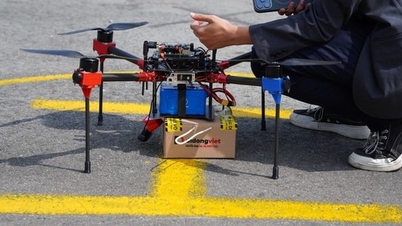
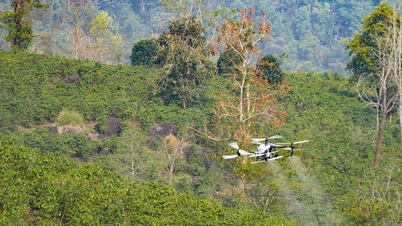
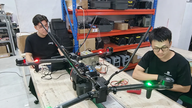
Pioneering sandbox testing for unmanned aerial vehicles.
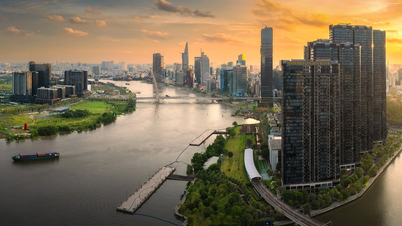
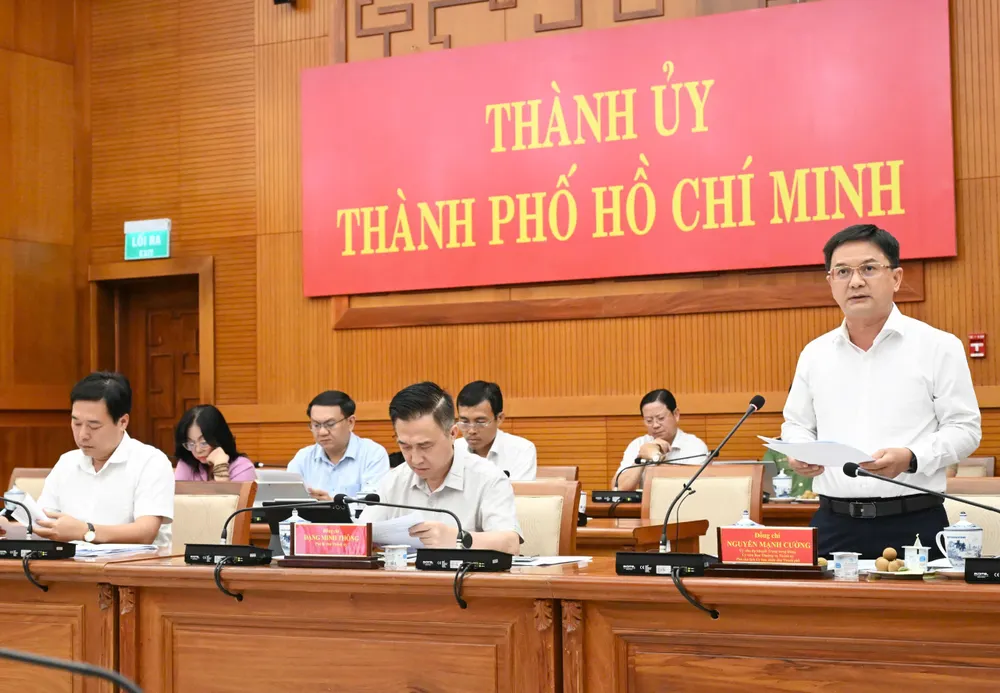
Presenting Ho Chi Minh City's paper, Vice Chairman of the People's Committee of Ho Chi Minh City, Nguyen Manh Cuong, stated that, in implementing Resolution No. 57-NQ/TW, the city has identified one of its key tasks as building a controlled testing mechanism (sandbox), creating a favorable environment for research, testing, commercialization of technology, and the development of innovative businesses. The city has simultaneously implemented many pilot models in practice.
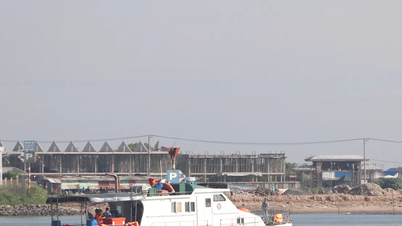
Ho Chi Minh City is a pioneer in implementing a controlled testing mechanism for unmanned aerial vehicles (UAVs) and autonomous vehicles at the Quang Trung High-Tech Park and Software Park. The city has developed evaluation procedures, testing infrastructure, and a coordinated management mechanism; and has received and supported many businesses to participate in testing in a real-world environment.
Simultaneously, the city launched the Can Gio - Vung Tau delivery route, opening up opportunities for low-level economic development and modern logistics. The city also implemented UAVs for monitoring protective forests and tested autonomous mobile robots for sweeping garbage at Quang Trung Software Park. Through these efforts, the city is gradually building management experience for new technologies before widespread deployment.
Establishing "policy sandboxes"

In addition to experimenting with technology, the city also established "policy sandboxes".
Specifically, the city is implementing the "Pilot Project on Policies to Incentivize the Commercialization of Research Results and Intellectual Property from the State Budget" to remove barriers to the transfer and commercialization of research results funded by the state budget. This aims to shorten the gap between laboratories and the market, promote the formation of science and technology enterprises, and develop the city's innovation ecosystem.
In the first round of submissions, the city attracted 54 proposals, with a total registered capital of approximately 500 billion VND (50% from non-budgetary sources), of which 41% came from the business sector. Currently, the second round continues to record more than 20 new proposals in the fields of semiconductors, biotechnology, and new materials. This shows the great demand from businesses for policy testing mechanisms to bring research results to market.
Furthermore, through the Project to build internationally accredited research centers (CoE), Ho Chi Minh City applies a flexible governance mechanism, attracts international experts, focuses investment on strong research groups, and grants greater autonomy to science and technology organizations. To date, the city has attracted 21 applications from 20 science and technology organizations, selecting 6 organizations to participate in the formation of excellent research centers with 7 science and technology programs, with a total investment of approximately 600 billion VND. Of these, 4 programs have been approved with a budget of approximately 300 billion VND. This is an important step towards enhancing research capacity to meet international standards and gradually mastering strategic technologies.
Regarding the development of an innovation ecosystem aimed at transforming technology into businesses and products, Ho Chi Minh City has approved a plan to develop a network of international-standard innovation centers.
To implement the project, the city has selected more than 600 innovative startup projects, organized more than 100 training programs for over 3,000 participants, and established a city-level venture capital fund with a charter capital of 500 billion VND (200 billion VND from the state budget), aiming to reach 5,000 billion VND by 2030 to support the growth of technology businesses.
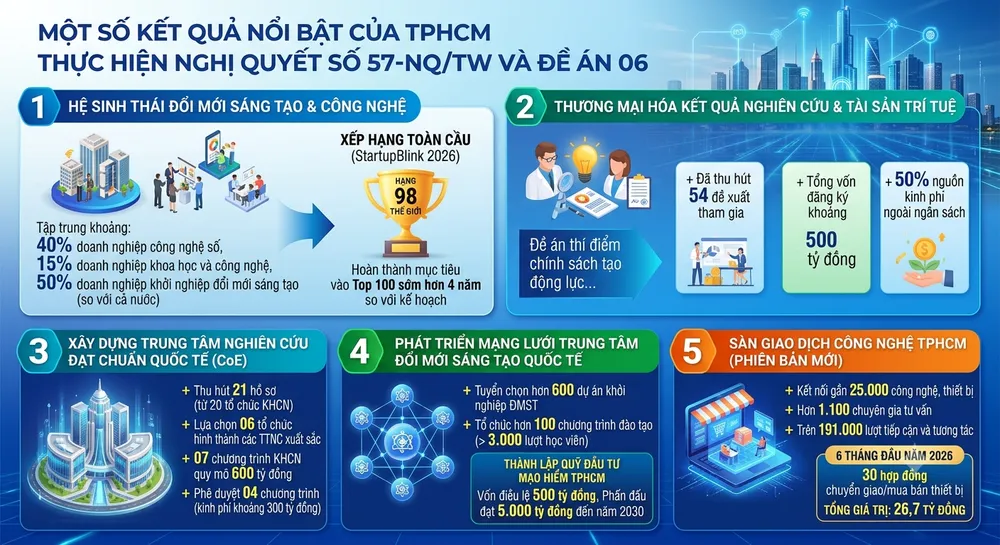
Simultaneously, to create a trading environment for specialized assets, the city has launched a new version of the Technology Exchange Platform. The platform currently connects nearly 25,000 technologies and devices; over 1,100 consulting experts; and has attracted over 191,000 visits and interactions. In the first six months of 2026 alone, 30 technology transfer and equipment purchase contracts were recorded with a total value of 26.7 billion VND. This demonstrates the gradual formation of a science and technology market operating according to market mechanisms.
“Practical implementation shows that, when given the right mechanisms, the business community, research institutes, and universities are willing to invest significant resources in innovation,” Comrade Nguyen Manh Cuong stated. He added that, in parallel with the implementation of the sandbox mechanism, Ho Chi Minh City has identified the important task of spreading models for developing technology businesses to other localities, contributing to building a synchronized innovation ecosystem nationwide.
3 key solutions


In the last six months of the year, Ho Chi Minh City focused on completing the legal framework for controlled testing mechanisms, removing barriers to commercialization, and developing testing regulations for new technologies. The focus was on establishing testing regulations for areas where the city is pioneering, especially low-level economies and unmanned aerial vehicles (drones). The city also collaborated with central government agencies to develop detailed guidelines on methods for valuing intellectual property and data to ensure the new version of the Technology Exchange operates more effectively.
Simultaneously, priority should be given to investing in strategic technology infrastructure, accelerating the implementation of the Ho Chi Minh City High-Tech Park expansion project; putting into operation a national-level shared microchip and semiconductor laboratory system at the Vietnam National University Ho Chi Minh City; developing a Biotechnology Center that approaches international standards; and completing technical consulting work to soon deploy super-scale AI data centers.
Ho Chi Minh City will also establish a network of sandboxes linking with other localities, creating conditions for new technologies to be tested, evaluated, and scaled up on a wider scale, contributing to the formation of a unified technology and innovation market nationwide.
Source: https://www.sggp.org.vn/tphcm-tien-phong-trien-khai-sandbox-cong-nghe-moi-post858774.html

![[Photo] Overview of the renovation and upgrading of the Ho Chi Minh Museum - Ho Chi Minh City Branch](https://vphoto.vietnam.vn/thumb/1200x675/vietnam/resource/IMAGE/2026/06/24/1782287051250_ndo_br_01-jpg.webp)
![[Image] Paris's oldest bridge goes viral after transforming into a giant cave.](https://vphoto.vietnam.vn/thumb/1200x675/vietnam/resource/IMAGE/2026/06/24/1782283441197_ndo_br_dsc05314-jpg.webp)


![[Photo] Opening Ceremony of the 13th National Congress of the Ho Chi Minh Communist Youth Union](https://vphoto.vietnam.vn/thumb/1200x675/vietnam/resource/IMAGE/2026/06/24/1782286753905_ndo_br_1-8510-jpg.webp)