H. CONTINUOUSLY HIGH BLOOD PRESSURE
Before being admitted to the National Children's Hospital ( Hanoi ), the 14-year-old male patient (residing in Nam Dinh) had persistently high blood pressure and had been examined and treated in many places with a diagnosis of glomerulonephritis, but his condition did not improve.
Recently, the patient was found to have bilateral adrenal tumors during a health checkup at a local hospital and was transferred to the Center for Endocrinology, Metabolism, Genetics and Molecular Therapy - National Children's Hospital. There, the patient underwent in-depth tests, ultrasound, and X-rays to accurately identify the tumors.
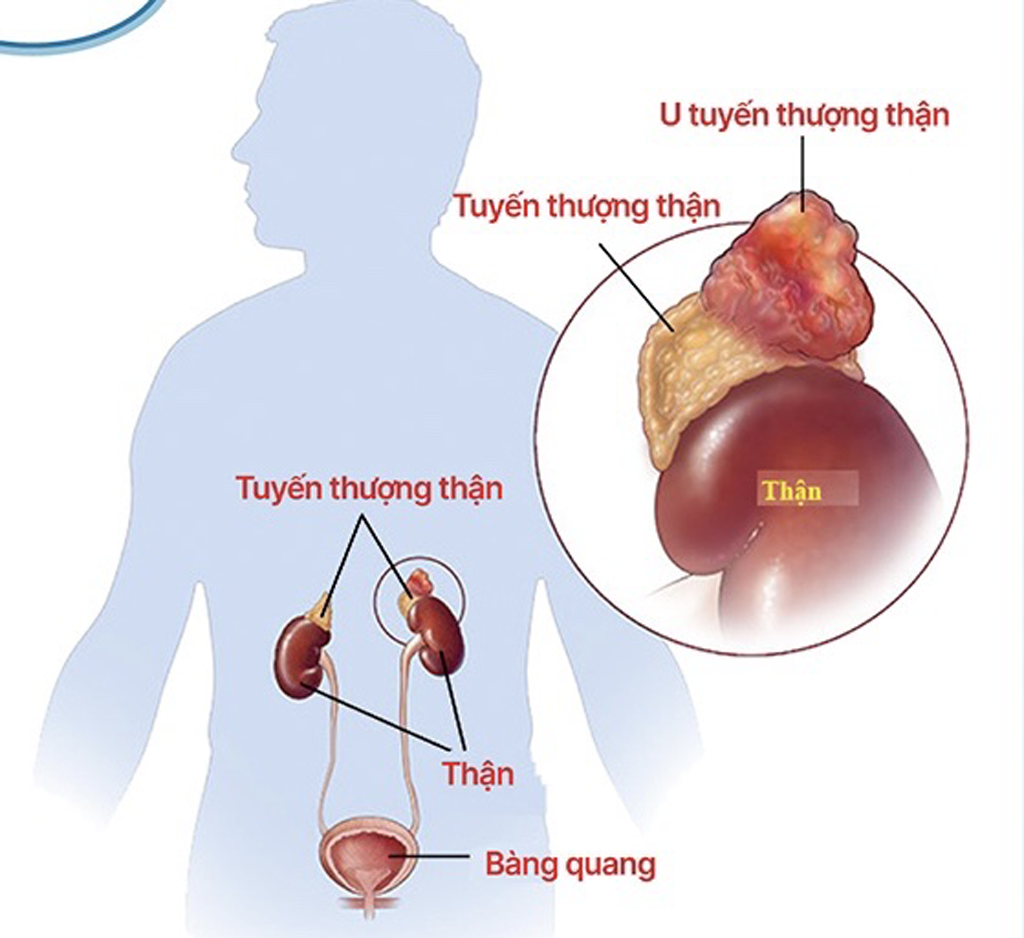
According to the National Children's Hospital, the adrenal gland consists of two parts: the adrenal medulla, which maintains blood pressure and heart rate; and the adrenal cortex, which secretes three types of hormones that mediate metabolic and immune responses, blood pressure, circulating volume, and electrolytes. In particular, the middle layer of the adrenal cortex secretes hormones that have anti-stress and anti-inflammatory effects, and participate in the metabolism of sugar, fat, and protein. The innermost layer of the cortex plays a role in sexual development during the fetal period. Therefore, adrenal hormones are crucial for human survival.



For cases involving unilateral adrenal gland tumors, doctors at the National Children's Hospital have encountered, treated, and surgically treated many such cases. However, this is the first time in about 20 years that a bilateral adrenal gland tumor has been encountered. Doctors consider this a complex case because removing both tumors would likely require removing both adrenal glands. Complete adrenalectomy can easily lead to acute adrenal insufficiency, hemodynamic instability, cardiac arrhythmias, salt and water metabolism imbalances, loss of the body's ability to cope with stress, and even death. The National Children's Hospital held an interdisciplinary consultation to develop a treatment plan.
One month prior to surgery, the patient received treatment to normalize blood pressure, minimizing dangerous hypertensive fluctuations during the procedure. Interventions were also undertaken to reduce catecholamine excretion into the bloodstream and lessen the risk of massive bleeding during surgery.
Subsequently, the patient underwent laparoscopic surgery to completely remove both adrenal gland tumors, while attempting to preserve a portion of the right adrenal gland. The surgery required meticulous attention to detail in every step, as touching the tumors could easily trigger a hypertensive crisis leading to cerebral hemorrhage, acute heart failure, or myocardial infarction.
Following surgery, the patient received intensive care to manage risk factors such as hemodynamic instability, hypotension; risk of hypoglycemia and electrolyte imbalances (hyperkalemia, hypokalemia); bleeding, and postoperative infection. Currently, the patient is stable, alert, and blood pressure has returned to normal.
Vague symptoms, easily overlooked.
Associate Professor Dr. Vu Chi Dung, Director of the Center for Endocrinology, Metabolism, Genetics and Molecular Therapy - National Children's Hospital, said that adrenal tumors are very rare, estimated at about 0.2 - 0.4%/100,000 people per year. They are even rarer in children, accounting for about 10% of all detected adrenal tumor cases; and bilateral adrenal tumors account for only about 10% of children with adrenal tumors. Each year, the National Children's Hospital treats approximately 1-2 patients with adrenal tumors.



Doctors note that adrenal gland tumors can present with symptoms such as headaches, high blood pressure, palpitations, and sweating. These symptoms are often vague and easily overlooked without a thorough clinical examination. Typically, if high blood pressure is present, the patient is more likely to be diagnosed with glomerulonephritis, and the condition is only discovered after further investigation and specialized tests, such as ultrasound.
Therefore, in addition to regular health check-ups, when children have symptoms of high blood pressure that cannot be controlled with medication, families should take them to a specialized hospital immediately for examination and proper diagnosis as soon as possible.
Source link