

The drugs are becoming less effective, and the bacteria are becoming more resistant.
For many years, antibiotics have been the "main weapon" of the pig farming industry. But now, antibiotic resistance is causing that weapon to gradually lose its effectiveness. According to studies in Vietnam, many common pig pathogens are showing increasingly higher levels of drug resistance each year. This is most evident in respiratory diseases – the group of diseases that cause the greatest losses to fattening pigs.
According to Associate Professor Vo Thi Tra An, Faculty of Animal Husbandry and Veterinary Medicine, Ho Chi Minh City University of Agriculture and Forestry, pathogens such as Pasteurella multocida, Haemophilus parasuis, Streptococcus suis, and Actinobacillus pleuropneumoniae … isolated from pigs in Vietnam are showing high levels of resistance to many types of antibiotics.
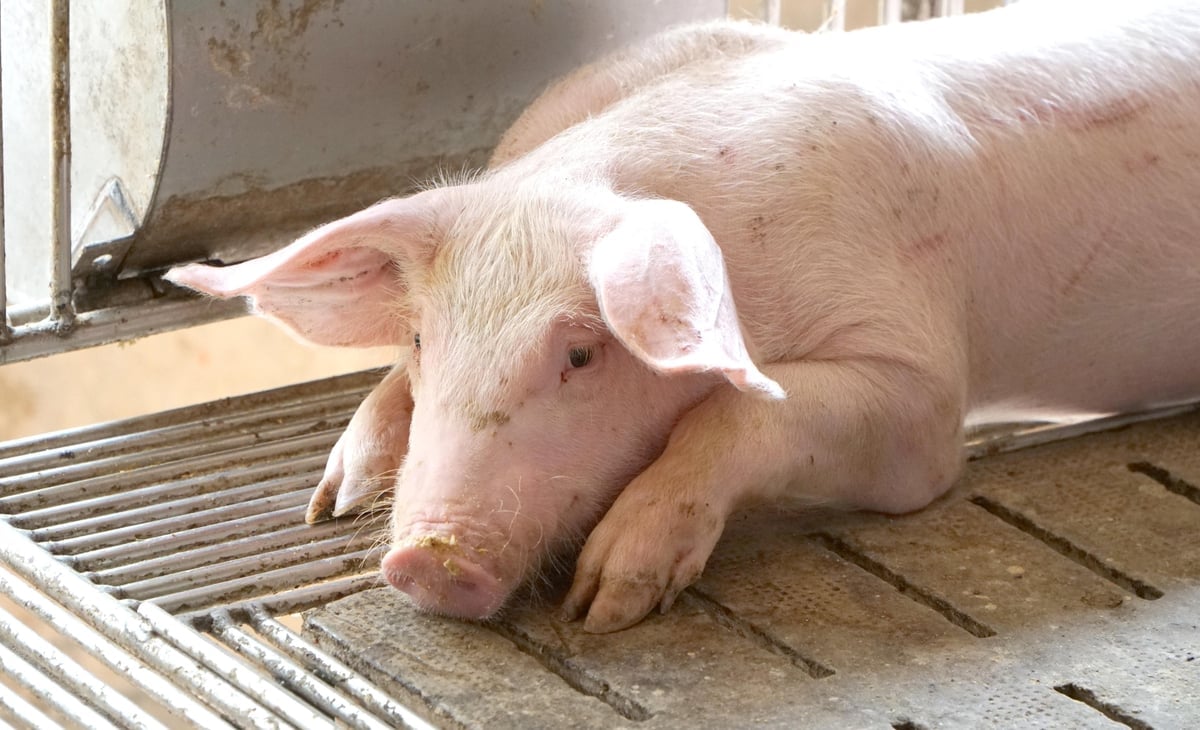
Currently, pigs are vulnerable to many dangerous diseases, from respiratory illnesses caused by multidrug-resistant bacteria to post-weaning diarrhea, in the context of increasingly ineffective antibiotics. This situation not only threatens animal health but is also closely related to human health through food and the environment. Photo: Le Binh .
Not only respiratory diseases, but also diarrheal diseases in piglets, which are heavily dependent on antibiotics, are becoming difficult to control. Many E. coli and Clostridium perfringens samples isolated from suckling piglets in the Southeast region show clear resistance to many commonly used drugs. When antibiotics lose their effectiveness, piglets are very susceptible to severe dehydration, rapid death, or even if they survive, poor growth and prolonged time to market.
Even more concerning, for almost 25 years, the veterinary industry has seen virtually no new antibiotic classes. Bacteria mutate rapidly, while medications remain unchanged.
In many farms, a common mistake is to administer antibiotics as soon as pigs show signs of fever and loss of appetite, even if the illness may be viral. For example, PRRS, PED, or African swine fever are all viral diseases, and antibiotics do not treat the underlying cause. However, due to the mentality of "if there's a disease, use medicine," many farmers still mix or inject antibiotics as a reflex, inadvertently creating an environment for bacteria to survive, adapt, and become resistant to the antibiotics.
Another common mistake is "estimated dosing." Medication is added to the water tank based on years of routine, without considering the actual amount of water consumed or the weight changes of the herd. When sick pigs stop eating and drink less water, the amount of medication entering the body is insufficient to kill the bacteria, making them more resistant. Conversely, overdosing can cause poisoning or damage to the pigs' liver and kidneys.
The way medication is discontinued is also a problem. Many farmers stop antibiotics when they see the pigs getting better, resulting in the bacteria not being completely eradicated. These remaining bacteria are more resistant to the antibiotics, becoming a new source of infection. In many cases, the pigs only need 3-5 days of treatment to recover, but because treatment is stopped too early, the disease flares up again half a month later, incurring additional costs and increasing the risk of death.
All these shortcomings are silently undermining the livestock industry's treatment tools, leaving farmers facing more risks than ever before.
Vietnam is one of the countries with high antibiotic use, with over 2,751 tons per year, of which the pig farming industry accounts for about 1,600 tons - exceeding the amount used in medicine . As a consequence, many bacteria in pigs, such as E. coli, Salmonella, and Streptococcus suis, have become resistant to antibiotics, threatening the health of livestock and humans, from allergies and intestinal microbiome imbalances to the risk of genetic mutations and cancer when using banned antibiotics.
Use medication correctly, in sufficient quantities, and appropriately to maintain treatment effectiveness.
If pig farming is becoming increasingly difficult to treat, what should be done? According to Associate Professor Dr. Vo Thi Tra An, the most important key to combating antibiotic resistance is responsible drug use, meaning using the right medication when needed and using it effectively to maintain long-term efficacy. In particular, farmers need to adhere to 5 principles:
Correct diagnosis: Not all illnesses require antibiotics. Diarrhea in pigs due to digestive disorders, coughs caused by weather changes, or fevers due to viruses do not require antibiotics. The focus is on correctly diagnosing the cause through lesions, symptoms, vaccination history, or the opinion of a veterinarian.
The right medication: Each type of bacteria is only sensitive to certain groups of drugs. A drug that was effective in the past does not necessarily mean it will still be effective now. If conditions permit, the results of an antibiotic sensitivity test should be used. In practice, veterinarians will base their choice on clinical experience and characteristic symptoms.
Correct dosage: The dose is calculated in mg of medication per kg of pig body weight. Failure to weigh the pig or measure daily water intake can easily lead to underdosing. When sick pigs drink little water, consider switching to intravenous administration or increasing the drug concentration in the water (as directed by a specialist).
Proper administration: Each medication has a different method of administration: injectable medications are absorbed quickly, oral medications require proper preparation, and mixed medications require thorough mixing in the correct proportions. Using the wrong route of administration or improper preparation techniques will reduce effectiveness.
Timely treatment: Treatment must be completed for the prescribed number of days. Discontinue medication on time before sale to ensure food safety and compliance with regulations.
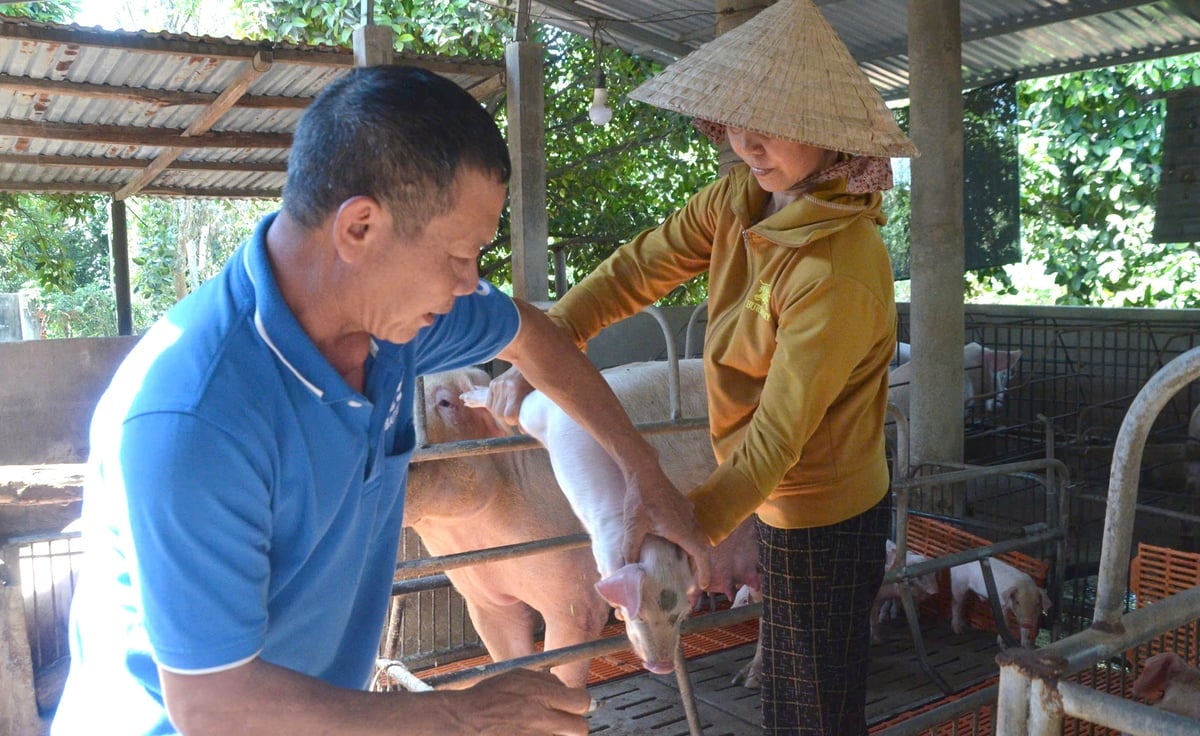
To reduce the risk of disease outbreaks and limit antibiotic resistance, proper pig care techniques, a focus on proactive disease prevention, and treatment according to the "5 correct principles" are extremely important, helping to keep the pig herd healthy, highly productive, and safe for consumers. Photo: Le Binh .
In addition to using the correct medication, comprehensive treatment must include fever reduction, anti-inflammatory drugs, expectorants, and fluid and electrolyte replacement. This is crucial for the pigs' rapid recovery. With viral diseases like PRRS, supportive care largely determines the effectiveness, while antibiotics only help prevent opportunistic infections.
Furthermore, the current trend worldwide and in Vietnam is to gradually reduce reliance on antibiotics and increase alternative solutions. Thanks to the application of probiotics, organic acids, enzymes, herbs, and improved farm environments, many farms have reduced antibiotic use by 30-50% while maintaining productivity.
Since 2020, Vietnam has completely banned the use of antibiotics in animal feed for disease prevention. This lays the groundwork for sustainable, safe livestock farming that meets export standards. To adapt, farmers need to strengthen biosecurity, ensure full vaccination, reduce stocking density, and manage herd health more closely.
Finally, keeping records of medications used, dosages, durations, and treatment effectiveness is a crucial habit to avoid repeating mistakes. Farmers who adhere to this process typically have lower treatment costs, healthier herds, and safer products.
Sustainable livestock farming is not about eliminating antibiotics, but about using them correctly and responsibly. When farmers change their drug use practices, reduce overuse, and increase alternative solutions, the pigs become healthier, farms save costs, and the risk of antibiotic resistance is effectively controlled.
Source: https://nongnghiepmoitruong.vn/tri-benh-cho-heo-ngay-cang-kho-d786161.html




![[Photo] “Red Journey” 2026: Vietnamese Youth Continue Building the Bridge of Friendship Between Vietnam and China](https://vphoto.vietnam.vn/thumb/1200x675/vietnam/resource/IMAGE/2026/04/20/1776629730866_4055880775670638308-9618-4200-jpg.webp)

















![OCOP during Tet season: [Article 4] Elevating local products](https://vphoto.vietnam.vn/thumb/402x226/vietnam/resource/IMAGE/2026/01/29/1769652810578_2935-z6982071462129_649e82db06fb2f2ea701388b1f5f5b0b-173322_176-185229-202804_457.jpeg)































































Comment (0)