

(CLO) China has imposed retaliatory tariffs on a range of US agricultural products following Washington's tariff increase, escalating trade tensions between the two countries to a dangerous level.
China quickly retaliated against the new US tariffs by announcing additional import tariffs of 10% to 15% on a range of US agricultural and food products.
This move increased tensions between the world's two largest economies , pushing relations between the two countries closer to a full-blown trade war.
Beijing also imposed export and investment restrictions on 25 American companies, citing national security reasons. However, China did not impose the same harsh sanctions as it did in response to the Trump administration in early February.
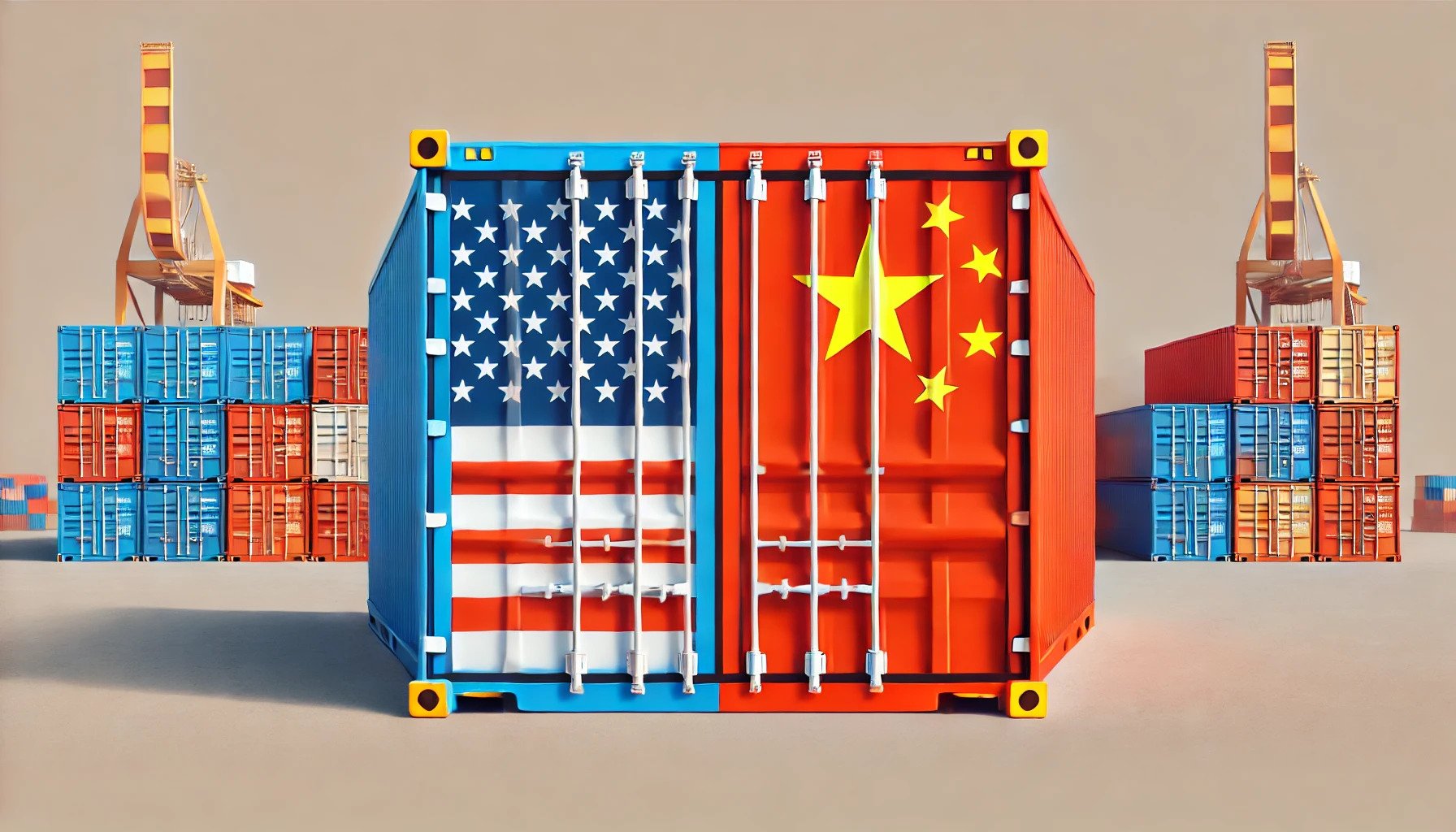
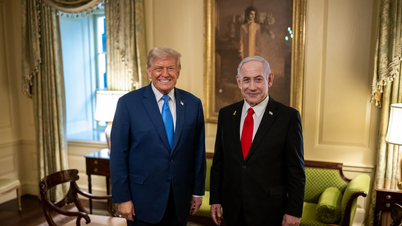
President Trump announced he would increase tariffs on Chinese imports by 10% starting March 4th. (Image: AI)
These retaliatory tariffs were imposed after the US officially applied an additional 10% tariff on Chinese goods from 05:01 GMT on March 4th. Washington's decision was in response to "China's inaction" in controlling the components used to produce fentanyl – a dangerous synthetic drug that is flooding into the US.
Beijing refuted the accusation, asserting that the US was using fentanyl as a blackmail tool and emphasizing that China has some of the world's strictest anti-drug policies.
Analysts believe China still wants to find an agreement to de-escalate tensions, but the risk of it escalating into a full-blown trade war is very high.
The US has consistently increased trade pressure on China, particularly last year when the administration of former President Joe Biden doubled tariffs on Chinese semiconductors to 50% and quadrupled tariffs on Chinese electric vehicles to over 100%.
The new 20% US tariff will apply to many consumer electronics imported from China, such as smartphones, laptops, gaming consoles, smartwatches, speakers, and Bluetooth devices.
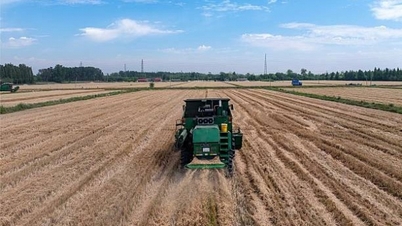
Immediately after these tariffs took effect, China had previously announced it would impose an additional 15% tariff on US goods such as chicken, wheat, corn, and cotton, and a 10% tariff on soybeans, sorghum, pork, beef, seafood products, fruits, vegetables, and dairy imported from the US, starting on March 10th.
China's Ministry of Commerce accused the United States of seriously violating World Trade Organization (WTO) rules and undermining the foundation of economic cooperation between the two countries. Beijing declared it would "resolutely defend its legitimate rights and interests" amid escalating trade tensions.
Besides China, two other major US trading partners, Canada and Mexico, will also face a 25% tariff on most exports, with the exception of energy, which will be taxed at only 10%. This is the latest move in Trump's protectionist trade policy aimed at reducing the trade deficit and protecting domestic industries.
Economists warn that prolonged trade tensions could negatively impact both economies. China's reduction in US agricultural imports could significantly harm American farmers, while Washington's retaliatory measures could increase the price of imported goods, affecting inflation and consumer purchasing power.
Some Chinese companies have shifted exports to other countries such as Vietnam and Mexico to avoid US tariffs, while ASEAN has become China's largest export market since 2023.
China's total exports are projected to increase by 5.9% in 2024, reaching $3.58 trillion, with exports to the US accounting for less than 15%. This indicates that China is gradually reducing its dependence on the US market, a trend that began in 2018 when President Trump started the trade war.
However, observers believe the two countries may sit down for negotiations in June, when Trump may meet with Chinese President Xi Jinping. The escalating tariffs could put pressure on both sides to seek an agreement to avoid greater damage to both economies.
Hoai Phuong (according to Global Times, SCMP, Newsweek)
Source: https://www.congluan.vn/trung-quoc-dap-tra-thue-quan-my-cang-thang-thuong-mai-leo-thang-post336982.html









































![[Video] Sunset at Lap An Lagoon – Where the sun sets over the fishing nets](https://vphoto.vietnam.vn/thumb/1200x675/vietnam/resource/IMAGE/2026/05/31/1780192137701_beach-landscape-sea-water-nature-grass-745871-pxhere-com.jpeg)

























Comment (0)