

Opening a new strategic transportation route for the North.
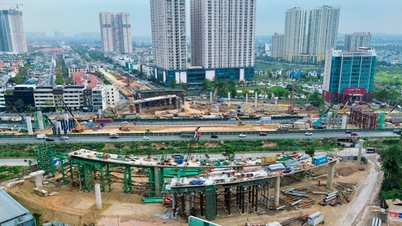
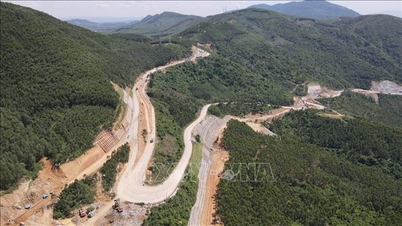
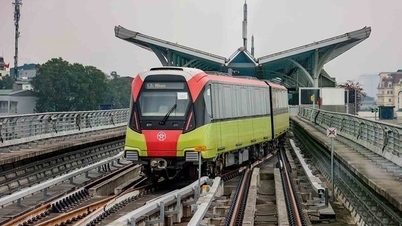
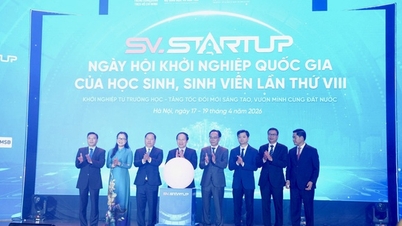
On December 19th, the Lao Cai - Hanoi - Hai Phong railway project officially commenced its first component, marking the start of one of the largest transportation infrastructure projects in the country. With a total investment of over 203,000 billion VND (approximately 8.3 billion USD), this nearly 400km new railway line is expected to form a strategic transportation axis connecting international border gates with the seaport system, creating momentum for economic and logistics development in the Northern region.
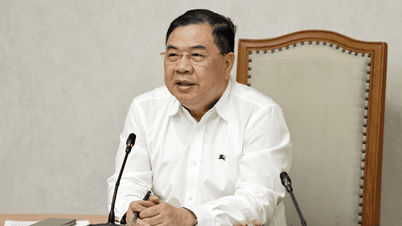
Speaking with a reporter from the Vietnam Law Newspaper, Mr. Mai Minh Viet, Acting Director of the Railway Project Management Board ( Ministry of Construction ), said that this is a large-scale project, the first time Vietnam has implemented a completely new railway line according to modern standards, requiring high technical standards and complex construction organization. According to Mr. Viet, the pressure to meet deadlines is immense, but this is an important political task, demonstrating the determination of the Government and the Ministry of Construction in realizing national strategic infrastructure projects. The Railway Project Management Board will continue to strengthen quality control, progress monitoring, and construction safety throughout the implementation process.
The Lao Cai - Hanoi - Hai Phong railway line is a completely new investment, with a main line length of approximately 390.9km, along with nearly 27.9km of branch lines, passing through six key northern provinces: Lao Cai, Phu Tho, Hanoi, Bac Ninh, Hung Yen, and Hai Phong. The line uses a standard 1,435mm gauge, is electrified, and transports both passengers and freight simultaneously. The maximum design speed is 160km/h on the main sections in Lao Cai, 120km/h through the Hanoi area, and 80km/h for the remaining sections. The entire project is funded by the state budget, with the goal of completing the entire line no later than 2030.
Component Project I (scheduled to commence today) focuses on constructing technical infrastructure items in the station area, station square, and initial connecting works, with a total investment of approximately 3,299 billion VND. This is identified as a crucial preparatory step, creating the necessary groundwork and conditions for the implementation of the main railway line construction packages in the next phase.
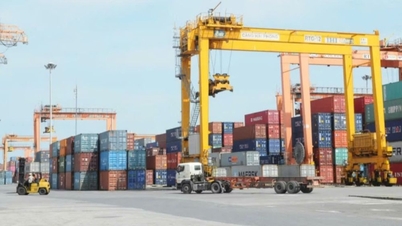
Mr. Viet shared that the Lao Cai - Hanoi - Hai Phong railway line holds particularly important economic significance as it forms a strategic transportation axis directly connecting the northern border region with the international gateway seaport system. Investing in a modern railway line capable of transporting large volumes at low costs will contribute to restructuring transportation methods, reducing pressure on road transport, and thereby lowering logistics costs – a major bottleneck for the economy for many years. With shortened transport times, improved stability and safety of the supply chain, and enhanced competitiveness of export goods, especially agricultural products, minerals, and processed industrial goods from the northern mountainous and midland provinces, will be significantly improved.
Beyond its role as transportation infrastructure, the Lao Cai - Hanoi - Hai Phong railway line opens up new economic development opportunities along the connecting corridor. Built upon the railway infrastructure, logistics centers, industrial zones, warehouses, supply chain services, and urban areas connected to railway transport will have the conditions to form and develop, promoting investment attraction, especially private investment. This is a crucial driving force for redistributing development space, reducing pressure on large cities, while simultaneously creating jobs, increasing production value, and boosting budget revenue for localities.
Notably, as an international transit route, the project facilitates Vietnam's enhanced connectivity with the Chinese and regional markets, enabling deeper participation in regional supply chains and logistics networks. This is considered one of the foundational infrastructures contributing to the realization of rapid and sustainable growth, aiming for double-digit growth in the coming period as outlined by the Party.
The commencement of the Lao Cai - Hanoi - Hai Phong railway line therefore carries profound political and economic significance in the atmosphere of nationwide emulation to achieve accomplishments in chào mừng the 14th National Congress of the Party. The project clearly demonstrates the determination of the Party and the State in realizing strategic breakthroughs in infrastructure, considering infrastructure as a prerequisite for development, creating a solid foundation to realize the aspiration of rapid and sustainable national development and enhancing Vietnam's position in the region and internationally.
These electrical projects demonstrate the outstanding construction capabilities of the Vietnamese people.
The Hoa Binh Hydroelectric Power Plant is a project of immense significance to Vietnam's socio-economic development, providing a large amount of electricity to the national power grid, supplying water for crop cultivation, and contributing to flood control in the North. In particular, it plays a crucial role in ensuring the safety of the national power grid during periods of extreme heat.
In 2026, the government aims for a 10% growth rate, and to achieve this goal, "electricity must be one step ahead." Given the long period without significant power supply to the system, the construction of the expanded Hoa Binh Hydropower Plant is particularly significant as it will provide the North with an additional 480MW of electricity from the 2026 dry season.

Energy expert Nguyen Huy Hoach assessed that the expansion of the Hoa Binh Hydropower Plant is significant not only for increasing peak load capacity for the power system but also for utilizing the "white gold" that generations of talented Vietnamese and Soviet engineers built for Vietnam since the 1990s. Dr. Hoach analyzed that the Hoa Binh Hydropower Plant has to release floodwaters from June to September annually and supply water to the downstream areas in January and February for agricultural production through the spillway system (without going through the power generation units), which is a waste of water. Therefore, adding these two units serves not only the purpose of meeting peak load but also to utilize the released water for electricity generation.
The Hoa Binh Hydropower Plant expansion project has a total investment of over 9,220 billion VND, with an average annual electricity generation of approximately 488.3 million kWh/year. Currently, two generating units have been connected to the national grid, which will help increase the capacity to meet the load demand in the Northern region, especially during peak hours. This will contribute to increased operational flexibility, reliability, and safety of the power system... At the same time, it will help reduce production costs of the system while ensuring stable and absolutely safe operation for the plant and downstream areas.
According to Mr. Pham Hong Phuong, Deputy General Director of Vietnam Electricity Group (EVN), the construction forces faced numerous difficulties in bringing the Hoa Binh Hydropower Plant expansion project to completion on schedule. Rarely does a hydropower construction site have such a small, narrow construction area right next to an existing plant as this project. During the final stages, unfavorable weather significantly impacted the project's progress. Furthermore, the dismantling of the cofferdam at the end of May 2025 coincided with the peak electricity demand in the North, thus requiring the simultaneous fulfillment of a "dual objective": ensuring electricity production at hydropower plants on the Da River while meeting the project's tight deadline.
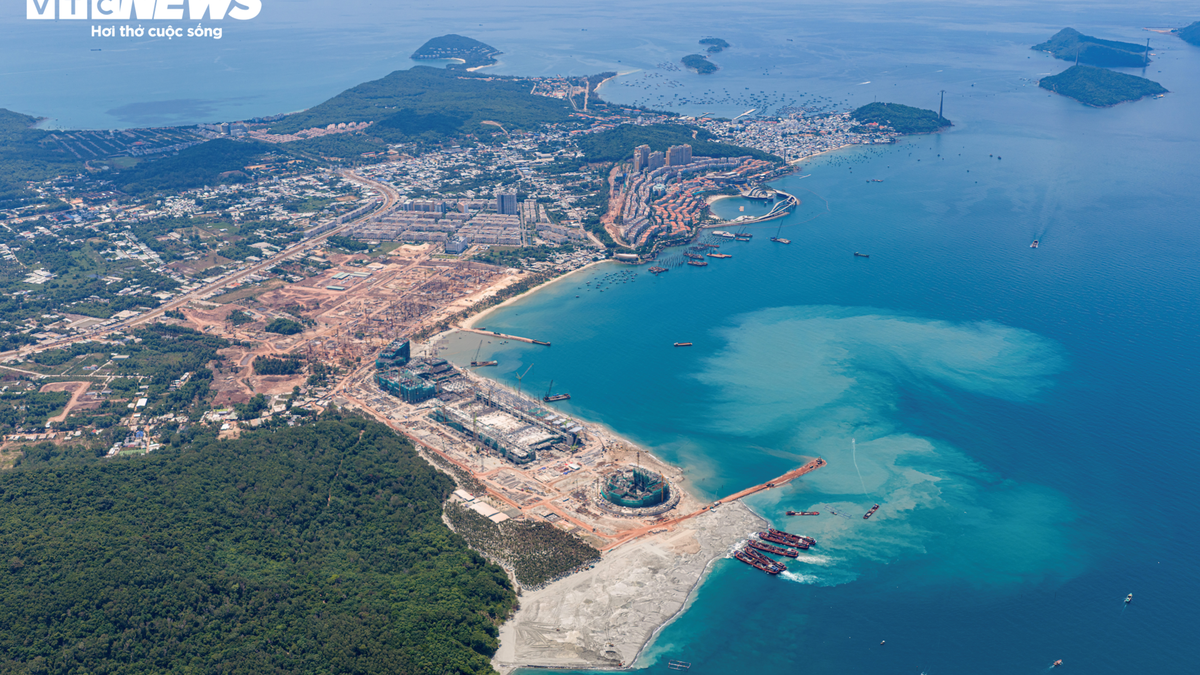
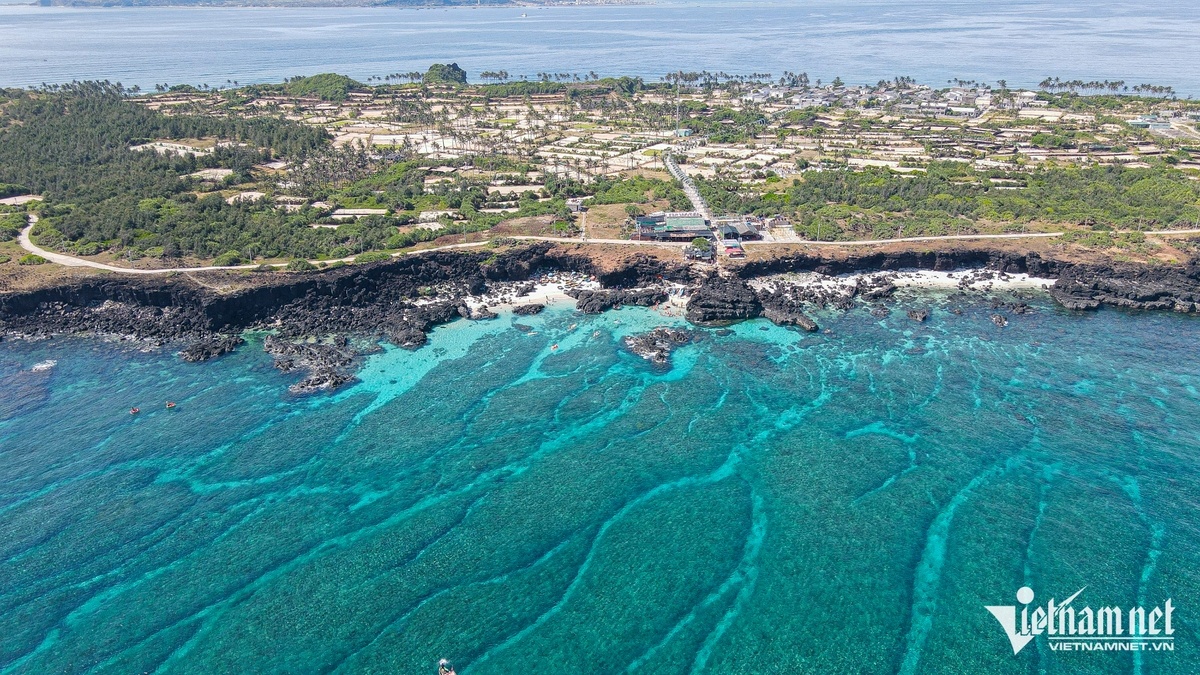
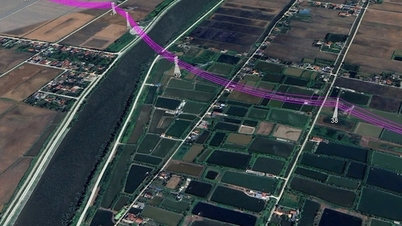
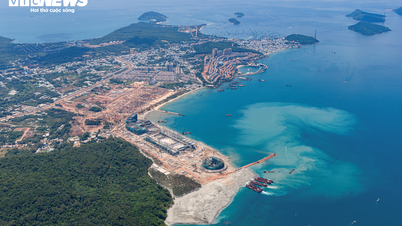
Besides the Hoa Binh Hydropower Plant expansion project, another important energy project was inaugurated on December 19th: the project to supply electricity from the national grid to the Con Dao Special Economic Zone. This is a significant milestone in realizing the national energy infrastructure development strategy, demonstrating the determination of the Government, the electricity sector, and the units involved in the project to care for and develop infrastructure for the coastal and island areas of the country.
This project, invested by EVN with over 4,920 billion VND, aims to ensure a safe, continuous, and stable electricity supply for the Con Dao Special Economic Zone (29MW by 2026, 55MW by 2030, and 90MW from 2035), replacing on-site diesel power generation sources, reducing electricity production costs, limiting greenhouse gas emissions, and contributing to Vietnam's commitment to emission reduction and sustainable development.
According to EVN leaders, this project is considered the most complex of all EVN's offshore power supply projects to date, with a total construction time of less than 9 months. Furthermore, the project marks the first time that domestic consulting firms have completely undertaken the survey, design, and main supervision of a project, and also the first time a Vietnamese contractor has conquered the "big waves" to carry out trench excavation and lay 110kV submarine cables offshore...
Source: https://baophapluat.vn/truoc-gio-nhan-nut-nhung-cong-trinh-lich-su.html













































































Comment (0)