

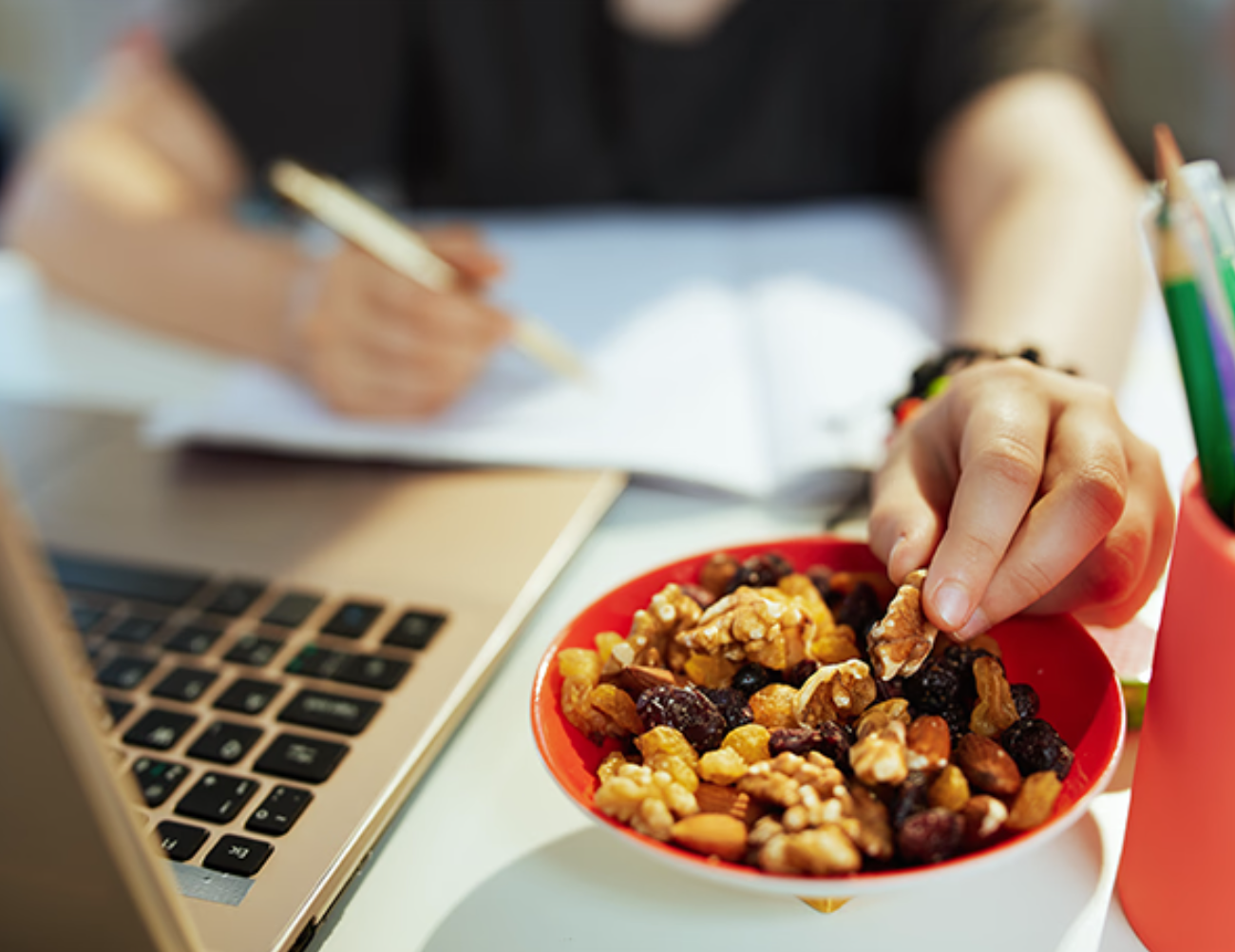
As exam season approaches, besides reviewing knowledge, nutrition becomes a major concern for many students and parents. From Japan and South Korea to European countries, many foods are considered "helpers" to maintain alertness, increase concentration, and reduce fatigue during stressful exam days. While no "superfood" can replace studying, experts believe that a proper diet can contribute to supporting brain function.
Japanese people prefer fish rich in omega-3.
In Japan, fish has long been a familiar part of school meals, especially during exam preparation periods.
Nutritional studies show that fatty fish such as salmon, mackerel, and sardines are rich in omega-3 fatty acids, especially DHA – an important component of the brain. Several observational studies have noted that regular fish consumption is associated with better memory and academic performance.
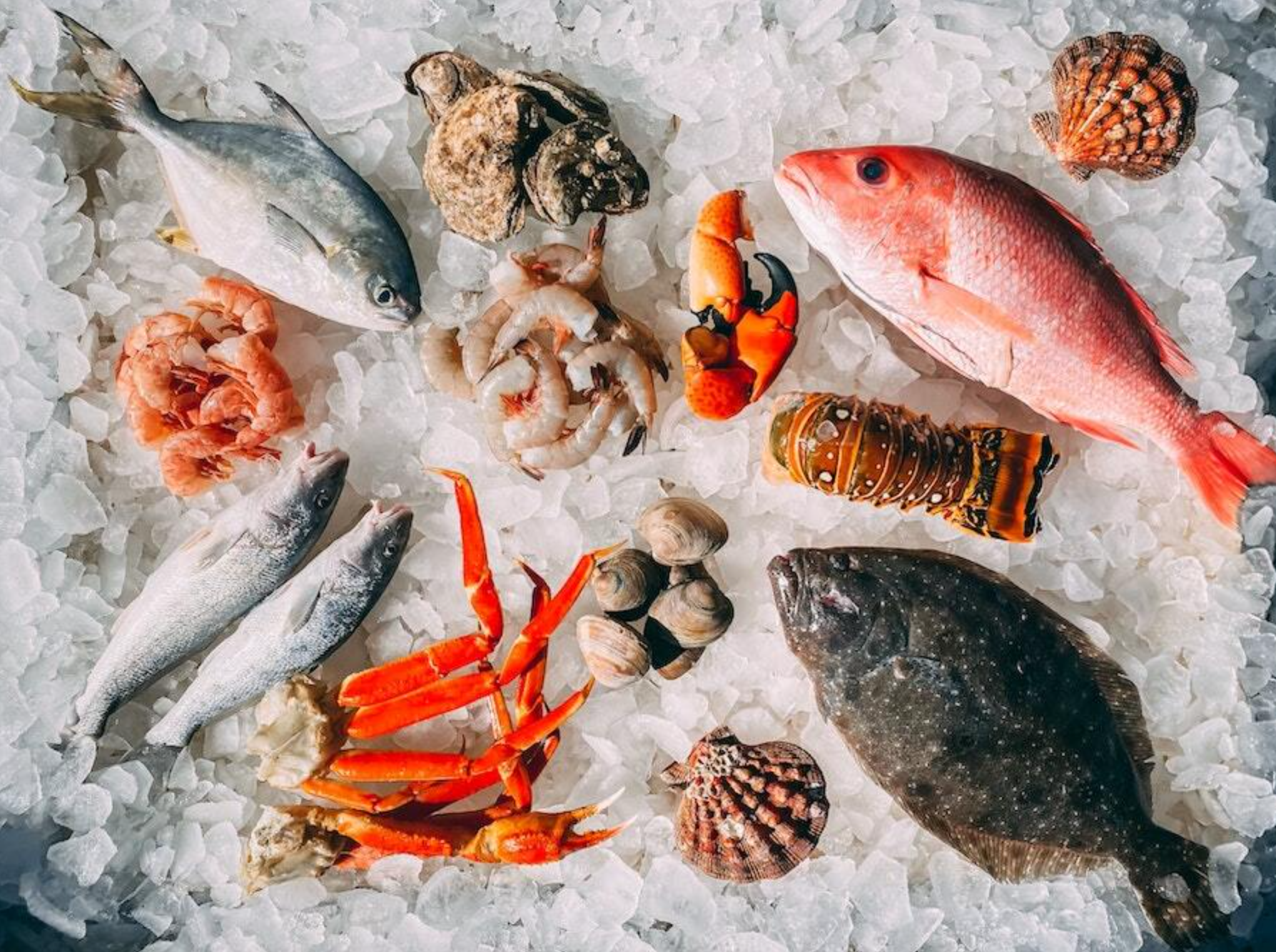
In Japanese culture, grilled fish dishes, salmon rice bowls, or mackerel in miso sauce are common on students' menus during exam season. Many families consider these to be healthy sources of nutrition that help maintain energy and concentration.
South Korea prioritizes nuts and seaweed.
In South Korea, the Suneung college entrance exam season is considered one of the most important events of the year. Besides foods believed to bring good luck, many parents focus on supplementing their children's diets with foods rich in healthy fats, such as walnuts, almonds, and other nuts.
Recently, a study by the University of Reading (UK) showed that breakfast supplemented with walnuts improved participants' memory and reaction speed for hours after eating. Researchers suggest that the omega-3 fatty acids, protein, and polyphenols in these nuts may contribute to cognitive function.
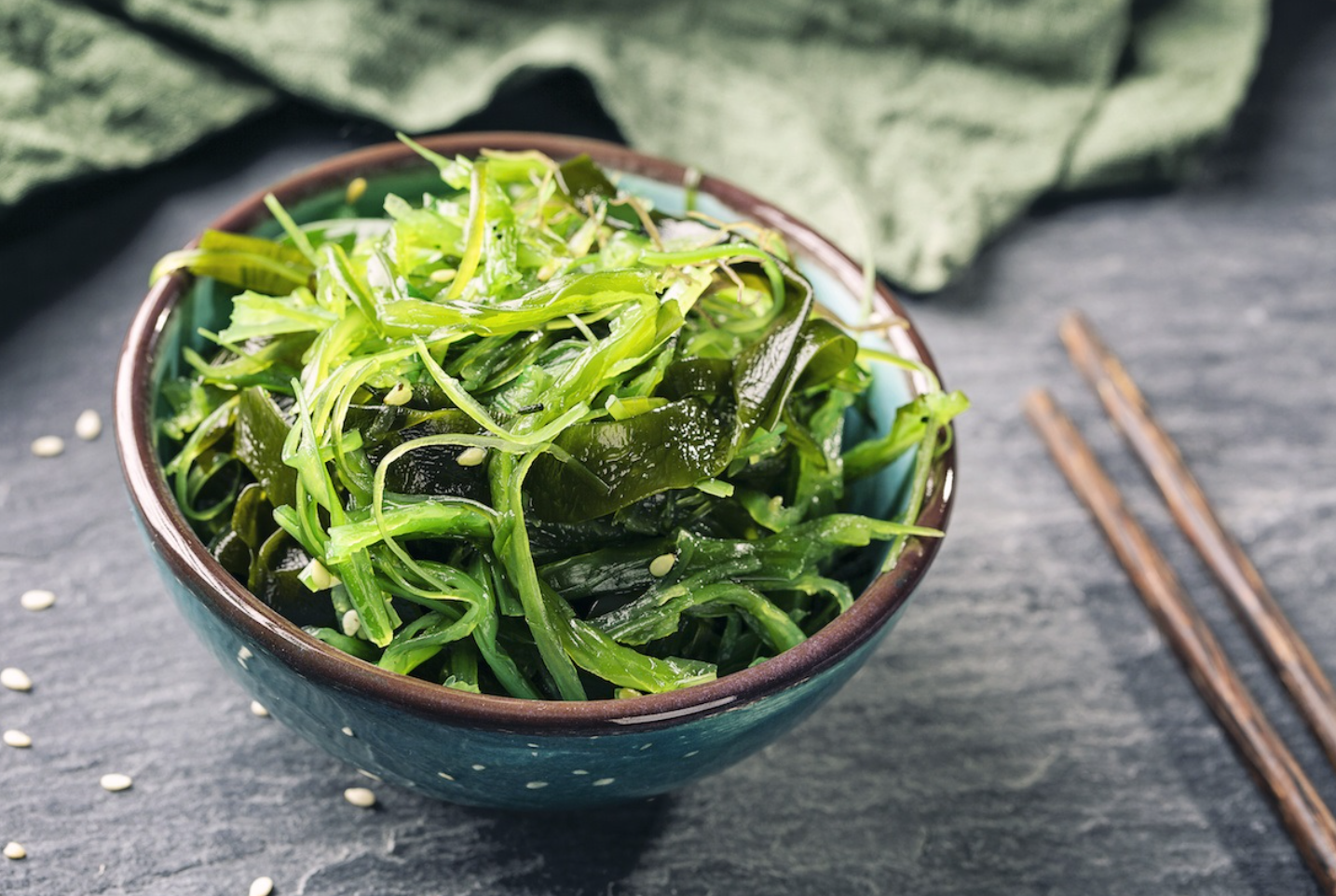
In addition, seaweed – a familiar dish in Korean meals – is also highly valued for its many minerals and micronutrients essential for the body.
Europe values a full breakfast.
While in East Asia there is a great deal of interest in brain-boosting foods, in Europe the most common advice for students before exams is quite simple: don't skip breakfast.

A study conducted on over 1,100 teenagers showed that students who ate a full breakfast before performing cognitive tasks performed better than the group who regularly skipped breakfast.
European nutrition experts often recommend that students start their day with:
• Whole grains;
• Milk or yogurt;
• Fresh fruit;
• A small amount of nuts.
The goal is to maintain stable blood sugar levels and avoid feelings of hunger or fatigue during the exam.
In addition, in recent years, the Mediterranean diet has been increasingly recommended by experts for brain health.
This diet prioritizes fish, olive oil, nuts, green vegetables, and fresh fruits, especially berries like blueberries and strawberries.
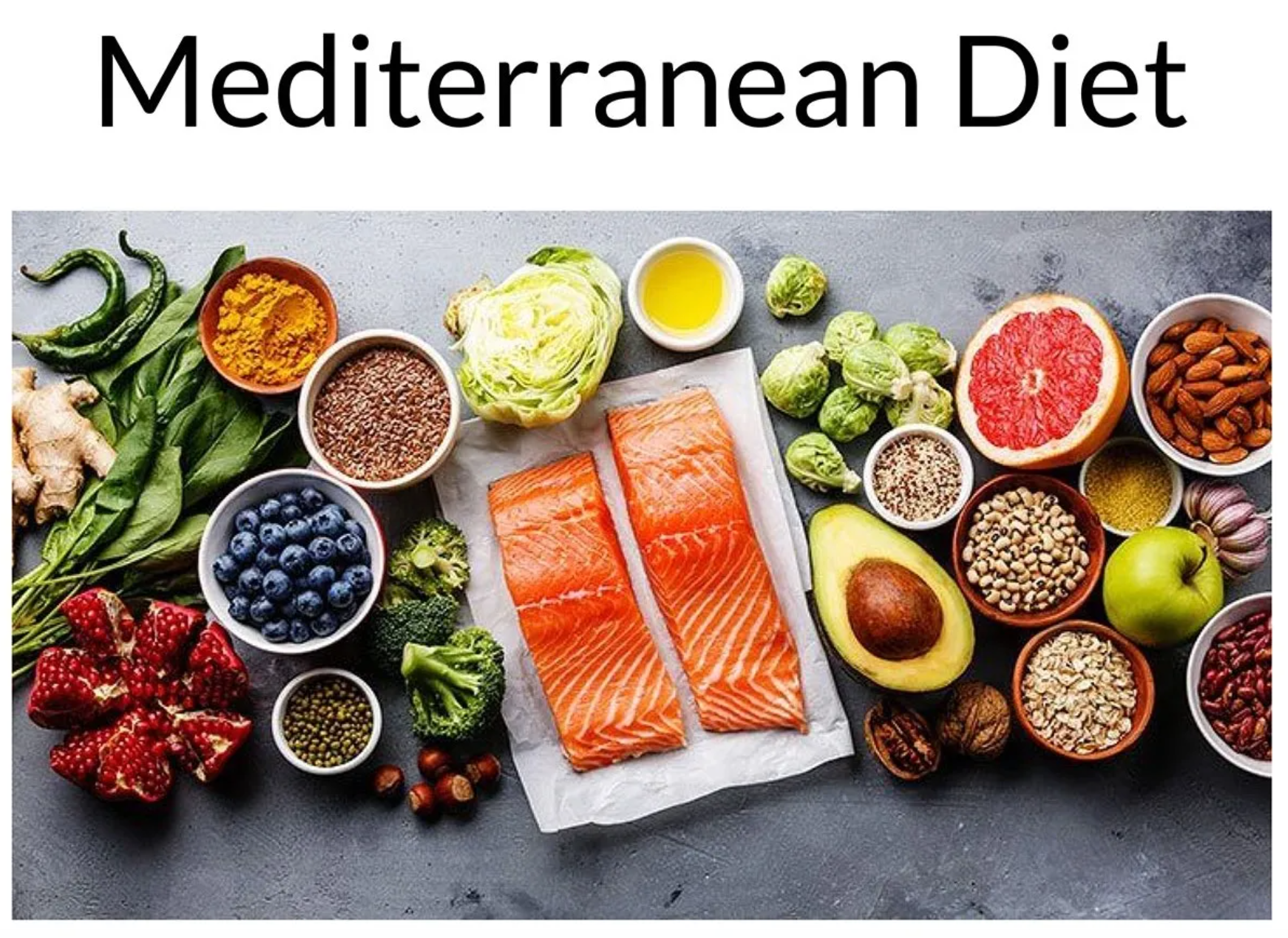
According to numerous studies, foods rich in antioxidants and unsaturated fatty acids can support the functioning of the nervous system and cognitive abilities.
In many Southern European countries such as Spain, Italy, and Greece, this is considered a suitable nutritional foundation for students during periods of intense study.
The most important thing is not "superfoods".
Nutrition experts emphasize that no food can make students "smarter" overnight. What really matters is:
• Eat regular meals;

• Don't skip breakfast;
• Drink enough water;
• Limit sugary and caffeinated drinks;
• Get enough sleep the day before the exam.
Some studies suggest that regularly eating breakfast before activities requiring cognitive effort is associated with better cognitive outcomes in teenagers.
For Vietnamese students preparing for the high school graduation exam, experts advise against chasing after foods advertised as "brain-boosting" or special diets during the final stretch. A balanced diet with fish, lean meat, eggs, milk, green vegetables, fruits, and nuts, along with adequate sleep, remains the most effective way to maintain health and alertness during these crucial exam days.
Source: https://daibieunhandan.vn/truoc-ky-thi-si-tu-o-cac-nuoc-an-gi-10419221.html

















































![[Video] Sunset at Lap An Lagoon – Where the sun sets over the fishing nets](https://vphoto.vietnam.vn/thumb/1200x675/vietnam/resource/IMAGE/2026/05/31/1780192137701_beach-landscape-sea-water-nature-grass-745871-pxhere-com.jpeg)



























Comment (0)