Growing up through days spent working in the field.
After 10 years of service at the Staff Department of the Provincial Police, in 2025, Captain Ha Trung Kien (born in 1993) was transferred to the Public Order Police Team of Cat Thinh Commune Police Station, beginning a completely new journey with many challenges.
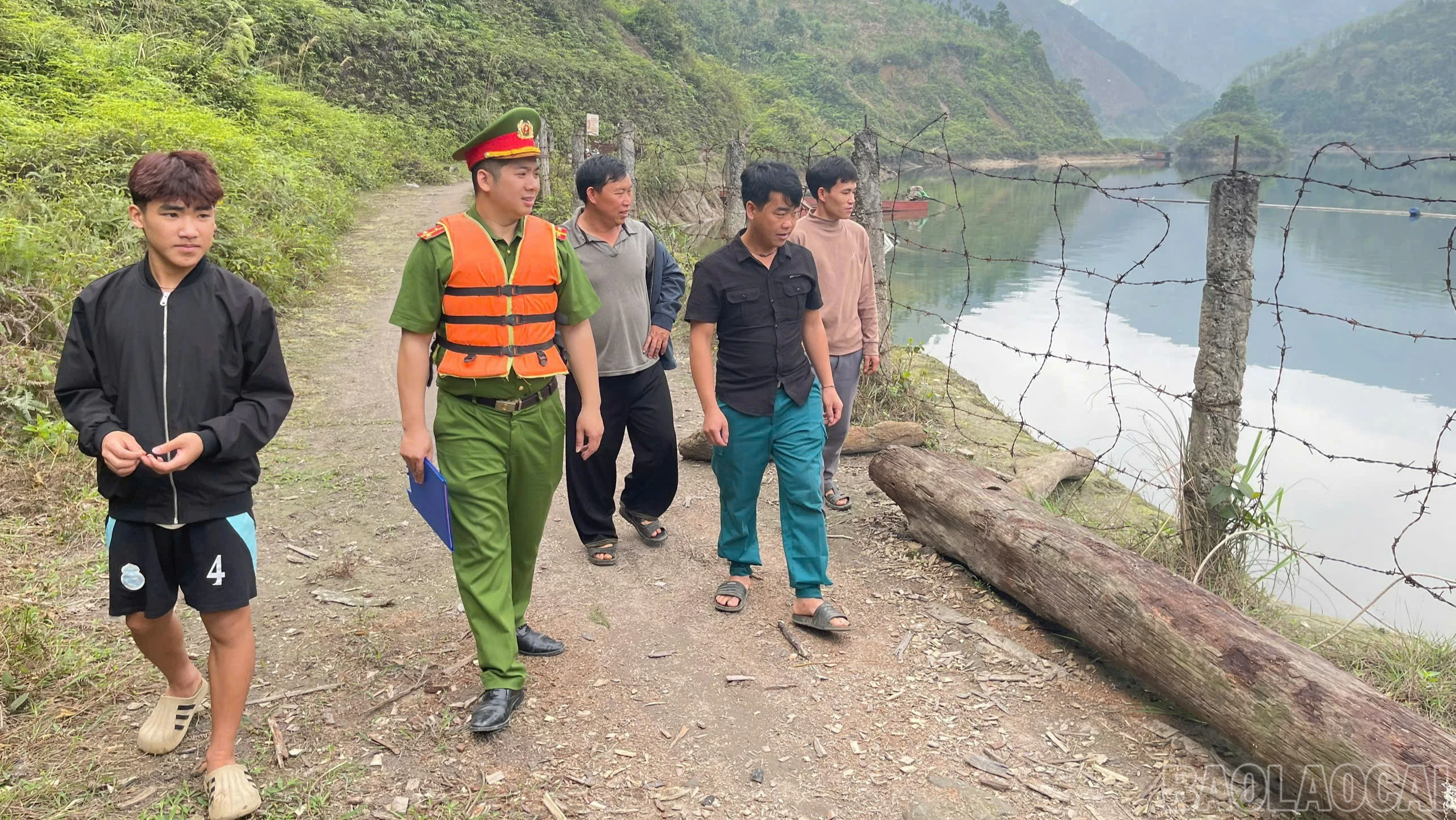
Coming from a work environment primarily focused on research, synthesis, and advisory services at the provincial level, he had to quickly adapt to a job that required constant close monitoring of the grassroots level, a firm grasp of the security and order situation, and timely resolution of emerging incidents.
To integrate quickly, he spent a lot of time working in the community, meeting and talking with the people, learning about the customs and traditions of ethnic minorities, and proactively learning the Hmong language so he could communicate directly with them. As a result, the gap between officials and the people gradually narrowed. The people also became more open in providing information and reporting problems arising in the locality.
During his time working in the field, he changed his working methods, shifting from a consultative mindset to an action-oriented one, and from handling paperwork to directly addressing problems arising from practical situations.
Each meeting, each successfully resolved case, became a valuable lesson, helping him mature in communication skills, public relations skills, and the ability to grasp and process information at the grassroots level – skills he previously had few opportunities to practice in his advisory work environment.
The process of staying close to the local people and engaging with them also helped him confidently propose methods suitable to the local conditions. In early 2026, he advised on, developed, and implemented a model of effective community mobilization: "Preventing and combating illiteracy, supporting learning and taking driving license exams for the Mong ethnic minority."
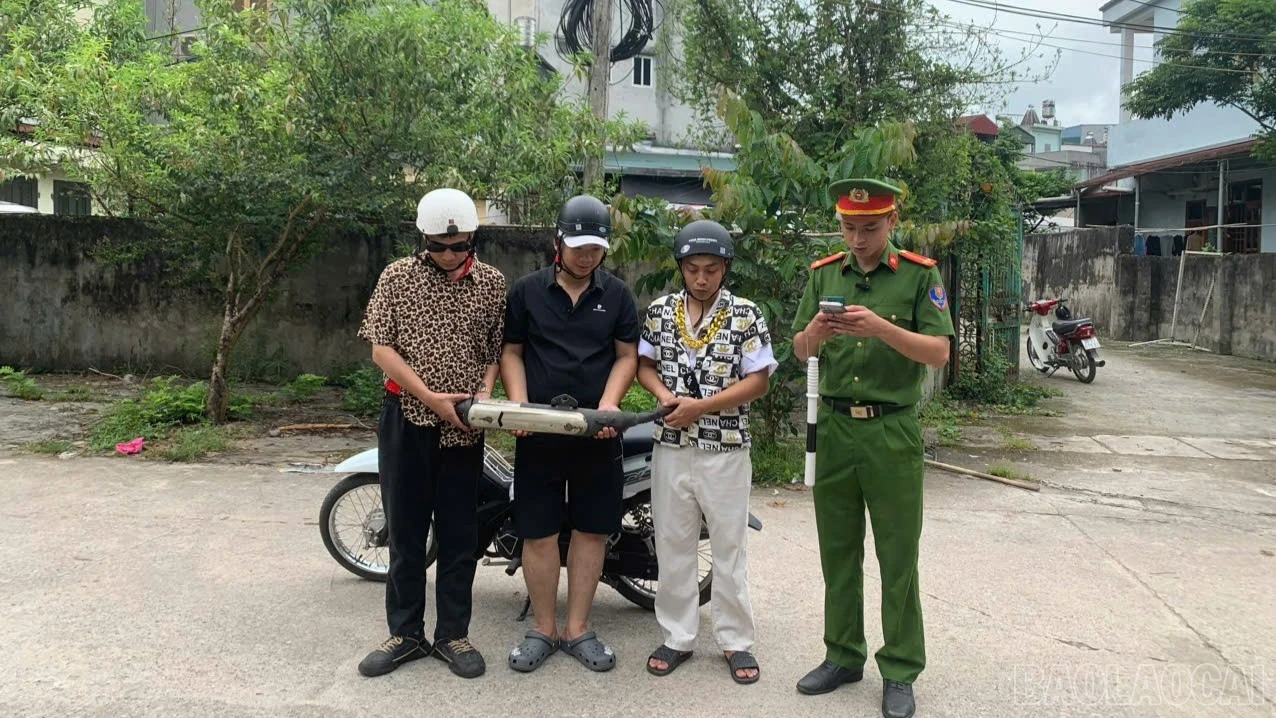
He also worked with officers and soldiers in his unit to create short, relatable, and engaging videos promoting legal awareness, which he posted on digital platforms to improve people's understanding.
His approachable, sincere, and open-minded nature has helped him build trust with the people. From a newly appointed official, he has now become a familiar face to the locals.
Captain Ha Trung Kien happily shared: "Now, more and more people in the commune know that there's Captain Kien 'the chubby one'—that's me—at the commune police station, and that's already a success!"
Growing stronger through challenging tasks.
While Captain Ha Trung Kien's maturity was forged through days spent working in the field and being close to the people, for Giang A Sang, an officer in the Economic Department of Son Luong commune, it was a journey honed through difficult tasks that demanded perseverance, skill, and the ability to build consensus among the people.

Recently, he was assigned to participate in disseminating information and persuading the Giang clan to agree to relocate an ancient tomb in Na Noi village to continue implementing the Emergency Resettlement Project. This was no easy task because for the Mong people, relocating ancestral graves is a serious matter, deeply rooted in customs and beliefs, and is rarely done.
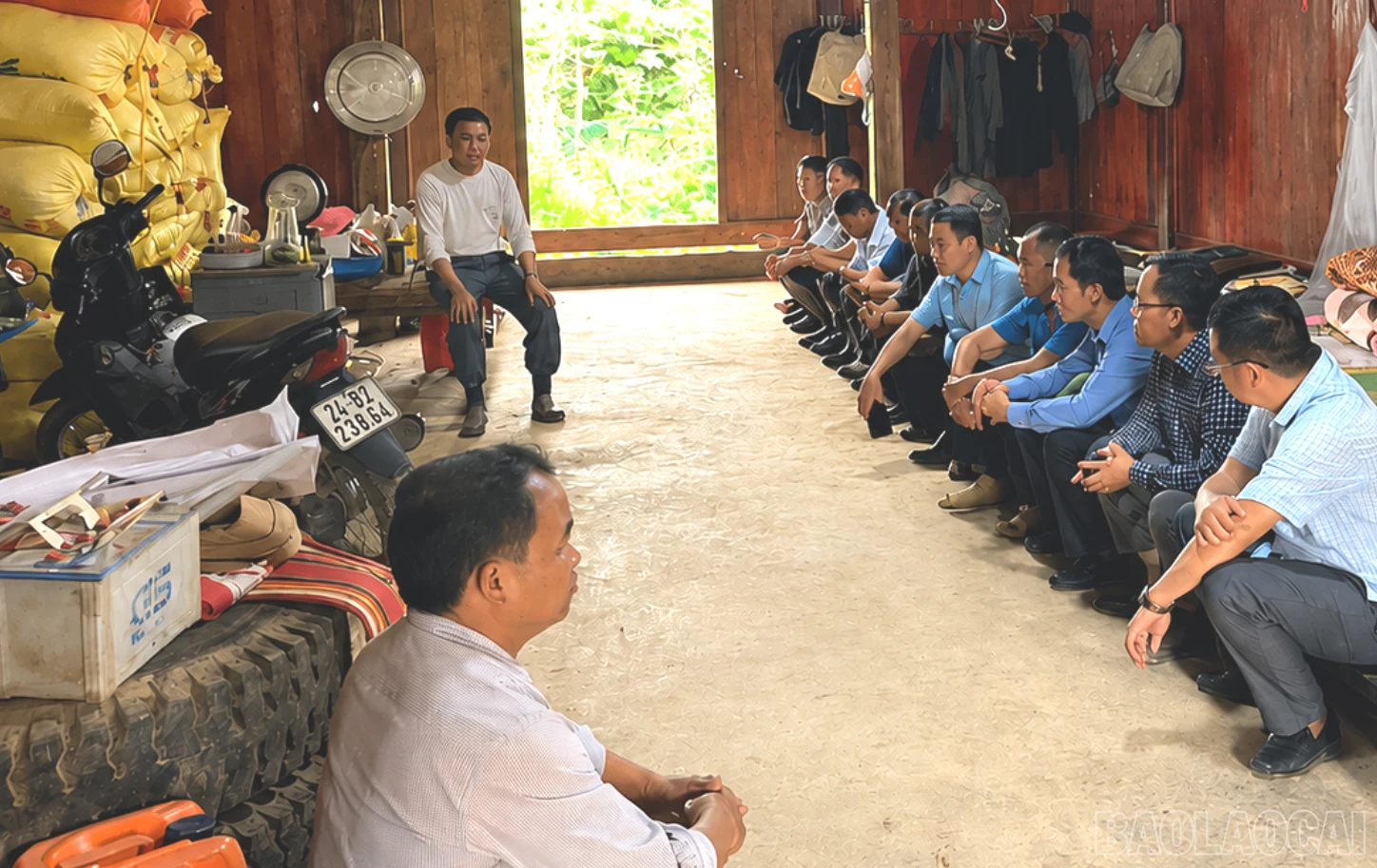
Faced with this difficult problem, the task force chose a persistent and flexible approach, focusing on dialogue and building trust.
Giàng A Sang shared: “Issues related to customs and beliefs cannot be resolved hastily or imposed through regulations; they require sincerity, perseverance, and respect for traditional cultural values. Participating in this task, I have learned to patiently listen instead of rushing to persuade; I have learned how to transform rigid regulations into relatable, easy-to-understand stories so that people can agree.”
Understanding the core issue, in addition to participating in working sessions with the delegation, Mr. Sang proactively met with representatives of the clans to understand their concerns and anxieties. To further persuade them, he also actively sought out real-life cases in other localities where many families and clans had relocated graves to serve community projects while still ensuring adherence to customs and beliefs.
By applying the appropriate approach, the members of the Giang clan agreed to relocate the tomb. The task force completed its assigned mission, but for Sang, the most valuable thing he gained was maturity in his character, his ability to handle sensitive issues related to customs and beliefs, and his understanding that building consensus among the people is always the key to effectively resolving difficult issues at the grassroots level. This is also a valuable asset for him to continue to grow and develop in carrying out new tasks.
Transform practical experience into a training environment for cadres.
The stories of Captain Ha Trung Kien and Giang A Sang are not isolated cases but reflect an approach being implemented in many localities – transforming practical situations into a "special school," where every officer has the opportunity to be assigned tasks, challenged, and grow.
Instead of focusing solely on training and professional development, localities are increasingly shifting towards creating opportunities for officials to challenge themselves and accumulate practical experience and skills.
In Ta Cu Ty commune, practical experience has become the environment for testing, discovering, and developing the capabilities of the staff.
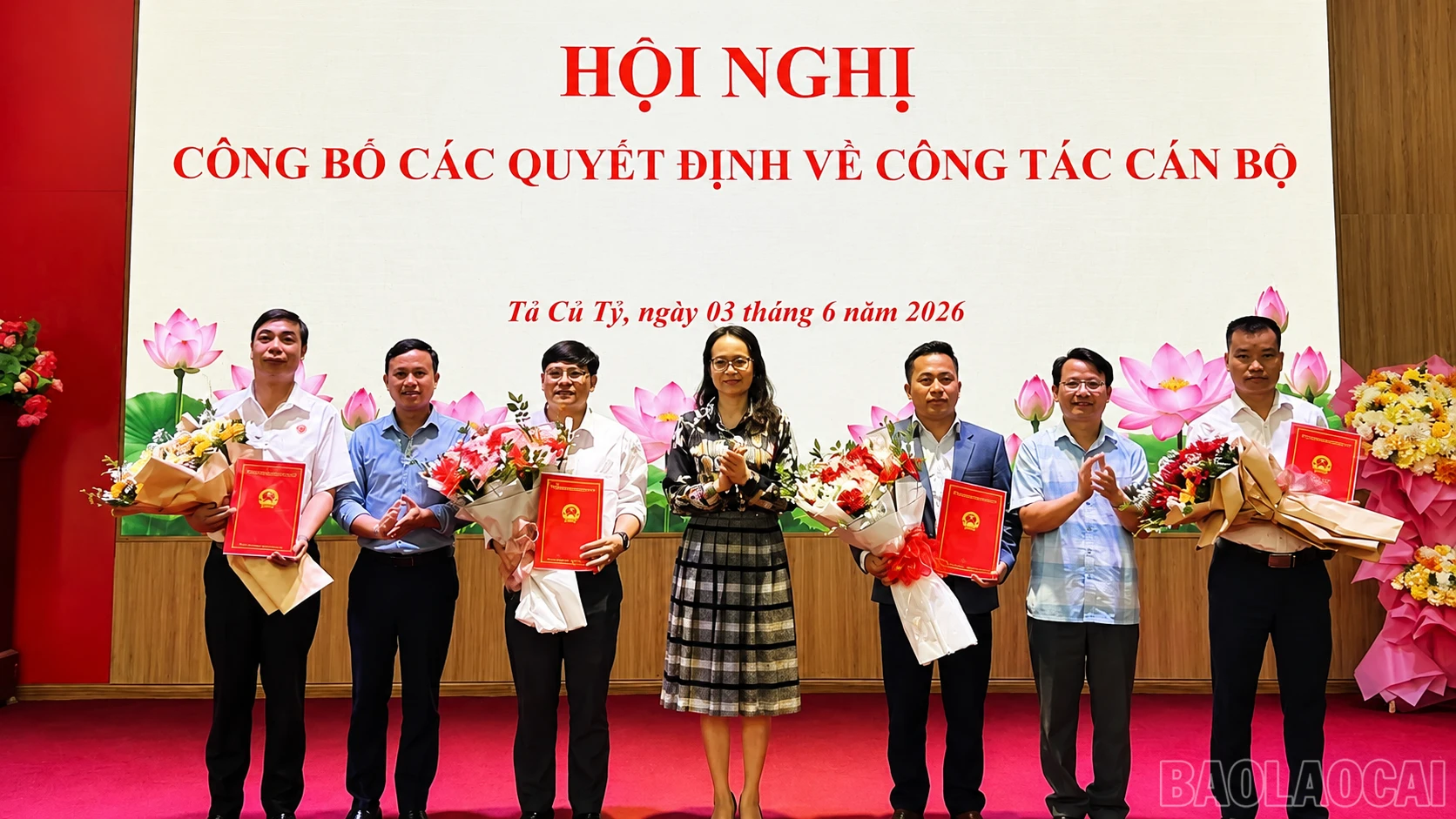
After observing and evaluating officials based on their work output and practical effectiveness, the commune promptly carried out transfers, appointments, and reassignments to positions suitable to each individual's abilities and strengths; boldly assigning new and challenging tasks to allow officials to test themselves, accumulate experience, and enhance their capabilities.
For cases with limited capacity, the local authorities promptly reviewed, transferred, and replaced personnel, while strengthening inspection and supervision to improve the quality of the administrative apparatus. To date, Ta Cu Ty commune has transferred and appointed 12 officials to new positions that are more suitable to their individual capabilities.



Similarly, the Cao Son commune Party Committee also uses the effectiveness of actual work as a measure to evaluate cadres, avoiding a situation where evaluation is based solely on qualifications or years of service.
To create opportunities for officials, especially young officials, to mature through practical experience, the locality always trusts and empowers young officials, boldly assigning them important responsibilities and difficult tasks, especially those directly involving the people in disadvantaged villages with diverse ethnic groups and religions, so that they can gain practical experience and enhance their capabilities and competence.
At the same time, the commune assigns senior officials to mentor, guide, assist, and share their experience with junior officials, assigning tasks from easy to difficult to provide direct training. This provision of opportunities is linked to regular monitoring and evaluation.
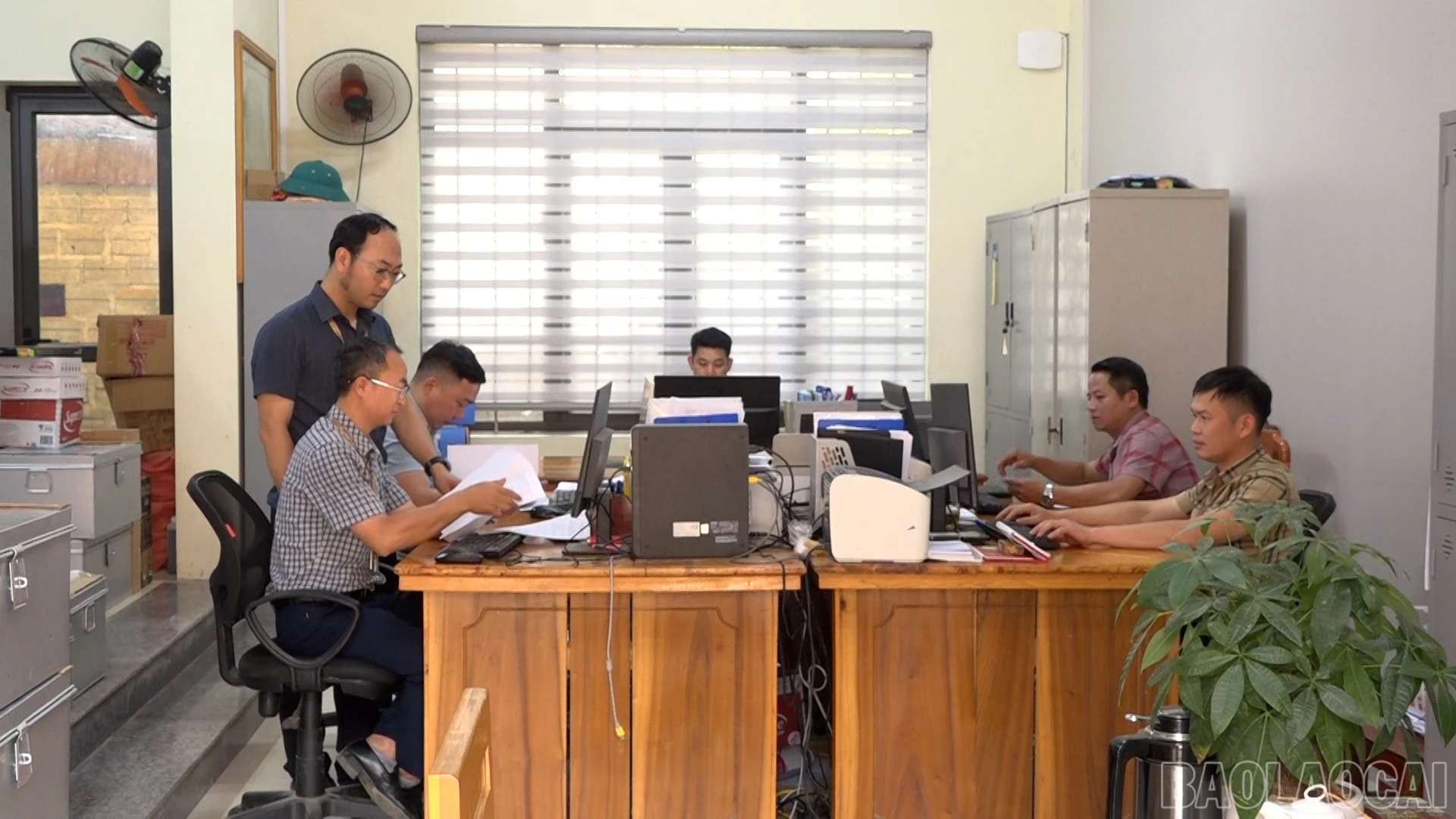
A common approach in local areas is to transform each task and problem arising at the grassroots level into an opportunity and a "special school" for officials to grow in character, hone their skills, and refine their working methods to serve the people. This is also a crucial foundation for building a team of officials with sufficient qualities, capabilities, and prestige to meet the development requirements of Lao Cai province in the new era.
Source: https://baolaocai.vn/truong-thanh-tu-thuc-tien-post902414.html