

Effectiveness at Bechamp Dak Nong Cooperative
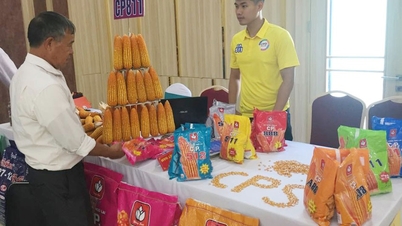
The Bechamp Dak Nong Organic Agricultural Cooperative in Truong Xuan commune, Dak Song district, was established in 2021 with initially 8 members. From its inception, the cooperative has focused on developing organic agricultural products.
Mr. Ha Cong Xa, Director of Bechamp Dak Nong Cooperative, said that in recent years, the cooperative has applied organic farming techniques to improve production efficiency, reduce investment costs, and protect public health.
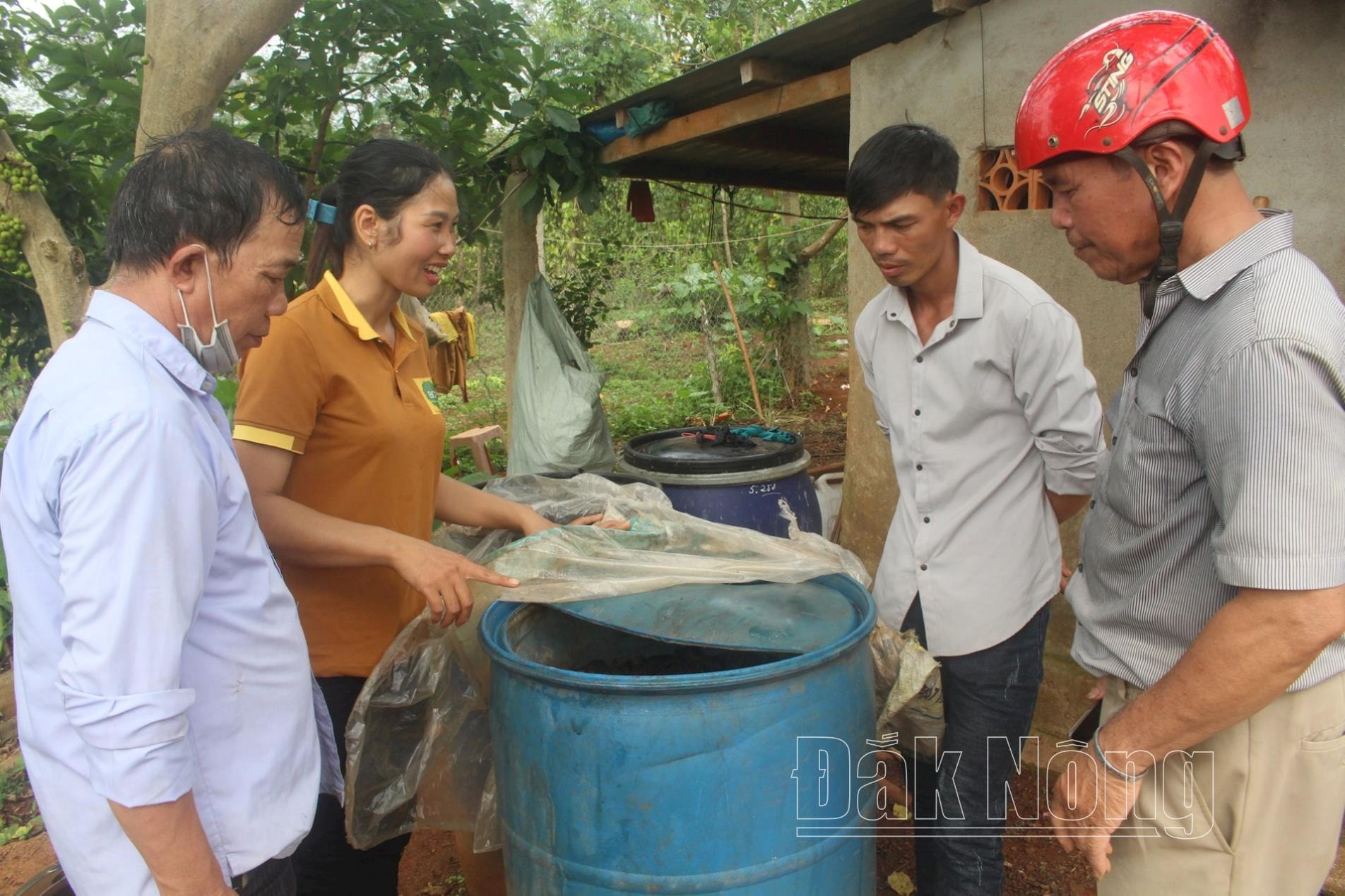
One of the cooperative's notable initiatives is the application of self-composting biological fertilizers and pesticides for crop care. This method helps farmers save costs, reduce the use of chemical fertilizers, and improve the quality of agricultural products.
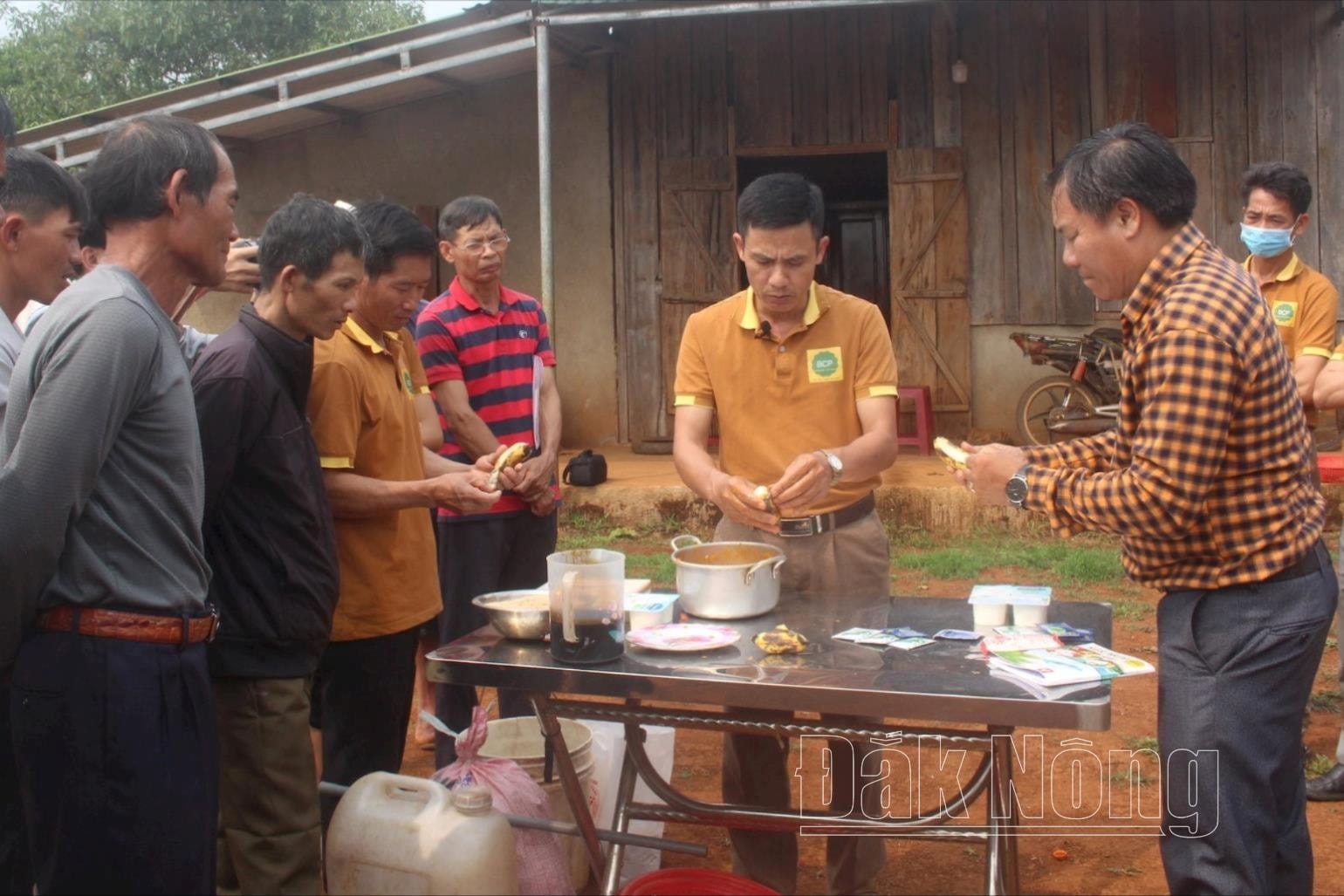
Over the past three years, the cooperative has organized 11 training courses on the techniques of self-producing organic fertilizers and biological pesticides for crop care, benefiting over 700 farmers.
One of the members with extensive experience in applying organic farming is Mr. Nguyen Van Thuy. Mr. Thuy shared that he had never thought about making his own fertilizer before.
However, after joining the cooperative, he learned how to compost and produce biological products from agricultural waste and noticed a significant change in production efficiency.
He is currently cultivating 3 hectares of coffee and 700 pepper plants that are in their productive stage using organic methods, yielding quite high productivity. Each year, he harvests approximately 8.5 tons of coffee beans and 3 tons of pepper.
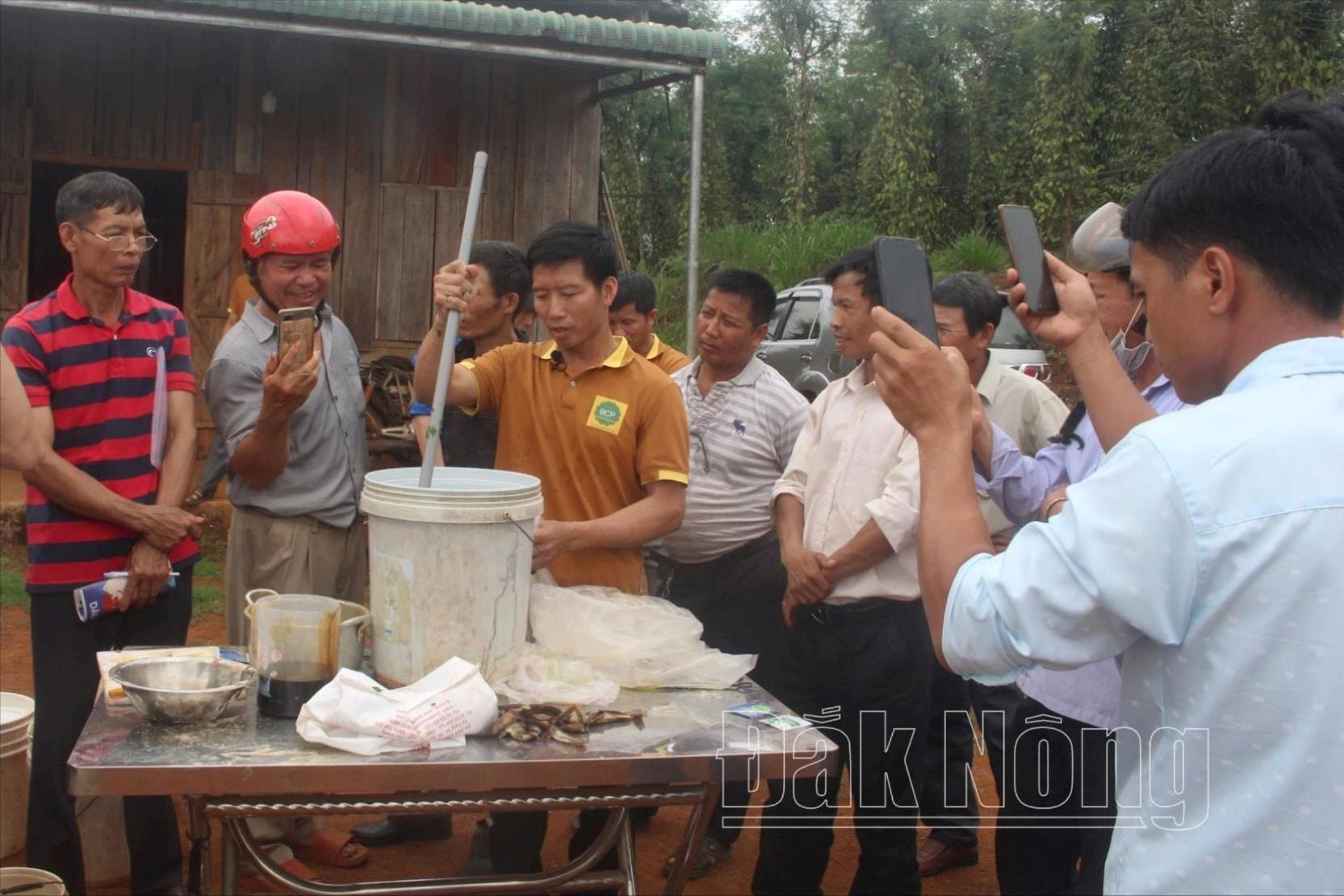
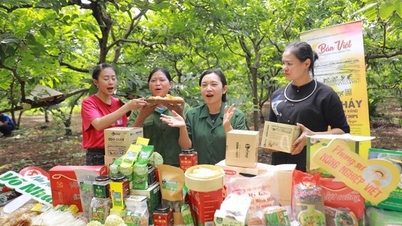
The Bechamp Dak Nong Cooperative not only focuses on production but also emphasizes training and sharing technical knowledge with farmers in the province.
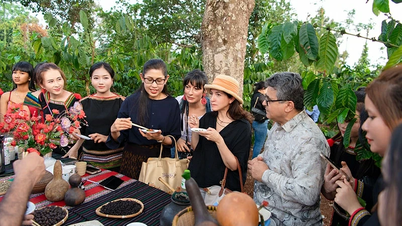
Experienced members of the organic farming community are willing to act as "instructors," providing free guidance to other farmers. Combining theory with hands-on practice in the fields makes it easier for farmers to learn and apply the knowledge in their own farms.
Over the past three years, the cooperative has become a learning destination for over 1,500 farmers on organic farming, fertilizer production techniques, and microbial pesticides.
Ms. Le Hoang Yen, from Nam N'Jang commune, Dak Song district, has 2 hectares of fruit trees. She was delighted to learn that the ingredients for making biological fertilizers and pesticides are readily available locally, such as papaya, avocado, banana, sugarcane, rice bran, shrimp, crab, fish, garlic, ginger, etc.
These materials are all readily available in farmers' gardens and fields, making use of what she has. She also uses yogurt and agricultural waste products such as coffee husks and grass to make bio-fertilizer.
Currently, the cooperative has 44 members, of which 35 are farmers producing organic agricultural products, and the rest are managers, scientists , and entrepreneurs.
The total production area of the cooperative's members is currently 120 hectares, including coffee, pepper, and fruit trees. Of this, the cooperative has over 18.2 hectares of coffee that has received Vietnam organic certification and 70 hectares of coffee currently being produced organically.
Mr. Ha Cong Xa, Director of Bechamp Dak Nong Cooperative, a member of the cooperative, believes that self-composting fertilizers and biological pesticides for crops can reduce costs by 10-20 million VND/hectare compared to conventional production.
Limit and prevent the use of low-quality fertilizers.
For many years now, numerous farmers in Dak Nong have switched to ecological and organic farming by producing their own fertilizers to care for their crops.
According to Mr. Phan Hoang Lam from Dak R'tih commune, Tuy Duc district, after receiving training, he produces his own organic fertilizer to care for 10 hectares of coffee, pepper, and fruit trees.
For the past three years, he has used homemade fertilizer, and his coffee crop has consistently yielded 3.5-4 tons/ha; his pepper crop yields 3-4 kg/plant. Although his family lives in the garden, their living environment remains clean and healthy.
Mr. Dang Tan Huynh, from Nhan Co commune, Dak R'lap district, shared: “I realized that the overuse of chemical fertilizers seriously affects the quality of pepper. Therefore, since 2016, I and other farmers in the area have chosen organic pepper production techniques and established the Dong Thuan Organic Pepper Cooperative.”
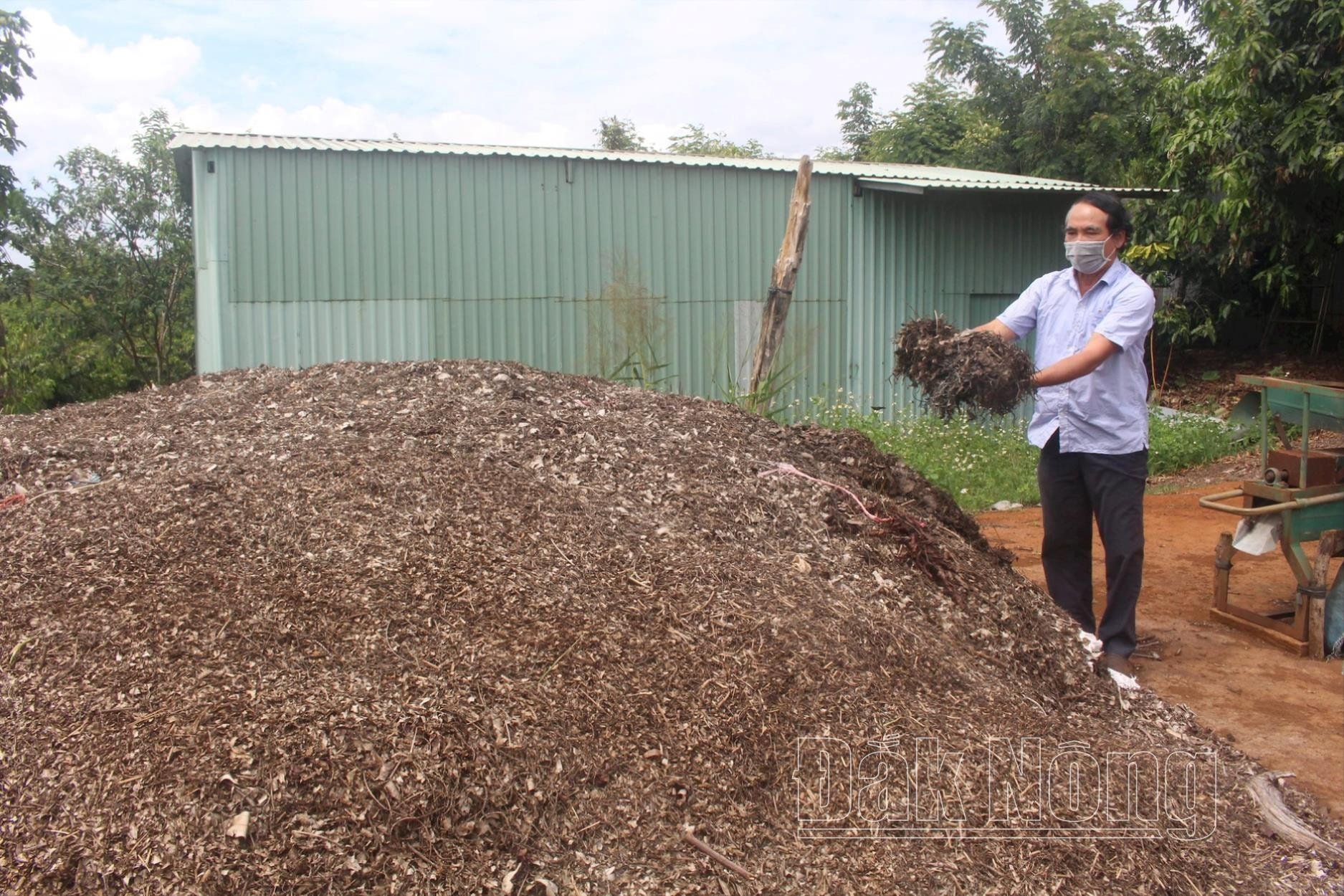
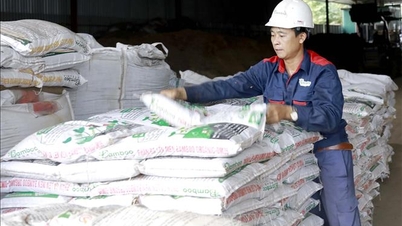
Farmers in Nhân Cơ utilize animal manure from raising goats, cows, and pigs, as well as peanut residue, banana peels, coffee husks, and activated Trichoderma fungi to create organic fertilizer.
After about 6 months, households cultivating over 100 hectares of pepper plants achieve yields of 3-4 tons/hectare/year. Currently, the product serves the domestic market and is exported to Europe.
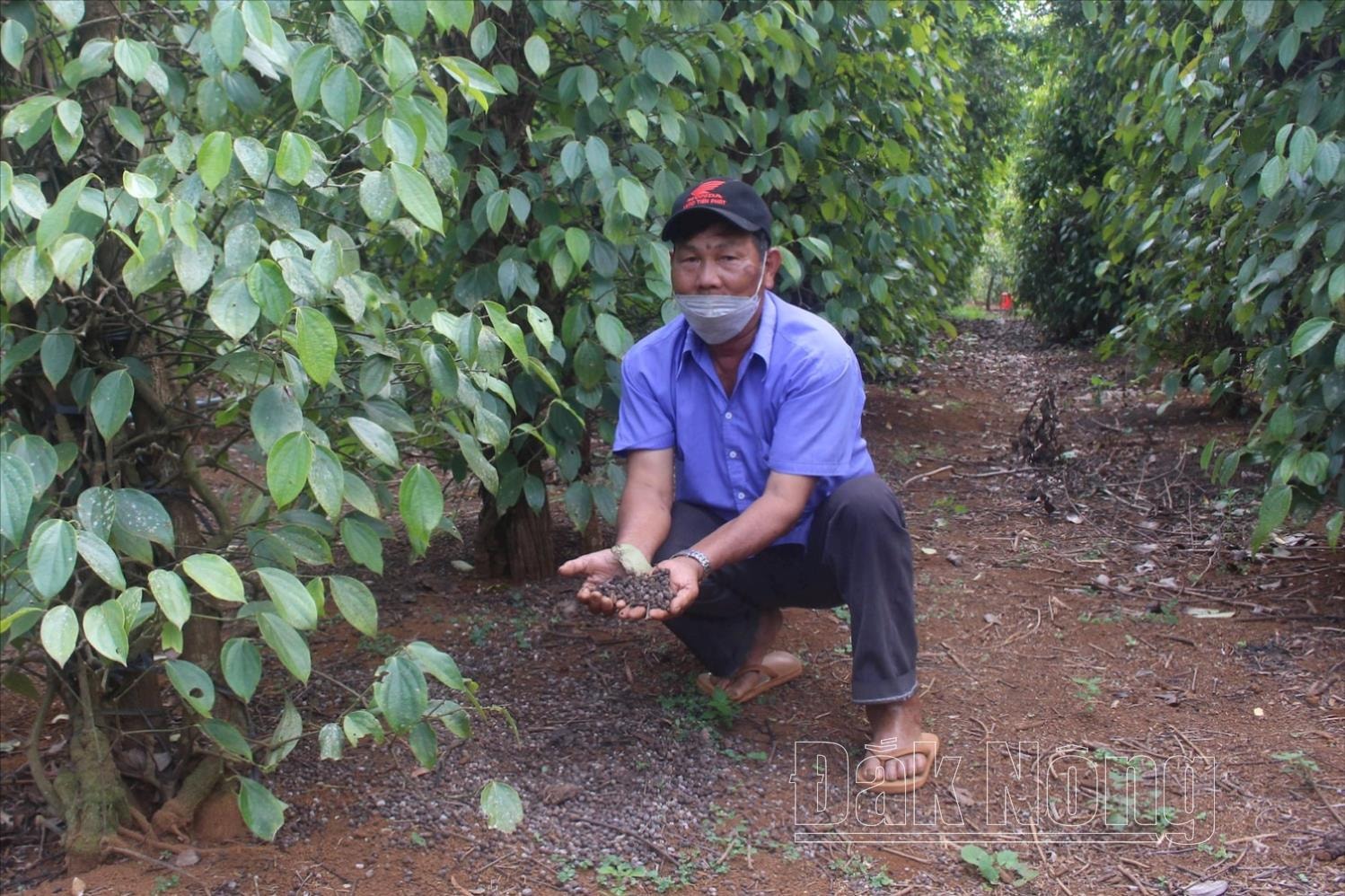
Many other households have also chosen to produce their own organic fertilizer. Ms. Truong Thi Hanh, from Nghia Trung ward, Gia Nghia city, said: “I taught myself composting techniques by utilizing available materials to produce my own organic fertilizer to care for my crops, which helps reduce costs, improves crop yield, and protects the environment.”
Mr. Ho Gam, Chairman of the Dak Nong Farmers' Association, said that organic fertilizer is an indispensable and essential component for current agricultural practices.
Since ancient times, before science developed, people used to cut grass, compost animal manure, and sprinkle lime to make fertilizer. Organic fertilizers make the soil loose and rich in nutrients. Healthy soil results in fewer pests and diseases, and provides sufficient nutrients for crops.
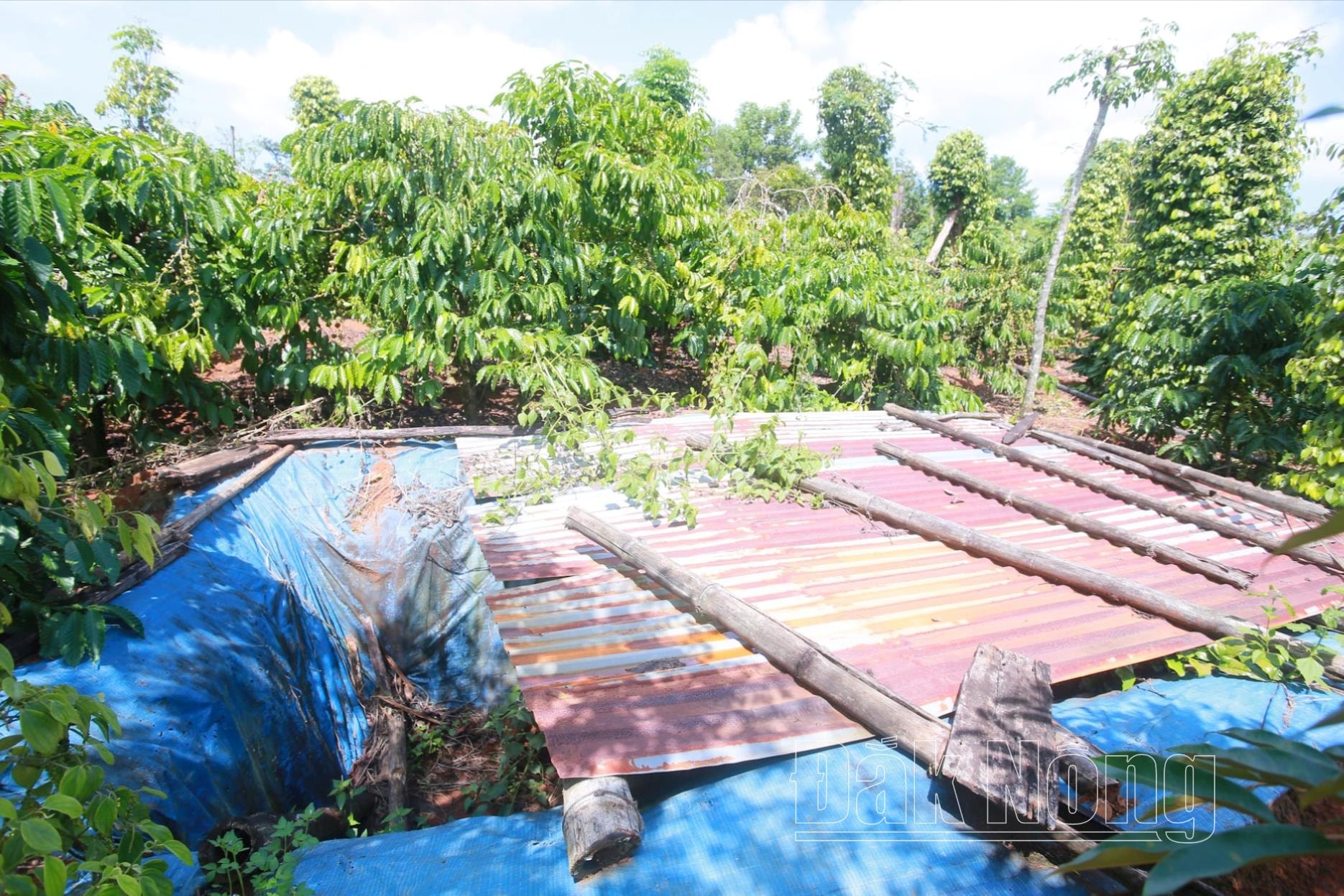
If farmers overuse chemical fertilizers, it will make the soil barren, acidic, and infertile, leading to difficulty for plants to absorb nutrients. Microorganisms in the soil can survive thanks to organic fertilizers.
In previous years, the prices of pepper, coffee, and other agricultural products dropped. Many farmers couldn't afford to invest in chemical fertilizers, so they increased their production of organic fertilizers to care for their crops.
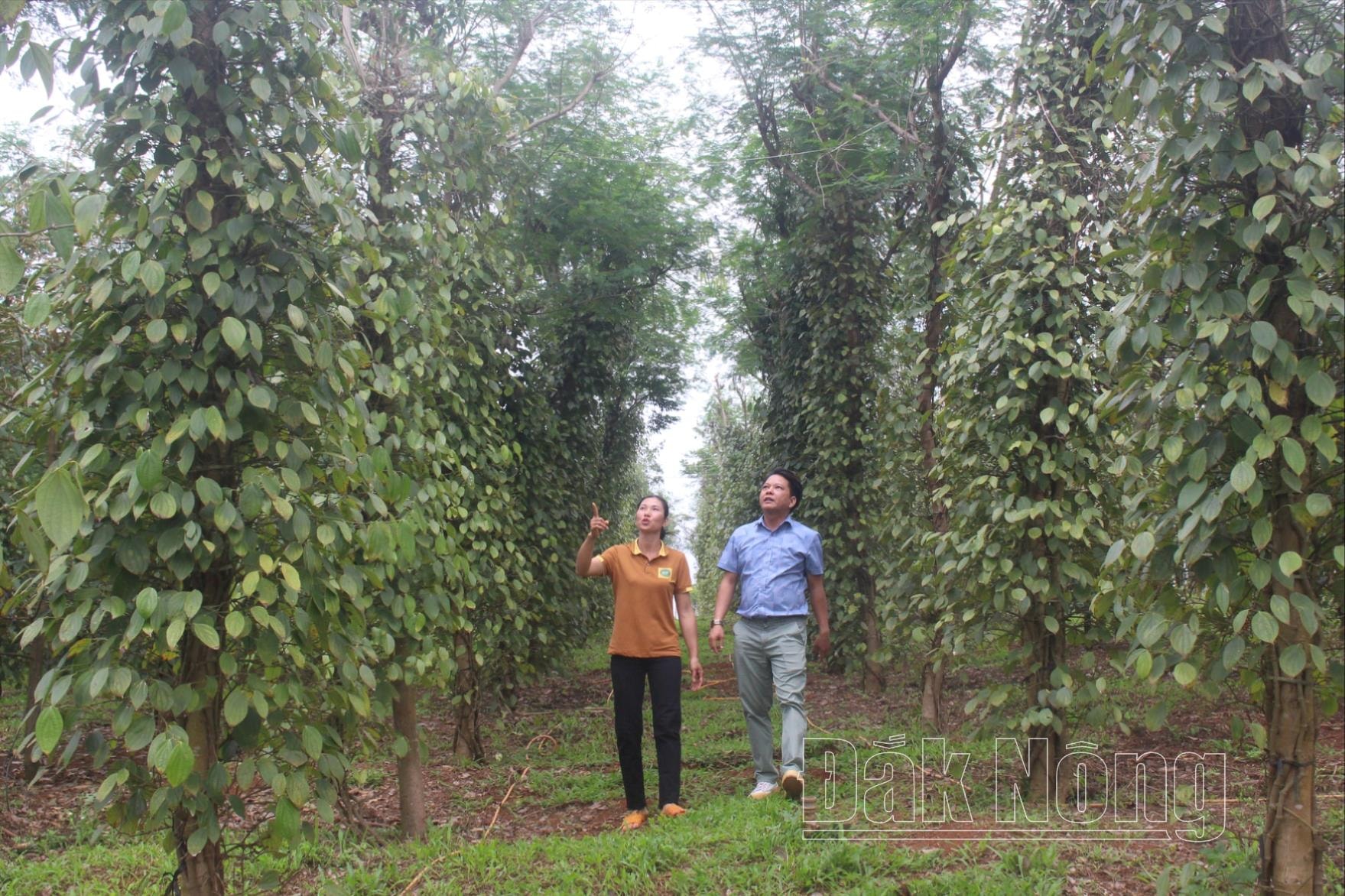
“Since 2006, we have guided farmers in Dak Song and Dak R'lap districts to apply trichoderma treatment to compost coffee husks and agricultural waste into organic fertilizer. Later, farmers used too much chemical fertilizer, which killed the soil. When they realized the shortcomings, farmers began to focus on producing their own organic fertilizer,” Mr. Gam said.
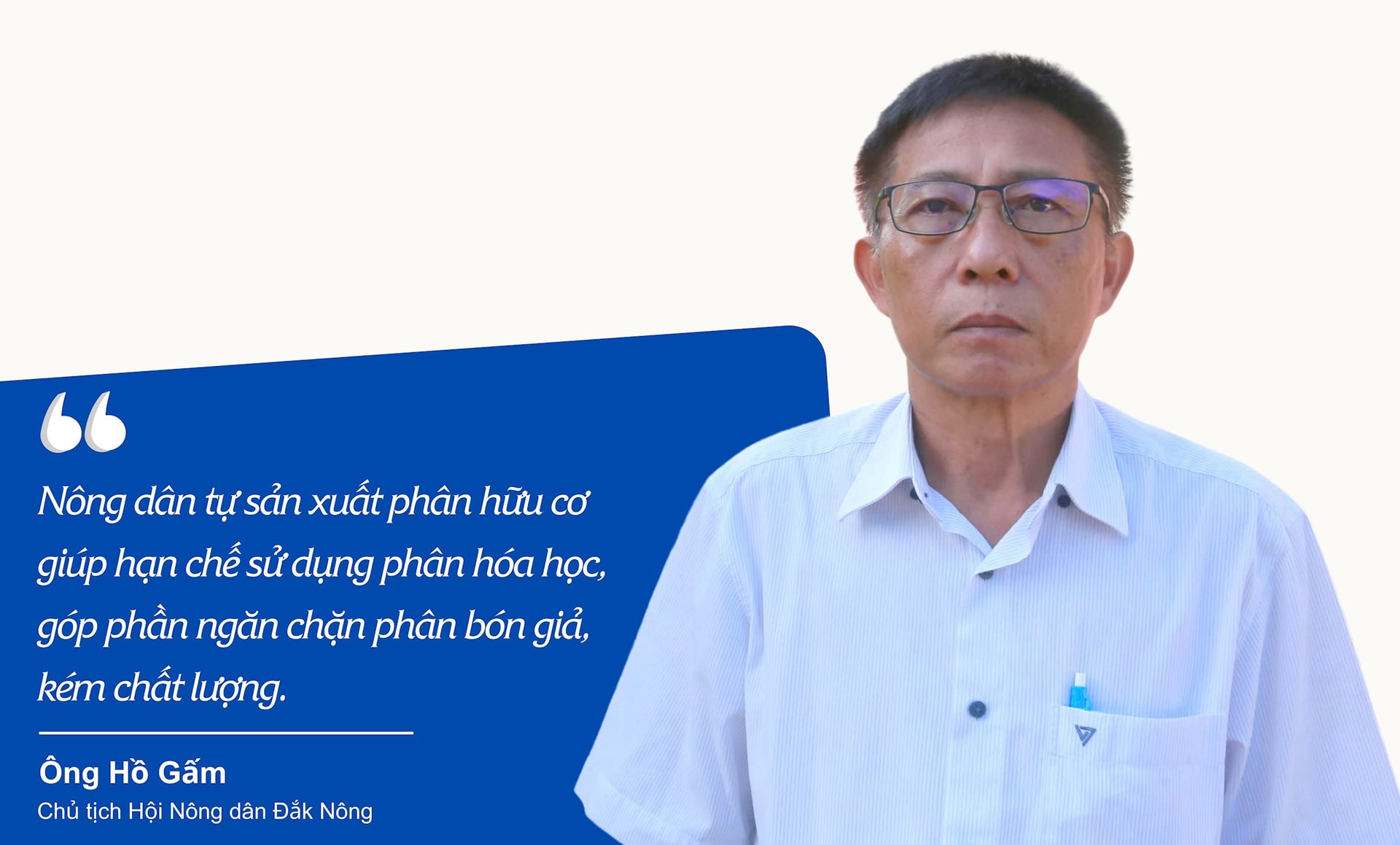
According to Mr. Gam, many farmers in Dak Nong are making their own organic fertilizer to care for their crops, creating a movement that contributes to improving the quality of agricultural products. This is an important step forward for the agricultural sector.
Source: https://baodaknong.vn/tu-san-xuat-phan-huu-co-do-lo-phan-bon-dom-233951.html

















































Comment (0)