Antibiotic resistance is becoming one of the biggest challenges of the 21st century. The WHO warns that the number of deaths due to antibiotic resistance could reach 10 million per year by 2050, surpassing HIV/AIDS and malaria.
In Vietnam, the high rate of antibiotic use, particularly in pig farming, is causing widespread antibiotic resistance. This situation highlights the close connection between humans, animals, and the environment, according to the One Health approach.
Antibiotic resistance is classified by severity: MDR (multidrug-resistant), XDR (extensive drug-resistant), and PDR (progenitor-resistant). According to Assoc. Prof. Dr. Vo Thi Tra An, Faculty of Animal Husbandry and Veterinary Medicine, Ho Chi Minh City University of Agriculture and Forestry, the main cause is the improper use of antibiotics, leading to bacteria developing resistance mechanisms such as creating lytic enzymes, increasing drug ejection pumps, or changing binding sites.
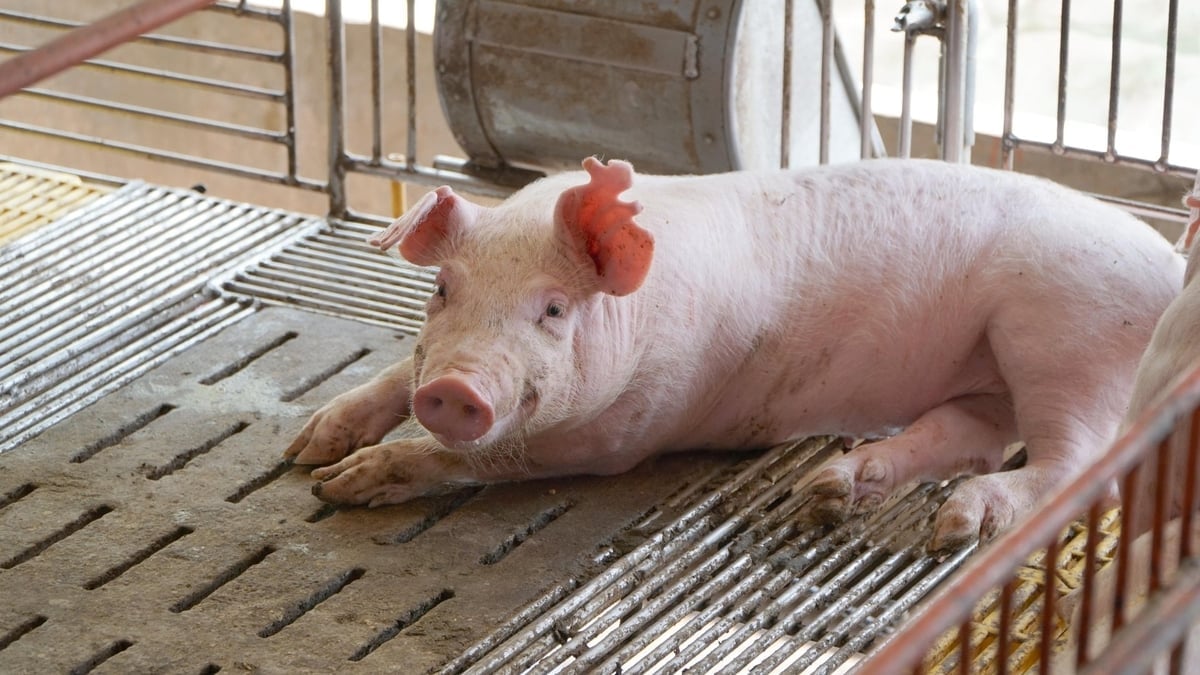
Antibiotic resistance in pigs is becoming increasingly common, stemming from the overuse of drugs in livestock farming. This is concerning because antibiotic-resistant bacteria could spread to humans, directly impacting public health. Photo: Le Binh .
In animal husbandry, antibiotics are used for three purposes: treatment, prevention, and growth promotion. The misuse of antibiotics, especially those crucial for humans such as fluoroquinolones or colistin, increases the risk of spreading multidrug-resistant bacteria to humans through food and the environment.
The amount of antibiotics consumed in Vietnam's livestock industry in 2015 was estimated at 2,751 tons, of which pigs alone accounted for 1,600 tons, exceeding the amount used in medicine (1,086 tons). The consequences include reduced treatment effectiveness, increased mortality rates, decreased productivity, and increased production costs. For example, diarrhea after weaning can cause a mortality rate of 10-20%, while medication costs increase two to three times.
In response to this situation, Vietnam has implemented a roadmap to reduce antibiotic use. From January 1, 2020, growth-promoting antibiotics were banned in animal feed. By December 31, 2021, critically important antibiotics in animal feed were banned. The next goal is to completely ban the use of antibiotics for disease prevention from January 1, 2026, according to Decree 13/2020/ND-CP and Circular 12/2020/TT-BNNPTNT.
In the context of reducing reliance on antibiotics, vaccines are affirming their enduring role. Proactive disease prevention through vaccination, combined with improved farming conditions, biosecurity, and proper nutrition, helps pigs maintain health and productivity.
According to Mr. Nguyen Cong Huy, Technical Director of Boehringer Ingelheim Vietnam, experience from the Netherlands shows that in 14 years, the amount of antibiotics used decreased by 70%, but pig productivity still increased significantly. International studies have also proven that the PCV2 vaccine reduces the amount of antibiotics used for respiratory diseases by more than 50%.
“The Enterisol® Ileitis oral vaccine reduces the amount of antibiotics used in the prevention and treatment of ileitis by up to 79%, and can even completely replace some common antibiotics. Another trial showed that pigs vaccinated with this vaccine needed 36% less antibiotics, while saving an average of 5.5 euros per pig thanks to reduced medication costs, optimized feed, and better growth,” Mr. Huy said.
The post-weaning period – when maternal antibodies decrease and pigs experience significant stress – is a sensitive time, accounting for 80% of antibiotic use. "Most major pig diseases now have effective vaccines, helping pigs develop active immunity early, overcome the immune crisis, and reduce antibiotic use," Mr. Cong Huy emphasized.
Mr. Huy also noted that gut health is the foundation of productivity, and the oral live vaccine creates dual immunity with mucosal and cell-mediated immunity without causing stress to the pigs.
Besides vaccines, holistic solutions are also crucial. Adhering to the five rights in antibiotic use: the right disease, the right antibiotic, the right dose, the right route, and the right duration. Applying alternative preparations such as probiotics, organic acids, and herbal remedies, combined with biosecurity measures, will enhance health and immunity, reducing the risk of disease outbreaks. Interdisciplinary collaboration between health, veterinary, and environmental sectors using the One Health approach helps monitor antibiotic resistance, trace contacts, and effectively prevent the spread of disease.
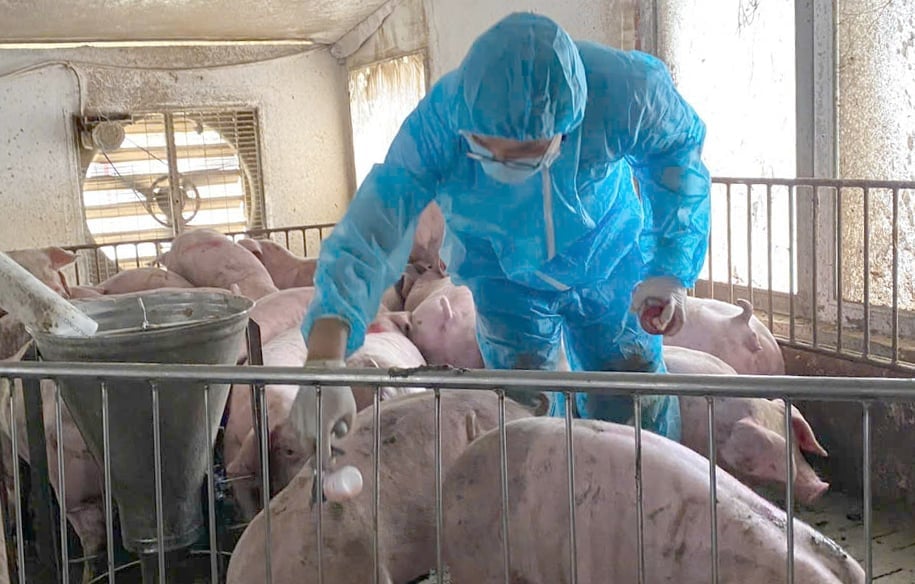
Vaccines help reduce reliance on antibiotics by creating active immunity in pigs, limiting disease outbreaks and reducing the need for treatment, contributing to improved productivity and food safety. Photo: Le Binh .
Mr. Niklas Birkner, General Director of Boehringer Ingelheim Vietnam, emphasized: “When animals are healthy, humans are healthier too.” Vaccines and proactive disease prevention solutions are key to maintaining productivity, ensuring food safety, and limiting antibiotic resistance. In line with the government 's roadmap to reduce antibiotic use, aiming for a zero-total antibiotic use for disease prevention by January 1, 2026, the comprehensive application of these measures is a sustainable step towards modern livestock farming.
Currently, Vietnam's pig farming industry is undergoing a significant transformation. Gradually reducing reliance on antibiotics poses a considerable challenge for farmers, but at the same time opens up opportunities to improve product quality and meet export standards.
Many modern farms have implemented integrated biosecurity measures, nutritional management, and proactive disease prevention, combined with vaccination, to minimize disease risks and treatment costs. Along with stricter regulations on antibiotics, these efforts are gradually forming a sustainable and safe pig farming industry that meets both domestic market demands and aims for export.
Source: https://nongnghiepmoitruong.vn/vaccine-giup-dan-heo-khoe-manh-d786163.html





































































































Comment (0)